NexaGPU
NexaGPU
NexaGPU
Maximize throughput, eliminate latency bottlenecks, and implement high-efficiency computing links with our flagship products.
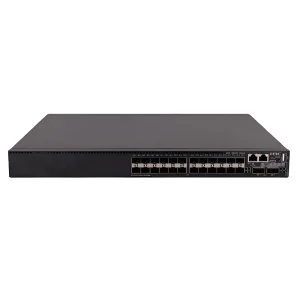
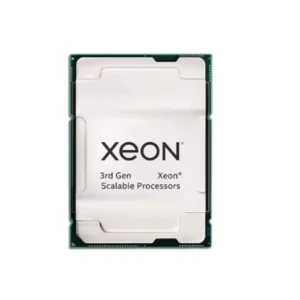
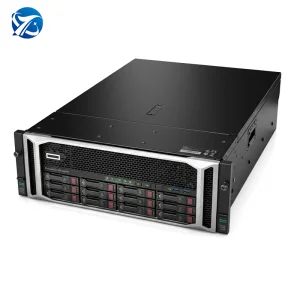

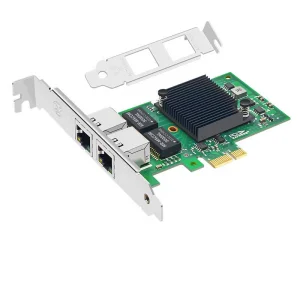
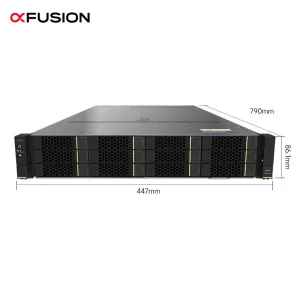
A whitepaper on the integration of ultra-low latency routing switches with high-density GPU computing clusters.
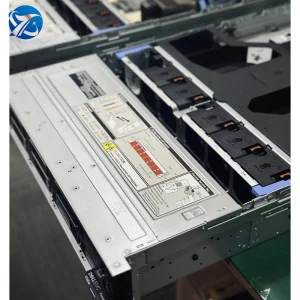
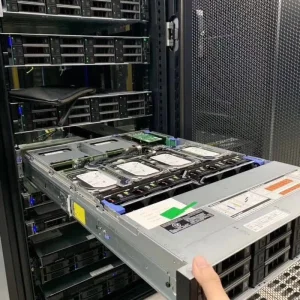
As modern workloads transition to deep learning models and mass database storage solutions, the boundaries between GPU processing nodes and networking configurations have dissolved. NexaGPU, established in 2016, has surfaced as a leading AI GPU server manufacturer and supplier. We specialize in robust, high-performance computing (HPC) infrastructures, liquid-cooled clusters, and customized enterprise switches that keep network traffic flowing at optimal speed.
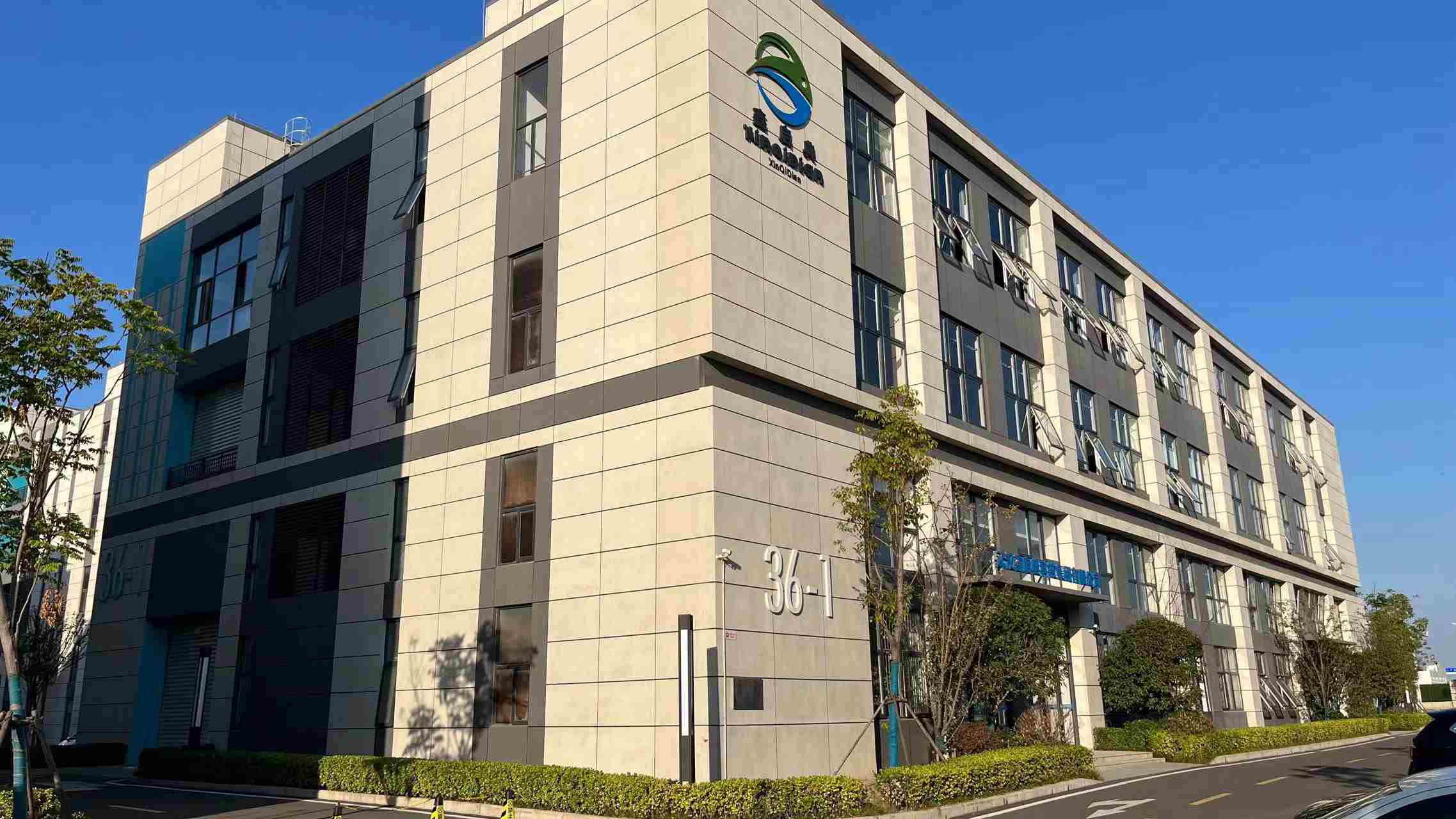
Operating a precision manufacturing facility, NexaGPU relies on its team of 120 R&D engineers to design custom computing architectures, integrate specialized storage adapters, and optimize optical interconnects. Backed by 11 years of industry experience and 6 years of export expertise, NexaGPU ensures that every product—from Layer-3 core switches to complex rack-mounted multi-node servers—adheres to strict reliability standards.
NexaGPU's global footprint spans across North America, Europe, Southeast Asia, and the Middle East, sustained by collaboration with over 850 supply chain partners. This strong network guarantees access to premium components, short lead times, and predictable scalability for cloud centers and enterprise clients alike.
Evaluating the engineering shift toward high-speed bandwidth, silicon photonics, and automation.
As AI training workloads expand exponentially, the demand for core data center throughput shifts from legacy 10G/40G structures to 400G and 800G. Standardizing on silicon like Broadcom Tomahawk 5 enables ultra-dense port configurations, packing higher switching capacity (up to 51.2 Tbps) into a single-rack unit. Future designs are targeting 1.6T configurations to support massive neural net synchronization.
Traditional pluggable optical transceivers face physical limitations due to thermal dissipation and signal degradation. Co-Packaged Optics (CPO) relocates optical engines directly onto the switch's silicon substrate. This significantly lowers trace lengths, drops transceiver power consumption by up to 30%, and optimizes airflow dynamics across dense network switch chassis.
High-Performance Computing networks rely on RDMA over Converged Ethernet (RoCEv2) to bypass CPU overhead. Modern switches incorporate hardware-driven Priority Flow Control (PFC) and Explicit Congestion Notification (ECN) to prevent packet loss. Lossless networks are critical to avoid GPU idle states, ensuring training operations run with maximum efficiency.
The separation of switch hardware and operating systems—known as disaggregation—is redefining enterprise networking. Software for Open Networking in the Cloud (SONiC), an open-source OS built on Debian, allows engineers to run unified networking policies across heterogeneous switch hardware. This eliminates vendor lock-in, shortens security patching cycles, and simplifies monitoring via standardized APIs.
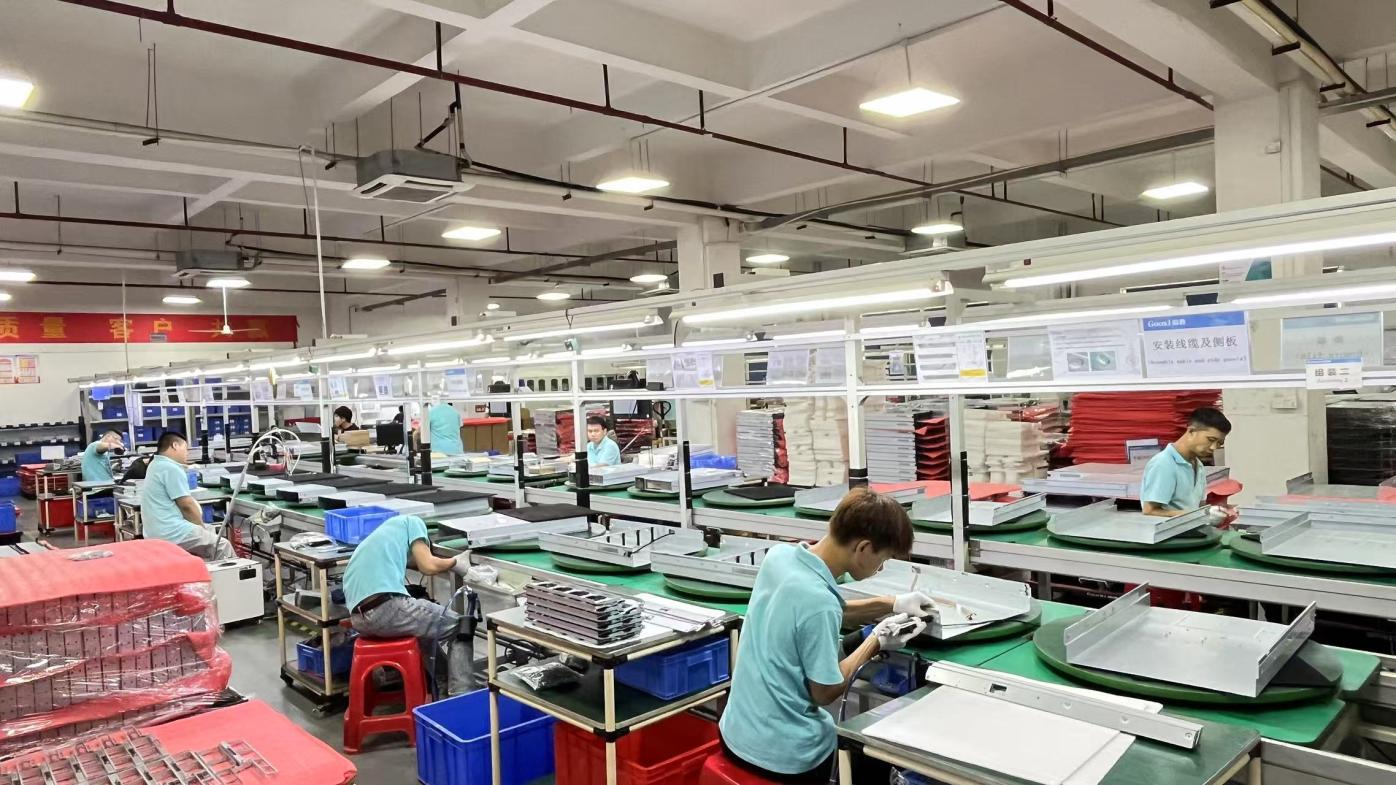
How automated assembly, local component sourcing, and advanced testing ensure stable lead times and consistent product quality.
Our domestic supply cluster houses component suppliers, PCB fabricators, high-speed SMT assembly lines, and chassis extrusion plants within a 50-kilometer radius. This geographic concentration reduces logistical friction, optimizes raw material transport, and slashes total manufacturing lead times compared to fragmented international assembly chains.
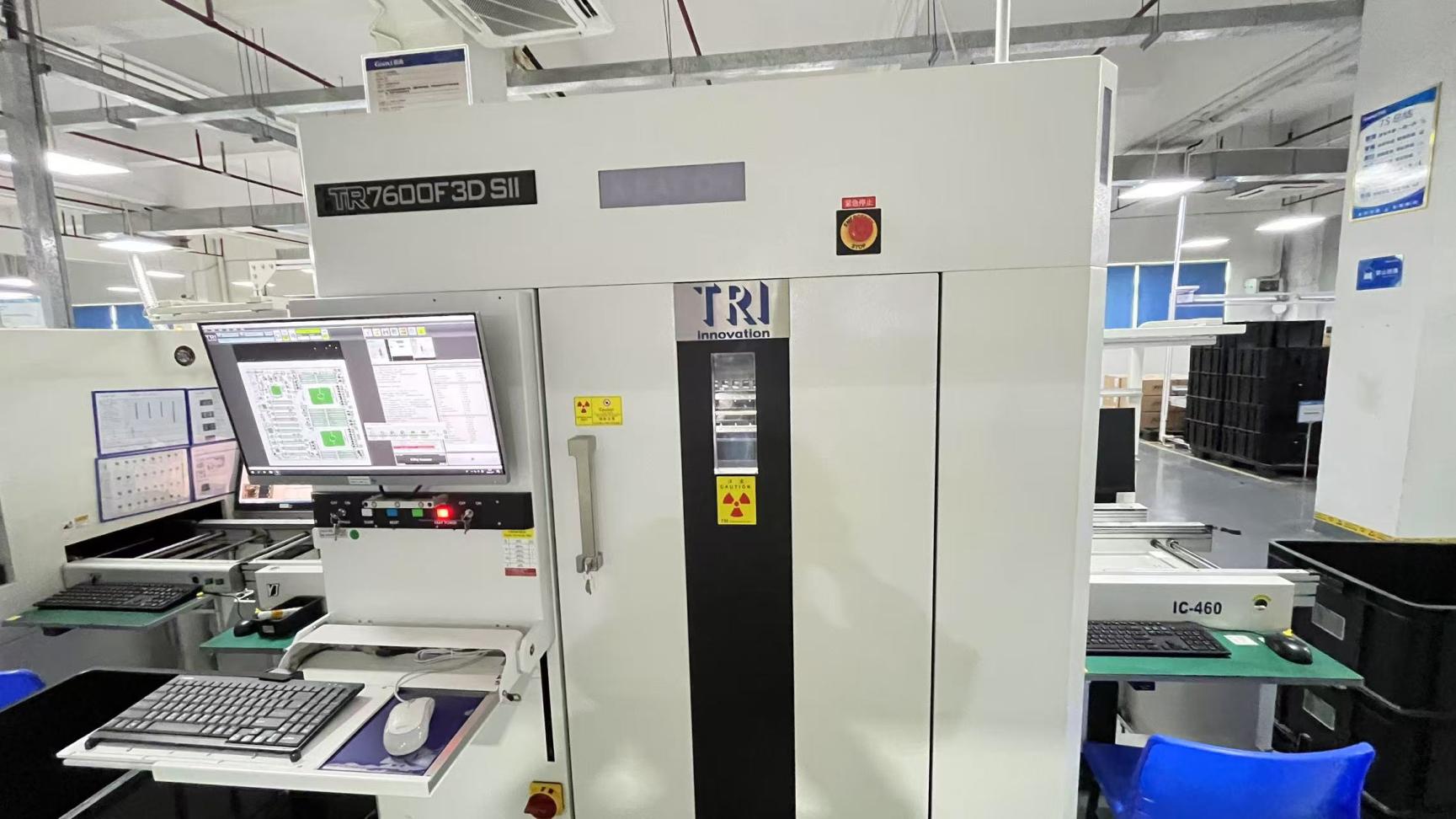
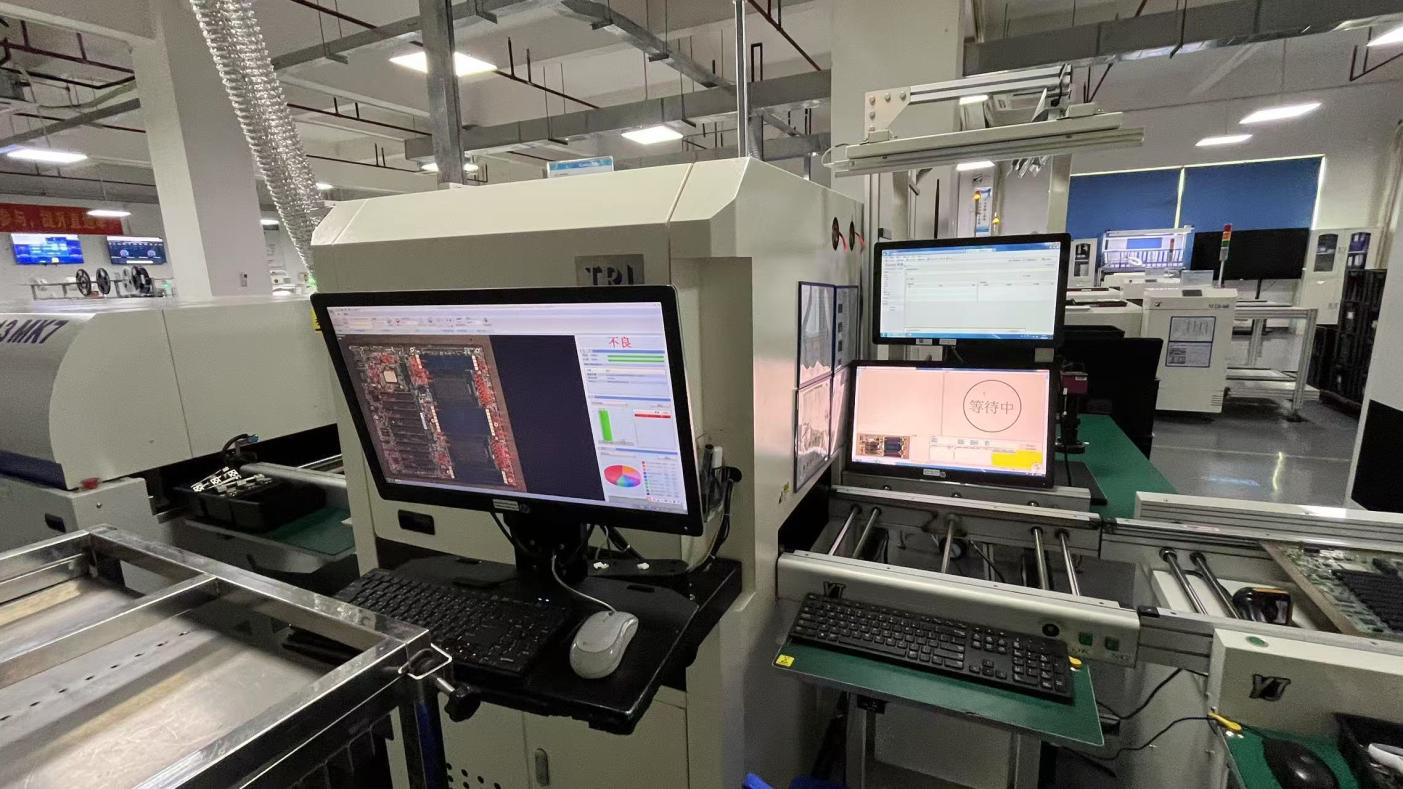
Quality assurance is built into every stage of production. Using Automated Optical Inspection (AOI), In-Circuit Testing (ICT), and Functional Testing (FCT), our facility identifies production defects at the board level. Sub-assemblies undergo rigorous environmental stress screening (ESS), including temperature cycling and high-humidity chambers, to verify component integrity under load.
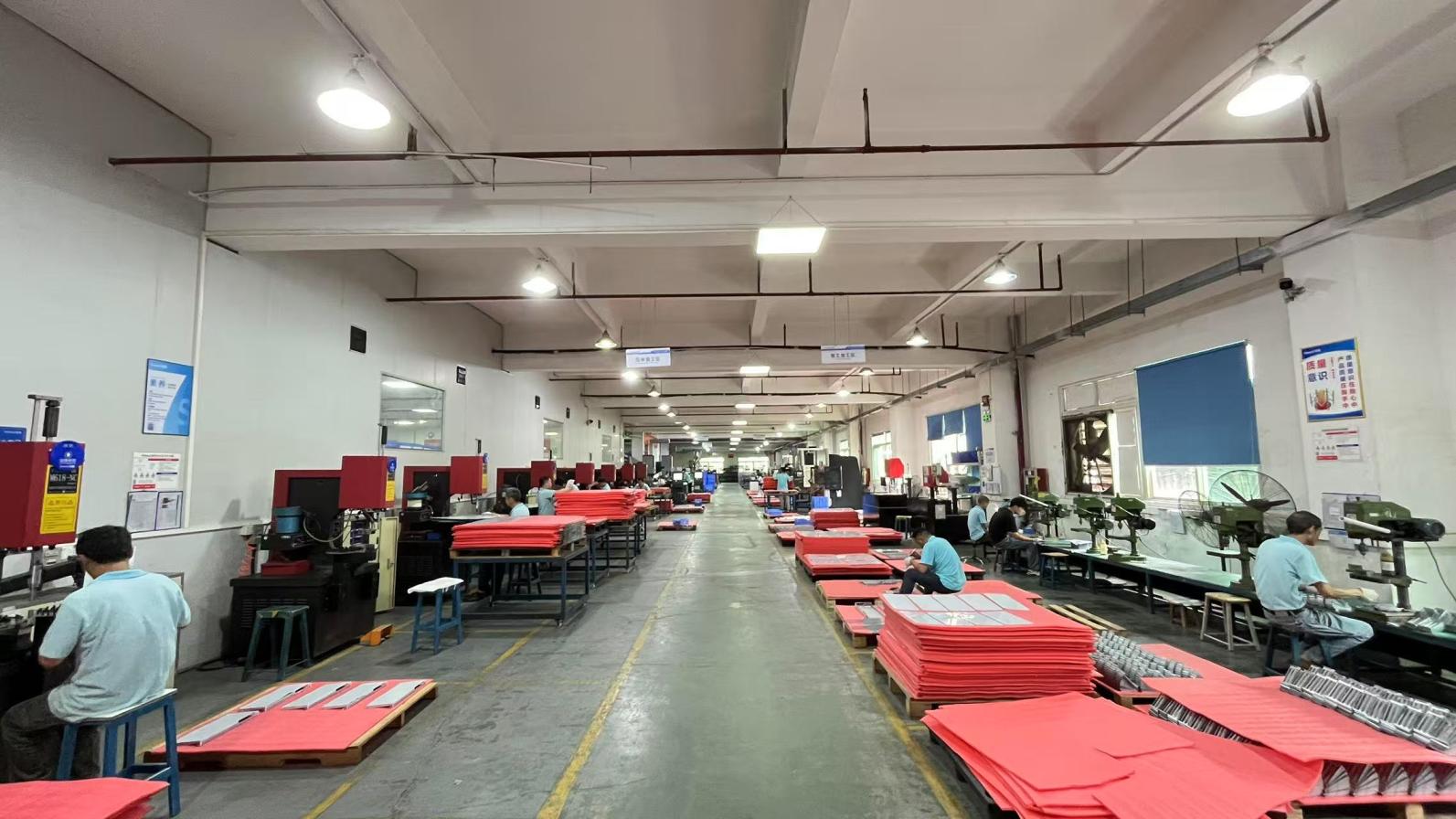
NexaGPU's dedicated quality assurance team, consisting of 45 QC specialists, oversees all inspection phases. We trace manufacturing steps using unique serial mapping, tracking every chip placement and solder joint. Custom networking solutions face extended stress-testing at elevated operating temperatures to guarantee consistent MTBF (Mean Time Between Failures) metrics under challenging operational loads.
Tailoring network and compute frameworks to specific operational topologies and workload demands.
Hyperscalers require massively scalable Spine-and-Leaf topologies. Using our network switches alongside highly virtualized GPU computing nodes allows operators to deploy VXLAN overlays, EVPN control planes, and automated configuration tools. This setup delivers high horizontal scalability and predictable latency across millions of virtual machines.
Large Language Models (LLMs) and deep learning tasks demand non-blocking fabrics. Deploying high-density switches alongside NVLink or custom server designs establishes an optimal, lossless backplane. This prevents traffic micro-bursts from causing packet re-transmissions and keeps GPU clusters running efficiently.
Edge deployments require compact, dust-resistant, and thermally efficient hardware. NexaGPU's flexible custom configurations and compact switch options provide low-latency processing directly where data is generated. This minimizes costly uplink bandwidth and speeds up real-time analytics.
Critical considerations for network architecture, compliance, and long-term reliability when selecting hardware suppliers.
Verify the switch's internal switching capacity matches the maximum combined bandwidth of all physical ports running concurrently in full-duplex mode.
Check for customizable packet processing engines (like P4-programmable ASICs) to support custom routing rules, in-band telemetry, and proprietary encapsulations.
Ensure native support for Priority Flow Control (PFC) and Explicit Congestion Notification (ECN) to maintain lossless data flows, particularly for RoCEv2 configurations.
Confirm the hardware complies with CE, FCC, RoHS, and UL safety standards to simplify customs clearance and ensure reliable integration into international markets.
Choose suppliers with established replacement networks, swift shipping response, and experienced technical support to minimize downtime during component failures.
Opt for partners that provide custom layouts, custom firmware builds, and structural validation across both network switch modules and host compute configurations.
Answering complex questions about network switch configurations, server integration, and fabric design.
A: Packet loss usually occurs when incoming burst traffic overwhelms the buffer capacity of a switch port. Using switches with dynamic buffer allocation, alongside traffic management protocols like Priority Flow Control (PFC) and Explicit Congestion Notification (ECN), allows the system to throttle source transmission speeds before buffers overflow. This ensures data flows smoothly without drops, which is vital for database synchronization and clustered GPU operations.
A: InfiniBand provides high raw performance with low latency and native credit-based flow control, but it requires dedicated host channel adapters (HCAs) and specialized cabling, which increases deployment costs. RoCEv2 (RDMA over Converged Ethernet) runs on standard, cost-effective Ethernet switches and cabling. While RoCEv2 requires careful configuration of PFC and ECN to run lossless networking, it offers greater deployment flexibility and simpler integration with existing enterprise infrastructure.
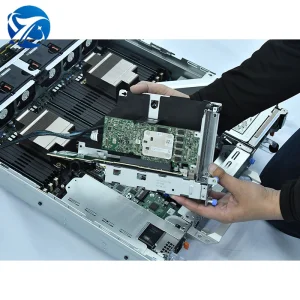
A: We use high-efficiency copper heat-pipe assemblies and optimized heatsinks to dissipate heat from CPUs and GPUs. Our chassis layouts partition clean airflow zones, using hot-swappable, pulse-width-modulated (PWM) cooling fans. In addition, our manufacturing facility performs thermal imaging and long-term testing at high temperatures to verify components run within safe ranges under continuous maximum load.
A: Disaggregated networking separates the underlying switch hardware from the control software. Running open-source platforms like SONiC helps operators avoid vendor lock-in, streamline device configuration via automated scripts (such as Ansible), and deploy custom telemetry agents directly onto the switch. This unified framework simplifies patch management and monitoring across multi-vendor networks.
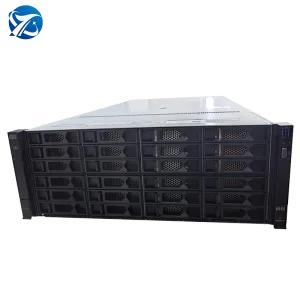
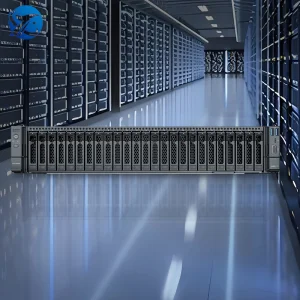
Browse our selection of servers and controllers, designed to interface seamlessly with modern high-bandwidth switches.