NexaGPU
NexaGPU
NexaGPU
High-performance rack servers optimized for virtualization, hyperconverged infrastructure, and deep data processing.
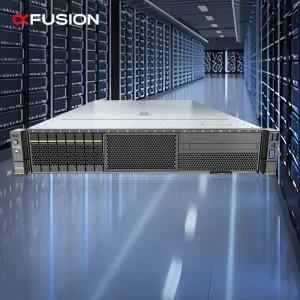
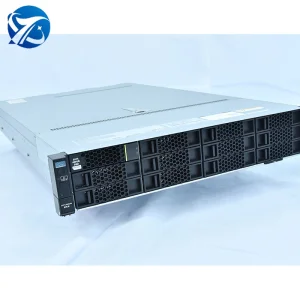
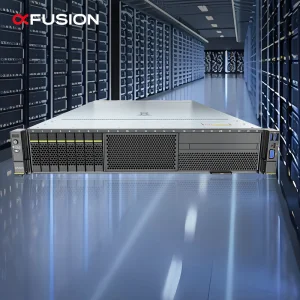
The San Francisco metropolitan area remains the global epicenter of tech innovation, hosting a dense concentration of artificial intelligence startups, cloud computing developers, quantitative financial desks, and biotech research centers. From South San Francisco's life sciences cluster to the software engineering offices in SOMA and the Financial District, the demands on data processing hardware have scaled exponentially. The deployment of Generative Large Language Models (LLMs), high-throughput genomic mapping, and sub-millisecond automated financial trading systems has made computational latency and thermal throttling major operating liabilities.
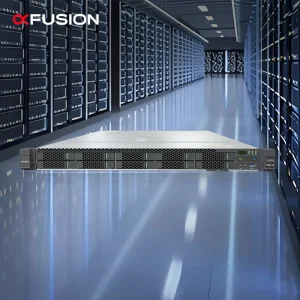
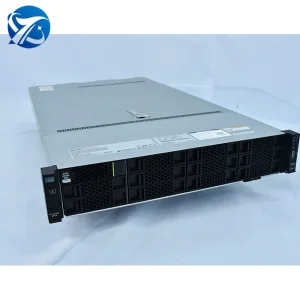
Local enterprises are moving away from monolithic, single-tenant legacy servers toward hyper-dense, agile rack ecosystems. Because real estate in the Bay Area is at a premium, local server storage units must maximize computing power per rack unit. High-density rack configurations, such as the xFusion FusionServer series, allow organizations to aggregate massive multi-socket computing nodes and high-speed NVMe storage drives into compact 1U, 2U, or 4U rack heights. These systems address the high thermal and energy constraints imposed by municipal grid regulations in Northern California while maintaining high performance.
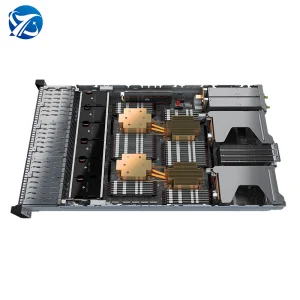
The xFusion FusionServer family utilizes architecture designed to resolve data bottlenecks in memory-intensive environments. Anchored by multi-socket configurations that support Intel® Xeon® Scalable processors, these servers enable high core counts, large cache capacities, and multi-channel DDR4/DDR5 ECC RAM modules. This technical foundation minimizes latency during large database queries, heavy containerized microservice deployments, and parallel hyperconverged virtualization.
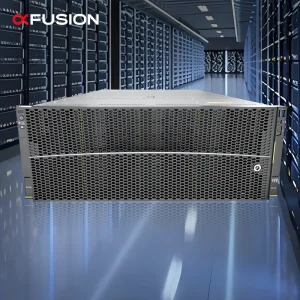
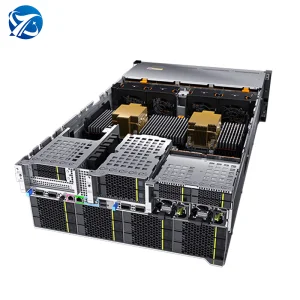
For storage-intensive operations, such as distributed file systems or NAS arrays in cloud infrastructures, the xFusion servers support up to 36 drive bays in a single 4U chassis (as seen in the 5288 V6 model). Equipped with SAS/SATA/NVMe controller interfaces and RAID cache controllers (such as the LSI 9540-8i or 9560-8i), they offer reliable data redundancy and quick read/write cycles. The implementation of PCIe Gen 4/5 expansion slots allows enterprises to integrate high-speed network interface cards (NICs), supporting 25GbE, 100GbE, or InfiniBand interfaces for low latency.
For IT directors and procurement managers overseeing global operations, hardware procurement goes beyond raw hardware specifications. It involves managing the Total Cost of Ownership (TCO), ensuring supply chain resilience, and minimizing hardware configuration downtime. With supply chains experiencing volatility, sourcing from established manufacturers who maintain deep relationships with key silicon and component suppliers is critical.
Operating high-density hardware requires efficient power management. Power usage in modern data centers accounts for a significant portion of operational expenses. xFusion servers address this with advanced energy-saving technologies like Dynamic Energy Management Technology (DEMT). This feature dynamically scales processor frequencies and fan speeds based on real-time load profiles. Consequently, average power draws decrease without compromising performance SLAs. The inclusion of high-efficiency Titanium/Platinum-grade hot-swappable power supplies ensures power conversion losses remain minimal, assisting firms in hitting corporate sustainability metrics.
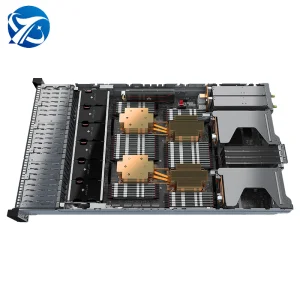
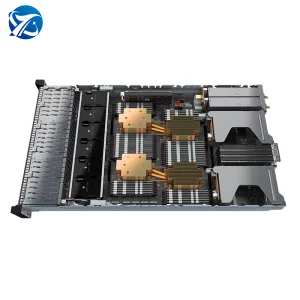
As central processing units (CPUs) and graphics processing units (GPUs) exceed thermal design envelopes of 350W to 500W per chip, traditional air cooling is reaching its physical limits. The future of enterprise server deployment lies in hybrid and direct-to-chip liquid cooling systems. The development roadmap for xFusion and custom NexaGPU architectures emphasizes the integration of liquid cold plates directly onto high-heat silicon targets. This transition reduces server fan power demands and supports higher computing densities within existing data centers.
Furthermore, upcoming hardware revisions focus on Compute Express Link (CXL) protocol compliance. This technology enables memory pooling between host processors, accelerator chips, and smart NICs. CXL integration minimizes memory-copy overheads, allowing virtualization engines to dynamically reallocate RAM pools to heavy workloads. Sourcing system units compatible with these standards helps future-proof your data center deployments against sudden tech shifts.
For over a decade, NexaGPU has engineered high-performance server configurations, enabling reliable computing networks globally.
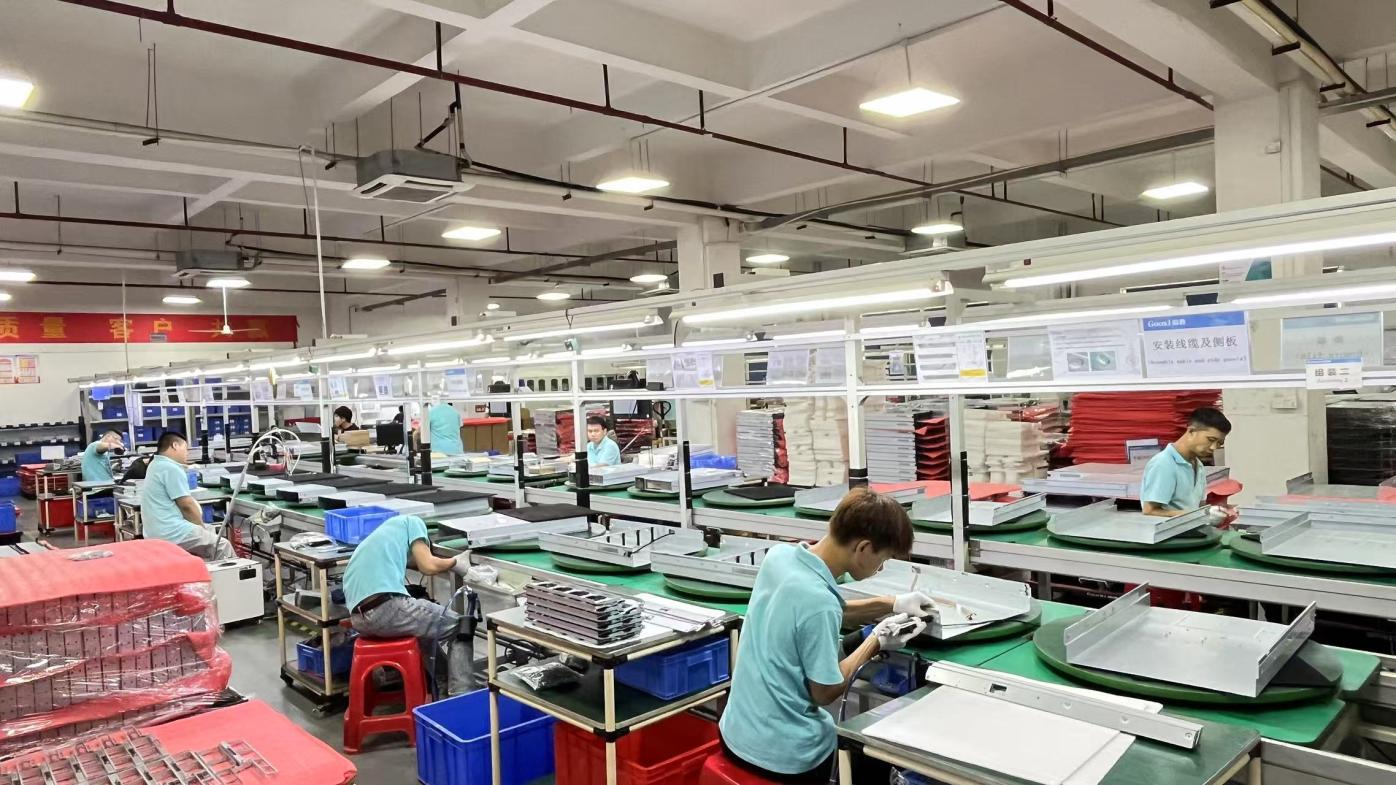
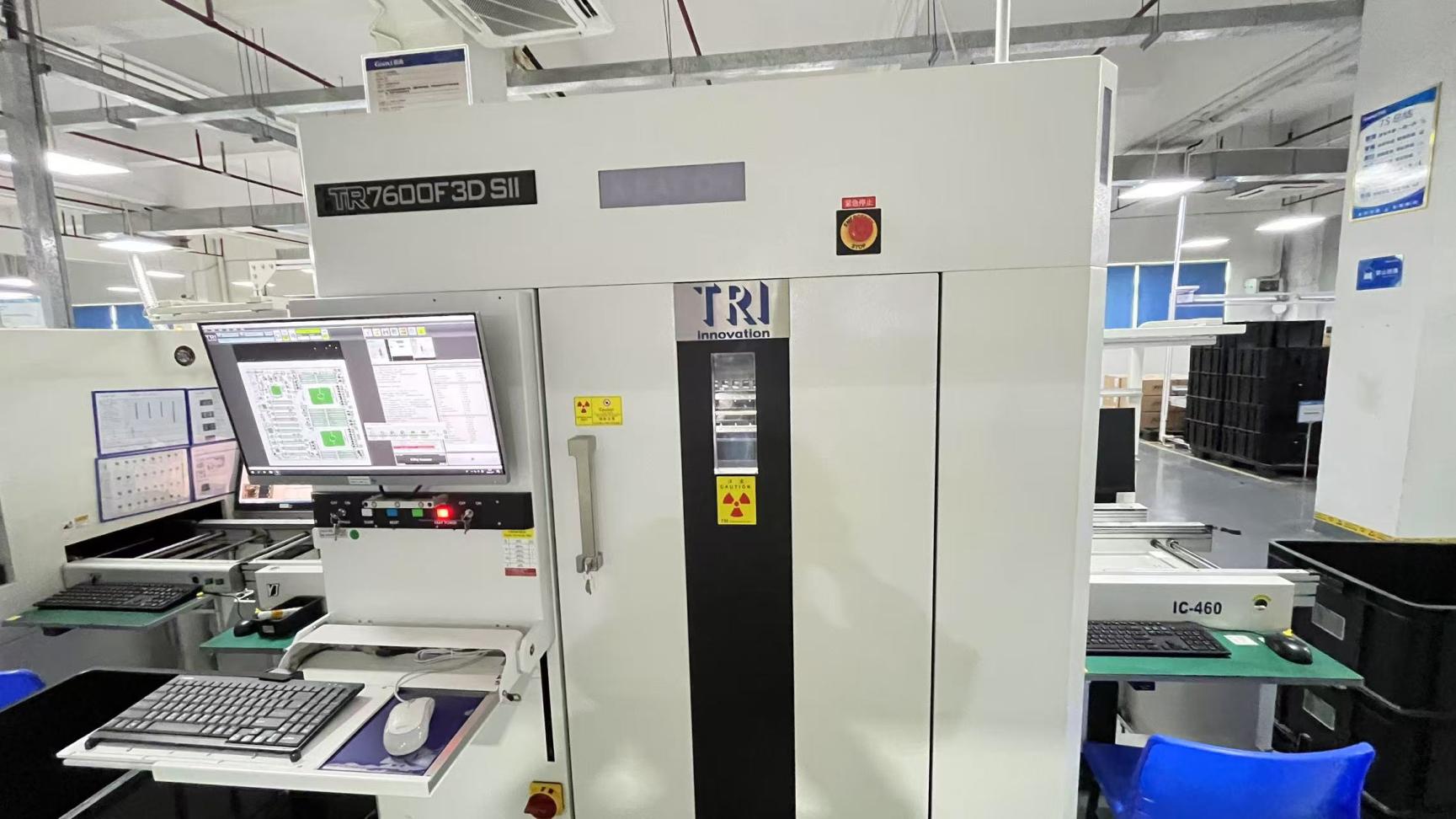
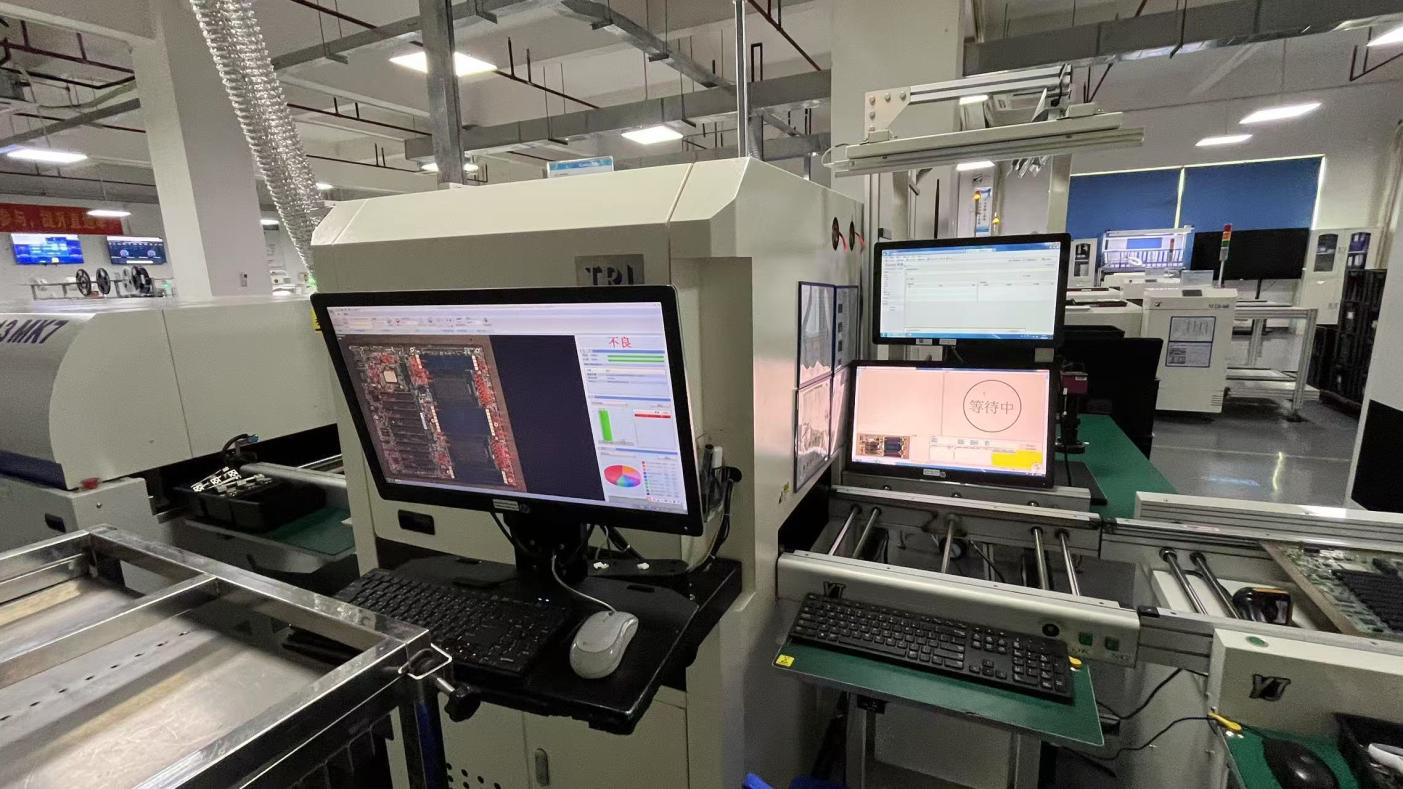
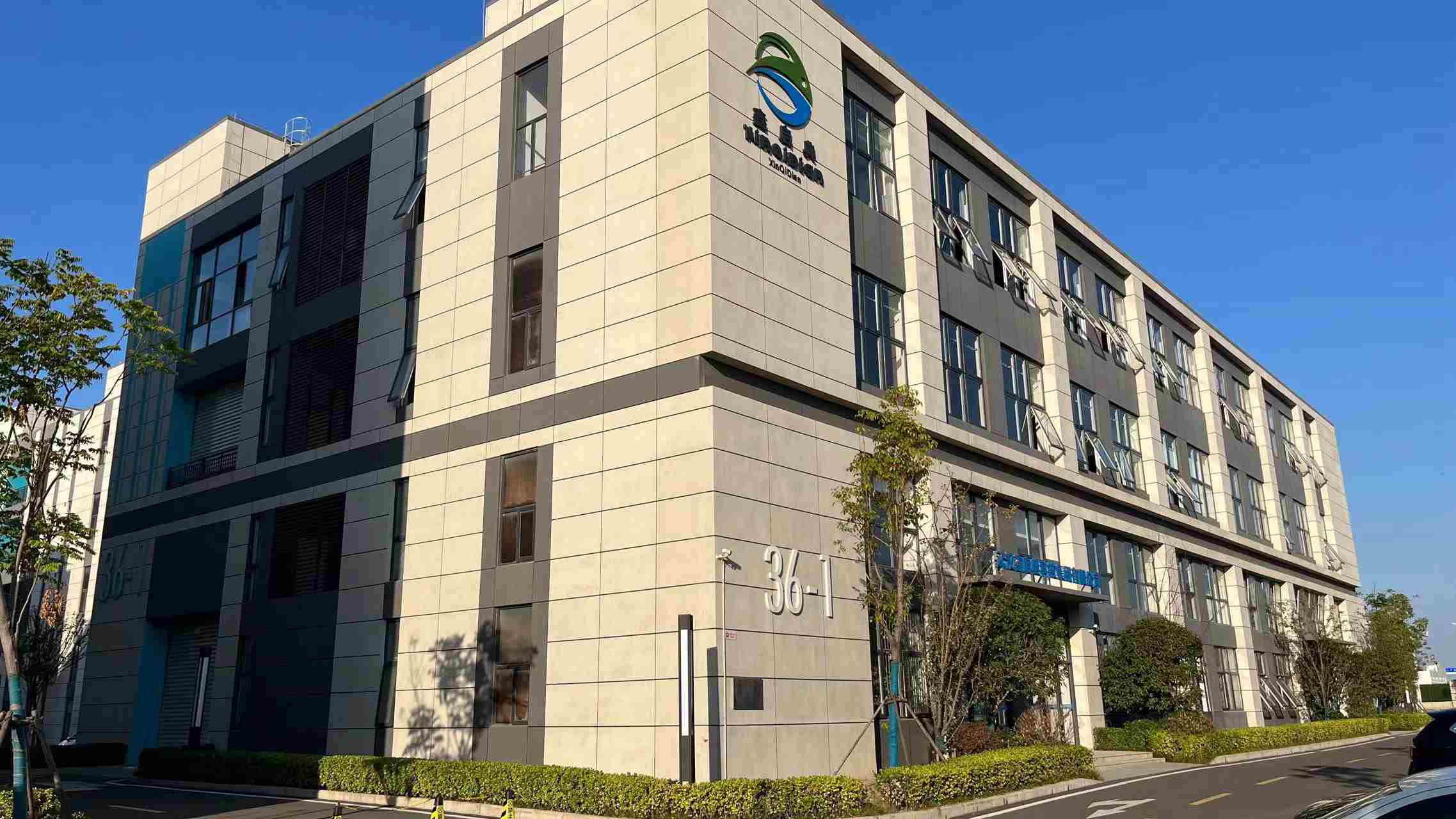
Procuring international server hardware requires compliance with local regulatory frameworks. For businesses located in San Francisco and the wider California market, all server imports must meet specific standards. These include Federal Communications Commission (FCC) Class A emissions parameters, Underwriters Laboratories (UL) safety ratings, and the Restriction of Hazardous Substances (RoHS) directives to align with state-level environmental codes. Sourcing from NexaGPU ensures that every export model complies with these requirements.
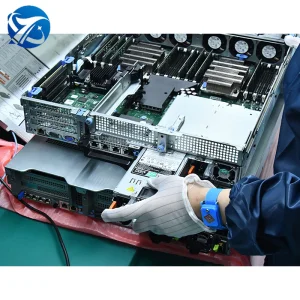
Furthermore, deployment success relies heavily on after-sales technical support. We provide localized SLA management, including fast shipments of replacement drives, fans, and power supply units. Advanced out-of-band management protocols, such as IPMI 2.0 and Redfish API integrations, allow remote IT administrative teams to perform bare-metal resets, update system BIOS files, and monitor drive thermals without requiring physical access.
| Server Model Series | Optimal Bay Area Use Case | Form Factor | Storage Scalability Limits | Thermal Profiles |
|---|---|---|---|---|
| FusionServer 1288H V6 | Edge Compute & Trading Systems | 1U Rackmount | Up to 8 x 2.5" Drive Bays | Smart Air-Fan Arrays (DEMT) |
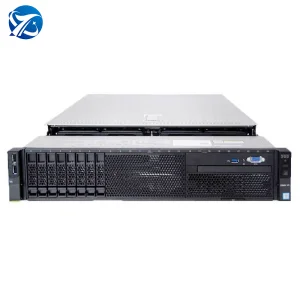
| FusionServer 2288H V6 | Enterprise VMs & Databases | 2U Dual-Socket | Up to 25 x 2.5" or 12 x 3.5" Bays | Dual Hot-Swap Power System |
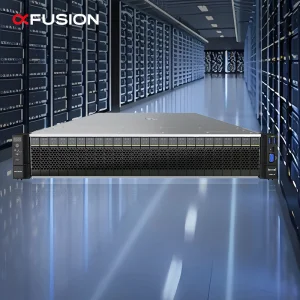
| FusionServer 2488H V6 | High-Density AI Inference | 2U Quad-Socket | Up to 25 x 2.5" SSD Storage Bays | Redundant Cooling, Low-PUE |
| FusionServer 5288 V6 | Large Datastores & Backup Archives | 4U Dual-Socket | Up to 36 x 3.5" Deep Storage Bays | Dynamic Thermal Zone Allocation |
Answers to key questions concerning architecture, custom setups, and logistics for the Bay Area market.
Browse the complete list of system nodes available for immediate export and customization to the San Francisco region.