NexaGPU
NexaGPU
NexaGPU
Premium ECC Registered DRAM optimized for Swiss Financial Infrastructure and Advanced AI Computations
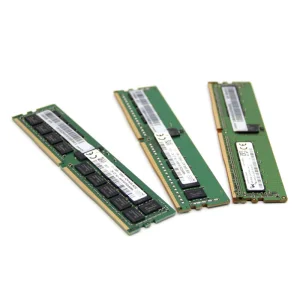
As a global pillar of digital governance, financial confidentiality, and scientific innovation, Switzerland has built one of Europe’s most dense, sophisticated, and securely operated data center networks. Concentrated heavily around Zurich, Geneva, and the Bernese Alps (utilizing former military bunkers for hyper-secure offline storage), Swiss data centers host international enterprise systems that require strict adherence to Switzerland's Federal Act on Data Protection (FADP) and General Data Protection Regulations (GDPR). In these contexts, system stability is not merely a technical performance parameter; it is a legal and structural mandate.
Server RAM acts as the front line of system reliability. Within Swiss high-frequency trading (HFT) firms, pharmaceutical laboratories in Basel, and quantum-scale computing networks like CERN in Geneva, memory corruption is unacceptable. The deployment of advanced Error-Correcting Code (ECC) modules is standard practice. These modules detect and correct single-bit memory errors on-the-fly, preventing silent data corruption (SDC) and subsequent system crashes.
"In high-density Swiss architectures, a single minute of unexpected downtime due to memory failure can cost financial institutions upwards of CHF 100,000. For this reason, Tier-1 system architects rely exclusively on factory-validated, ECC-registered RAM."
The macro server memory landscape is characterized by the ongoing transition from DDR4 to DDR5. While DDR5 introduces higher base bandwidth and lower operating voltages (1.1V compared to DDR4’s 1.2V), DDR4 remains highly critical for legacy systems, enterprise compute racks, and applications prioritizing cost-to-performance efficiency. Modern server setups balance both technical generations.
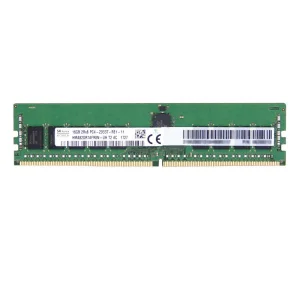
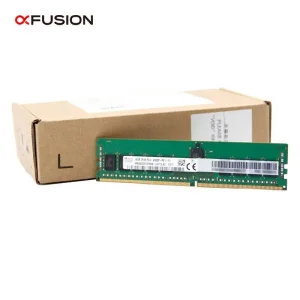
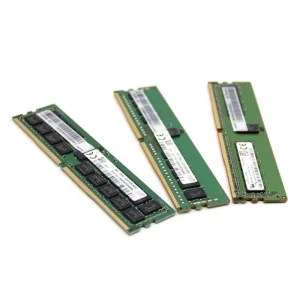
In typical cloud server configurations, the choice of memory ranking—Single Rank (1R), Dual Rank (2R), or Quad Rank (4R)—affects how the memory controller communicates with the DRAM chips. RDIMM (Registered DIMM) utilizes a hardware register that buffers control signals (but not data) between the memory controller and the DRAM chips, easing the electrical load on the system and allowing for higher density per channel. NexaGPU’s production protocols prioritize the manufacturing and rigorous testing of multi-rank DDR4 and DDR5 RDIMMs, utilizing top-tier DRAM components to sustain maximum throughput at low latencies (such as 0.625ns timing for 3200MHz DDR4 arrays).
| Memory Specification | DDR4 Enterprise Standard | DDR5 Next-Gen Standard | Swiss Industry Application |
|---|---|---|---|
| Operating Voltage | 1.2V (Low Power available at 1.1V) | 1.1V (On-DIMM PMIC regulation) | Green Alpine Data Center Efficiency |
| Error Correction | Sideband ECC (via Memory Controller) | On-Die ECC + Sideband ECC | Ultra-Secure FinTech Ledger Integrity |
| Pin Configuration | 288-pin DIMM layout | 288-pin (Optimized Channel Design) | High-Density 1U/2U Blade Deployments |
| Standard Speeds | 2666 MHz - 3200 MHz | 4800 MHz - 6400+ MHz | Scientific Big Data Analytics (Geneva) |
| Channel Architecture | 1x 64-bit Wide Bus | 2x 32-bit Subchannels | Parallelized AI Inference Clustering |
Global server RAM manufacturing relies on highly centralized semiconductor fabrication plants (Foundries) that supply silicon wafers, which are then packaged and assembled onto printed circuit boards (PCBs) by specialized factories. For Swiss enterprises, procuring these modules involves navigating complex supply chain channels. Factors such as geopolitical trade shifts, component shortages, and shipping compliance standards heavily impact delivery times and hardware integrity.
By partnering with dedicated RAM assembly factories, NexaGPU mitigates these supply chain risks. We maintain close collaborations with over 850 industry partners, ensuring a steady supply of premium DRAM dies. From initial SMT (Surface Mount Technology) assembly to final packaging, every component undergoes multi-stage inspections. This direct-from-factory structure enables Swiss customers to bypass intermediary markups, shorten procurement cycles, and receive fully verified modules customized to their specific system builds.
Hardware imports into Switzerland must comply with stringent regulatory frameworks. All server components supplied to Swiss data centers must meet the European Union's CE directives, RoHS (Restriction of Hazardous Substances) criteria, and Swiss Federal Environmental Regulations. Additionally, physical and hardware-level cybersecurity features are increasingly scrutinized. Memory modules must not contain undocumented firmware alterations or unauthorized hardware loops.
To address these requirements, NexaGPU ensures that every memory module shipped to Switzerland includes comprehensive certificate declarations and trace documentation. Our 45 QC specialists supervise hardware testing, applying extreme temperature stress tests, high-frequency signal validation, and prolonged duty cycle simulations to verify that modules perform reliably under extreme conditions.
The Swiss technological ecosystem demands customized hardware configurations based on region and industry sector. In Zurich, Switzerland's financial capital, trading desks deploy custom high-frequency algorithms where nanosecond latencies dictate profitability. The integration of 0.625ns timing DDR4 or low-latency DDR5 modules into bare-metal servers allows local trading infrastructures to sustain fast transaction executions.
In Geneva and surrounding research regions, memory-intensive scientific simulations process terabytes of raw particle collision data. These environments require high-density, multi-socket servers populated with high-capacity RDIMMs. Meanwhile, the biotechnology hub in Basel relies on server clusters featuring large pools of unified memory to construct real-time molecular modeling systems, accelerating complex pharmaceutical discoveries.
Finally, the emergence of the "Crypto Valley" in Zug has driven the need for resilient distributed ledgers and blockchain validators. These distributed nodes must maintain 24/7 uptime under variable network conditions. Outfitting validator servers with high-grade, heat-resistant, factory-validated RAM ensures that local nodes remain synchronized with global decentralized networks.
Looking forward, server architectures are shifting toward wider bandwidth, lower energy profiles, and unified interconnect fabrics. Key developments to watch include:
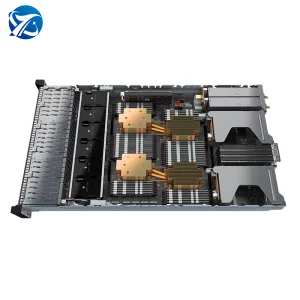
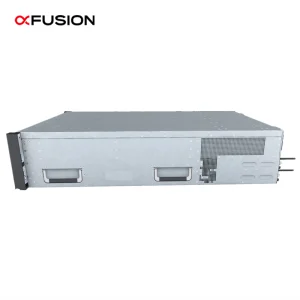
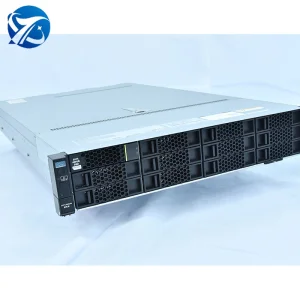
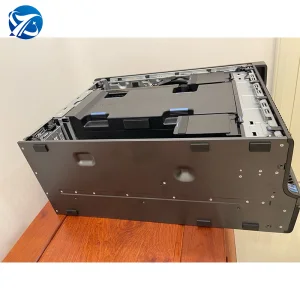
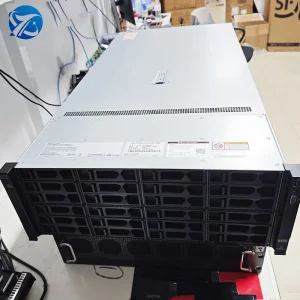
High-reliability rack servers and infrastructure hardware compatible with Swiss corporate environments
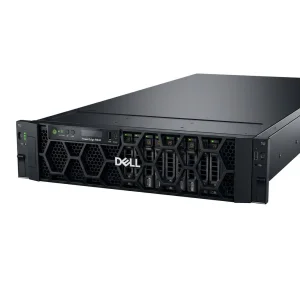
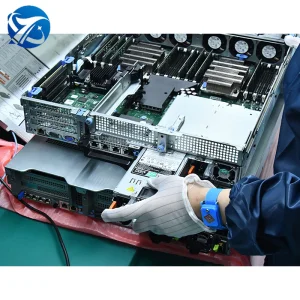
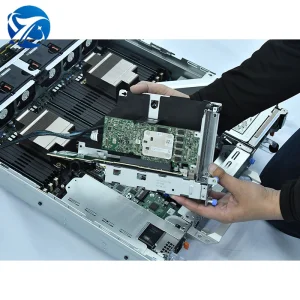
NexaGPU is an established manufacturer specializing in high-performance computing infrastructure, custom server architecture, and GPU compute clusters for enterprise networks, private clouds, and research organizations.
Founded in 2016, NexaGPU manages a dedicated fabrication and testing environment, supporting efficient hardware deployment, assembly, and testing of complex AI systems.
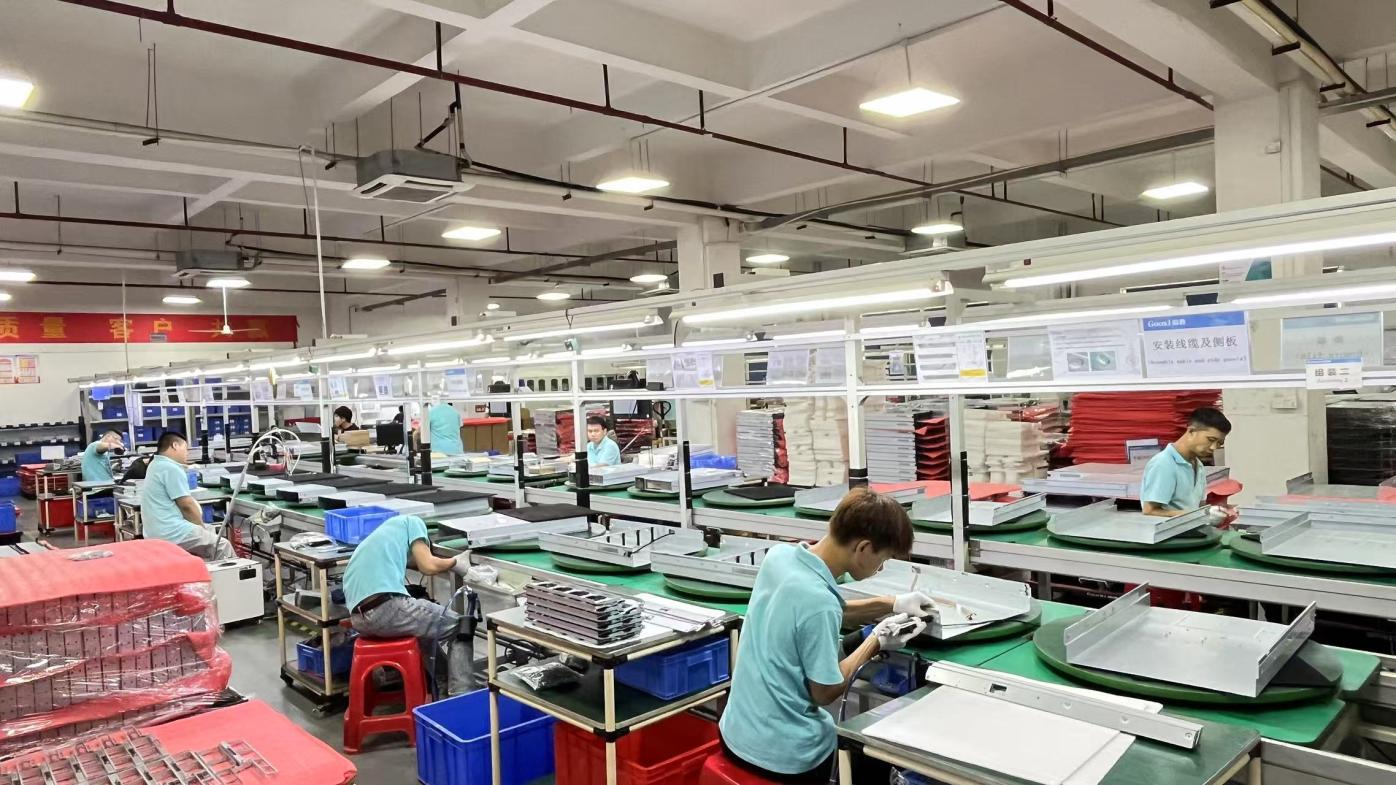

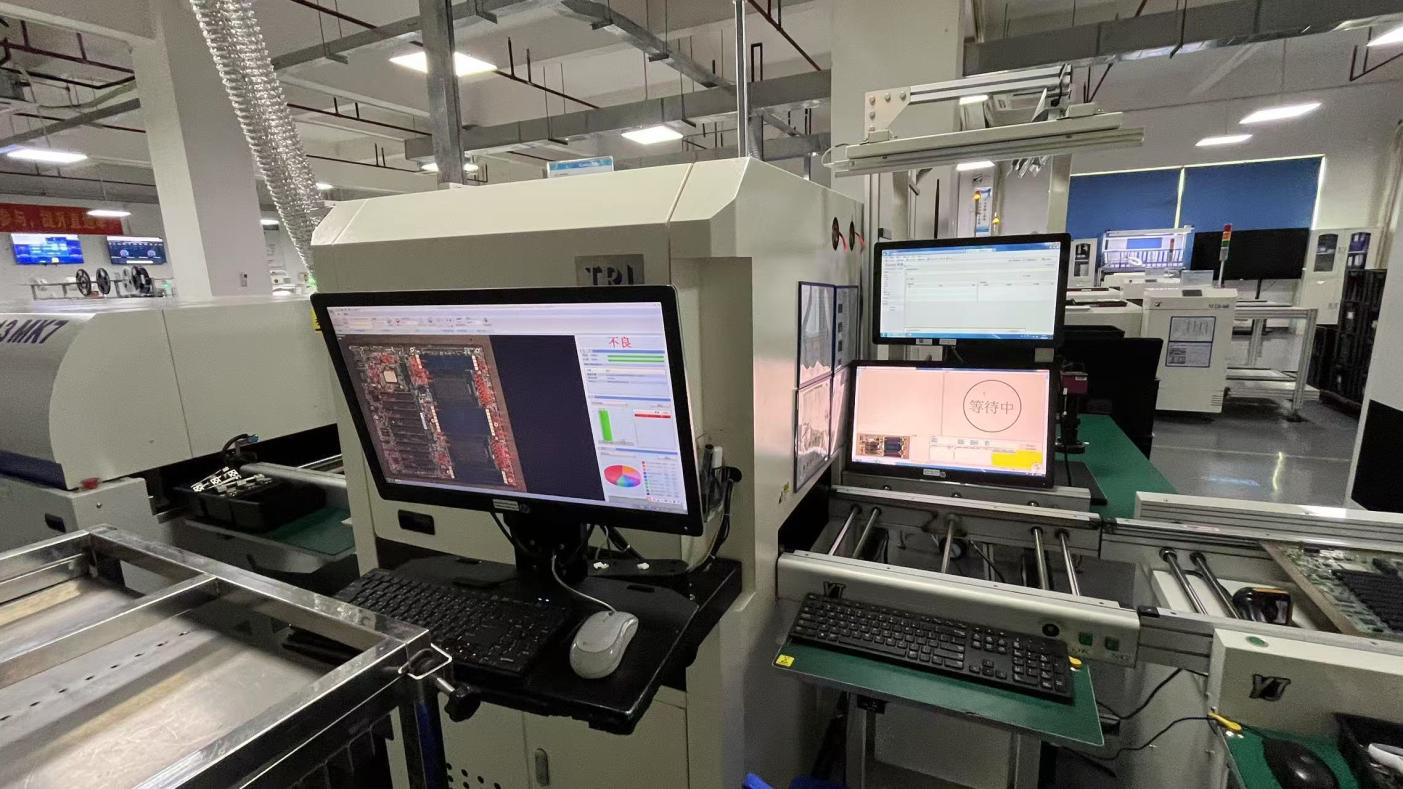
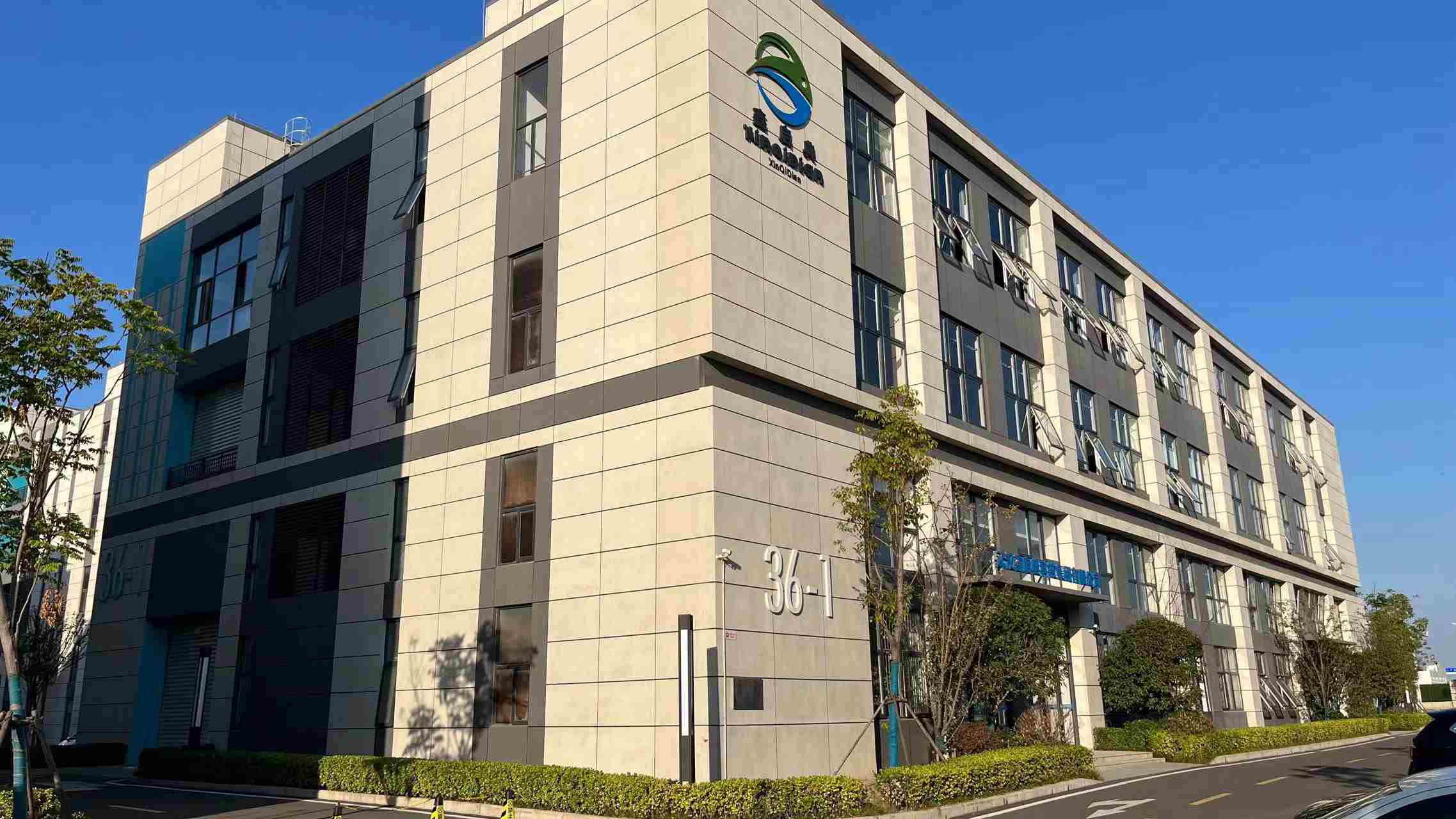
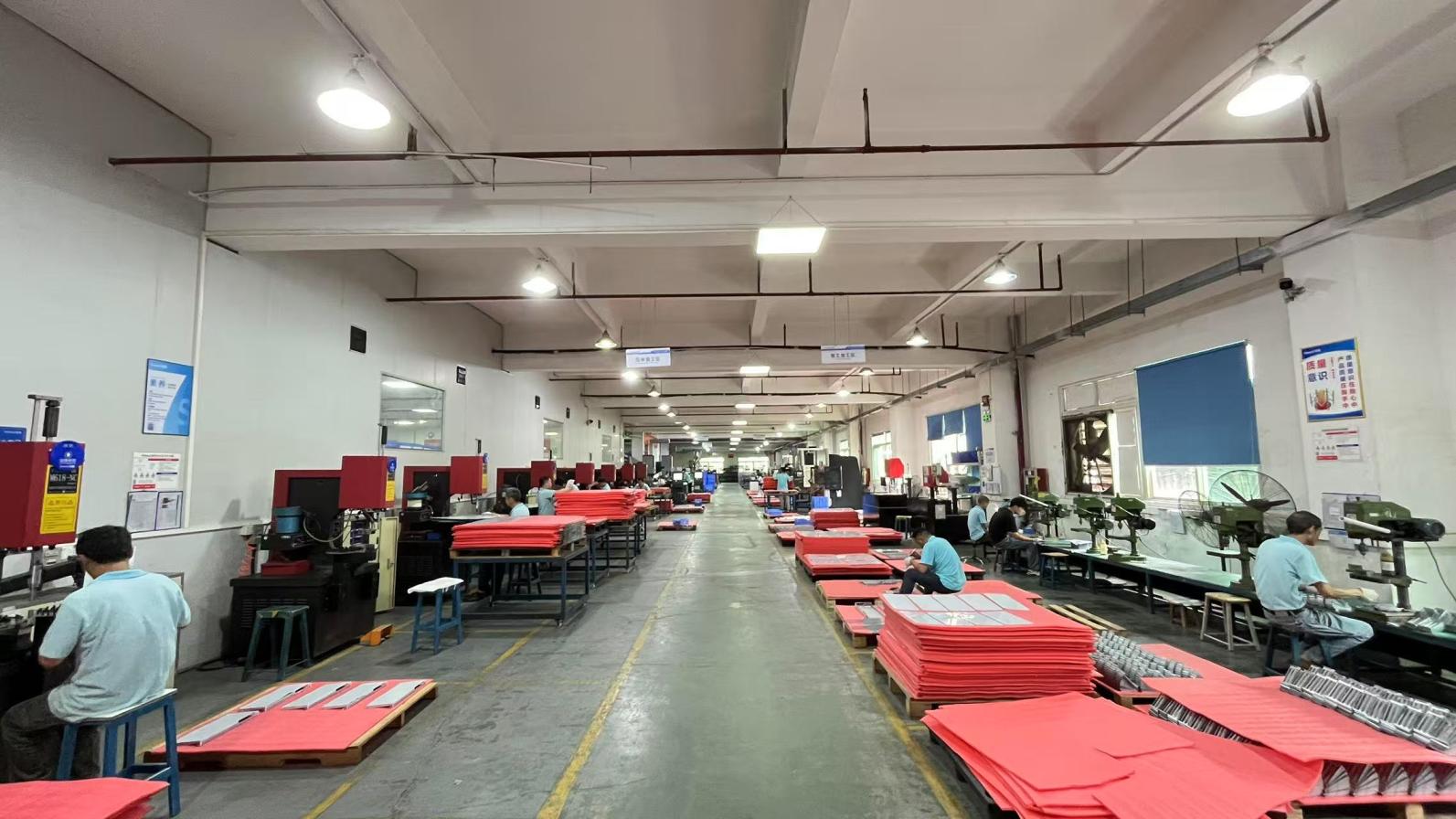
Get in touch with our engineering team for specialized volume quotes, custom rank configurations, and rapid delivery programs for Swiss data centers.
Send Inquiry NowExpert clarifications regarding memory architecture, validation processes, and Swiss delivery logistics
RDIMMs (Registered DIMMs) utilize a hardware register to buffer the address and command signals between the memory controller and the DRAM chips, reducing electrical loading. LRDIMMs (Load Reduced DIMMs) extend this buffering to include data lines, swapping physical ranks for virtual ones. For systems running dense memory configurations (e.g., above 512GB per node), LRDIMMs support larger capacities, while RDIMMs offer lower latency at standard densities.
Our 45 QC specialists implement a multi-stage validation process. This includes long-term high-temperature stress tests, hardware diagnostics, and simulation runs on target server motherboards. This helps ensure each module maintains signal integrity and consistent operation under peak data center workloads.
Yes. Our R&D team can customize EEPROM parameters to match the timing and compatibility requirements of specific enterprise motherboards (e.g., custom BIOS environments used in high-frequency trading platforms).
All shipments to Switzerland include standard customs paperwork, Swiss VAT declarations, and CE/RoHS compliance certificates. We work with established carriers to ensure efficient delivery through Swiss customs entry points, minimizing lead times.
No. DDR4 and DDR5 utilize different physical pin configurations (both are 288-pin but have different key notches) and operating voltages (1.2V vs 1.1V). Additionally, their internal communication protocols are distinct, meaning motherboards must be designed specifically for one memory generation.