NexaGPU
NexaGPU
NexaGPU
High-performance AI, CPU & Rackmount Storage systems designed for fault-tolerant enterprise backup architectures
A Whitepaper on Redundant Computing, Data Resiliency, and AI-Driven Validation Networks
In the modern digital economy, data is the lifeblood of B2B enterprises. As data scales exponentially, standard backup solutions fall short. True resilience requires robust, hardware-accelerated remote backup solutions built to withstand ransomware, localized power grid failures, and hardware degradation. Enterprises are shifting from simple tape storage to active, multi-region architectures that process, deduplicate, and validate backups at the hardware layer using AI-optimized systems.
This industry analysis highlights how next-generation remote backup architectures rely on advanced GPU and high-core-count CPU platforms. These architectures enable rapid recovery point objectives (RPO) and minimize recovery time objectives (RTO). We examine hardware configurations, the strengths of China-based manufacturing hubs, and the deployment of hybrid network attached storage (NAS) models globally.
Hardware-level encryption keys, TPM modules, and immutable backups secure cold storage systems against unauthorized administrative overrides.
Leveraging deep learning infrastructure, systems analyze backup consistency in real time, detecting anomalies and silent bit rot before disaster strikes.
Instant failover setups utilize high-speed SSD cache tiers alongside massive SAS storage pools to maximize both speed and capacity.
A trusted manufacturer of AI compute clusters, GPU systems, and customized hardware infrastructure
NexaGPU is a professional AI GPU server manufacturer and supplier specializing in high-performance computing infrastructure, GPU clusters, and customized AI server solutions for global enterprises, data centers, and AI development companies.
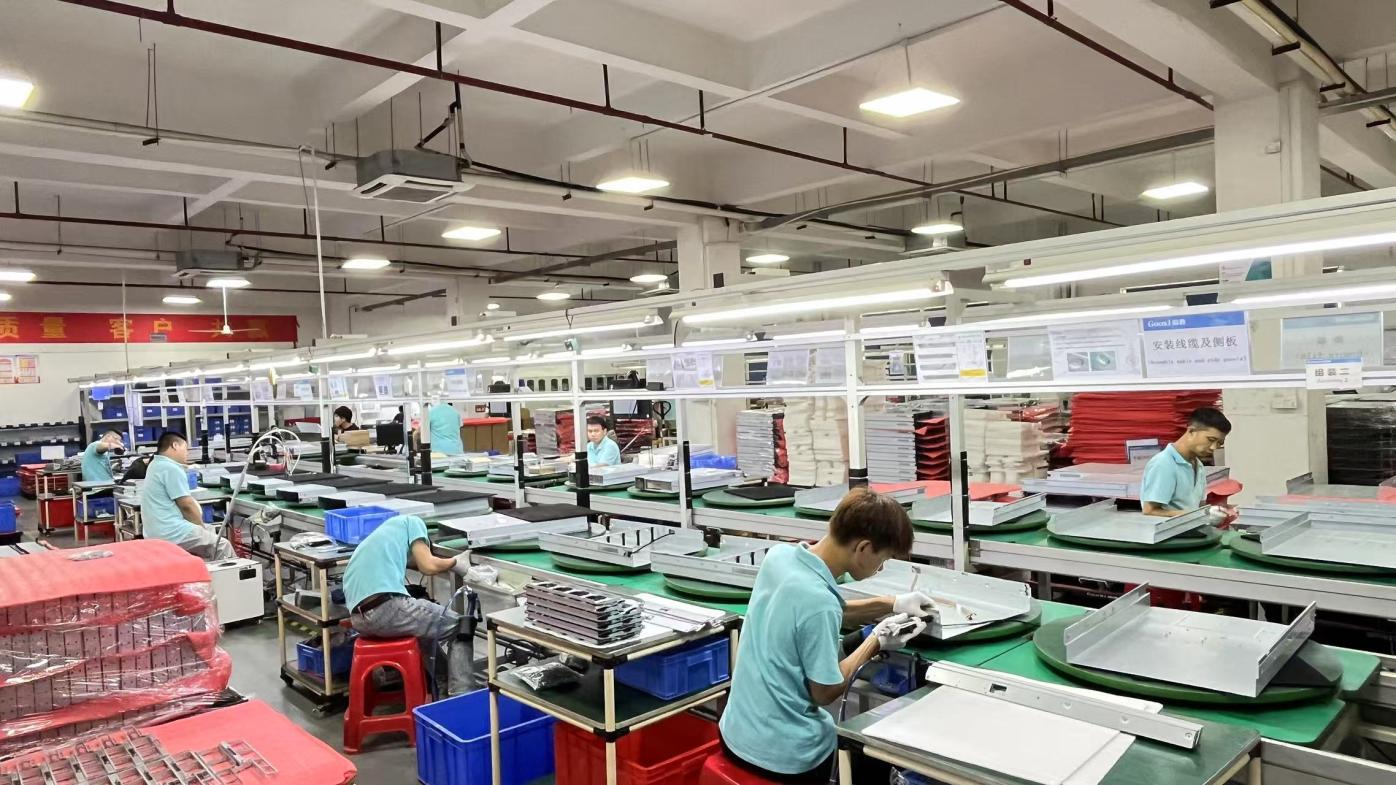
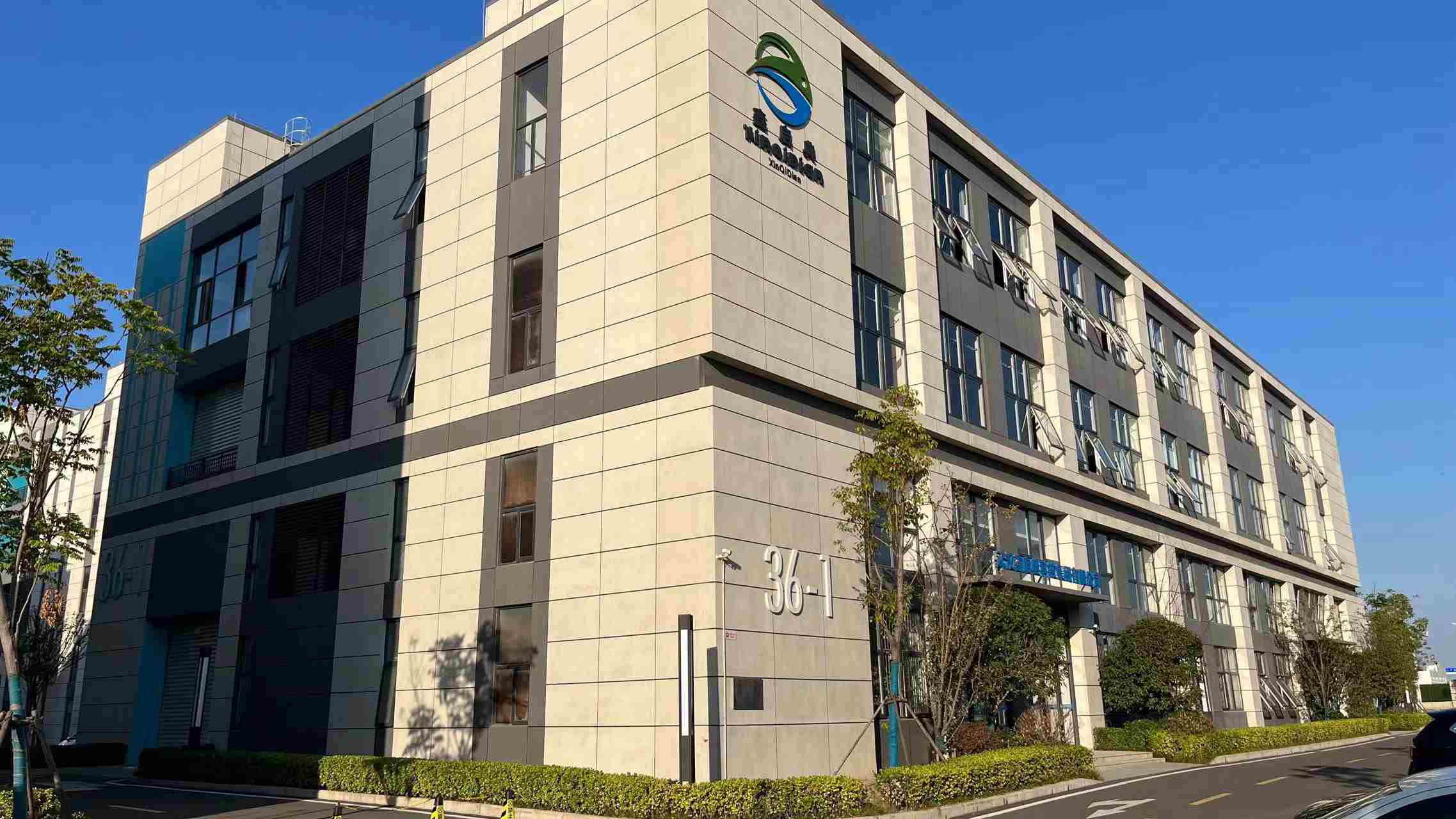
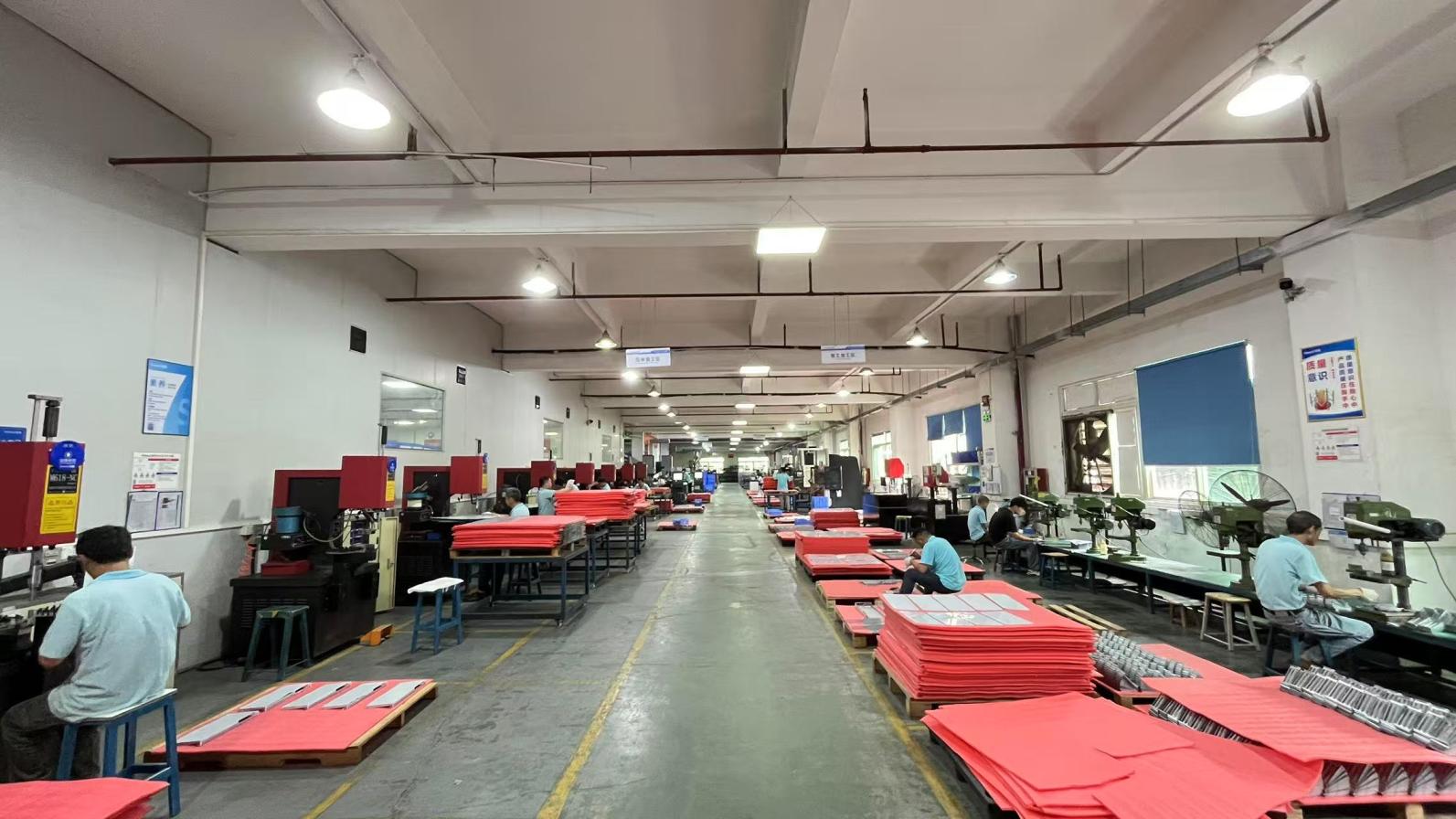
Established in 2016, NexaGPU has rapidly grown into a trusted provider of advanced GPU computing systems. The company operates a modern manufacturing facility with a building area of approximately 320㎡, supporting efficient production, assembly, and testing of AI server systems. With an annual export revenue of USD 12 million, NexaGPU has built strong international business capabilities and maintains 6 years of export experience and 11 years of industry experience in high-performance computing and server manufacturing.
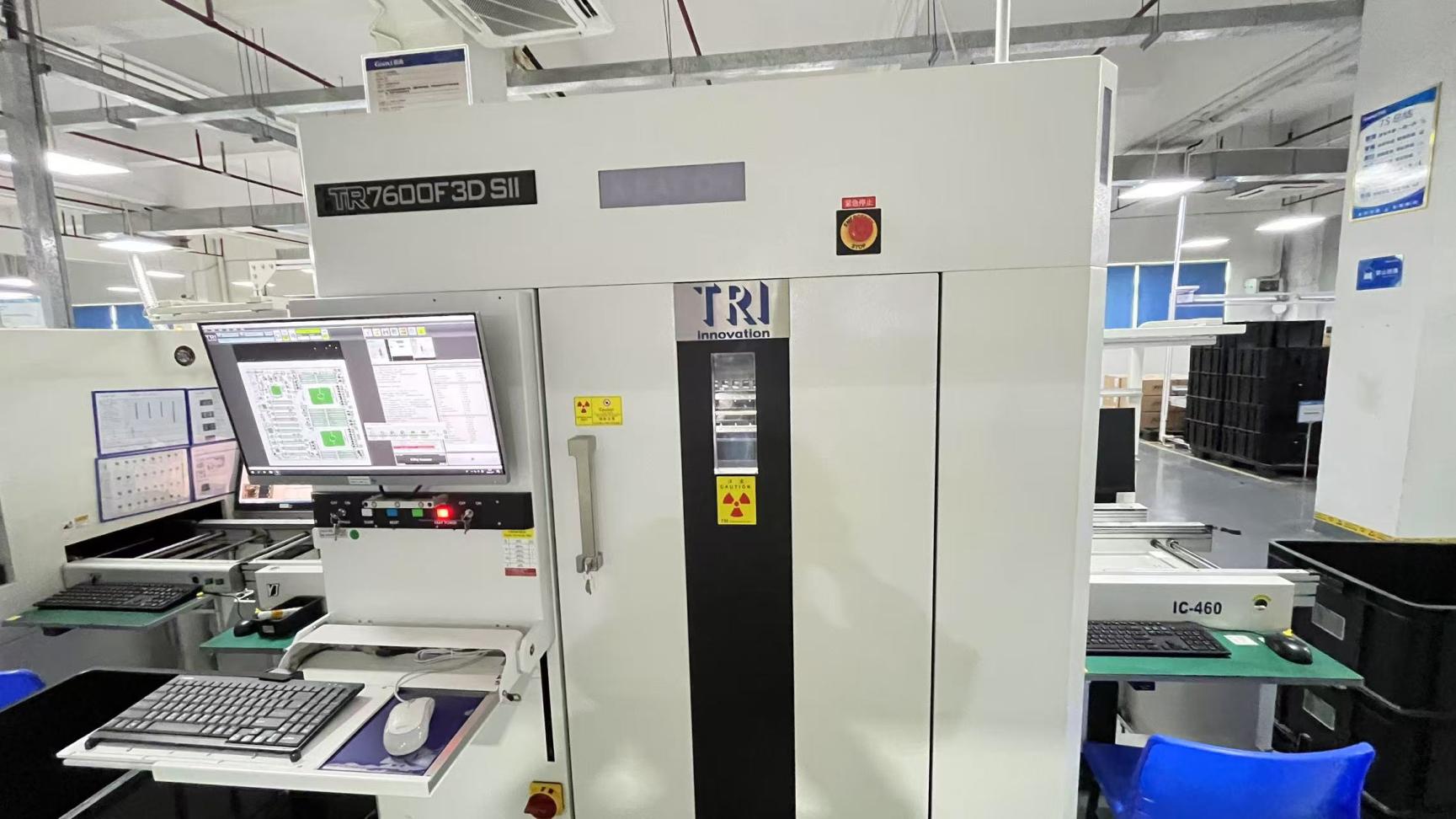
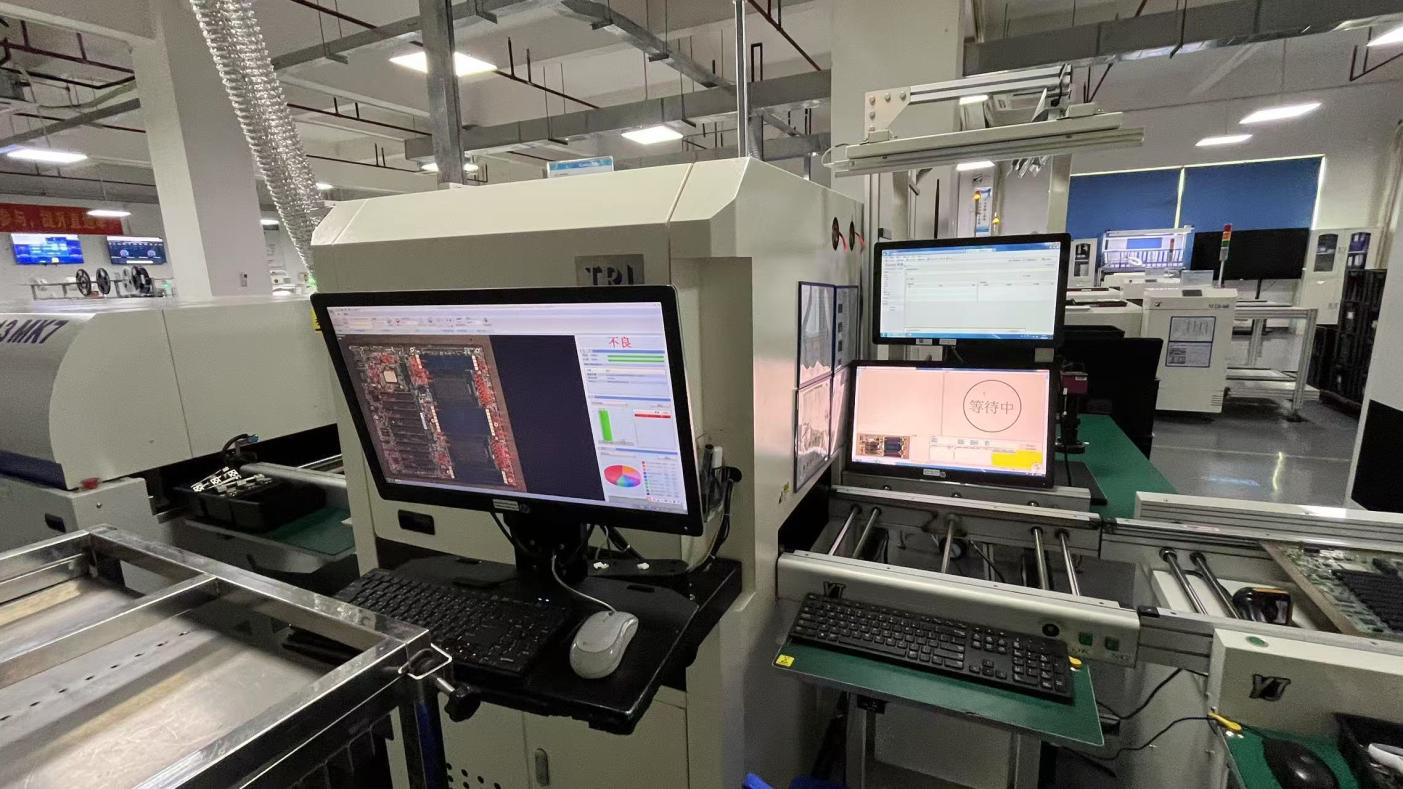
To ensure strict product quality, NexaGPU implements comprehensive multi-stage inspection processes, including hardware stress testing, thermal performance testing, and system stability validation. The company employs a dedicated quality assurance team of 45 QC specialists to maintain consistent product reliability. NexaGPU has a solid trade background in global B2B technology supply chains, with major markets including North America, Europe, Southeast Asia, and the Middle East. The company works closely with over 850 supply chain partners, including GPU chip suppliers, motherboard manufacturers, server chassis factories, and cooling system providers.
Its main customer base includes AI startups, cloud computing providers, data centers, research institutions, and enterprise IT solution providers. NexaGPU demonstrates strong R&D capability, supported by a team of 120 R&D engineers focused on GPU architecture optimization, AI server design, and liquid cooling technology. The company offers extensive customization options including GPU configuration, CPU selection, memory expansion, storage architecture, and liquid cooling systems. In the past year, NexaGPU successfully launched 85 new product models, covering AI training servers, inference servers, and high-density GPU computing clusters. Through continuous innovation and engineering excellence, NexaGPU is committed to delivering scalable, efficient, and reliable AI computing infrastructure for the global artificial intelligence industry.
Why global enterprises source their backup hardware from China’s leading industrial zones
China is a major hub for server manufacturing and system integration. Global B2B buyers looking for high-performance servers, backup appliances, and custom rack systems benefit from China's localized electronics ecosystem in several key ways:
Direct integration with domestic semiconductor, motherboard, and cooling factories allows for rapid prototyping and deployment of tailored network attached storage (NAS) and storage area network (SAN) configurations.
From component stress testing to full load thermal mapping, systems are pre-validated to guarantee 99.999% uptime in remote disaster recovery centers.
Optimizing compute, storage, and networking interfaces for resilient data replication
Building a reliable remote backup architecture requires coordinating several key hardware components:
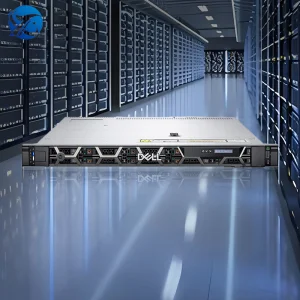
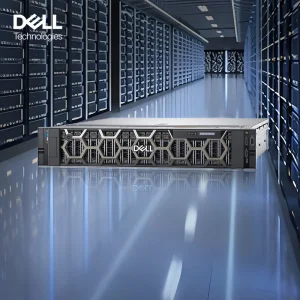
1. Compute Nodes and CPU Density: High-performance dual-socket Xeon and AMD EPYC servers handle large-scale data compression, deduplication, and encryption. These systems prevent network bottlenecks from stalling recovery workflows.
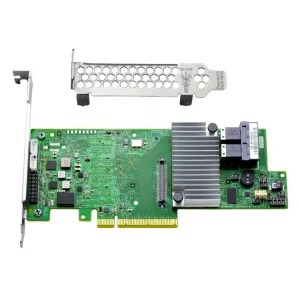
2. Storage Controllers and RAID Arrays: Advanced RAID controllers, such as the PCIe 4.0 9560-16i with 8GB cache, manage disk reads and writes. They protect against simultaneous drive failures while maintaining high write speeds during backup jobs.
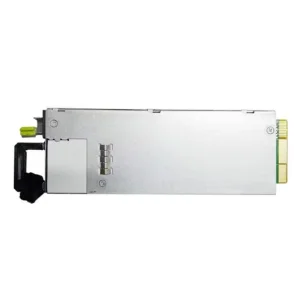
3. Power Supply Redundancy: Continuous uptime requires efficient power delivery. Using Platinum-certified hot-swap power units (900W, 1500W, or 2000W) protects servers from power spikes and hardware failures.
Enables hybrid deployments where local backup appliances replicate data to offsite private or public clouds using secure, encrypted links.
Combines multi-bay NVMe SSD slots with high-capacity enterprise SATA/SAS drives to build cost-effective, tiered backup storage.
Supports software-defined backup solutions (such as Veeam, Commvault, and Veritas) directly at the hardware layer for faster recovery.
How distinct industry sectors deploy high-performance storage to prevent data loss
Banks require continuous, low-latency backups across multiple locations. Using dual-socket rackmount servers with hardware RAID controllers ensures transaction logs are saved to remote backup servers immediately, protecting against system failures and keeping downtime to a minimum.
E-commerce platforms handle massive volumes of order data and customer profile updates. Remote backup setups use high-capacity SSD caches to log transactions without slowing down frontend performance. The system then replicates this data to secondary backup pools during off-peak hours.
Training large language models (LLMs) requires secure storage for raw training datasets and model weights. Custom GPU-accelerated storage servers back up these datasets to regional nodes, verifying data integrity using advanced hashing algorithms.
Healthcare providers must safeguard sensitive patient records. Redundant backup systems encrypt patient data at rest and in transit, storing copies in isolated environments to protect against ransomware attacks and ensure regulatory compliance.
Customization, integration, and supply chain logistics for B2B IT buyers
For IT directors and procurement managers, buying remote backup hardware involves evaluating more than just system specs. Sourcing servers requires aligning hardware capabilities with long-term business goals:
Developments shaping B2B data security and disaster recovery through 2025 and beyond
The enterprise backup industry is evolving rapidly, driven by new technologies that improve security, efficiency, and reliability:
1. Automated Security Validation: Future backup systems will use built-in security features to scan files for threats during ingestion. This stops corrupted files from being saved and helps prevent ransomware from spreading to backup pools.
2. High-Efficiency Liquid Cooling: As storage and compute density increases, data centers are adopting liquid cooling systems. These systems use less power and run more quietly than traditional fan-based setups.
3. Smart Resource Management: Modern backup software uses machine learning to schedule data transfers during low-bandwidth times, optimizing network usage and lowering data transmission costs.
Key technical queries resolved by our senior systems engineering team
A: PCIe 4.0 RAID controllers, like the 9560-16i, provide high data throughput and include cache offload capabilities. This ensures rapid data writes to storage arrays, minimizing backup windows and helping maintain low RTOs during recovery tasks.
A: Our systems use standard x86 and GPU architectures, making them compatible with major software-defined backup suites. They support fast integration with existing platforms, allowing IT managers to manage remote backup tasks from a single dashboard.
A: Redundant power supplies (like Platinum 900W, 1500W, or 2000W models) ensure the server stays online if a power source fails. This prevents data corruption during active backup writes and guarantees high system availability.
A: Yes. We offer flexible customization options, allowing clients to select CPU types, GPU accelerators, RAM capacities, and storage drive layouts. This helps tailor the hardware to match exact business needs.
A: Every server undergoes testing by our QC team, including stress testing components under load, verifying thermal levels, and running firmware checks. This process ensures the hardware performs reliably when deployed in the field.
A: We work with established logistics partners to handle shipping, customs clearance, and delivery to major regions worldwide, ensuring new hardware arrives safely and on time.
Inside NexaGPU's modern assembly, testing, and system validation center
Browse our full range of enterprise servers and hardware components