NexaGPU
NexaGPU
NexaGPU
Industrial-grade server cabinets, multi-socket CPUs, high-speed interconnects, and switches engineered for massive telemetry bandwidth and network packet broker integrations.
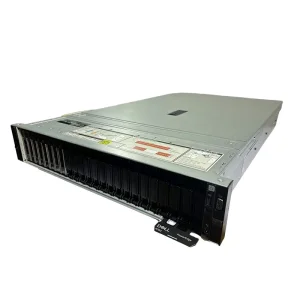
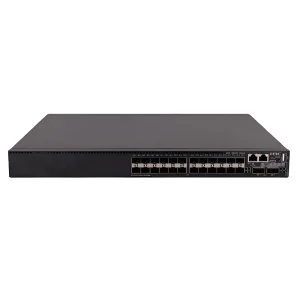
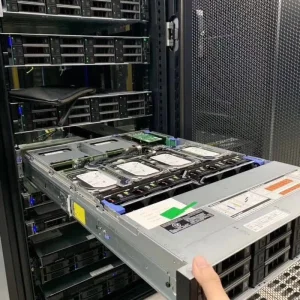
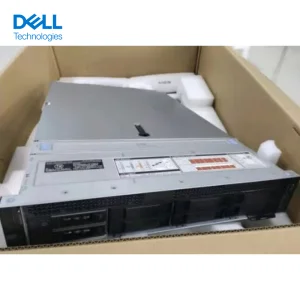
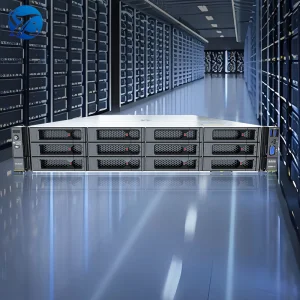
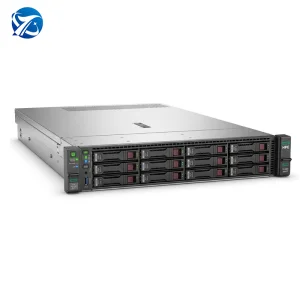
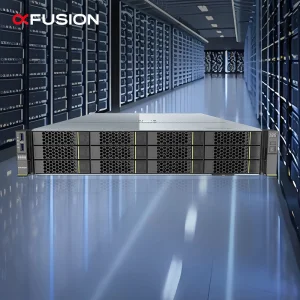
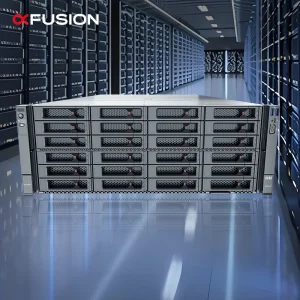
Modern enterprise networking has evolved past simple Simple Network Management Protocol (SNMP) pollers and static ping logs. Today's hyper-scale datacenters, cloud service providers, and distributed AI platforms demand continuous, high-fidelity insight into network traffic patterns, latency anomalies, packet loss, and performance bottlenecks. Achieving this level of visibility at line-rate speeds requires an integration of highly robust compute nodes, hardware-accelerated packet inspection, and resilient network switching fabrics. Without hardware layers that support multi-gigabit workloads, software-based network monitoring solutions struggle with packet drops and incomplete telemetry data.
At the center of this paradigm shift is the deployment of high-density hardware infrastructure. Deep packet inspection (DPI), real-time network flow profiling, and machine-learning-driven threat detection workloads demand significant compute and memory resources. System architectures built on processors like Intel Xeon Scalable and AMD EPYC platforms, housed within enterprise 1U and 2U rack servers, form the backbone of modern Network Performance Monitoring and Diagnostics (NPMD) infrastructures. These platforms ingest millions of telemetry events per second, processing unstructured package headers to provide network engineers with actionable, real-time insights.
Relying solely on software virtual appliances for packet collection at speeds above 10Gbps often leads to high CPU overhead and packet loss. Modern architectures combine dedicated SmartNICs, optical network taps, high-density switching systems like the H3C S6520X-30QC-EI, and high-performance server processors to offload and accelerate network flow analysis, ensuring zero packet drops during high-volume spikes.
Providing scalable, robust compute, networking, and storage components to power the next generation of global network telemetry and AI infrastructure.
Modern enterprise networks rely on a combination of active probes, passive network taps, and flow analysis protocols to maintain visibility. To build a robust hardware platform capable of running enterprise monitoring frameworks, infrastructure architects focus on four key hardware dimensions:
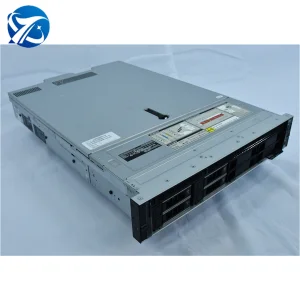
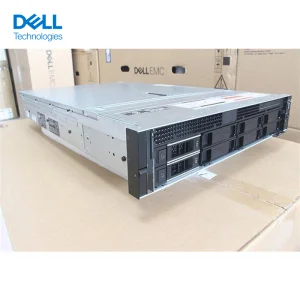
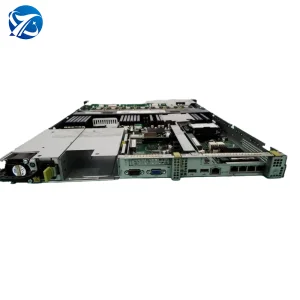
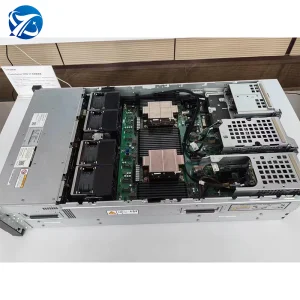
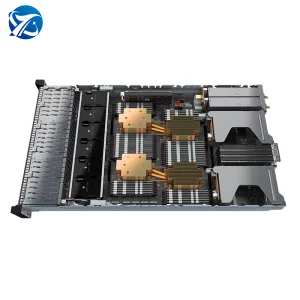
Processing millions of network flows and security packet signatures in real time demands high-frequency, multi-core CPU architectures. Dual-socket rack servers, such as the xFusion 2288H V7 and Dell PowerEdge R760, provide the processing density needed to execute deep packet inspection algorithms without dropping incoming telemetry frames.
Network switches form the core of any monitoring tap aggregation layer. Systems such as the H3C S6520X-30QC-EI, configured with 10G and 40G optical interfaces, allow network administrators to aggregate traffic from multiple top-of-rack (ToR) switches and mirror it to centralized packet capture and analysis devices.
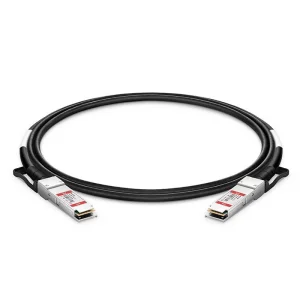
At high speeds, copper cabling suffers from attenuation and signal degradation. Deploying direct-attach copper (DAC) cabling solutions, such as QSFP+ 10G/40G high-speed cables, minimizes latency between switches and packet collectors, ensuring clean signal paths and error-free frame captures.
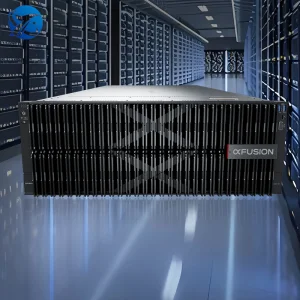
Furthermore, the integration of artificial intelligence models—such as anomaly detection frameworks trained on deep learning architectures—requires computing platforms that merge GPU power with traditional network servers. Systems like the **xFusion 2288H V5 AI DeepSeek NAS** server enable operators to execute neural-network-based traffic profiling directly on-premises, shifting threat detection from reactive signature matching to proactive machine learning inference.
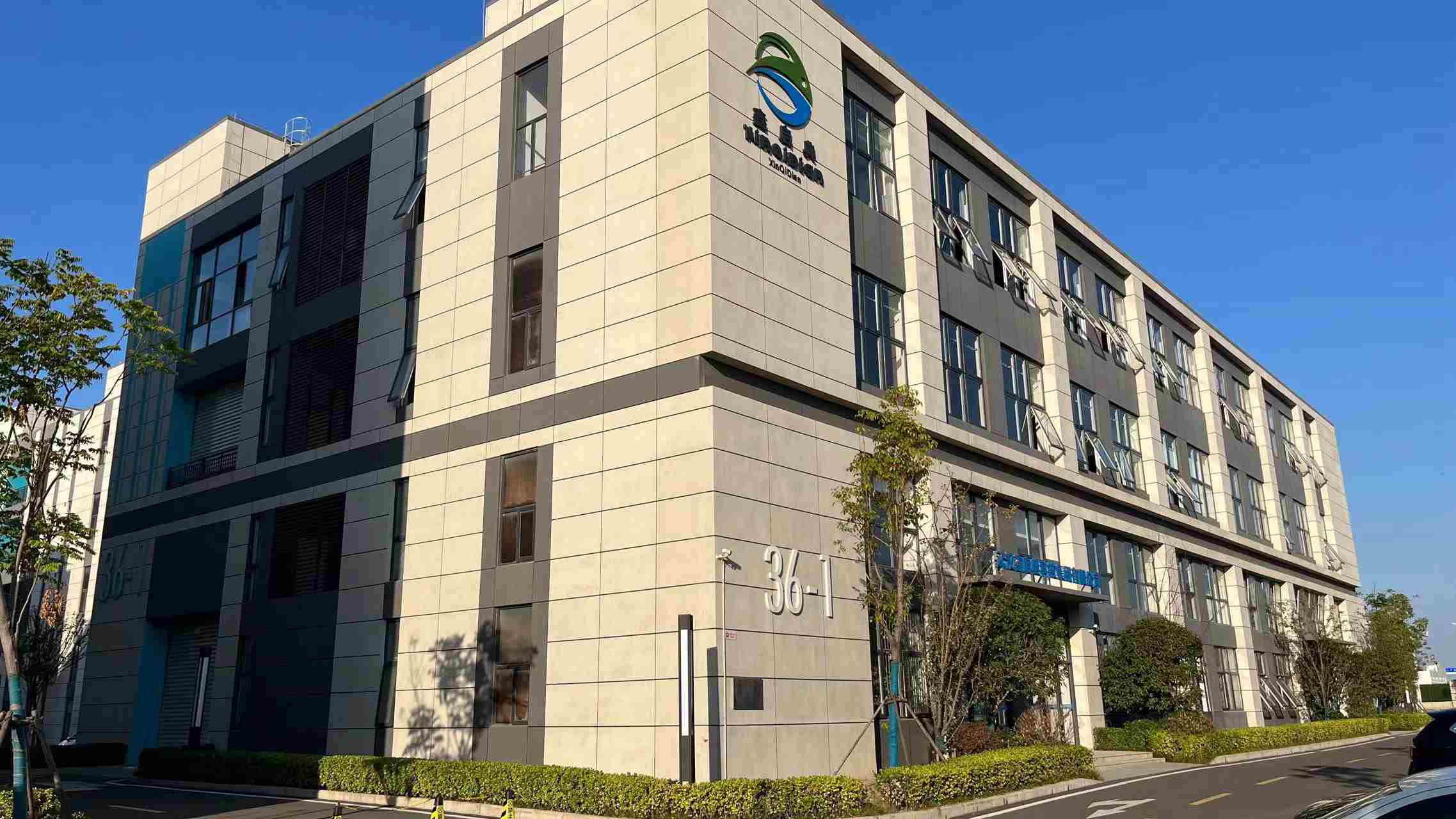
NexaGPU stands as a dedicated supplier and manufacturer of high-performance computing infrastructure, custom GPU cluster systems, and enterprise server solutions. Since 2016, our engineering teams have designed and built hardware designed to withstand the operational demands of modern enterprise computing and networking environments.
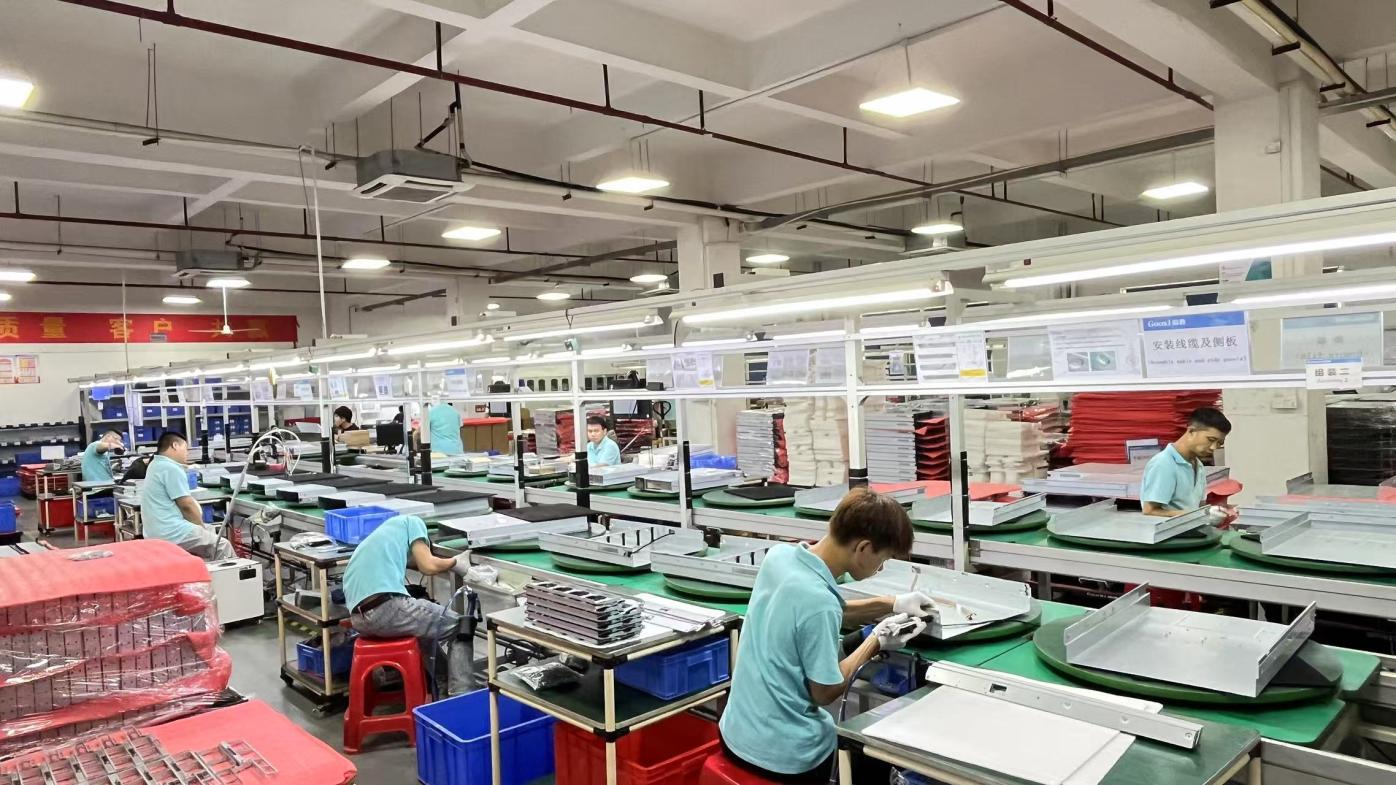
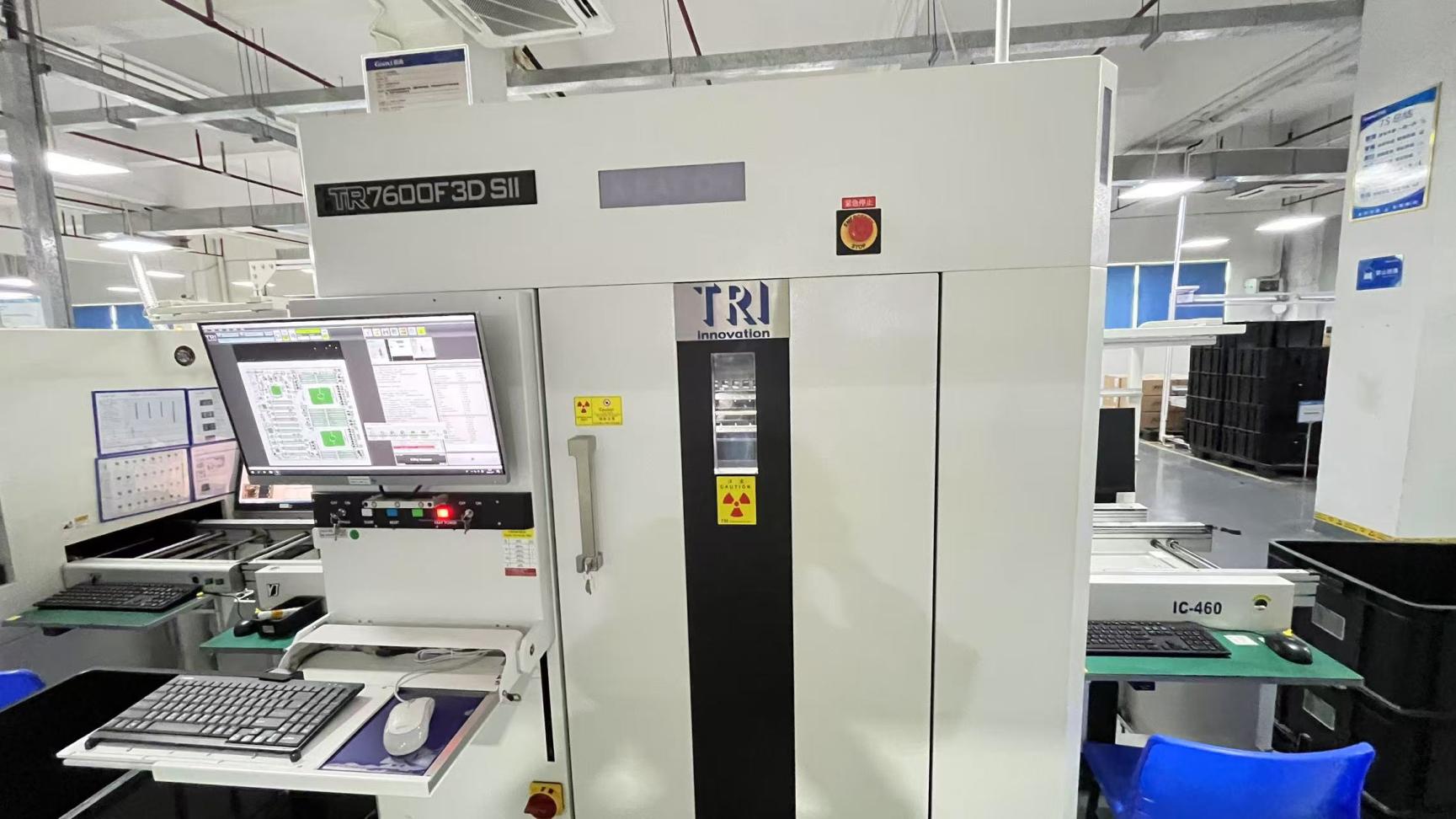
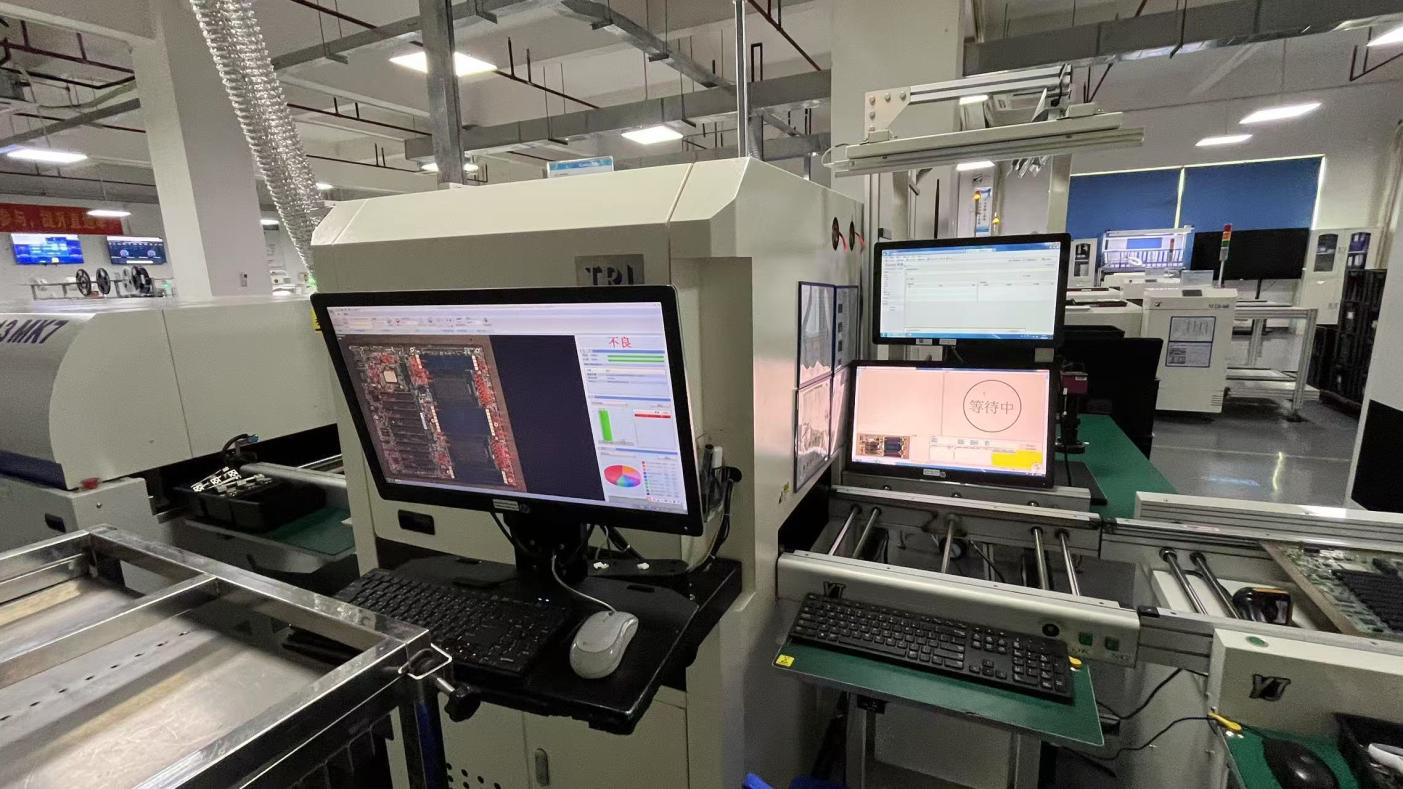
Operating a specialized manufacturing facility with an assembly and integration area of approximately 320㎡, NexaGPU maintains rigorous production quality. We coordinate with over 850 partners in the supply chain to source components, including chassis systems, power supplies, heat sinks, and storage drives. Backed by 11 years of industry experience and a dedicated team of 120 R&D engineers, NexaGPU is continually refining server architectures to optimize thermal efficiency, compute density, and signal integrity.
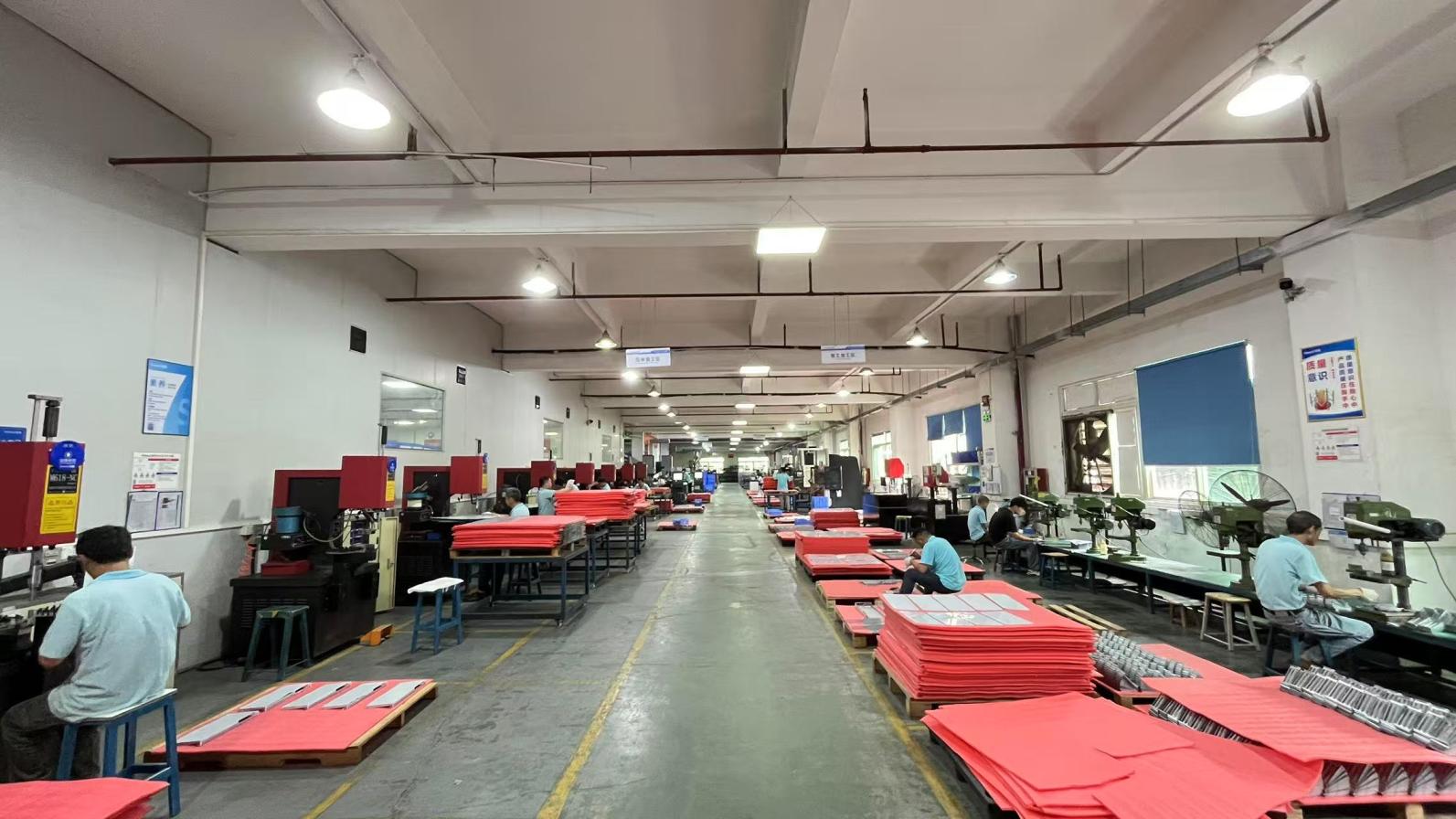
To support global supply chains, NexaGPU maintains an international business network, exporting 12 million USD of custom server hardware annually. With 6 years of direct export experience across North America, Europe, Southeast Asia, and the Middle East, we manage logistics, compliance documentation, and hardware configuration verification to ensure our products integrate smoothly into enterprise datacenters.
The concentration of advanced electronics component supply chains in China allows NexaGPU to accelerate production lead times and optimize cost structures. Drawing on partnerships within key technology clusters, our manufacturing workflow balances precision engineering with volume output.
This manufacturing foundation enables us to release updated hardware configurations to match emerging industry trends. In the past year alone, NexaGPU introduced 85 new product configurations, supporting processors, high-performance GPUs, storage fabrics, and low-latency network interface controllers.
Procuring server infrastructure for network monitoring and telemetry analytics requires a structured evaluation of technical specifications. Standard off-the-shelf servers may not match the specific workload profile of high-volume packet analysis. Sourcing teams should evaluate the following structural specifications:
Ensure the motherboard architecture supports PCIe Gen 4 or Gen 5 lanes to avoid bottlenecks at the bus level. For high-speed packet brokers, dual-socket setups (like those in the **xFusion FusionServer 5885H V7** with dual Intel Xeon gold/platinum processors) provide the lanes needed to drive multiple high-speed NICs concurrently.
Continuous network logging and PCAP file storage require write-intensive NVMe storage arrays. Sourcing configurations should specify PCIe-based NVMe SSDs or high-durability SAS SSDs managed by dedicated SAS controllers to handle continuous write operations without premature wear.
Network devices operate continuously. Sourcing servers with redundant, hot-swappable power supplies (ranging from 900W to 2000W) minimizes downtime. High-performance fans and specialized air ducts are critical for maintaining system temperatures during periods of sustained CPU and GPU usage.
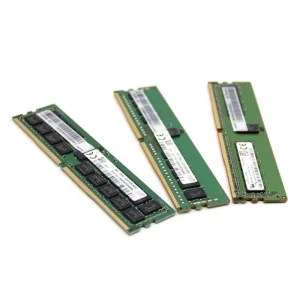
Memory bit flips can corrupt telemetry data and cause system instability. Using ECC (Error-Correcting Code) DDR4 or DDR5 RDIMM memory modules, such as our **16GB/32GB/64GB ECC RDIMM Memory**, ensures data integrity during live network analysis.
Through our custom integration services, NexaGPU collaborates with enterprise procurement teams to pre-configure systems for their specific requirements. This includes pre-installing expansion cards, installing custom memory layouts, configuring storage pools, and setting up BIOS profiles for high-performance networking workloads.
Deploying hardware globally requires compliance with regional electrical safety, emissions, and environmental standards. NexaGPU ensures that our custom builds and distributed configurations align with standard compliance frameworks including CE, FCC, RoHS, and UL, facilitating seamless customs clearance and data center integration.
To support global deployments, NexaGPU and our supply network provide localized technical services to ensure operational continuity:
As enterprise networks transition from 100G to 400G and 800G optical standards, traditional packet analysis techniques will encounter throughput bottlenecks. System architects are shifting toward AIOps architectures where network telemetry ingestion is automated, and threat profiling is performed at the silicon level.
Future network interface cards will use silicon photonics to integrate optical transceivers directly into the compute package. This approach reduces physical space and thermal signatures while providing higher data rates, enabling server nodes to process multi-terabit telemetry feeds with reduced latency.
NexaGPU's research and development division is preparing for these trends by optimizing thermal performance and board designs for next-generation platforms. Our work includes testing high-density liquid cooling loops, configuring servers for next-generation GPU and TPU accelerators, and testing SmartNIC configurations that run eBPF programs directly on network card chips, offloading packet classification workloads from the main CPU.
Answers to common questions regarding hardware design, performance optimization, and custom configurations for network monitoring workloads.
Every system built by NexaGPU undergoes a multi-stage validation process. Our 45 QC specialists perform component-level testing, thermal profiling in environmental chambers, and extended hardware burn-in validation under full workloads. This helps ensure components can handle the continuous performance demands of enterprise monitoring configurations.
Live network analysis processes high-volume telemetry data streams. ECC (Error-Correcting Code) memory automatically detects and corrects single-bit memory corruption errors. This prevents data loss and system crashes, helping to maintain system stability in 24/7 datacenter environments.
Direct-attach copper (DAC) cabling solutions, such as QSFP+ 10G/40G cables, provide low-latency, point-to-point connections between core switches and packet capture nodes. This minimizes packet latency and signal degradation, which is critical for accurate, high-bandwidth real-time packet capturing.
Yes. We offer server configurations designed for write-heavy workloads, including NVMe SSD arrays with high endurance ratings (DWPD) and hardware-based SAS controllers. These configurations help ensure high-volume network logs can be written to disk continuously without bottlenecking system performance or causing drive failures.
We work with customers to define specific hardware profiles. Clients can specify processing platforms (such as Intel Xeon Scalable or AMD EPYC), select particular memory configurations, and customize expansion cards, power supplies, and cooling systems to align with their specific datacenter requirements.
Explore our range of network memory, direct-attach cables, and high-density computing servers designed for enterprise datacenter networks.