NexaGPU
NexaGPU
NexaGPU
Explore our core hardware ecosystem, selected to deliver ultra-low latency, reliable processing, and enterprise-grade scalability for edge nodes.
Decoding the tectonic shift from centralized hyper-scale clouds to distributed latency-critical localized networks.
The global industrial and commercial landscapes are currently undergoing a paradigm shift in how computational power is deployed. Rather than relying solely on distant cloud-based data centers, modern enterprises are shifting critical workloads to physical edge computing devices. By deploying hardware on-premise, organizations drastically reduce telemetry round-trip latency, eliminate heavy network egress bandwidth fees, and ensure operational continuity even during comprehensive WAN outages.
In regions such as North America and Europe, strict compliance environments like GDPR and HIPAA have transformed edge nodes into foundational legal requirements. Rather than piping sensitive biomedical or user identification telemetry over public transit backbones, systems process data raw at the edge, transmitting only scrubbed metadata to centralized datastores. In fast-developing economies across Southeast Asia and the Middle East, smart infrastructure programs are integrating localized AI computing architectures to coordinate municipal transport networks, utility grids, and predictive manufacturing lines.
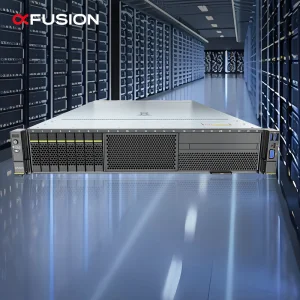
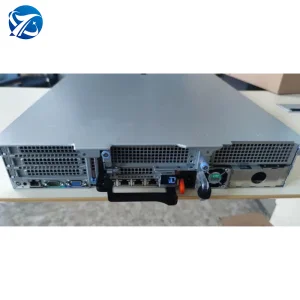
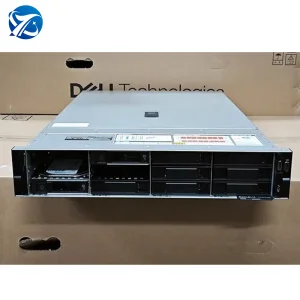
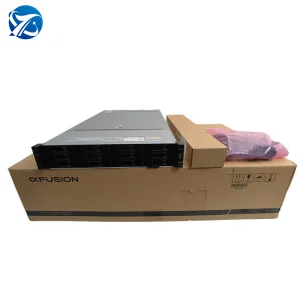
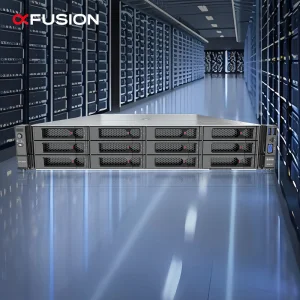
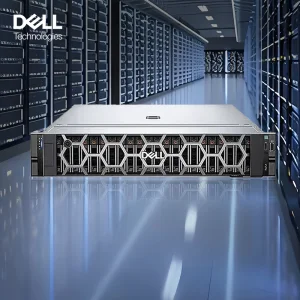
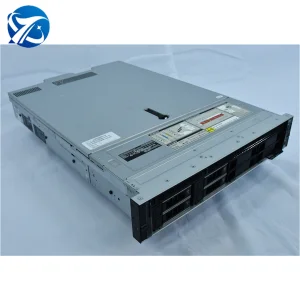
With the rise of massive local neural networks, such as localized DeepSeek deployments and complex computer vision pipelines, edge servers must act as isolated high-throughput units. Deploying dual-socket systems like the xFusion FusionServer 2288H V6 or the robust Dell PowerEdge R760 allows real-time execution of transformer models at physical locations, cutting out reliance on third-party cloud APIs and lowering operational latencies down to sub-10 milliseconds.
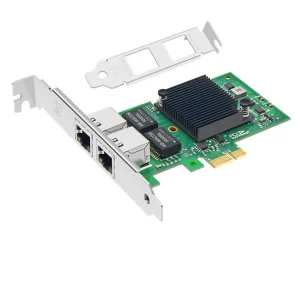
From a commercial perspective, procuring systems with proper enterprise PCIe expansion lanes, SAS controller options, and fast SSD storage interfaces is paramount. Hardware failures at the edge are far costlier than in centralized, fully-staffed data centers. Hence, standard system requirements include highly stable boot controller solutions, such as the 9540-8i RAID Controller Card or the XP270-M2 (SAS3808 BootCard), to prevent structural downtime at remote sites.
How our specialized hardware engineering, comprehensive quality verification, and dynamic supply chain yield optimized edge and AI servers.
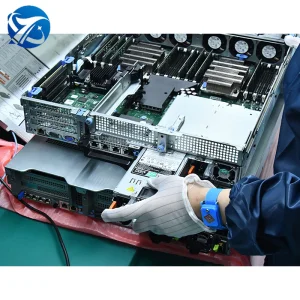
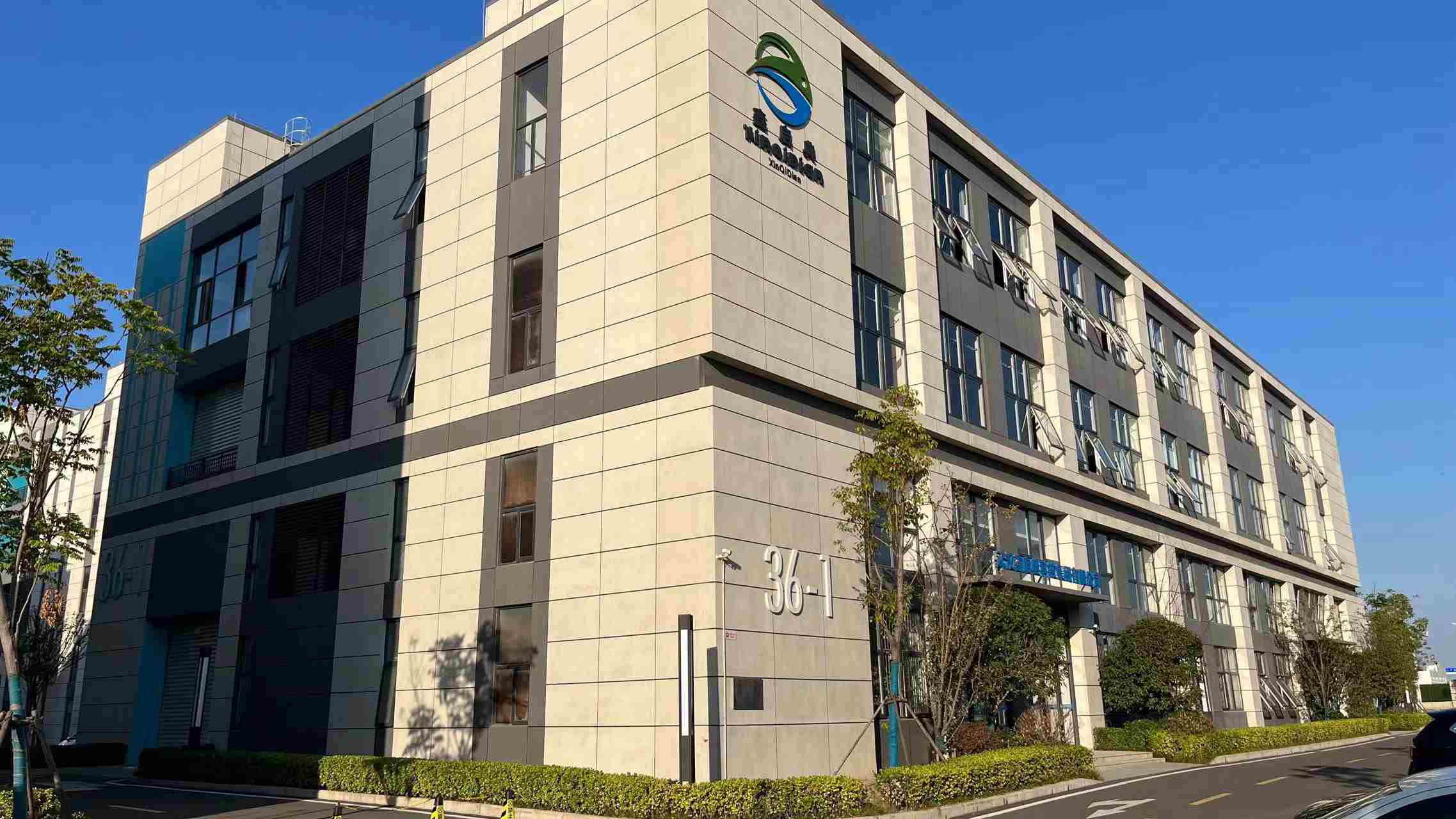
NexaGPU is a premier manufacturer and global supplier specializing in high-performance computing infrastructure, custom GPU clusters, and optimized AI server setups. Designed for modern businesses, data centers, and research facilities, our products are engineered to excel under intensive AI and edge workloads. Operating a targeted, specialized 320㎡ integration facility, we focus on precision building, high-density server configurations, heat dissipation optimization, and automated stress testing.
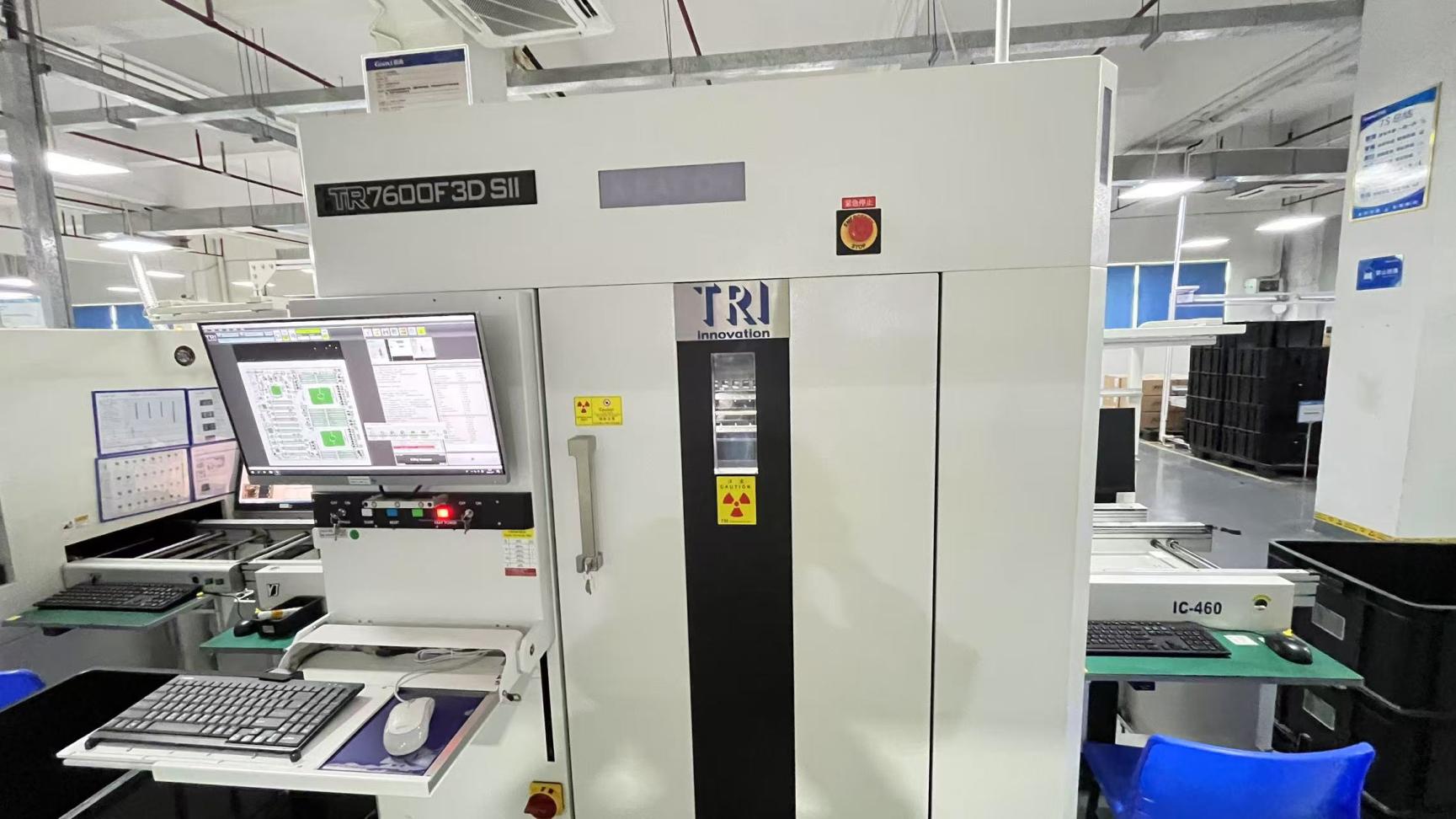
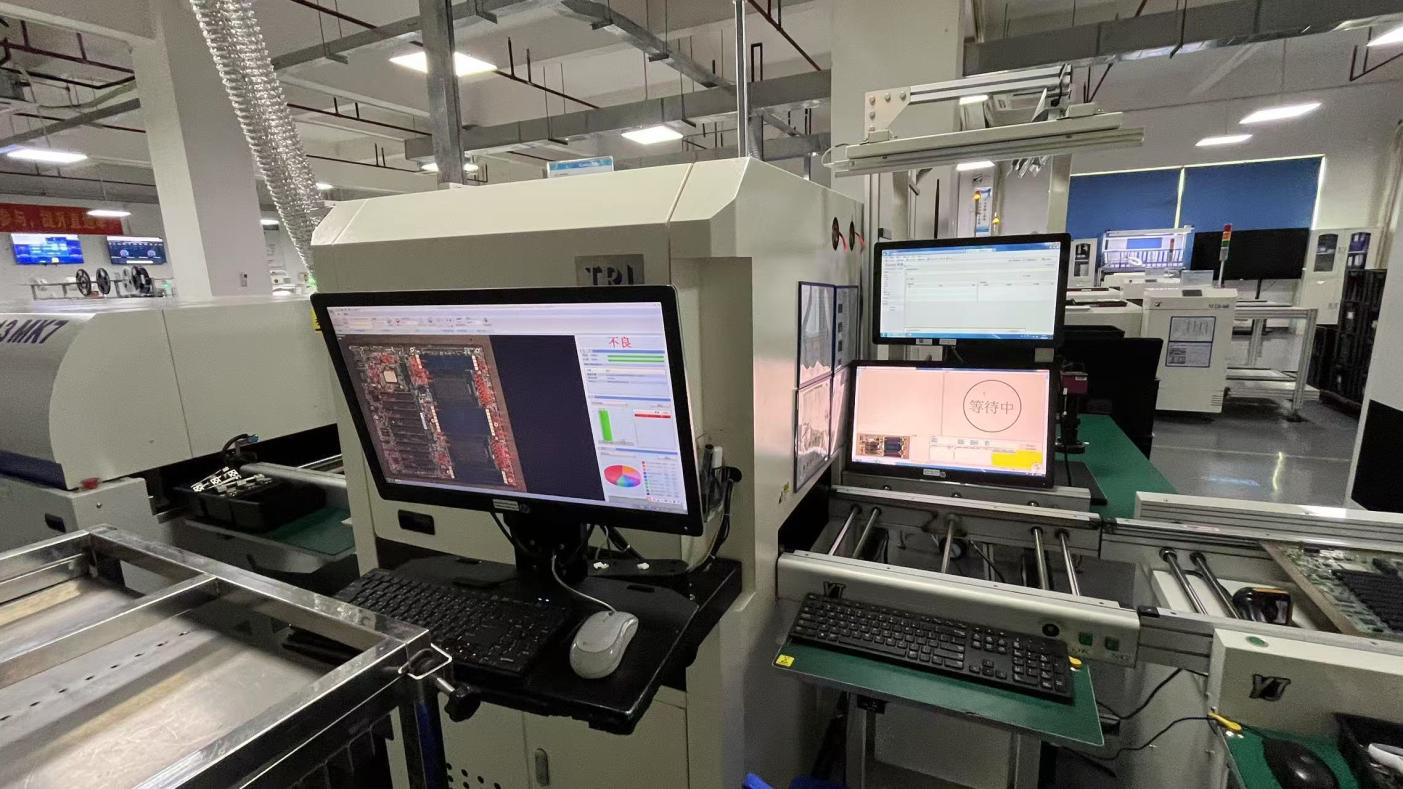
Leveraging over 11 years of deep industry experience and a 6-year export track record, NexaGPU has established itself as an authoritative manufacturer within the global hardware ecosystem. To ensure performance integrity, we employ a dedicated quality control team of 45 QC specialists. Our rigorous multi-stage QA validation sequence includes intense component thermal testing, high-stress CPU and memory verification, stable power delivery analysis, and data-integrity testing under sustained drive workloads.
Through our vast network of over 850 supply chain partners, NexaGPU secures first-tier access to industry-standard motherboards, cooling components, SSD architectures, and high-performance PCIe components. This ensures rapid system assembly and dependable product supply lines, even during times of global component shortages. Last year alone, our R&D group—composed of 120 expert engineers—designed and launched 85 new product configurations tailored to custom liquid cooling layouts, dense storage racks, and heavy GPU inference arrays.
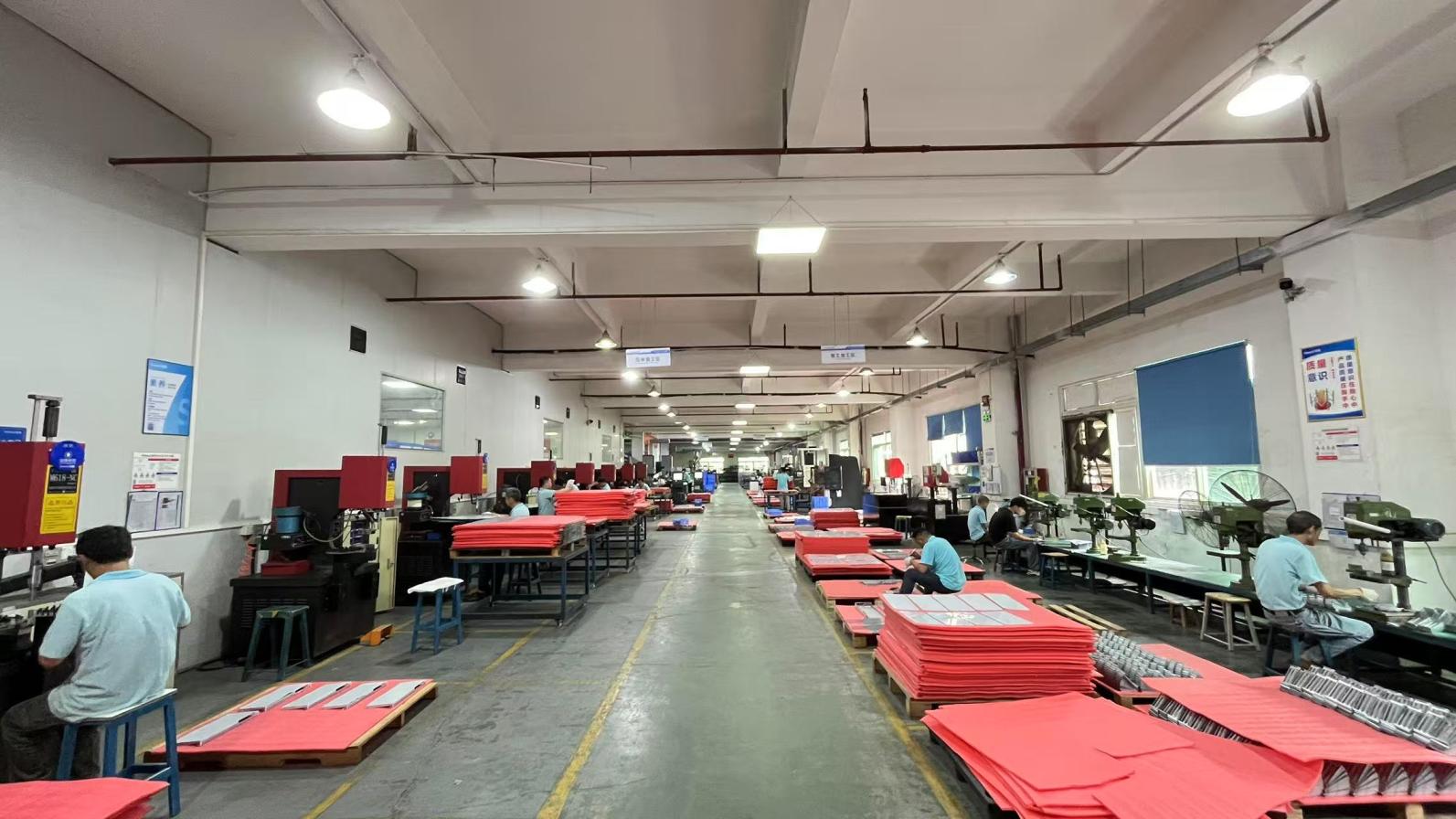
Why sourcing edge computing devices from China's premier electronic hubs reduces product turnaround time and boosts performance stability.
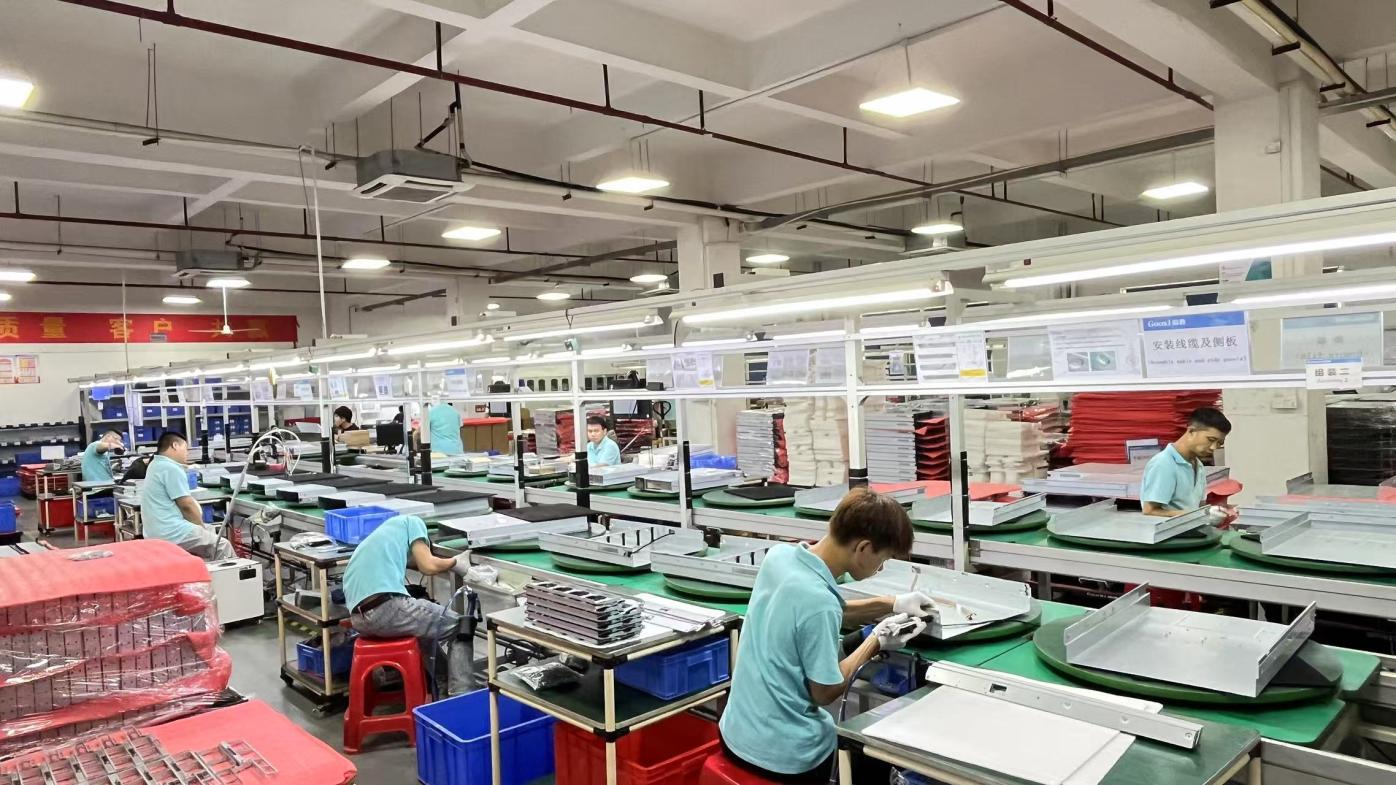
Sourcing computing hardware from China's primary manufacturing corridors offers distinct structural benefits that extend beyond basic cost-efficiency. Over the past twenty years, regions like Shenzhen have developed highly integrated manufacturing clusters. This dense network places hardware design firms, component suppliers, plastic molders, and automated assembly operations within hours of each other. At NexaGPU, this rapid local ecosystem enables us to prototype, test, and ship complete custom systems much faster than competitors based outside these hubs.
Key facets of our factory production efficiency include:
Understanding the critical features needed to handle next-generation computing workloads.
Modern networks are deploying smaller, highly efficient AI architectures (like DeepSeek configurations and light LLMs) directly to regional edge hardware. This change demands servers with high PCIe bandwidth, optimized memory speed, and stable local storage controllers to handle complex inference tasks with zero round-trip latency.
As processing nodes handle denser workloads, standard air cooling systems can struggle to keep up. Next-generation systems are shifting to liquid cooling setups and optimized airflow designs to maintain peak performance and prevent thermal throttling in compact spaces.
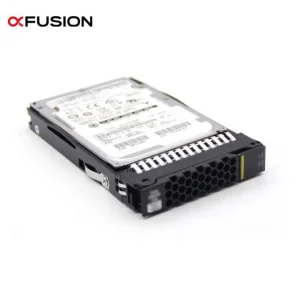
With large amounts of sensor data collected at the edge, reliable write storage is essential. Using high-end SATA SSDs like the S4520 Series, paired with hardware RAID systems, ensures that even during unexpected network dropouts, critical information is saved securely and local operations continue running.
Exploring how advanced edge hardware is deployed across key industrial and commercial environments.
Modern factories rely on high-speed computer vision systems to detect defects and guide precision robotics. If these visual streams had to travel to a cloud data center and back, the delay would slow down production lines or risk damage to machinery. By running edge servers like the xFusion 2258 V7 directly on the factory floor, video feeds are analyzed in real time. Decisions are made instantly, and any mechanical issues are flagged in milliseconds.
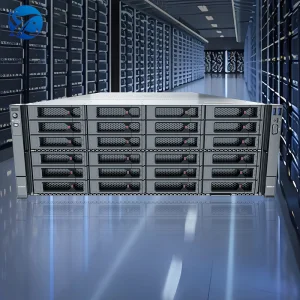
As telecom networks transition to 5G, service providers are deploying multi-access edge computing (MEC) units right beside cellular towers. These nodes process local mobile data traffic, power multiplayer gaming setups, and run local AR/VR content. Using rack servers designed for tight spaces—such as the FusionServer G5200 V7—allows companies to build highly dense compute platforms that fit cleanly into standard telecom cabinets.
Self-driving delivery networks and municipal bus fleets require continuous local coordination. Vehicles gather massive amounts of data about road conditions, traffic signals, and surrounding hazards. Edge servers stationed at key intersections aggregate this telemetry, run pathfinding adjustments locally, and alert nearby vehicles to hazards immediately—even if the central cloud connection goes offline.
A practical framework to help procurement directors evaluate hardware compatibility, system reliability, and long-term costs.
When purchasing hardware for edge computing, tech buyers must look beyond basic processing speeds. Unlike clean, temperature-controlled corporate data centers, edge installations are often deployed in challenging locations like warehouse lofts, remote energy grids, or cellular tower enclosures. Ensuring hardware reliability and operational stability requires matching exact system specifications to local site demands.
To help guide procurement, here is a straightforward checklist for evaluating hardware suppliers:
Clear, expert answers to key questions about sourcing and deploying reliable edge computing systems.
Complete your hardware setup with our selection of verified storage expansion drives, specialized PCIe controllers, and high-performance server configurations.