NexaGPU
NexaGPU
NexaGPU
High-Density Rack Servers and Specialized Compute Components
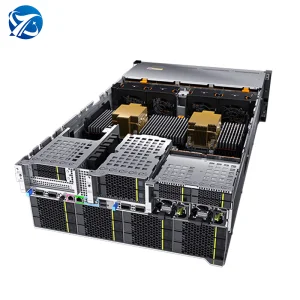
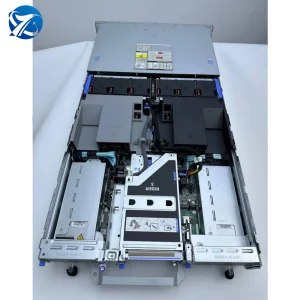
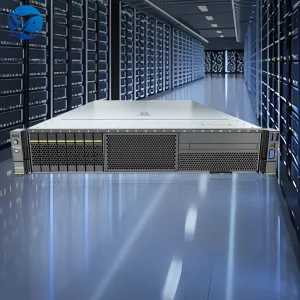
As deep learning, high-performance computing (HPC), and large language models (LLMs) continue to redefine the technological frontier, data centers worldwide require unprecedented scalability, heat dissipation efficiency, and input/output throughput. V7 server architectures, representing the cutting-edge iteration of enterprise-grade compute platforms, sit at the heart of this global transition. Designed to support PCIe Gen 5 configurations, DDR5 memory layouts, and high-wattage thermal dynamics, the V7 generation has set a new benchmark for resource consolidation and workload acceleration.
Globally, the push toward carbon-neutral data centers is forcing operators to shift from traditional air cooling to hybrid or direct-to-chip liquid cooling configurations. V7 server solutions are engineered with these thermal dynamics in mind. With modular chassis, optimized internal air ducts, and optional liquid loop headers, China-based server manufacturers are leading the export market by offering flexible architectures that seamlessly slot into existing hyperscale environments.
Understanding the generational shift in throughput, bandwidth, and density
| Technical Parameter | V6 Server Generations | V7 Server Generations (Current Standard) | Next-Gen V8 Specifications (Roadmap) |
|---|---|---|---|
| PCIe Bus Speed | PCIe Gen 4 (Up to 16 GT/s per lane) | PCIe Gen 5 (Up to 32 GT/s per lane) | PCIe Gen 6 (Up to 64 GT/s with PAM4 encoding) |
| Memory Technology | DDR4 (Up to 3200 MT/s) | DDR5 (Up to 4800 / 5600 MT/s) | DDR5/DDR6 & CXL 3.0 Integration |
| Processor Architecture | 3rd Gen Intel Xeon Scalable (Ice Lake) | 4th/5th Gen Intel Xeon Scalable / Emerald Rapids | Next-Gen Intel Xeon (Granite Rapids) / AMD EPYC |
| Network Interconnect | 100G QSFP28 Max Interfaces | 200G/400G InfiniBand & OCP 3.0 support | 800G Ultra-high-speed network fabrics |
| Liquid Cooling Interface | Custom retrofit required | Native direct-to-chip liquid loops optional | Standardized immersion cooling architectures |
Doubles the data transfer rates compared to the previous generation, drastically reducing latency between host CPUs and high-performance GPU arrays or NVMe SSD pools.
Delivers significantly higher frequencies and integrated power management ICs (PMIC) directly on the DIMM, optimizing host server stability during massive dataset indexing.
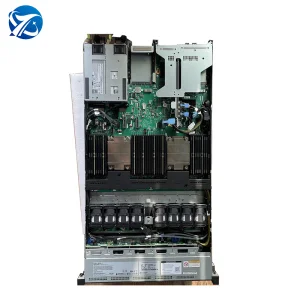
Optimized chassis designs route airflow directly over key high-heat zones (CPUs, acceleration chipsets, VRMs), maintaining stable execution without thermal throttling.
NexaGPU – Pioneering Enterprise-Grade Computing Solutions Since 2016
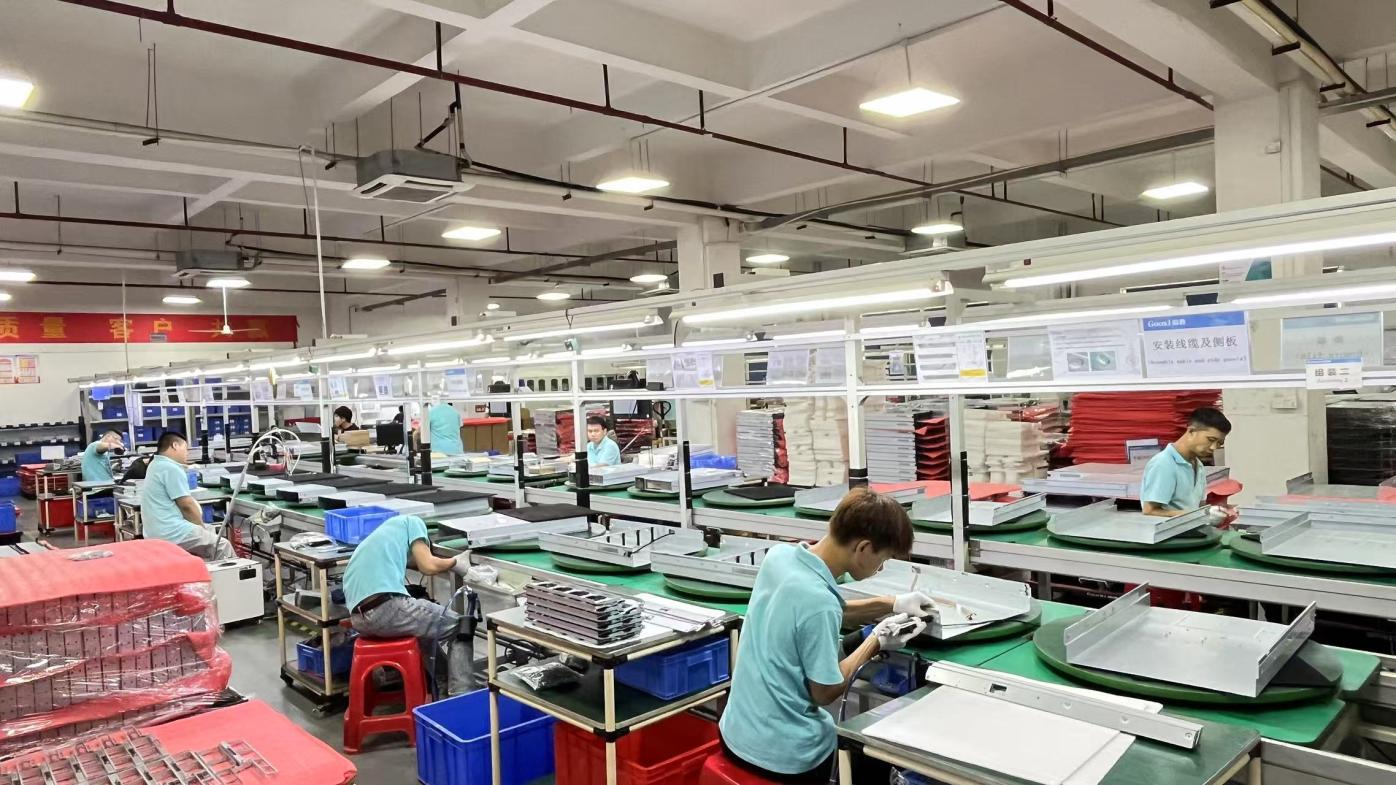
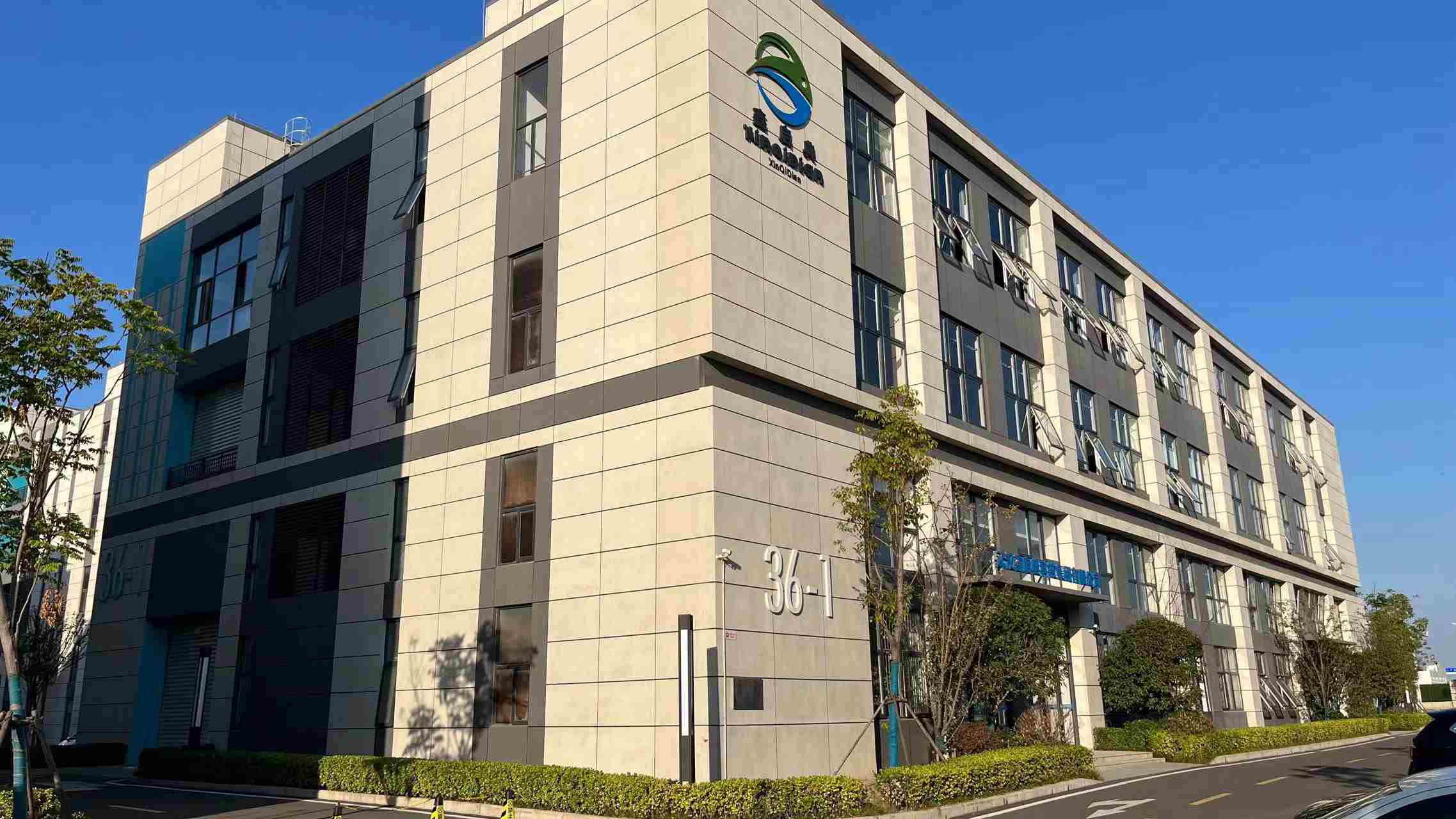
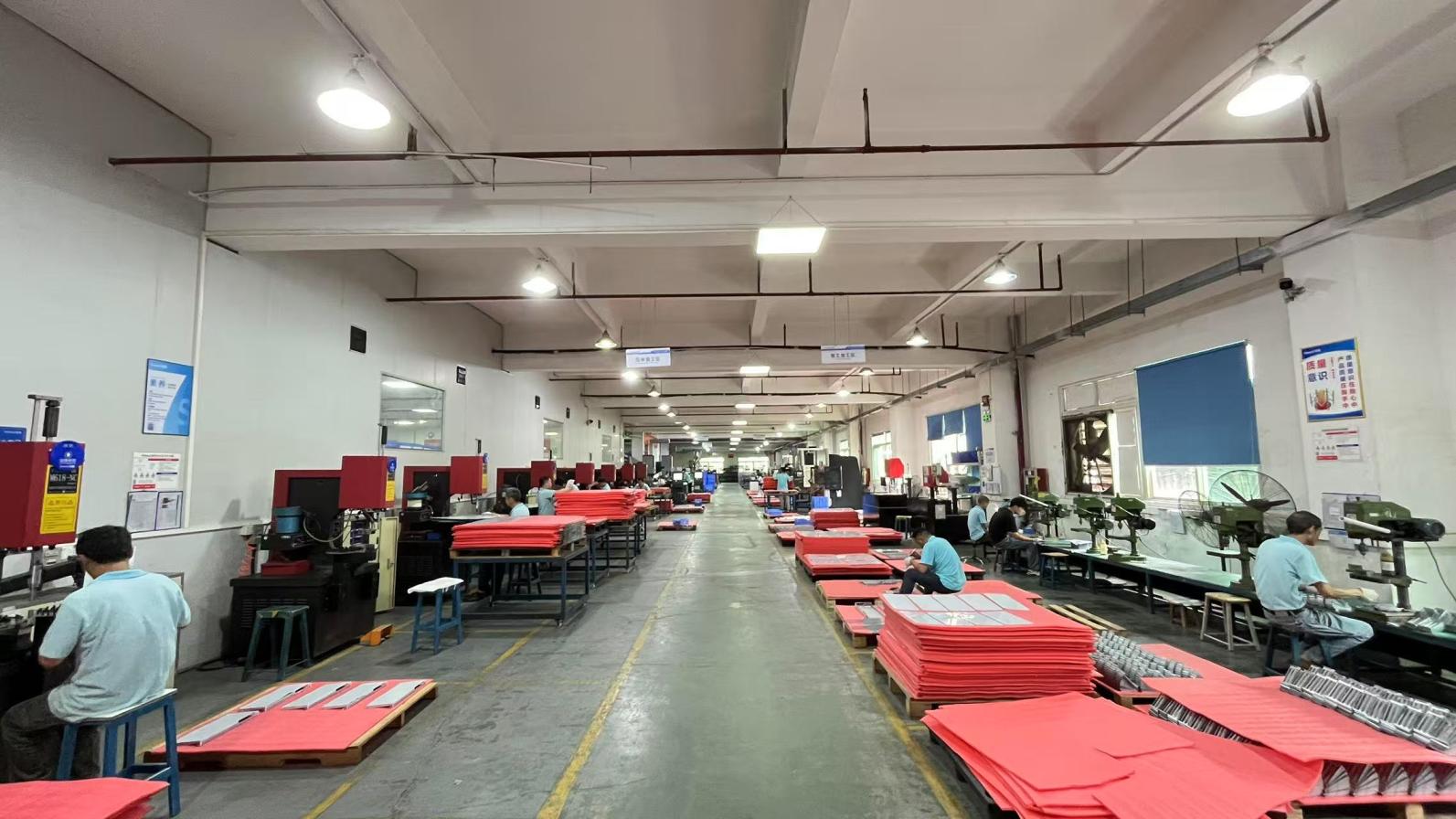
NexaGPU is a professional AI GPU server manufacturer and supplier specializing in high-performance computing infrastructure, GPU clusters, and customized AI server solutions for global enterprises, data centers, and AI development companies. Operating from a highly efficient, modern assembly and validation facility of approximately 320㎡, NexaGPU is built for specialized, high-reliability deployment pipelines. By maintaining deep vertical integrations with component vendors, the facility maximizes output through optimized layouts and multi-stage testing bays.
With an annual export revenue of USD 12 million, NexaGPU has built strong international business capabilities and maintains 6 years of export experience, delivering reliable systems to key markets in North America, Europe, Southeast Asia, and the Middle East.
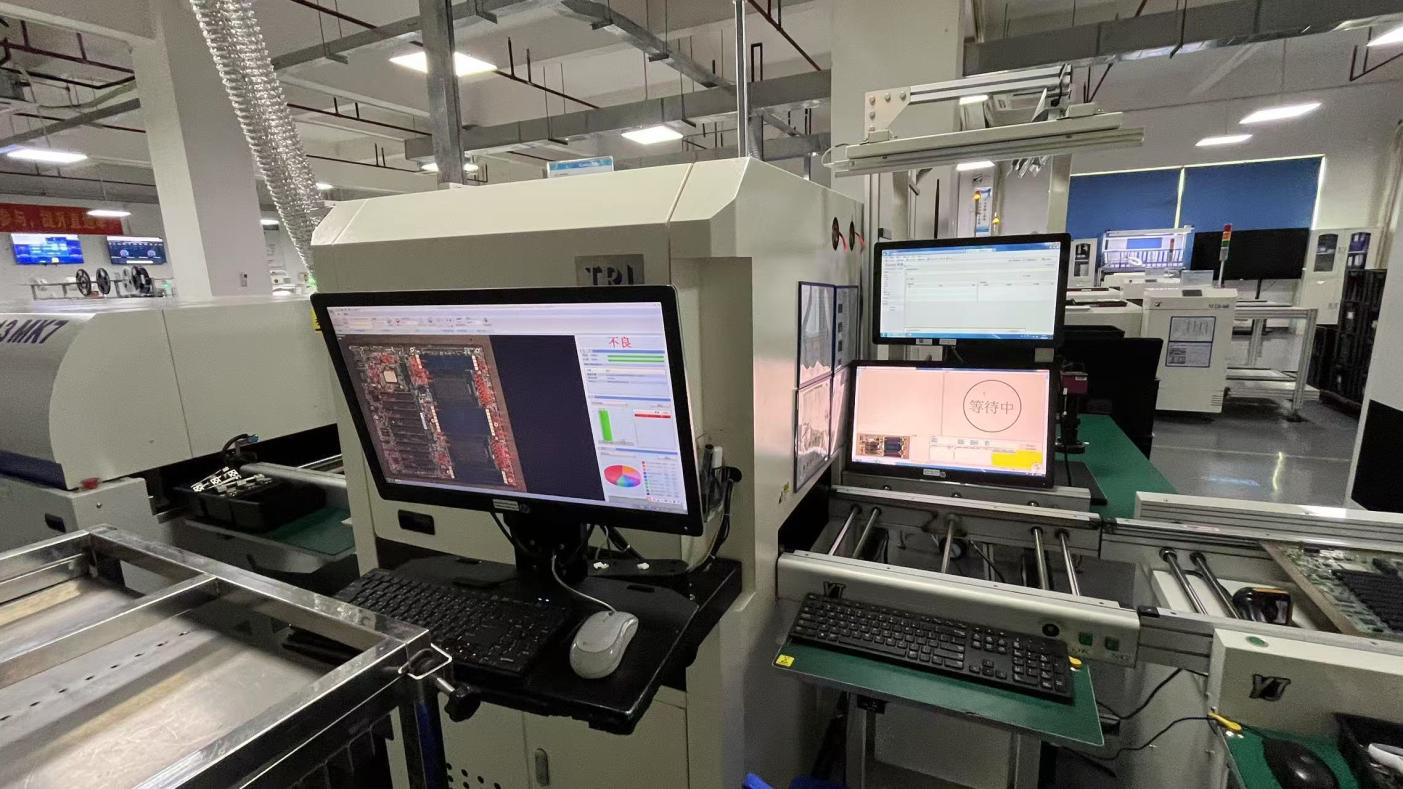
To ensure strict product quality, NexaGPU implements comprehensive multi-stage inspection processes, including hardware stress testing, thermal performance testing, and system stability validation. The company employs a dedicated quality assurance team of 45 QC specialists to maintain consistent product reliability. This rigorous testing ensures that every server rack leaving the factory can withstand sustained 100% compute loads in production environments.
NexaGPU's manufacturing facility is equipped with dedicated validation hardware, simulating real-world workloads under controlled ambient conditions. From thermal imaging evaluations to multi-day RAM integrity sweeps, every server conforms to stringent operational guidelines before distribution.

Enterprise data needs are not uniform. Depending on the vertical, server systems must prioritize different parameters. Below are the macro solutions designed for V7 platforms:
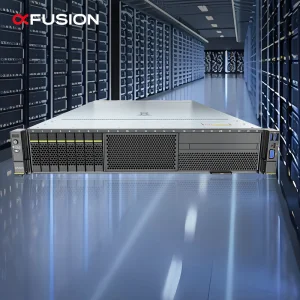
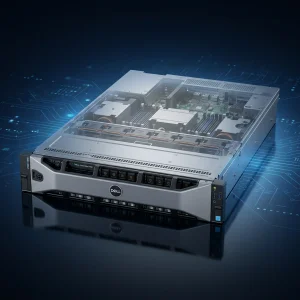
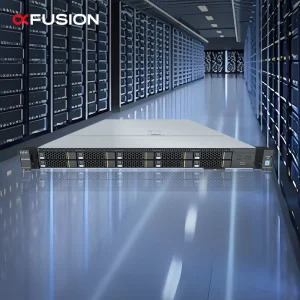
Hyperscalers deploying virtualization layers rely on 1U and 2U dense form factors like the FusionServer Pro 1288H V7 or Dell PowerEdge R660. These models optimize compute per rack unit, offering multiple NVMe slots alongside high-speed OCP 3.0 NIC interfaces. This design minimizes hypervisor bottlenecks, supporting massive container clusters with dynamic resource allocation.
For operations utilizing AI models (such as DeepSeek R1/V3 configurations), massive parameter sizes require dense multi-GPU fabrics. Systems like the xFusion G5500 V7 and xFusion 2488H V7 provide the PCIe lane switching and power distribution units (PDU) needed to run multiple double-wide GPU accelerators in parallel, maintaining communication through NVLink or PCIe direct routing.
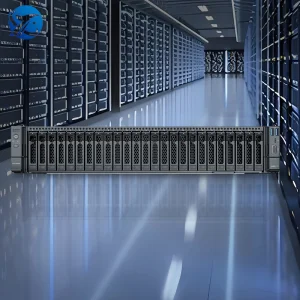
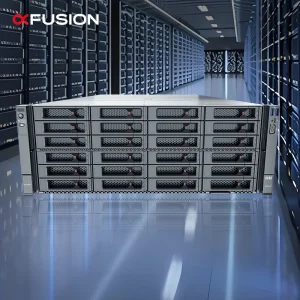
Content delivery networks (CDNs) and video rendering clusters require both local storage density and fast data access. The 4U FusionServer 5288 V7 platform accommodates dozens of 3.5-inch drives alongside internal boot drives (like the XP270-M2 SAS3808 RAID controllers), balancing capacity and latency for massive file access.
Low latency and high security are critical for enterprise database applications. Combining multi-socket Xeon servers with low-latency 10G/40G H3C core switches ensures real-world data packets reach memory pools without packet drop, while hardware-level RAID arrays secure physical transactions at the storage layer.
A server is only as strong as its constituent components. Building a robust enterprise network requires a comprehensive understanding of the storage controllers, memory sub-systems, and networking nodes that connect the cluster.
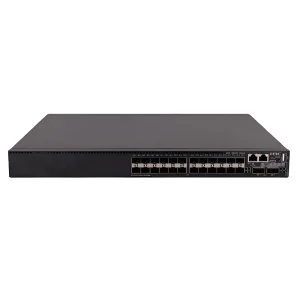
Furthermore, core enterprise switches like the H3C S6520X-30QC-EI play a critical role in data transfer. Providing 24 10G optical ports and high-bandwidth 40GE uplink expansion, these devices act as the high-capacity pipelines that prevent network bottlenecks from stalling multi-node GPU training runs.
Expert insights to help guide your system procurement and optimization strategy
Extend and scale your existing server fleets with reliable modules