NexaGPU
NexaGPU
NexaGPU
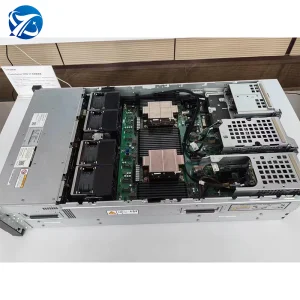
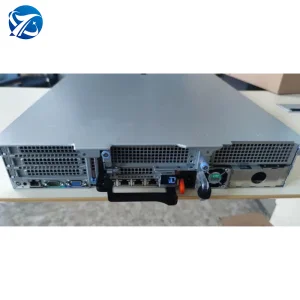
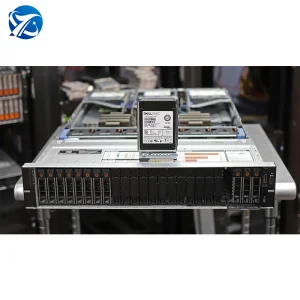
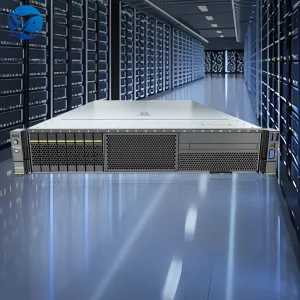
The global demand for high-performance computing (HPC) has undergone an unprecedented paradigm shift, fueled by the rapid integration of Large Language Models (LLMs) like DeepSeek, LLaMA, and advanced GPT models. Within this AI gold rush, server hardware functions as the foundation. Sourcing from a top China AI computing supplier offers a unique mixture of supply chain density, specialized electronic engineering talent, and rapid prototyping capabilities that cannot be replicated elsewhere.
Key manufacturing advantages include the close proximity to components in regions like Shenzhen and Dongguan, where multi-layer PCB fabricators, power supply unit (PSU) designers, chassis engineers, and system integrators operate within a 50-kilometer radius. This geographic clustering ensures that custom board layouts, critical for high TDP (Thermal Design Power) GPU boards, can be revised and tested rapidly, minimizing the time to market.
Direct sourcing channels for crucial passive components, server grade chassis, and advanced structural cooling equipment ensure uninterrupted component logistics and highly competitive BOM (Bill of Materials) pricing.
From custom PCIe topology configurations and specialized smart NIC cards to liquid-to-air cooling loops, Chinese manufacturers deliver systems tailored to unique enterprise thermal envelopes and network constraints.
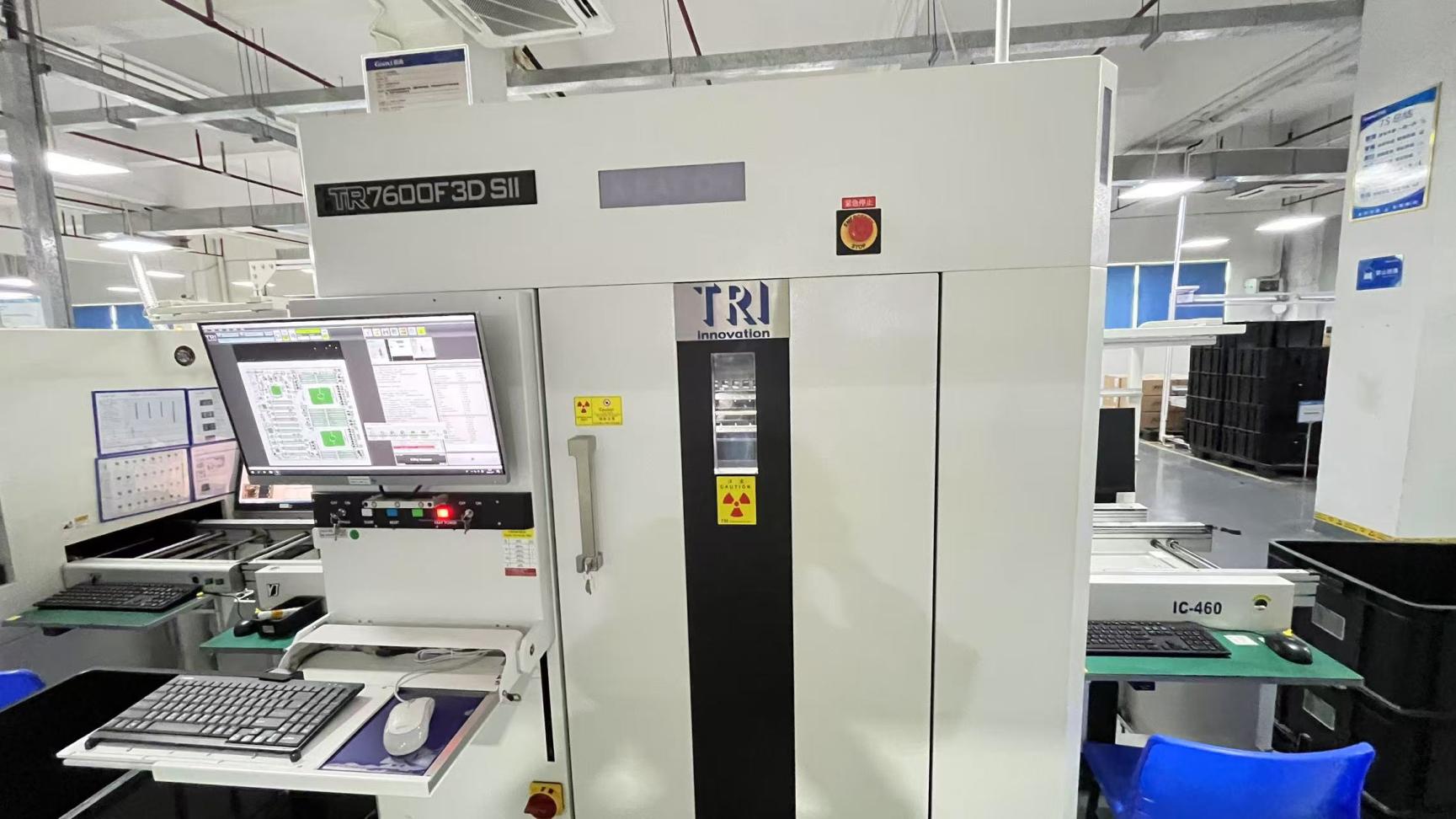
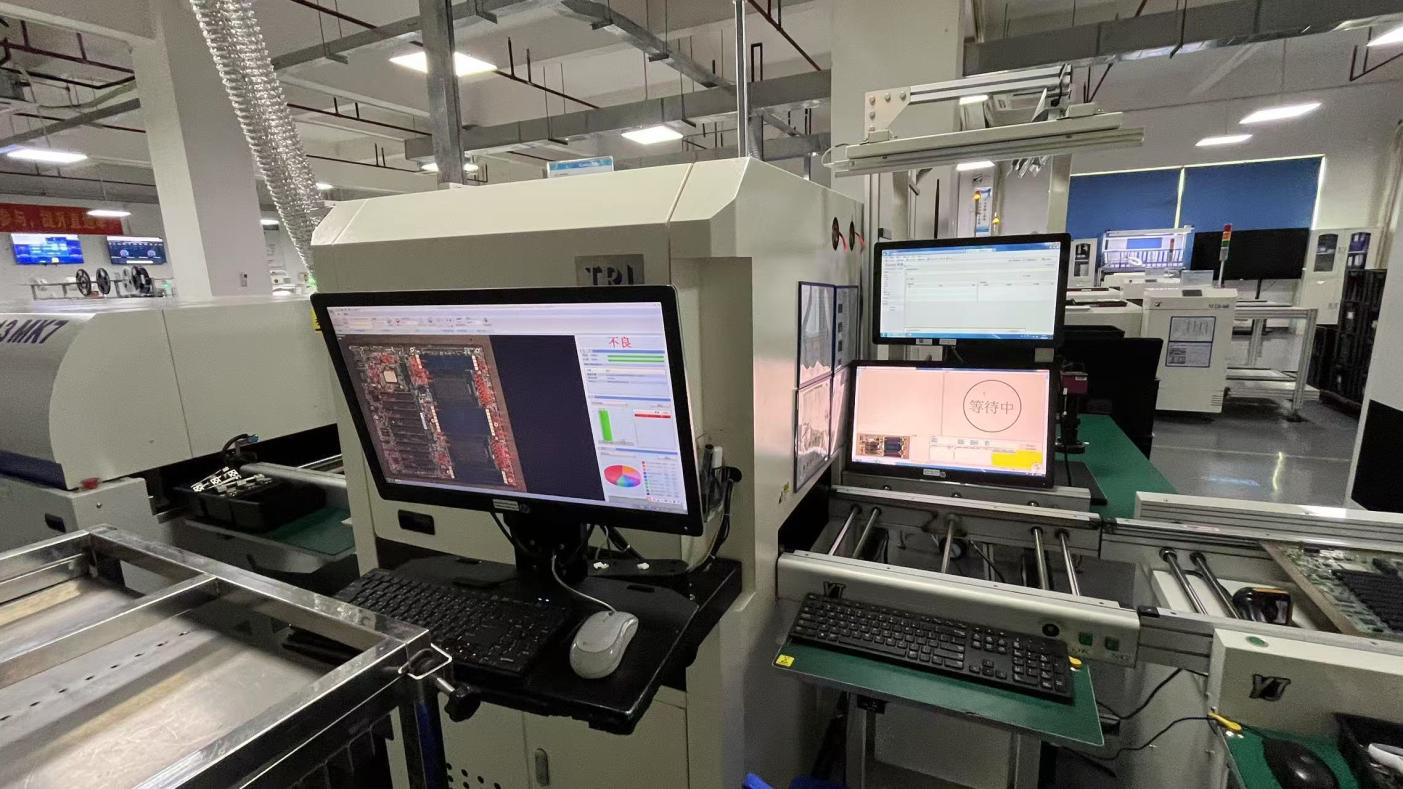
Equipped with state-of-the-art diagnostic laboratories, Chinese factories execute multi-phase stress testing under variable load and heat cycles, providing reliable industrial hardware ready for production environments.
AI hardware is changing rapidly. The industry is moving past general-purpose CPU computing towards heterogeneous, highly dense accelerated compute nodes. Looking forward, several trends are reshaping what enterprise customers expect from their AI computing suppliers.
Modern LLMs require massive bandwidth for data exchanges between nodes. Top-tier servers utilize PCIe Gen 5 architectures, offering double the bandwidth of PCIe 4.0. This prevents bottlenecks at the interface level, enabling GPUs to communicate with CPU systems and system RAM at speeds up to 128 GB/s. High-bandwidth networks demand customized chassis structures capable of handling high-speed lanes without signal degradation.
As thermal design profiles (TDP) per GPU climb past 500W, traditional air cooling is hitting physical limits. Leading suppliers are adopting Direct-to-Chip (D2C) liquid cooling plates. Liquid cooling reduces energy use (PUE) at data centers, making large cluster operations economically viable and environmentally compliant with new green mandates.
There is a growing shift from proprietary API models to local hosting of open-weight architectures like DeepSeek. This transition requires systems designed for high-concurrency inference and localized fine-tuning. These workloads benefit from massive memory pools, fast local NVMe storage, and specific CPU-GPU configurations that balance training efficiency with ultra-fast output token times.
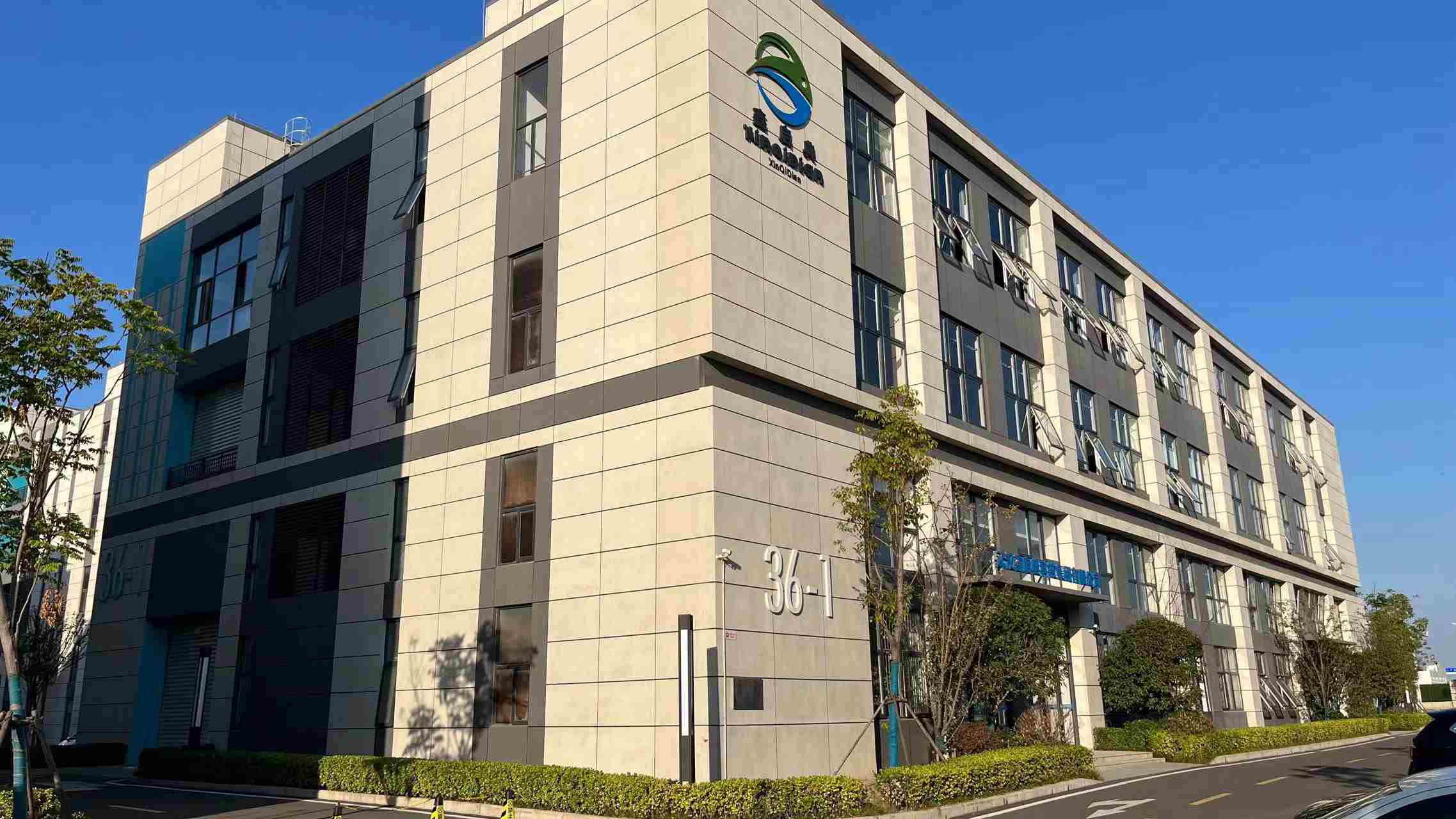
Established in 2016, NexaGPU is a leading manufacturer of high-performance computing systems and customized GPU clusters. With 11 years of deep industry experience in server architectures, we serve enterprise customers, research institutes, and data center providers globally.
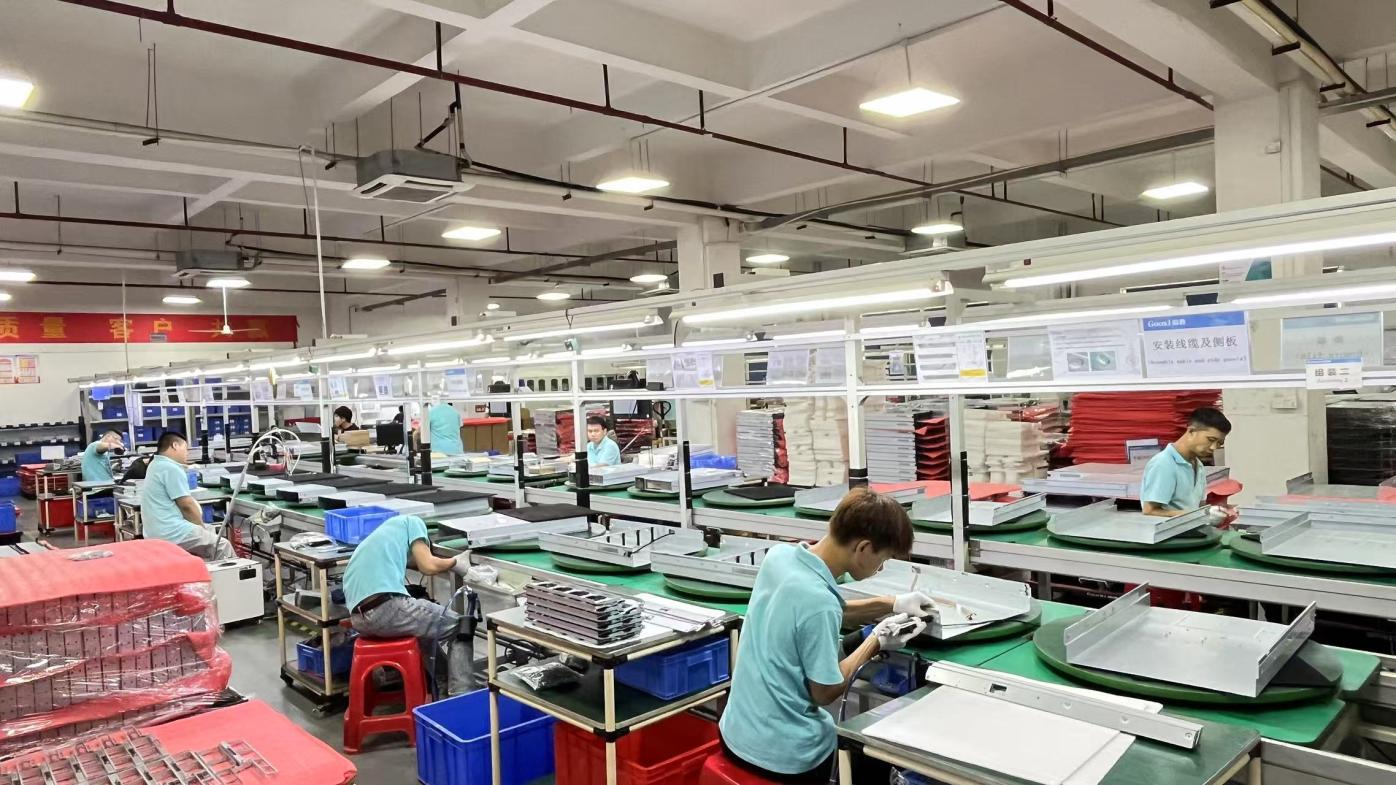
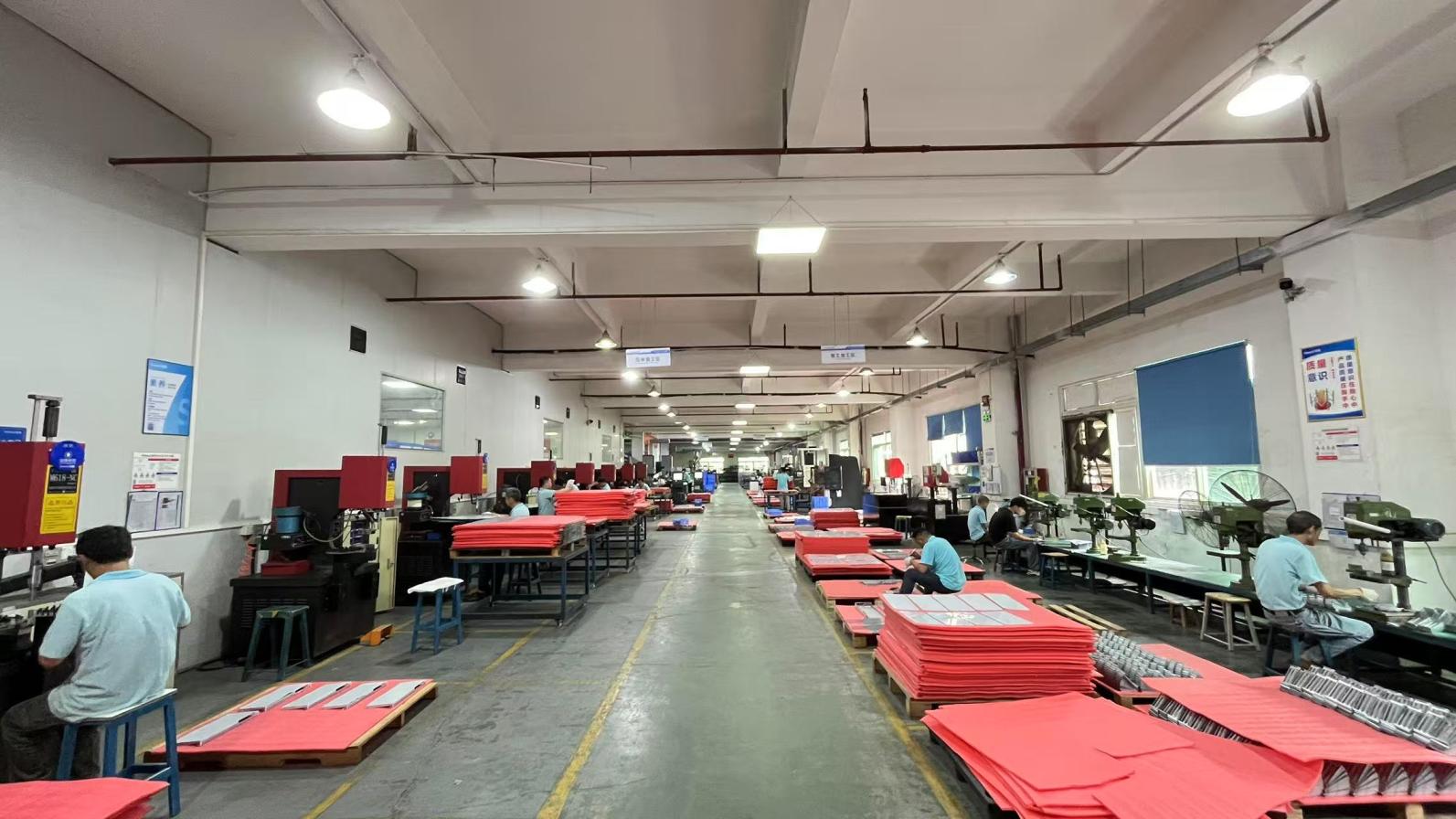
Based in a modern facility with a 320㎡ building area optimized for precision assembly, NexaGPU maintains a quality assurance process supported by 45 QC specialists. Our focus on reliability ensures each system passes extensive stress tests before delivery.
Innovation drives our product development. Supported by 120 R&D engineers, we designed and released 85 new server models last year, optimizing configurations for modern deep learning and data analytics workloads.
AI hardware requires matching system architectures to specific software workloads. General purpose servers are often insufficient for targeted vertical operations. NexaGPU designs systems tailored to these unique computational challenges.
Training neural networks for object detection and path planning requires ingest of massive sensor feeds. Our high-density server configurations support rapid storage data ingestion, PCIe Gen 5 lanes, and multiple accelerators to process high-resolution video datasets quickly.
Precision medicine relies on large computational resources for genomic sequencing and molecular simulation. We provide systems configured with multi-core CPUs, expansive memory capacities, and dedicated acceleration nodes to handle complex mathematical models.
Risk modeling and execution systems require ultra-low latency. By deploying hardware accelerators along with specialized PCIe host controllers and network interfaces, we help institutions execute real-time analysis at scale.
Procuring datacenter infrastructure internationally requires careful attention to compliance, logistics, and technical validation. Sourcing AI compute hardware from China involves navigating global standards, ensuring equipment reliability, and coordinating delivery.
1. Regulatory & Safety Compliance: Hardware must meet international certifications such as CE (Europe), FCC (North America), RoHS (Hazardous Materials), and regional safety standards. Testing documentation should be verified to ensure seamless deployment in local datacenters.
2. Logistics & Customs Integration: Transporting high-value server racks requires secure packaging, moisture protection, and precise customs documentation. Leading suppliers coordinate with global freight partners to handle import and export procedures, minimizing potential transit delays.
3. Support & Technical Services: Enterprise hardware requires reliable ongoing support. Buyers should partner with suppliers that offer structured warranties, remote diagnostics, clear technical documentation, and accessible replacement parts.
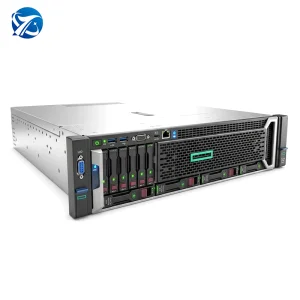
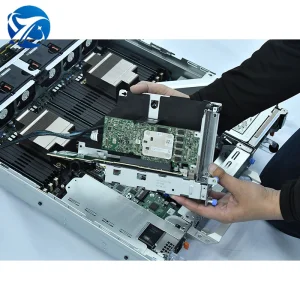
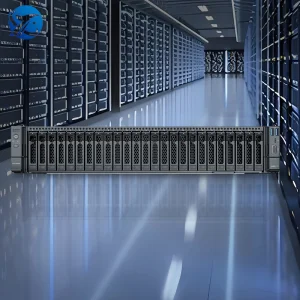
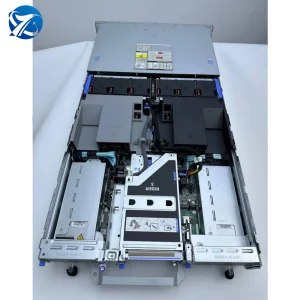
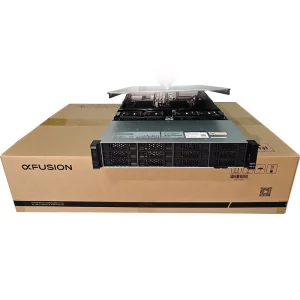
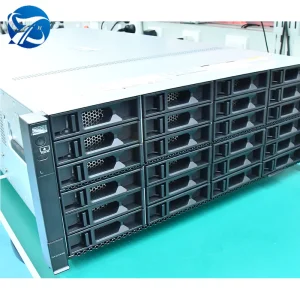
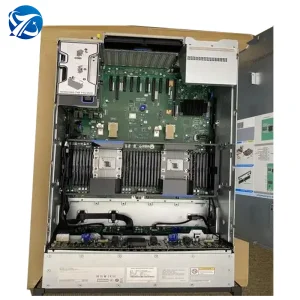
We support both high-velocity forced air-cooling arrays and direct-to-chip (D2C) liquid cooling loops. For high-density deployments where thermal loads exceed 500W per accelerator, we design custom water blocks, manifold distribution systems, and specialized CDUs (Cooling Distribution Units) to manage thermal output and maintain lower data center Power Usage Effectiveness (PUE).
Our systems are built to support the high memory bandwidth required by models like DeepSeek. We structure systems using high-speed PCIe Gen 5 topologies, high-speed system interconnects, and optimize CPU-to-GPU pathways. This design helps minimize latency during model inference and processing.
Our QA team conducts testing at multiple stages. This includes component validation, high-temperature testing in environmental chambers (ranging from 24 to 72 hours), signal integrity checks on PCIe lanes, and system stability testing under full compute load to ensure reliable operation upon delivery.
Yes, our 120 R&D engineers assist with custom system design. We offer configurations for specific PCIe topologies, memory capacities (including DDR5), storage options (U.2/U.3 NVMe SSDs), and specialized networking interfaces (100G/200G/400G InfiniBand or Ethernet).
All NexaGPU systems can be configured and certified to meet the standards required in your target market, including CE, FCC, RoHS, and UL guidelines. We provide complete documentation packages to support import compliance and local datacenter regulations.
We work with experienced international freight forwarders specializing in precision electronics. Servers are shipped in heavy-duty, shock-absorbent packaging with moisture and electrostatic barriers to ensure safe transport via air or ocean freight.
We offer a standard 3-year hardware warranty, with options for extended coverage. Technical support includes remote diagnostics, access to engineering documentation, and prompt dispatch of replacement components from our global inventory nodes.
Our 320㎡ facility is designed for specialized configuration, testing, and final quality control. To support large-scale orders, we work with a network of over 850 supply chain partners and assembly facilities, allowing us to scale production to meet enterprise demands.