NexaGPU
NexaGPU
NexaGPU
How high-brightness hardware, edge intelligence, and distributed architecture are redefining visual communication networks.
The display manufacturing industry is shifting rapidly from traditional backlit LCD panels to Direct-View LED (DVLED) and MicroLED technologies. By eliminating bezels entirely and delivering unmatched peak brightness levels (often exceeding 2,000 to 5,000 nits for outdoor models), these screens offer superior contrast ratios and long-term operating life cycles in demanding ambient light conditions.
Dynamic content delivery has transcended simple loop playback. Modern digital signage relies on live API integrations, structural weather-responsive triggers, and real-time inventory databases. The CMS (Content Management System) must constantly communicate with local edge media players to adapt screen layouts, ensuring zero latency and continuous frame rendering.
Deployments in prime commercial zones now integrate smart sensors and anonymous viewer analytics (AVA). By utilizing lightweight camera modules and local neural processing hardware, systems can estimate viewer demographics, dwell times, and engagement rates in real time, automatically modifying displayed advertisements to match the target audience.
The key metrics procurement officers evaluate when selecting industrial smart displays and networking infrastructure.
B2B hardware sourcing for commercial displays, interactive kiosks, and digital billboards has transitioned from focusing purely on unit cost to evaluating the Total Cost of Ownership (TCO) and Operational Reliability. When managing multi-regional display networks, corporate buyers, transit authorities, and retail giants prioritize suppliers who can guarantee strict operational parameters:
How high-density assembly, raw material integration, and rigorous stress testing secure global display supply chains.
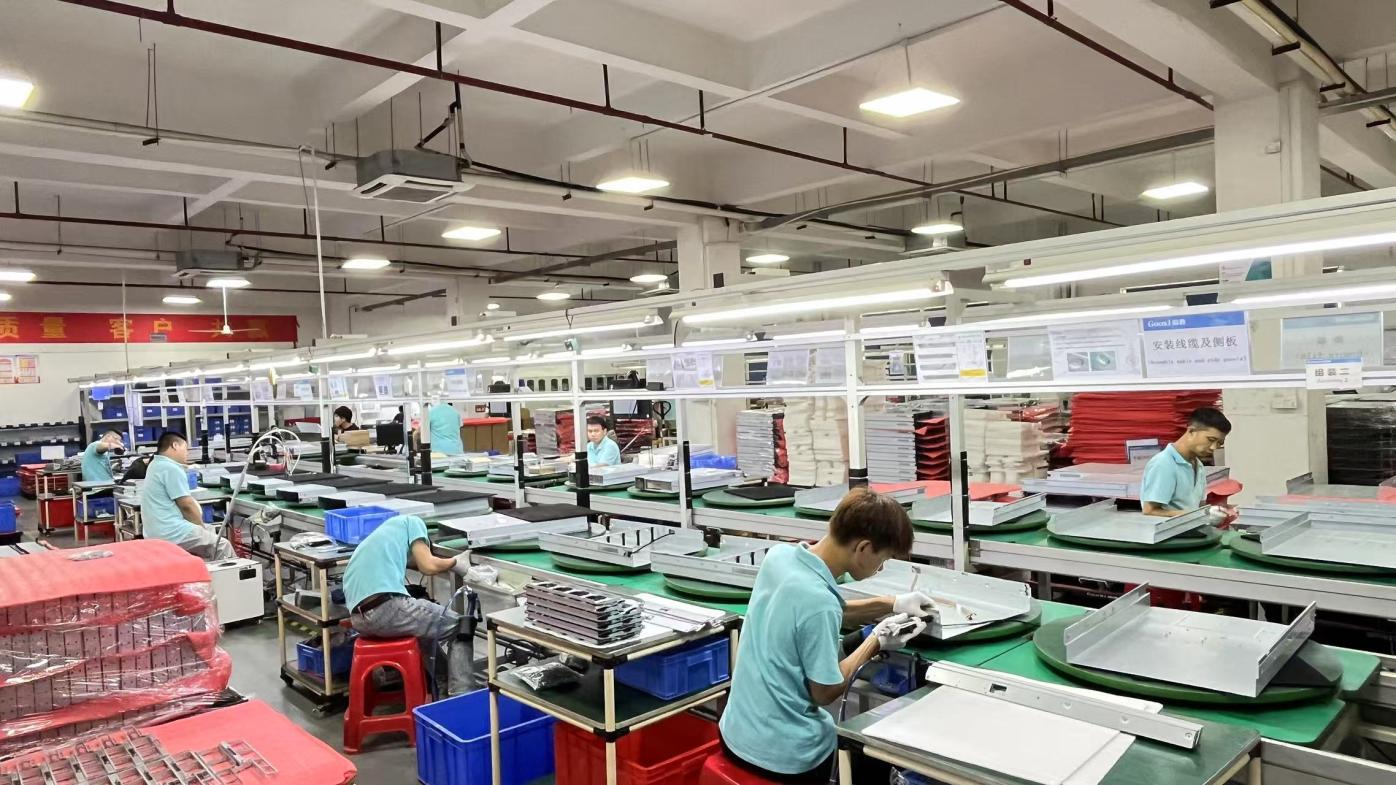
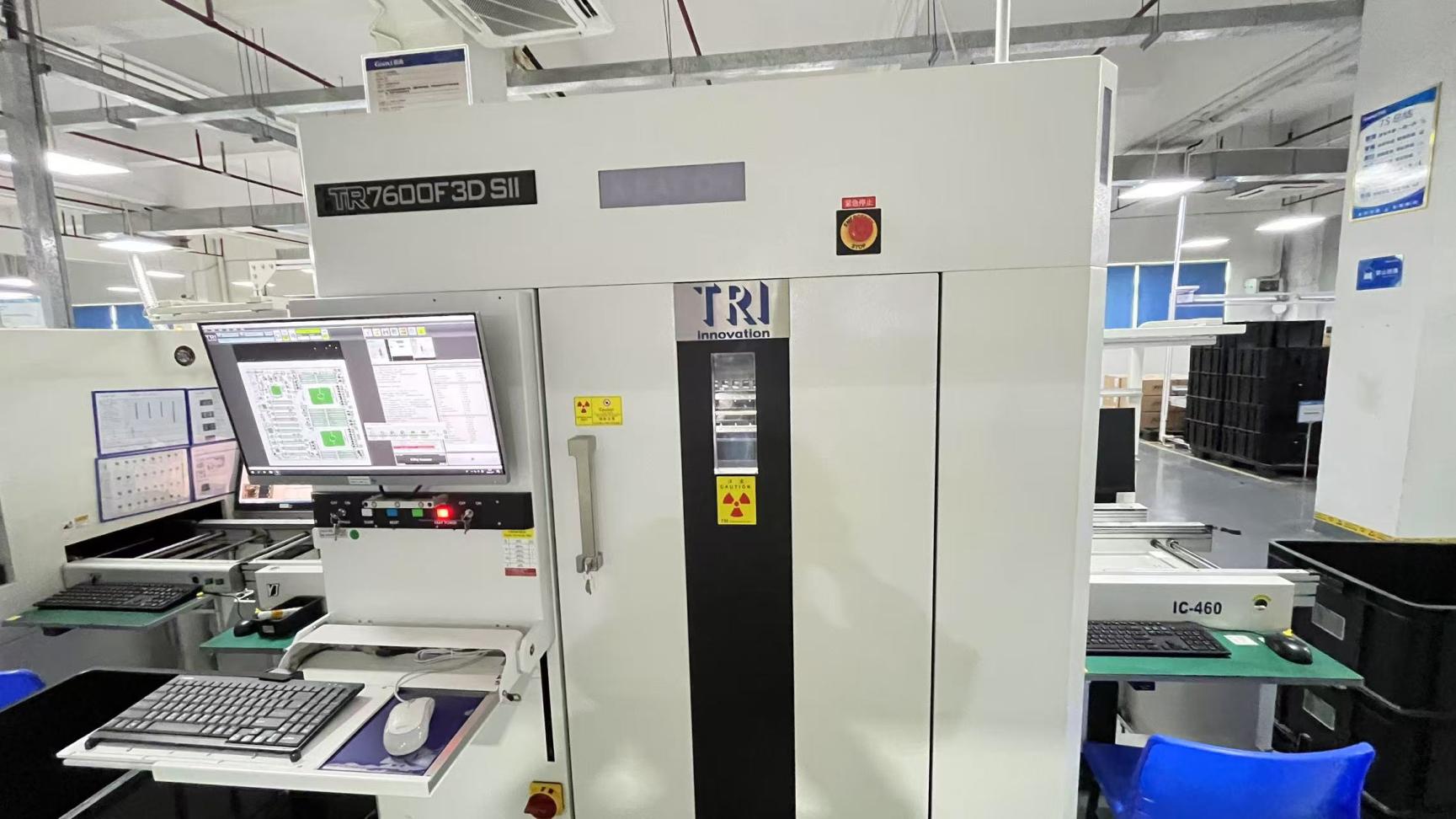
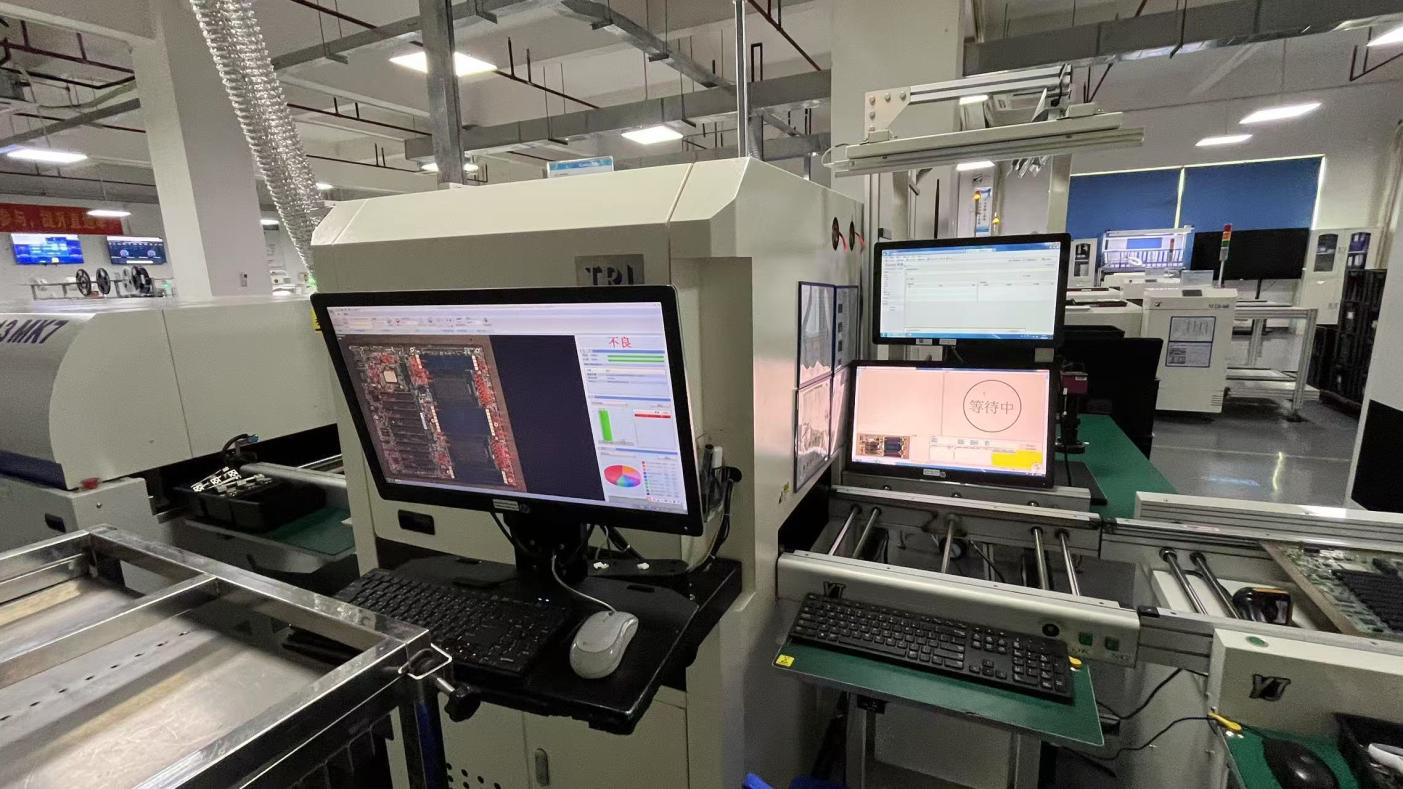
The concentration of raw material manufacturing, glass substrate production, driver IC packaging, and structural sheet-metal fabs in China provides B2B buyers with an unmatched competitive advantage. Under the Industry 4.0 paradigm, manufacturers leverage deep automation and connected systems to shorten prototype iterations and scale production line capacity.
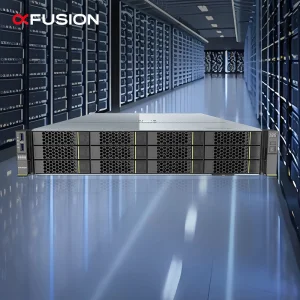
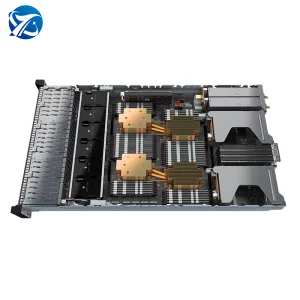
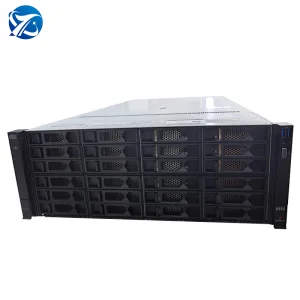
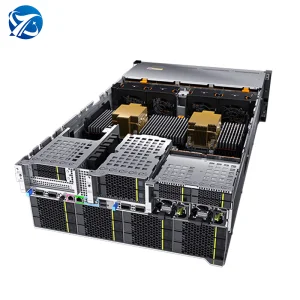
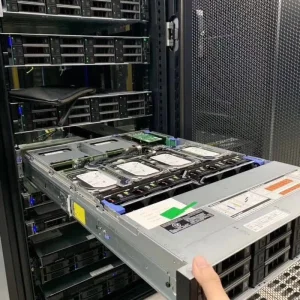
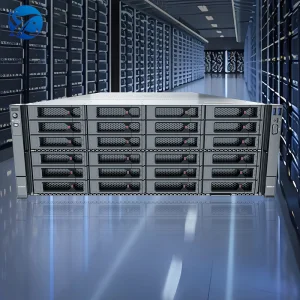
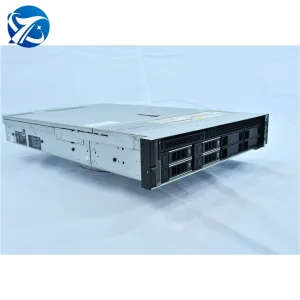
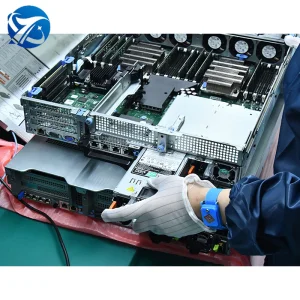
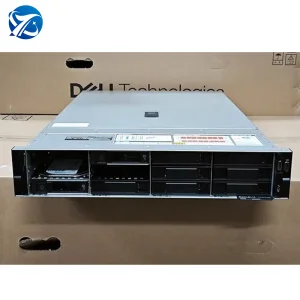
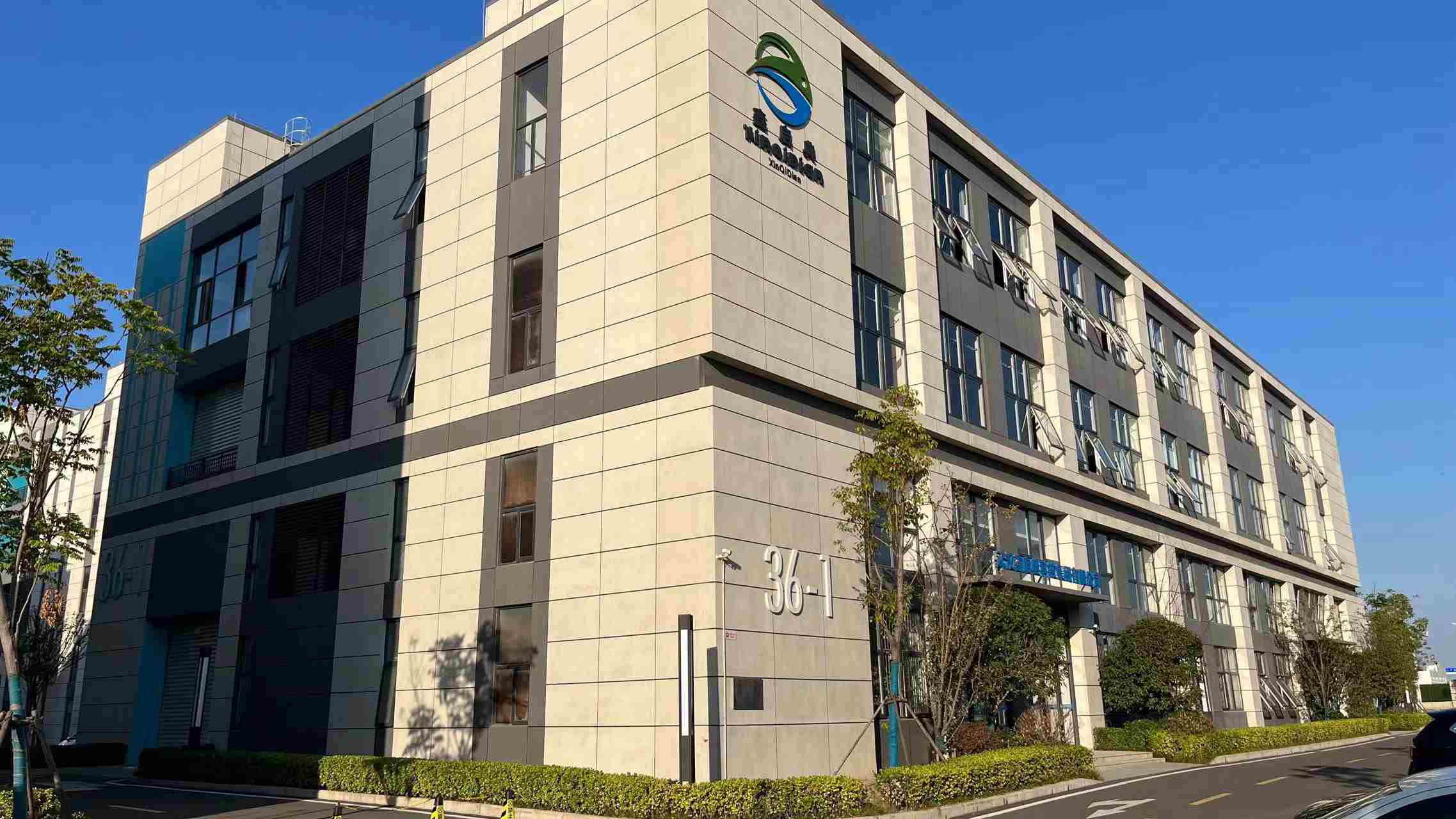
As a leading high-performance computing manufacturer supporting advanced edge network infrastructure, NexaGPU plays a pivotal role in this supply chain network. Operating out of a specialized 320㎡ engineering assembly and testing facility, NexaGPU designs and configures the heavy-duty rack servers, media NAS systems, and GPU compute clusters that serve as the brains of multi-display digital networks worldwide.
By coordinating with over 850 supply chain partners—ranging from industrial panel fabricators to high-density cooling fan producers and high-speed network cable suppliers—NexaGPU streamlines system architecture integration. In the past year alone, our engineering team has developed and brought to market 85 new hardware models, meeting the rapid evolution cycles of B2B digital media customers.
A comparative B2B analysis of the global leaders in commercial displays, smart software, and media playout nodes.
| Company Name | Primary Technology Focus | Core Target Markets | Hardware Strengths |
|---|---|---|---|
| Samsung Electronics | MicroLED, QLED, MagicINFO CMS Platform | Global Retail, Corporate Offices, Luxury Venues | Ultra-slim profiles, high color gamut, native CMS integrations. |
| LG Business Solutions | Transparent OLED, webOS Smart Platform | High-end Retail, Corporate lobbies, Transit Hubs | Flexible panel options, ultra-wide formats, reliable system-on-chip controllers. |
| NexaGPU Systems | AI Computing Nodes, High-Density CMS Media Servers | Data Centers, Large-scale Multi-screen Networks, AI-driven Signage | Industrial rackmount server systems, liquid-cooled processing, custom multi-channel output. |
| Leyard Optoelectronic | Fine Pitch DVLED, Large-Scale Video Walls | Control Rooms, Broadcast Studios, Arenas | Bezel-free LED cabinets, high refresh rates, robust modular designs. |
| Sony Professional | Crystal LED, High-Contrast Bravia Commercial Displays | High-end Corporate, Museums, Design Studios | Unmatched image processing, precise color calibration, energy efficient panels. |
| Panasonic Connect | Laser Projectors, High-Brightness Rugged Displays | Outdoor Venues, Public Transportation, Amusement Parks | Weatherproof sealing, high-lumen projection, extensive serial interface controls. |
| Scala (Stratacache) | Enterprise CMS, Integrated Media Players | QSR (Quick Service Restaurants), Retail Chains, Malls | High compatibility with diverse display panels, robust software scheduling. |
| Barco | Visualization Systems, Wireless Presentation Hubs | Command & Control Centers, Corporate Boards, Healthcare | High-security data processing, failover hardware setups, crisp resolution scale. |
| Daktronics | Massive LED Displays, Digital Billboards | Sports Stadiums, Highway Signage, Outdoor Advertising | Structural weather protection, high-nit outdoor displays, remote performance telemetry. |
| Planar Systems | Architectural Displays, Touch Screens | Airports, Educational Facilities, Broadcast Sets | Front-serviceable panels, ultra-fine touch interactivity, custom structural mounting. |
Bridging the gap between front-end visual displays and back-end computing nodes across diverse environments.
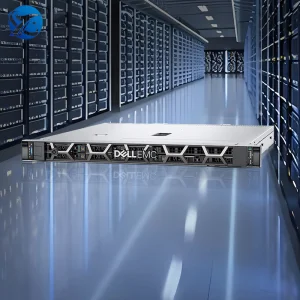
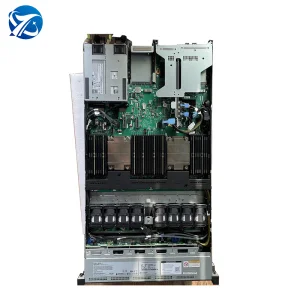
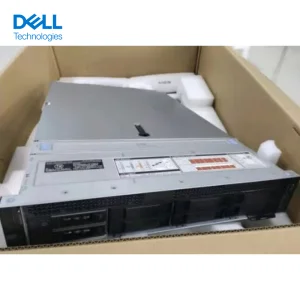
In high-density retail malls, screens present real-time pricing updates and interactive maps. Behind the walls, 1U and 2U rackmount servers process consumer foot-traffic data and manage regional media databases, distributing synchronised 4K video feeds to multiple screen controllers simultaneously.
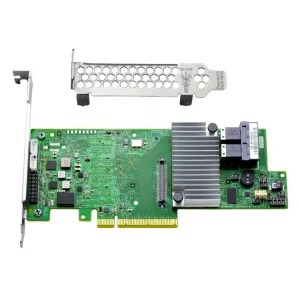
Flight information displays (FIDS) must remain continuously online, demanding extreme server redundancy. High-reliability RAID controllers and direct-attach cabling interface with centralized servers to update schedules instantly, providing real-time data flow with automated network failover capabilities.
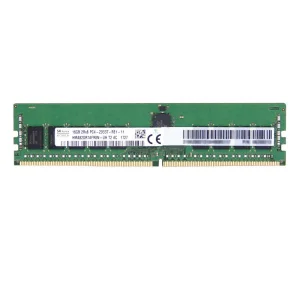
Boardrooms and lobby video walls require multi-source input switching and real-time screen share tools. Hardware setups rely on high-frequency DDR4 and DDR5 memory banks inside central server racks, avoiding dropped frames and maintaining clean visual clarity.
Resolving key architectural and supply chain questions for enterprise-grade digital signage rollouts.
A display screen is only the visual terminal. The actual performance, content database, schedules, and dynamic AI analytical tasks depend entirely on the backend computing servers. If the database storage or media server experiences system crashes or thermal throttling, the display terminals will fail to update, output black screens, or suffer noticeable frame drops.
By locating operations in close proximity to massive electronics supply chains, factories can source materials, test components, and assembly custom configurations at a fraction of the time. For example, NexaGPU leverages its 11 years of industry experience and network of over 850 partners to quickly deploy certified hardware designs, ensuring rapid delivery times and lower global shipping costs.
Commercial hardware requires strict thermal screening. NexaGPU implements multi-stage stress validation protocols including high-ambient heat chambers, system-wide workload testing, and stability checks managed by 45 QA specialists to verify that components remain stable under prolonged heavy computational loads.
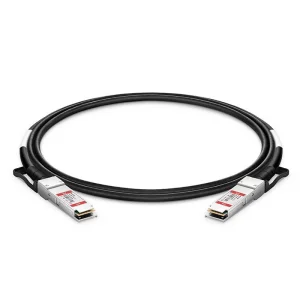
High-definition content distribution demands substantial data transmission. Direct-attach high-speed copper/fiber cabling (like 10G QSFP+ cables) guarantees clean transmission without signal attenuation, while hardware array cards (RAID controllers) secure rapid read-write access to media files on the server drives, avoiding visual buffering or frame tearing.