NexaGPU
NexaGPU
NexaGPU
Explore original factory-configured servers engineered for database caching, heavy I/O operations, and relational storage.
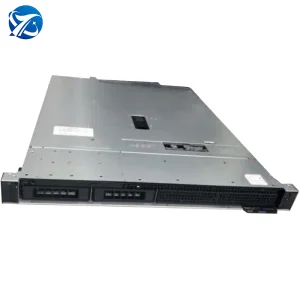
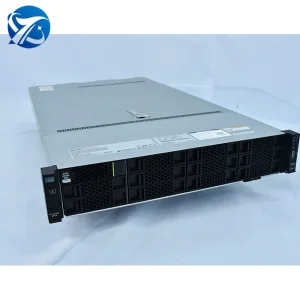
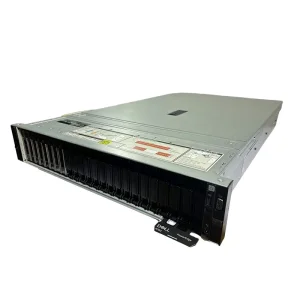
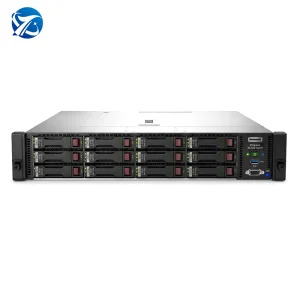
Modern data demands have outpaced generic computational models. With the rise of intensive transactional platforms, real-time analytics engines, and unstructured vector databases, the selection of the underlying hardware factory partner is critical. Standard commodity servers frequently bottleneck on data throughput, storage bus pathways, and memory allocation constraints.
Establishing robust Database Solutions requires deep integration between storage controller architecture and multi-tier server clusters. Selecting from the industry's top database solutions factories ensures that hardware architectures are custom-tailored to minimize I/O wait times, optimize memory bus efficiency (such as ECC DDR4/DDR5 pathways), and leverage high-speed inter-node fabrics.
Optimized BIOS configurations and custom RAID topologies ensure maximum transactions per second (TPS) for SQL workloads.
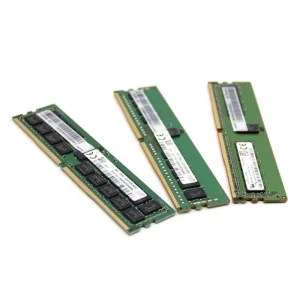
Support for multi-channel ECC DDR4/DDR5 ensures high-throughput caching, allowing databases to run entirely in RAM.
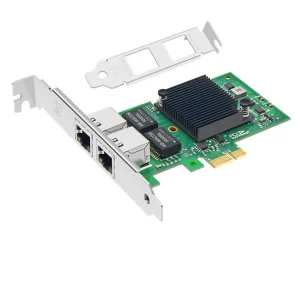
Optimized network adaptors (HBA cards, Fibre Channel, and 100GbE) bridge the gap between physical host and virtual instances.
When selecting or auditing a manufacturing partner for enterprise database appliances, global infrastructure directors prioritize specific engineering methodologies. Below is an overview of the key technological factors utilized by the top 10 database solution production lines to assure processing reliability and avoid bottlenecking.
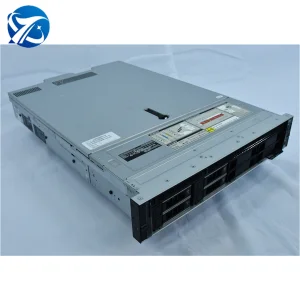
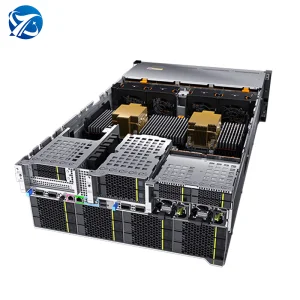
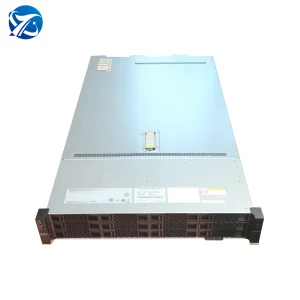
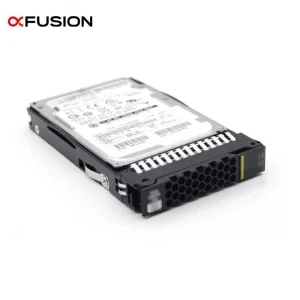
Database architectures, whether built on MySQL, PostgreSQL, or NoSQL solutions, depend on physical drive bays that support rapid disk hot-swapping and low latency. The integration of 25*2.5-inch arrays in modern 2U server designs allows for hybrid storage layers (SSD/HDD) within the same enclosure, reducing the overall footprint in data center racks.
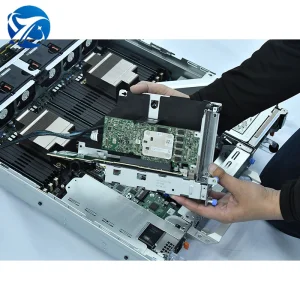
To assure localized database protection and zero-loss write cycles, dedicated components such as the 9540-8i RAID Controller Card with PCIe 4.0 bandwidth are utilized. These hardware cards offload computational tasks from host processors, ensuring strict parity calculation and caching without latency overheads.
For in-memory caching platforms like Redis or Memcached, raw bandwidth and stability are critical. The deployment of high-frequency DDR4 or DDR5 RDIMM server memories (e.g., 16GB, 32GB, or 64GB modules operating at 3200MHz with Error-Correcting Code) prevents software faults from crashing running server environments.
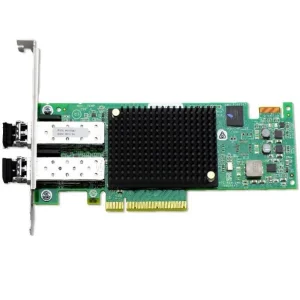
Storage Area Networks (SAN) demand massive data pipes. Implementing enterprise-tier host bus adaptors, such as the Emulex LPe35002-M2 Dual Port 32GB FC32 HBA Card, ensures that distributed database nodes can communicate with SAN target systems at ultra-low latencies over shortwave optical fiber cables.
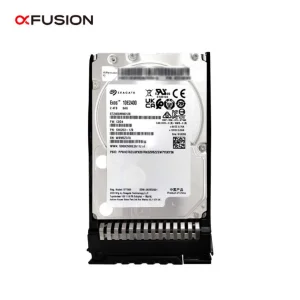
Solid-state drives designed for database nodes need to sustain heavy, continuous read/write operation cycles. NVMe SSD architectures (like the EP600 Series SSDs) utilize native PCIe pathways, avoiding the throughput limitations of traditional SAS/SATA interfaces, which yields high IOPS for concurrent query workloads.
Database solution factories implement power strategies with dual or quad Platinum-certified hot-swappable power supplies (PSUs) from 900W to 2000W. This guarantees uninterrupted server operations during single-line grid disruptions or local power supply component failures.
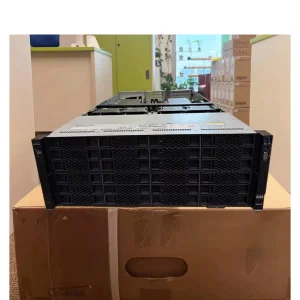
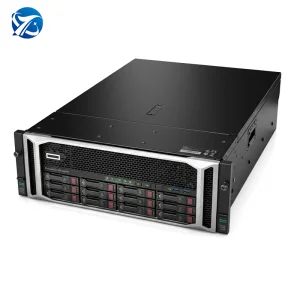
The rise of Large Language Models (LLMs) and vector databases (such as Milvus, Pinecone, or pgvector) requires servers capable of deep learning processes alongside standard storage functions. Integrating GPU computation arrays within custom 4U nodes like the FusionServer 5288 V7 merges data warehousing with immediate AI query parsing.
Modern data centers run warmer to lower cooling costs. High-density servers rely on smart chassis layouts, including direct-contact liquid cooling systems (e.g., in HPE ProLiant Gen12 nodes) and variable-speed fan grids, ensuring processors do not thermal throttle during peak database usage.
For global data center operators, remote system management is vital. Modern database factories construct systems that integrate secure BMC frameworks, enabling firmware updates, system status tracking, and hard restarts without physical operator access.
Hardware root-of-trust architectures verify the operating system bootloader before initialization. This ensures database hardware blocks external attacks, protecting sensitive stored client databases from unauthorized access at the silicon tier.
As regulations like GDPR, CCPA, and regional Data Security Laws tighten worldwide, database hosting must adapt. Modern hardware solutions require specialized BIOS configurations to enforce localized hardware encryption, key management, and data separation. Factories now work closely with enterprise IT architects to deploy localized security features directly into the hardware configuration. Localized technical support guarantees that should any component fail, regional technicians can execute replacements under strict Service Level Agreements (SLAs) without compromising data security guidelines.
Shenzhen's industrial cluster represents a global hub for high-performance computing components. By locating production facilities near these primary hardware ecosystems, database solutions factories optimize component sourcing times and manufacturing timelines. This regional integration enables agile hardware prototyping, rapid validation of custom configurations (such as custom storage cages or liquid cooling systems), and cost-effective testing cycles. Access to localized silicon, controller chips, and chassis builders ensures rapid market delivery, minimizing supply chain blockages for global buyers.
Global procurement teams prioritize a balance between performance, durability, and cost efficiency. When purchasing hardware for large-scale database clusters, key criteria include:
The database hardware landscape is shifting toward ultra-dense, energy-efficient, and AI-ready systems. The deployment of Compute Express Link (CXL) is changing memory resource management by allowing CPU, GPU, and RAM to share pools dynamically. Additionally, liquid-cooled infrastructure is transitioning from niche high-performance computing sites to mainstream enterprise data centers, motivated by high-wattage hardware components. Lastly, edge data nodes are pushing transactional power closer to localized data sources, requiring compact, hardened server builds (such as 1U rackmount systems).
Enterprise database configurations vary by location and industry application:
Learn more about NexaGPU's production capabilities, R&D engineering, and high-performance server testing protocols.
NexaGPU is a professional AI GPU server manufacturer and supplier specializing in high-performance computing infrastructure, GPU clusters, and customized AI server solutions for global enterprises, data centers, and AI development companies.
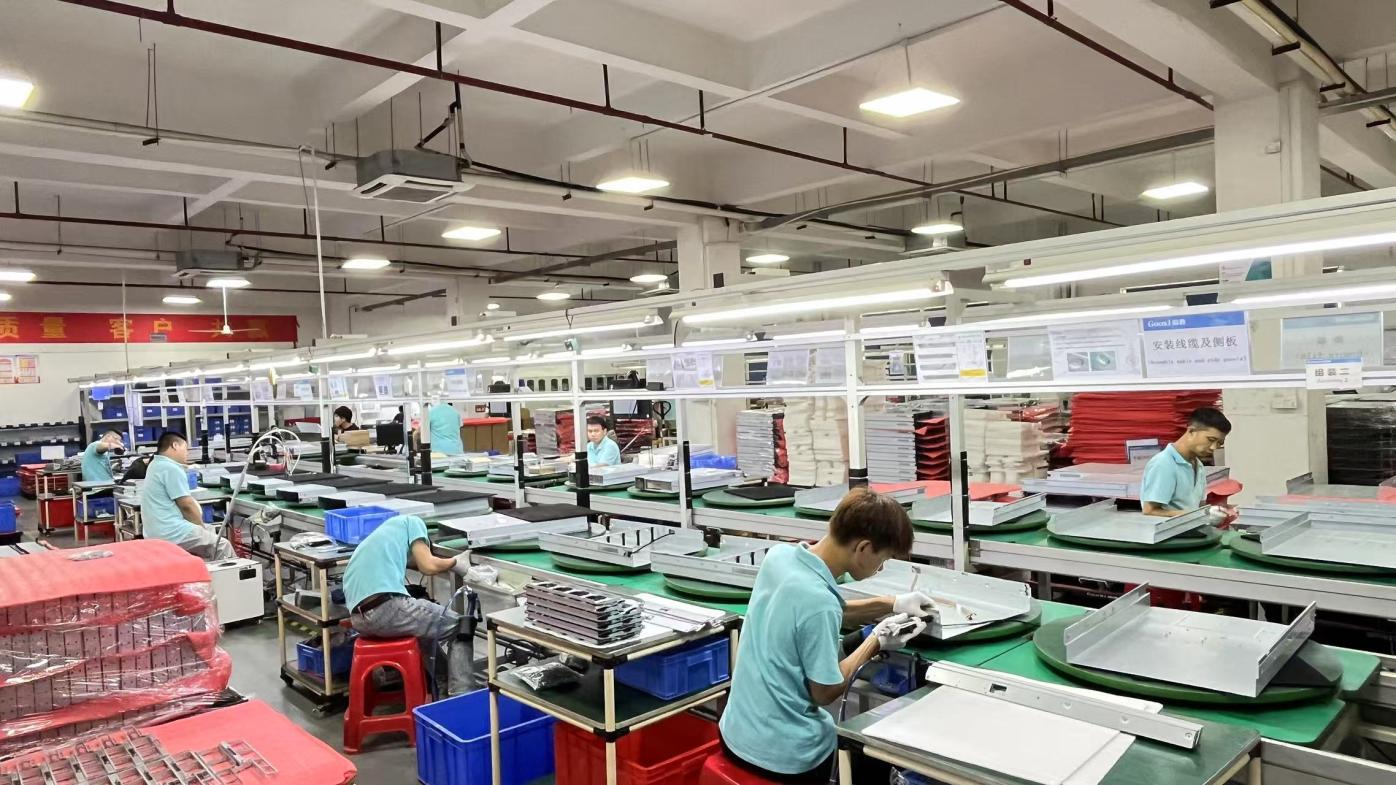
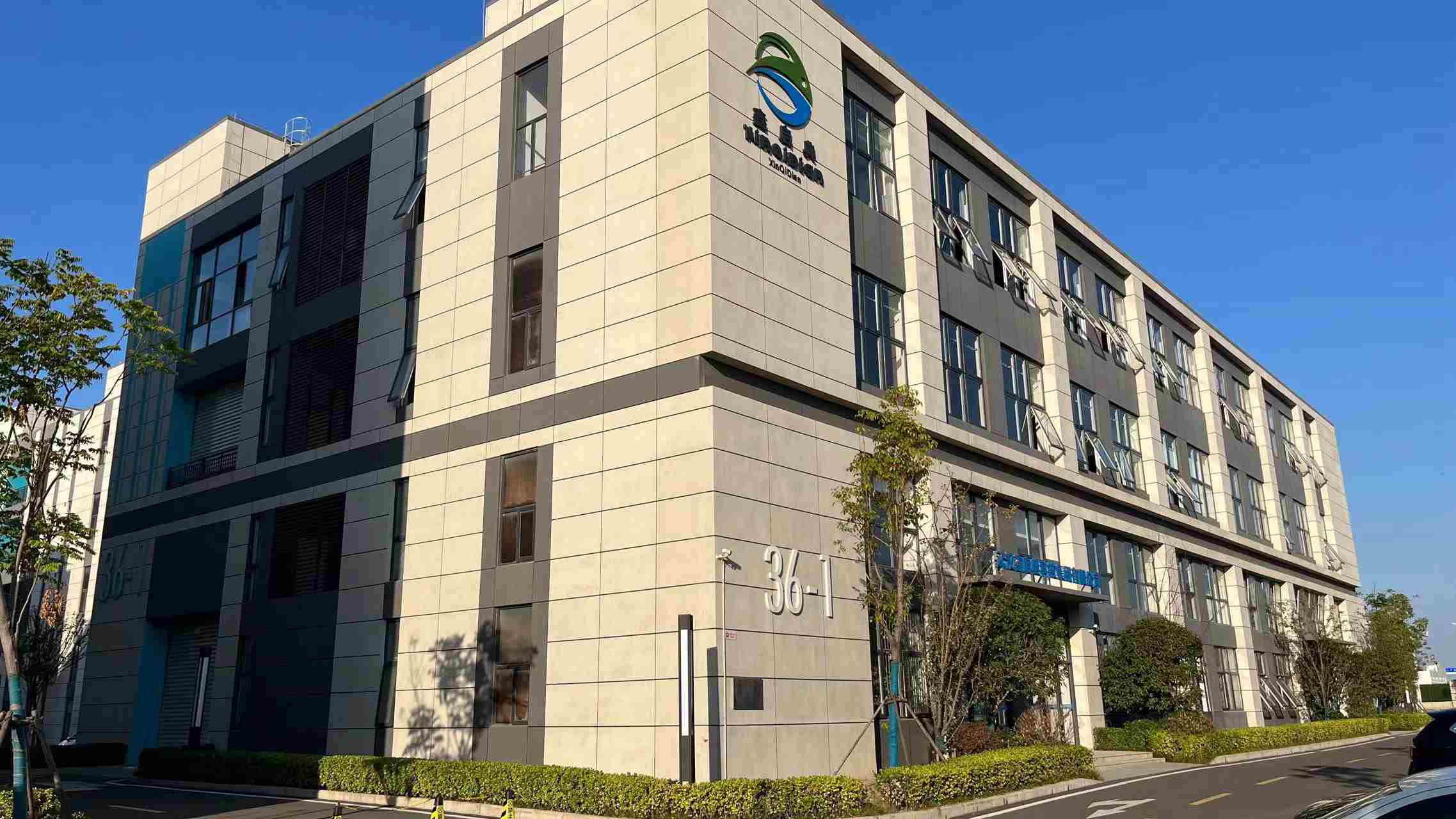
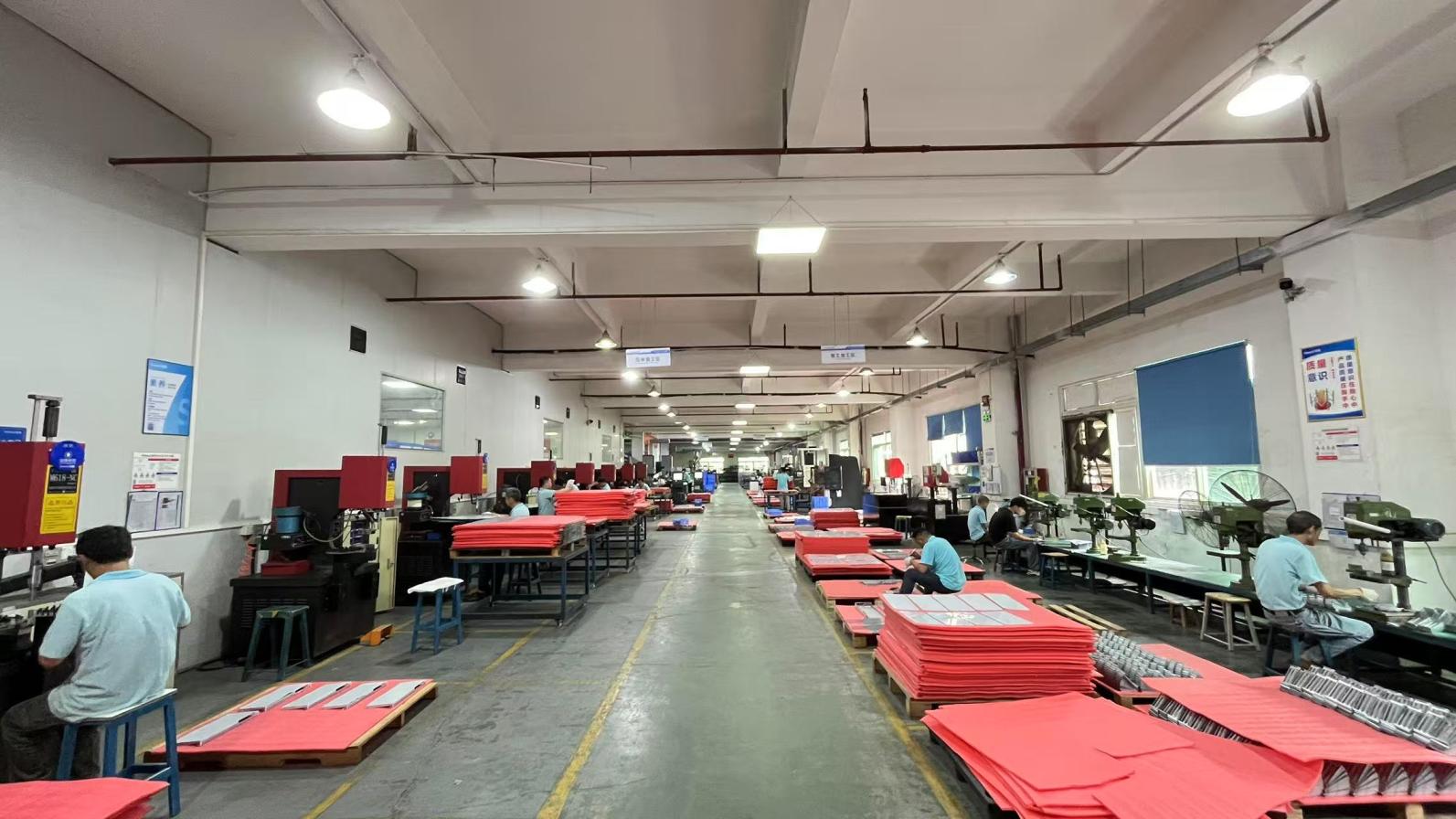
Established in 2016, NexaGPU has rapidly grown into a trusted provider of advanced GPU computing systems. The company operates a modern manufacturing facility with a building area of approximately 320㎡, supporting efficient production, assembly, and testing of AI server systems.
With an annual export revenue of USD 12 million, NexaGPU has built strong international business capabilities and maintains 6 years of export experience and 11 years of industry experience in high-performance computing and server manufacturing.
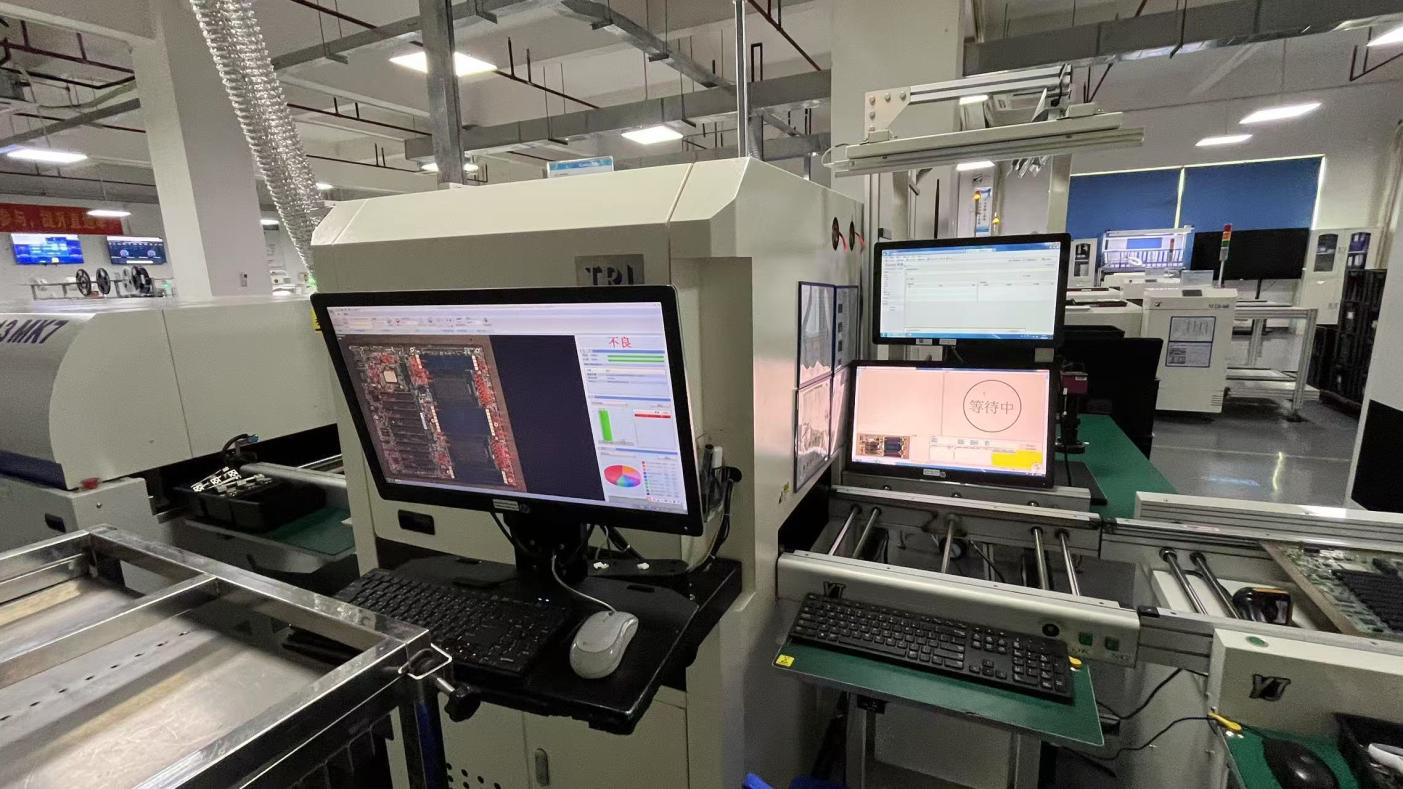
To ensure strict product quality, NexaGPU implements comprehensive multi-stage inspection processes, including hardware stress testing, thermal performance testing, and system stability validation. The company employs a dedicated quality assurance team of 45 QC specialists to maintain consistent product reliability.
NexaGPU has a solid trade background in global B2B technology supply chains, with major markets including North America, Europe, Southeast Asia, and the Middle East. The company works closely with over 850 supply chain partners, including GPU chip suppliers, motherboard manufacturers, server chassis factories, and cooling system providers.
Its main customer base includes AI startups, cloud computing providers, data centers, research institutions, and enterprise IT solution providers.
NexaGPU demonstrates strong R&D capability, supported by a team of 120 R&D engineers focused on GPU architecture optimization, AI server design, and liquid cooling technology. The company offers extensive customization options including GPU configuration, CPU selection, memory expansion, storage architecture, and liquid cooling systems.
In the past year, NexaGPU successfully launched 85 new product models, covering AI training servers, inference servers, and high-density GPU computing clusters.
Through continuous innovation and engineering excellence, NexaGPU is committed to delivering scalable, efficient, and reliable AI computing infrastructure for the global artificial intelligence industry.

Find answers to common questions regarding database server hardware configuration, testing, and shipping options.
Database-optimized servers focus on I/O throughput and memory cache. They feature custom PCIe lanes, multi-channel ECC RAM configs, and hardware RAID controllers (like the 9540-8i) to manage high concurrent data access, whereas general-purpose units prioritize generic compute tasks over low-latency storage access.
An HBA (Host Bus Adaptor) provides dedicated, high-speed fiber-optic data transmission between servers and external Storage Area Networks (SAN). Dual-port 32GB cards ensure that critical database traffic is not throttled, maintaining low-latency data access even during peak operational windows.
Factories implement multi-phase Quality Control checks, including components thermal stress testing, high-load memory diagnostics, and storage interface write validation. This ensures hardware stability and helps prevent system failure after data center deployment.
Yes. Many modern database solutions (such as vector databases used in machine learning environments) are optimized for GPU execution. Chassis designs like the FusionServer 5288 V7 are engineered to host multiple GPU modules alongside standard system processors.
Sourcing from the Shenzhen supply chain zone allows factories to access components rapidly, carry out iterative prototyping, and coordinate transport links. This helps reduce lead times and makes it easier to source replacement parts for global deployments.
Ensure hardware reliability by matching server platforms with validated components, enterprise-tier memory modules, and low-latency storage cards.