NexaGPU
Next-Generation Wireless Networking Solutions: A Technological Paradigm Shift
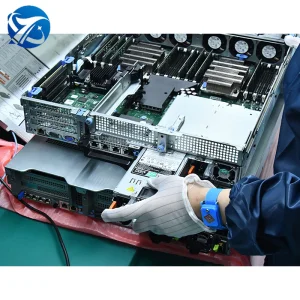
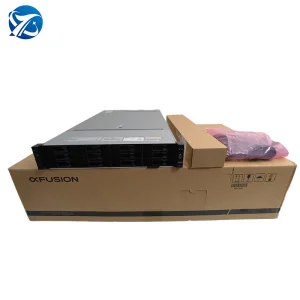
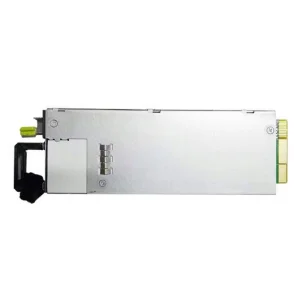
The global business ecosystem is undergoing a dramatic shift towards digital modernization. Today's commercial, industrial, and institutional organizations require high-density, low-latency communication networks. With the launch of modern standards like Wi-Fi 7 (IEEE 802.11be), Private 5G, and advanced Software-Defined Networking (SDN), wireless networking solutions are no longer just basic wireless access points. Instead, they form a complex ecosystem of edge nodes, wireless controllers, switches, and high-performance backend AI processing servers.
Wireless Networking Trends Shaping the Future
1. Wi-Fi 7 and Multi-Link Operation (MLO): The introduction of Wi-Fi 7 changes how enterprise networks handle congestion. Through MLO, client devices can transmit and receive data across multiple frequency bands (2.4 GHz, 5 GHz, and 6 GHz) simultaneously. This prevents interference and minimizes packet drop, creating fiber-like reliability for wireless office spaces and automated production floors.
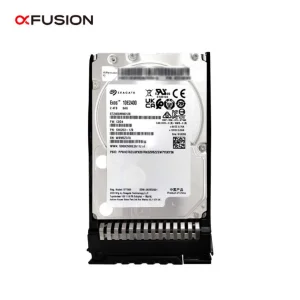
2. AI-Native Predictive Network Management: Modern B2B operations rely heavily on machine learning models hosted on local high-performance GPU server clusters. These systems analyze telemetry data from thousands of connected network sensors, predicting bandwidth shortages, identifying intrusion attempts, and optimizing coverage patterns in real-time.
3. Edge Computing and IoT Convergence: Industry 4.0 applications, such as Automated Guided Vehicles (AGVs) in smart warehouses, demand end-to-end latencies under 5 milliseconds. This has driven the adoption of micro-data centers positioned right at the network edge. These installations run localized AI inference models to make decisions instantly without relying on distant public clouds.