NexaGPU
NexaGPU
NexaGPU

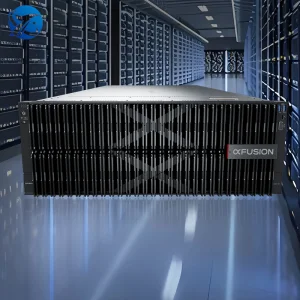
Enterprise virtualization has graduated from simple CPU slicing into highly heterogeneous hardware hyper-orchestration, driven primarily by generative AI workloads, containerized orchestration, and bare-metal flexibility.
In today's global enterprise landscape, legacy software hypervisors are undergoing a generational shift. With the changing monetization models of monolithic software vendors, global enterprises, Cloud Service Providers (CSPs), and localized data centers are looking to open-source KVM, Proxmox VE, and specialized lightweight hypervisors to handle high-throughput computation. Concurrently, hardware-level containerization requires hypervisors that support Direct Memory Access (DMA), Single Root I/O Virtualization (SR-IOV), and multi-tenant vGPU spatial partitioning.
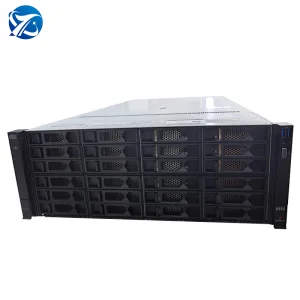
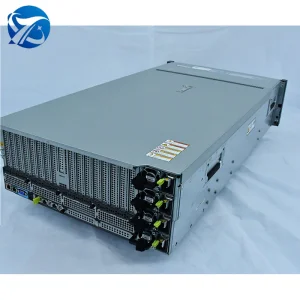
Modern virtualization software demands hardware that matches these paradigms. Without dedicated physical configurations optimized for memory bandwidth, low latency PCIe switching, and thermal stability under persistent workloads, hypervisor software suffers performance leakage, resulting in severe resource degradation. As OEM/ODM server designers, NexaGPU designs hardware architectures built from the ground up to prevent these hypervisor bottlenecks, providing direct synergy between the hypervisor kernel and bare-metal processing nodes.
Compute Express Link (CXL) is redefining physical resource pooling. By enabling shared memory access between CPUs and accelerators across virtual machines, CXL minimizes latency, dynamic memory allocations, and hypervisor overhead in high-density rack computing environments.
Modern workloads require fractional GPU assignment. Hypervisor technologies mapping software partitions directly to physical streaming multiprocessors (SMs) ensure that deep learning inference engines, graphic nodes, and desktop clouds maintain physical isolation without wasting expensive GPU cycles.
Virtualization security is transitioning to confidential computing. AMD SEV-SNP and Intel TDX provide memory encryption at the hardware level, assuring multi-tenant cloud customers that host administrators or co-located VMs cannot peek into proprietary runtimes or dataset buffers.
NexaGPU, established in 2016, is a premier AI GPU server designer and supplier. We specialize in high-performance computing (HPC) hardware, custom hypervisor integration, and optimized bare-metal solutions. Operating with a core technical background spanning 11 years, we collaborate with over 850 global supply chain partners to source premier silicons, high-efficiency system boards, and advanced cooling components, ensuring complete control over manufacturing quality.
Scenario: Distributed multi-tenant clusters hosting state-of-the-art LLMs (e.g., DeepSeek models) requiring dynamic compute allocation.
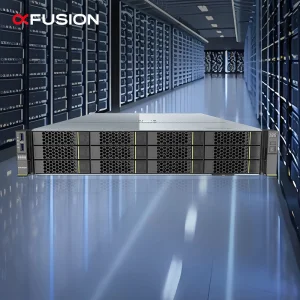
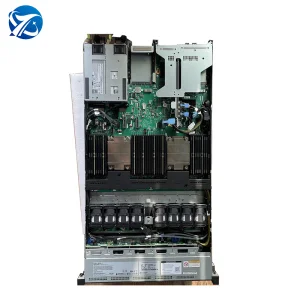
Technical Implementation: NexaGPU custom 1U and 2U nodes deploy customized KVM-based hypervisors. Utilizing SR-IOV, the architecture delivers raw GPU processing capabilities to independent user spaces with virtualized networks (VxLAN) running at line-speed, eliminating host-side translation delays.
Scenario: Mission-critical trading nodes requiring deterministic latency profiles running in hyper-converged virtualization environments.
Technical Implementation: Employing hypervisor kernel patching along with NUMA node-pinning on NexaGPU dual-socket boards. Core-isolation protocols map physical cores and dedicated RAM zones to specific trading algorithms, dropping latency variation (jitter) by 92% compared to standard hypervisors.
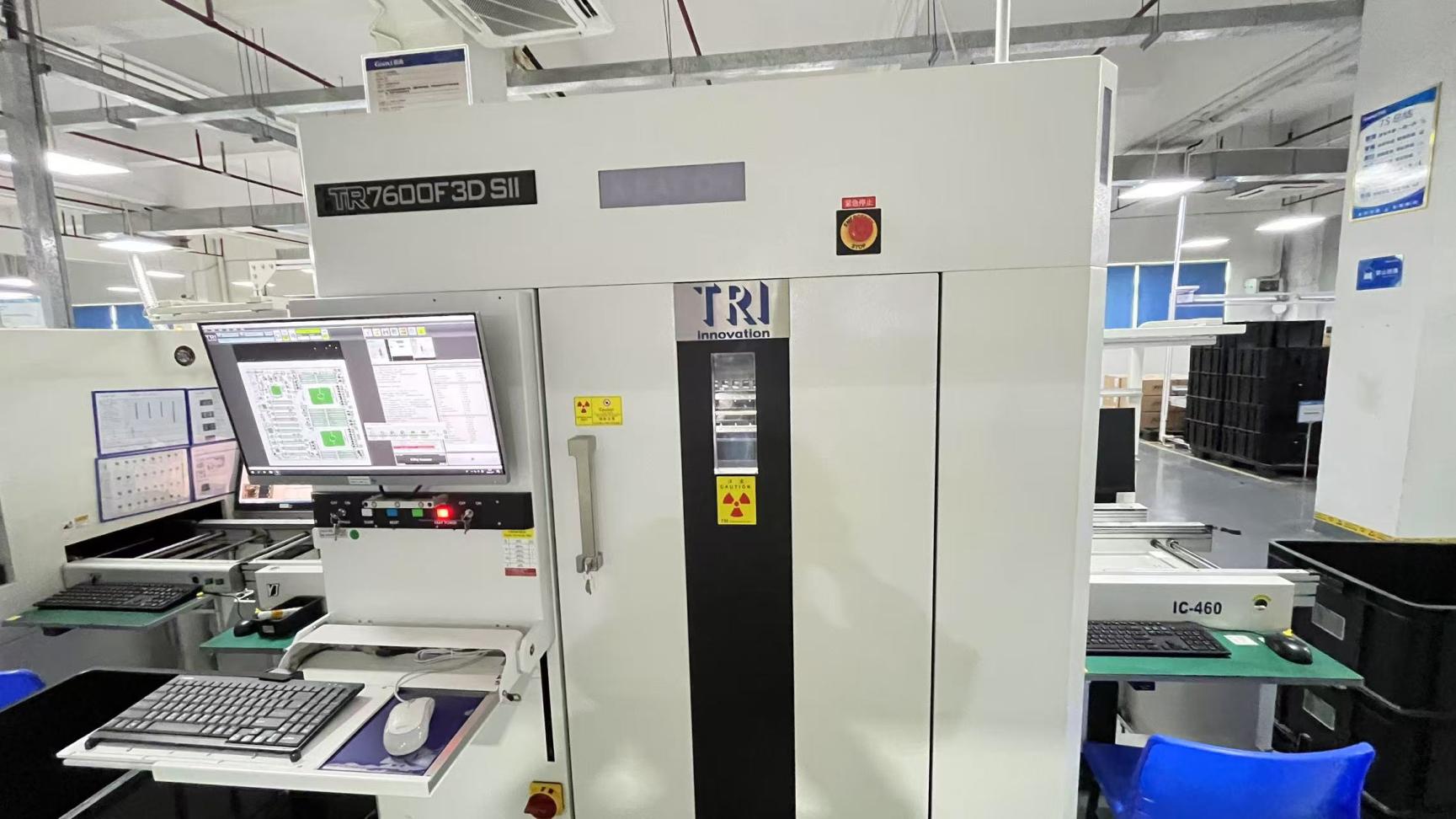
Every piece of virtualization hardware must withstand extreme multi-tenant computing stressors, demanding meticulous R&D optimization.
NexaGPU provides comprehensive OEM/ODM integration, aligning custom hypervisor layers (including Proxmox VE, VMware ESXi, Nutanix, and open-stack virtualization modules) with tailor-made server chassis configurations. Our engineering team of 120 R&D specialists modifies BIOS configurations, adapts IPMI out-of-band management protocols, and configures hardware watchdog controllers to guarantee autonomous failovers.
Our 45 QC experts implement rigorous testing protocols. These include: hardware-in-the-loop (HIL) stress testing, sustained high-ambient thermal testing (in chambers up to 45°C), dynamic voltage fluctuation simulations, and hypervisor-driven memory leak evaluations. By verifying the platform's stability over 72 hours of persistent compute loads, we ensure our global hardware delivery is production-ready for the world’s most demanding data centers.
As TDP limits for next-generation GPU and CPU architectures climb past 500W-1000W, traditional air cooling is hitting physical limitations. NexaGPU’s hardware roadmap integrates direct-to-chip liquid cooling plates to ensure low thermal resistance in virtualized, dense cluster servers.
Offloading software hypervisor tasks (networking, security policies, storage virtualization) onto dedicated Data Processing Units (DPUs) or SmartNICs releases core CPU resources back to tenant virtual machines. This reduces resource tax and guarantees bare-metal operational speeds.
Working alongside over 850 strategic partners across North America, Europe, Southeast Asia, and the Middle East, NexaGPU mitigates supply risks. We lock down multi-quarter silicon allocations, guaranteeing on-time global fulfillment for large infrastructure rollouts.
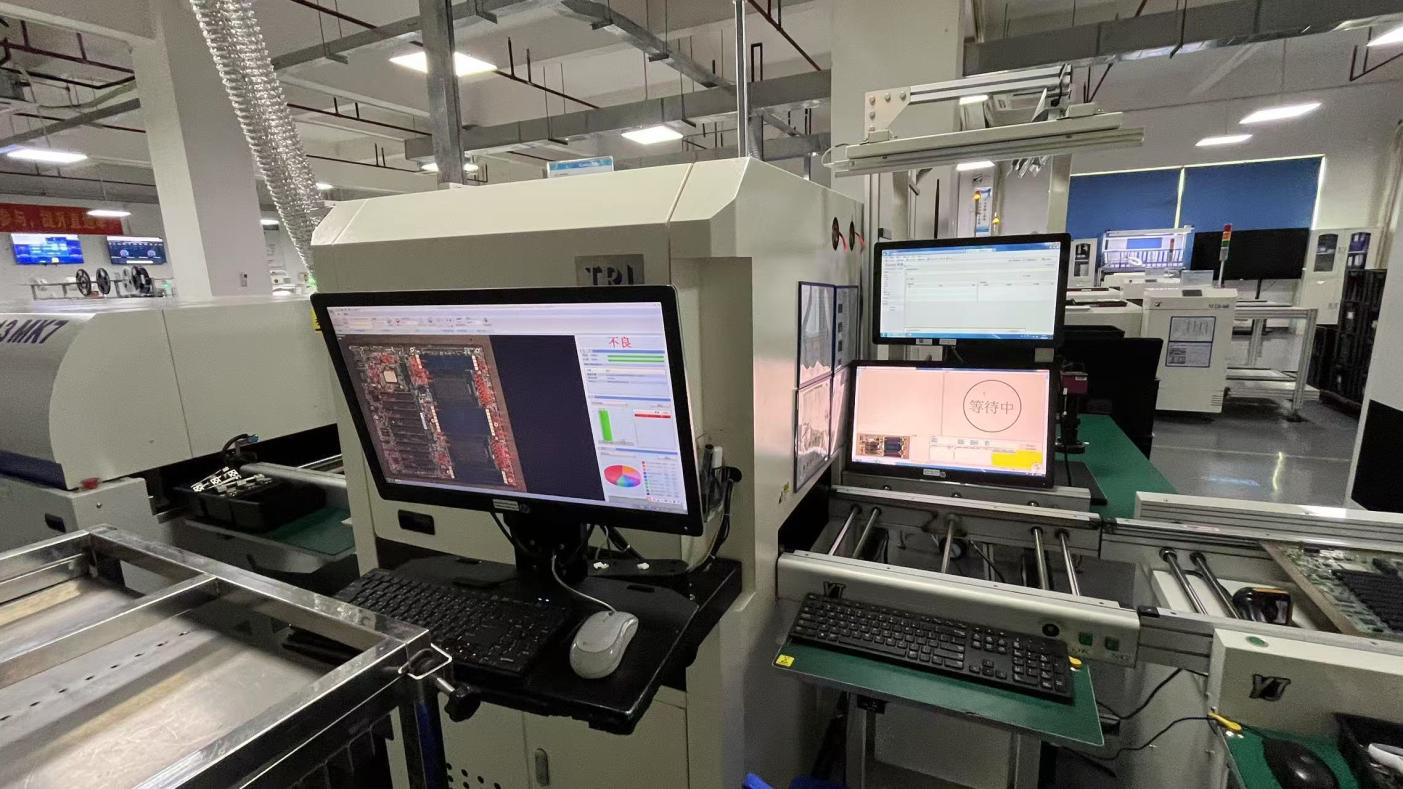
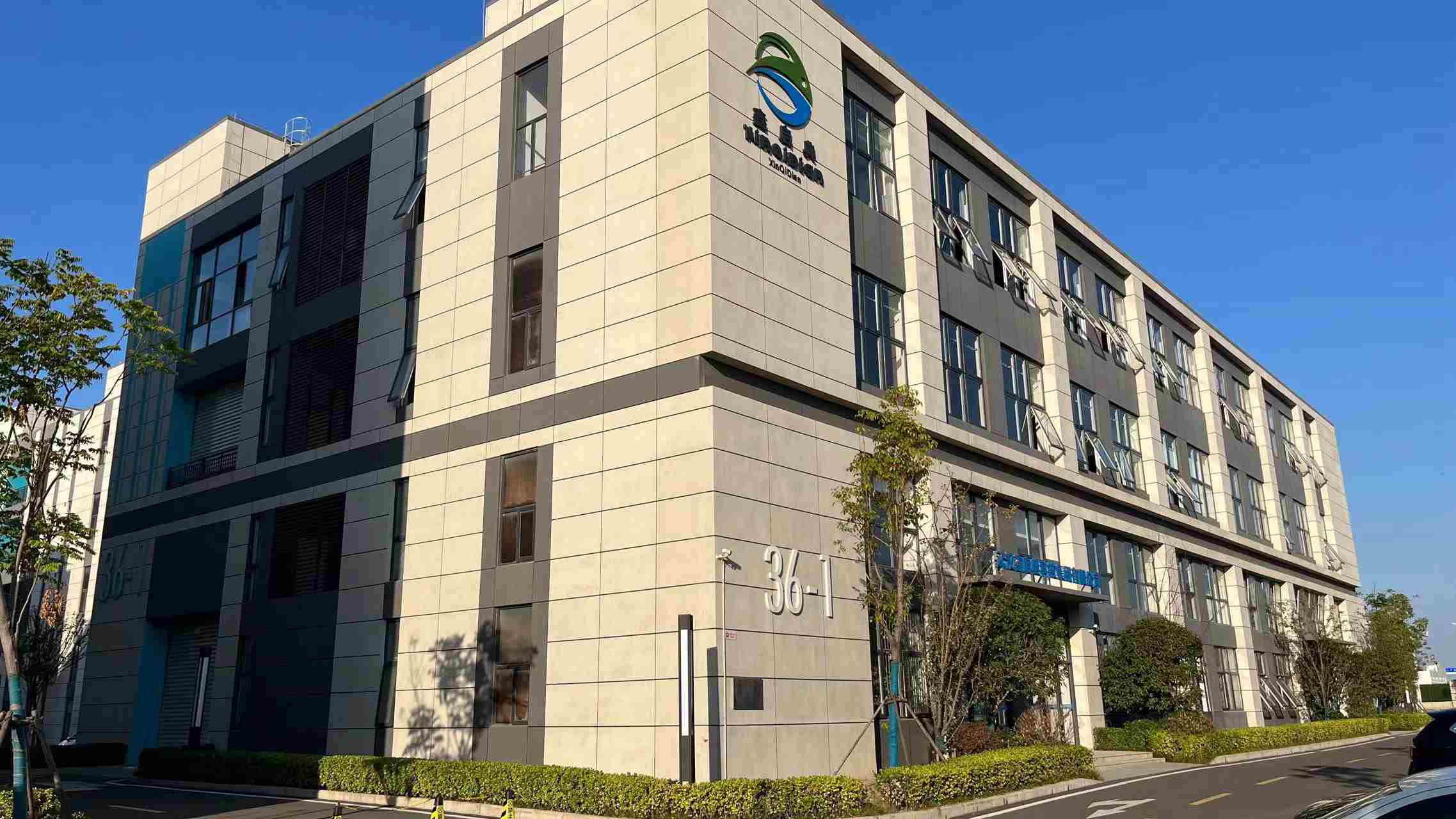
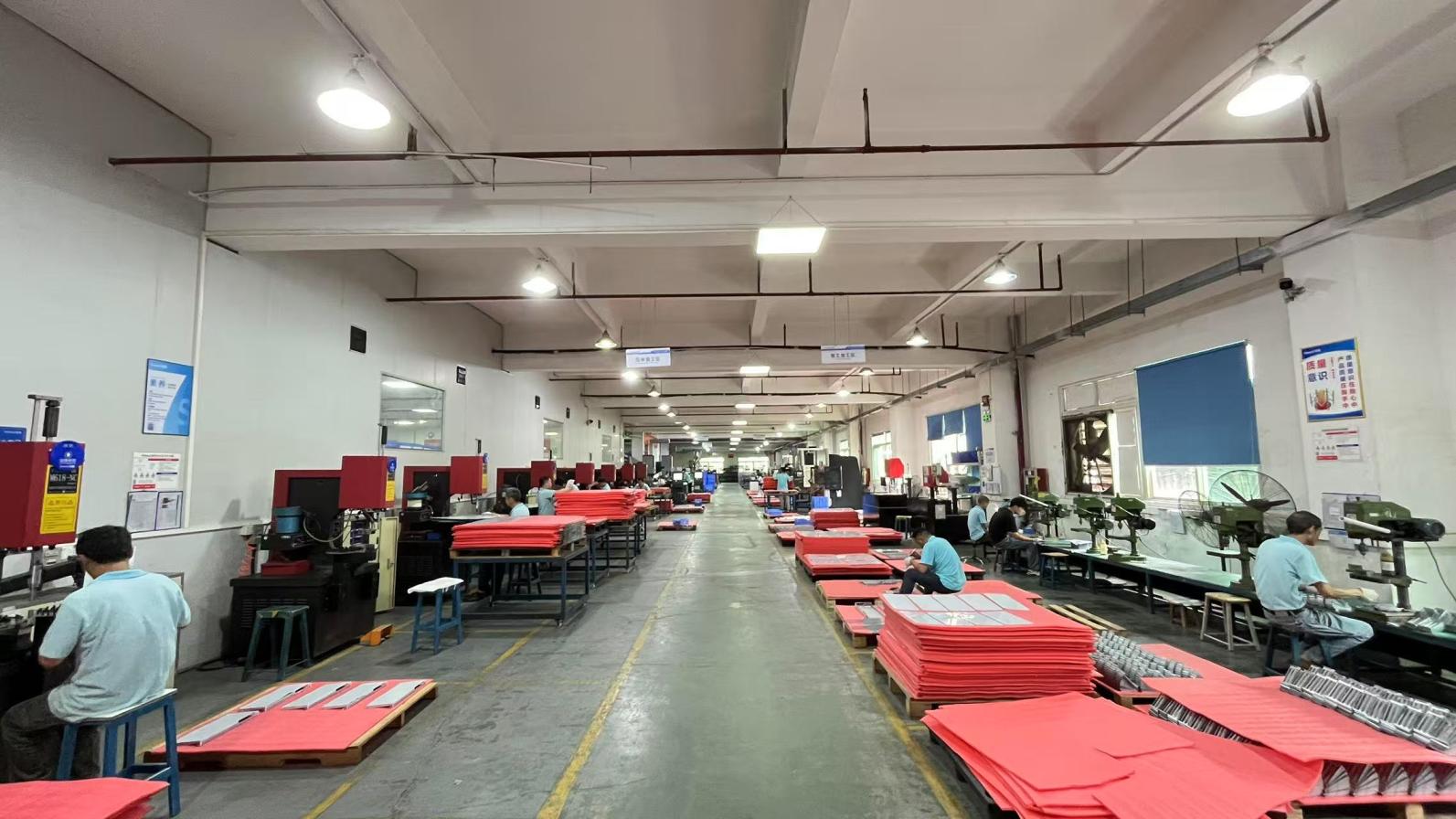
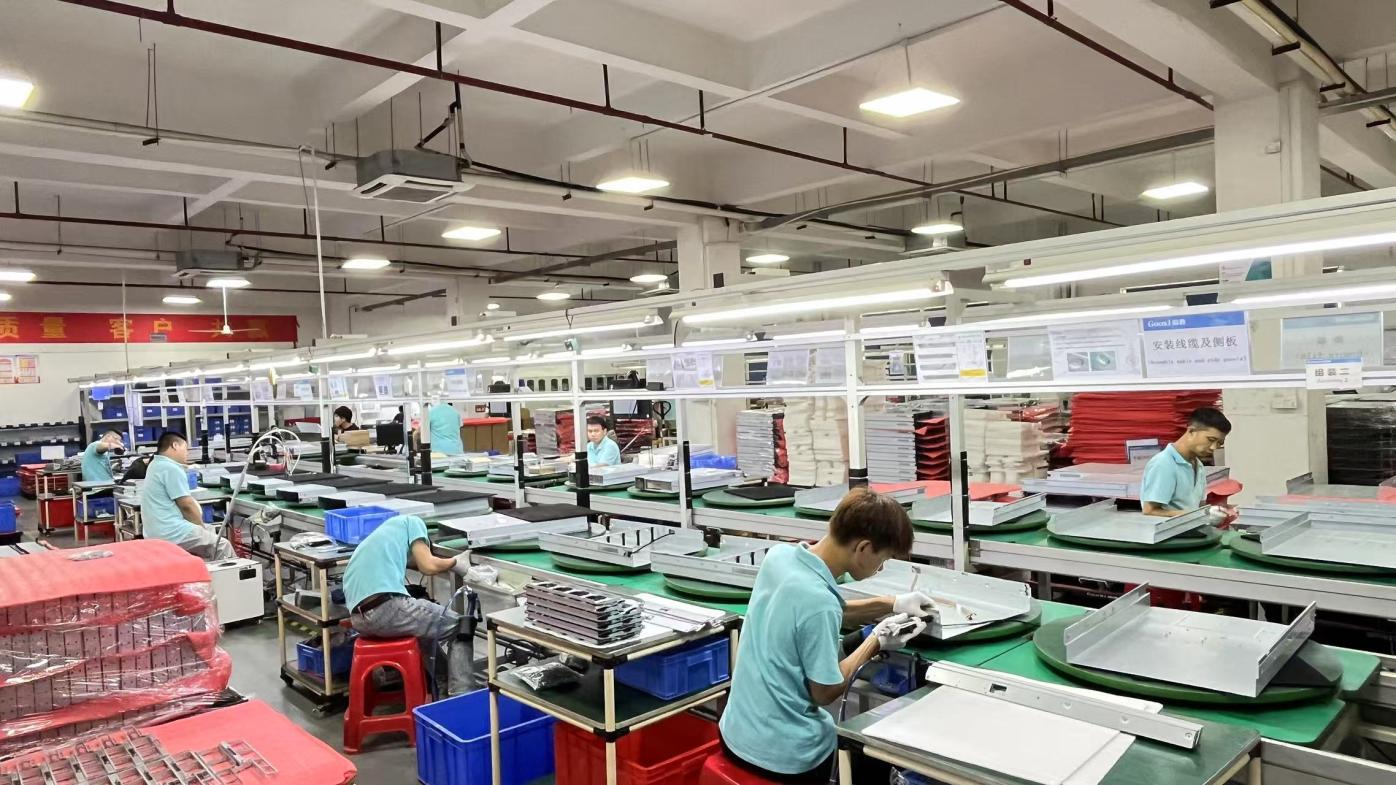
NexaGPU operates advanced production facilities. From motherboard configuration to full-rack hardware stress testing under virtual environment virtualization workloads, all phases are strictly monitored inside our climate-controlled testing zones.