NexaGPU
NexaGPU
NexaGPU
In the rapidly changing digital landscape, data centers and enterprise computing operations are shifting towards high-performance paradigms driven by artificial intelligence (AI), machine learning (ML), and big data analytics. The rise of V6 server technologies represents a major milestone in standardizing quad-socket architectures, deep integration of GPUs, and high-density thermal management.
OEM/ODM customization is crucial for tailoring these systems to specific industrial workloads. Companies are moving away from generic off-the-shelf equipment. Instead, global B2B operations require specialized compute architectures that align memory bandwidth, PCIe channel distribution, and cooling systems with their exact software configurations.
Maximizing FLOPS per rack unit using high-density Intel Xeon Cooper Lake/Ice Lake processors and multi-GPU node fabrics.
Optimizing throughput with multi-channel RDIMM structures, supporting fast transfer frequencies to prevent data starvation during AI training.
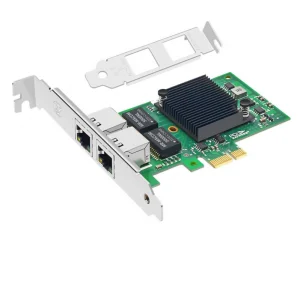
Implementing high-lane-count PCIe Gen 4/Gen 5 interconnects, dedicated SmartNIC cards, and fast storage controllers to minimize system latency.
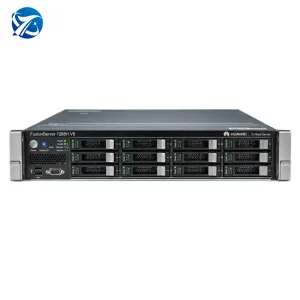
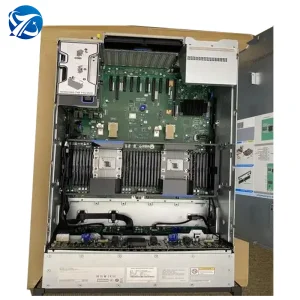
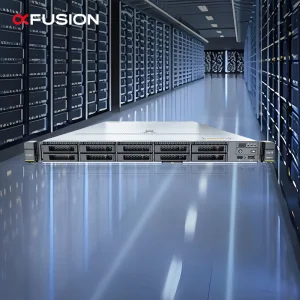
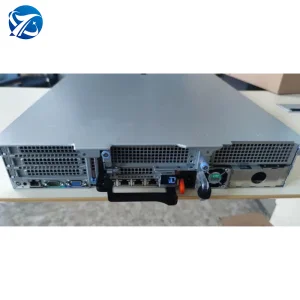
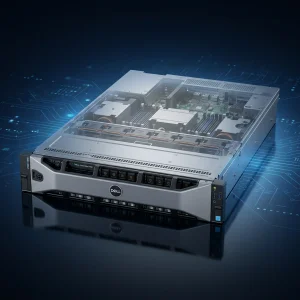
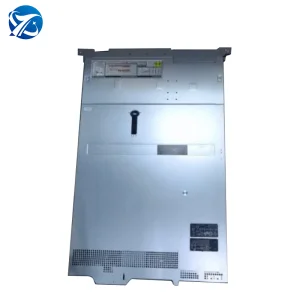
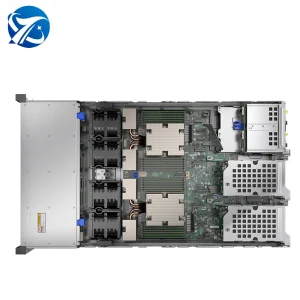
Under this framework, V6 servers (like the xFusion FusionServer 2488H V6 or the GPU-dense FusionServer G5500 V6) provide the hardware base required for heavy parallel computing. Designed to optimize high-performance processors and accelerators, these platforms act as the core computational engine for modern global infrastructure.
Achieving performance parity with modern deep learning models requires carefully balanced server sub-systems. A single bottleneck in the memory bus, storage controller, or expansion slot can lower the overall system efficiency, wasting expensive silicon assets. Let's analyze the technical design that makes V6 server architectures highly effective for modern B2B deployments:
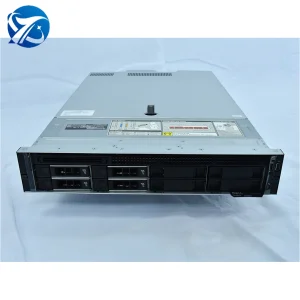
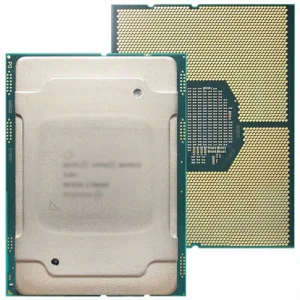
V6 platforms support quad-socket (4S) rack designs within standard space constraints, using high-core processors such as the Xeon Gold 5318H/5320H/6328H/6330H Cooper Lake series. This configuration provides a significant leap in computing density compared to standard dual-socket servers. By linking four processors via Ultra Path Interconnect (UPI) links, system latency for cross-socket communications drops substantially. This supports fast NUMA-aware application processes, which is ideal for in-memory database environments, high-frequency financial calculations, and local artificial intelligence models.
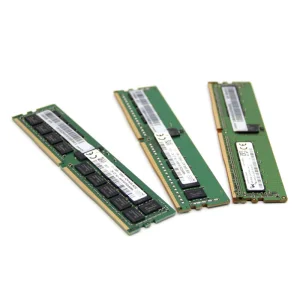
Memory systems on these platforms use high-performance DDR4 and DDR5 modules. The integration of high-bandwidth memory, such as the XFusion Fusionserver RDIMM DDR4 3200MHz RAM, ensures the processor cores receive steady data flows. Running at 3200 MT/s in multi-channel arrangements, these memory cards provide the high throughput required for heavy data operations. With options up to 64GB per slot, a single 2U node can hold terabytes of system memory, allowing large deep-learning models to remain active in memory without relying on slower storage drives.
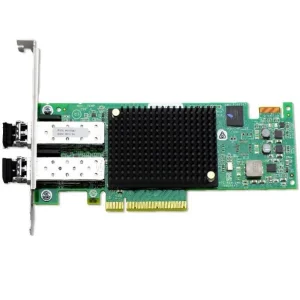
To prevent storage bottlenecks, V6 architectures utilize advanced hardware cards. The XP270-M2 SAS3808 BootCard offers hardware-level RAID 0/1/JBOD support directly at the bus line, ensuring quick OS booting and system reliability without using primary PCIe slots. For external networking, fiber channel interfaces like the Emulex LPe35002-M2 Dual Port 32GB FC32 HBA Card deliver ultra-reliable, high-speed storage area network (SAN) connections. Operating with dual-port 32GFC short-wave optical LC SFP28+ transceivers, this interface ensures high-throughput, low-latency data transfers for clustered enterprise storage systems.
As a professional AI GPU server developer and manufacturer, NexaGPU builds high-performance computing infrastructure, GPU clusters, and custom server setups for global enterprises, researchers, and data center operators.
Operating from a modern production facility with a dedicated building area of approximately 320㎡, NexaGPU ensures precision assembly, custom system design, and rigorous testing of enterprise-grade compute platforms. NexaGPU's R&D team focuses on custom GPU setups, cooling configurations, and power optimization to help customers run complex models like DeepSeek and custom AI applications.
Our quality assurance process includes multiple testing stages, managed by 45 QC specialists. Every server undergoes hardware stress runs, thermal profiling, and system stability validation to ensure long-term reliability under heavy enterprise workloads.
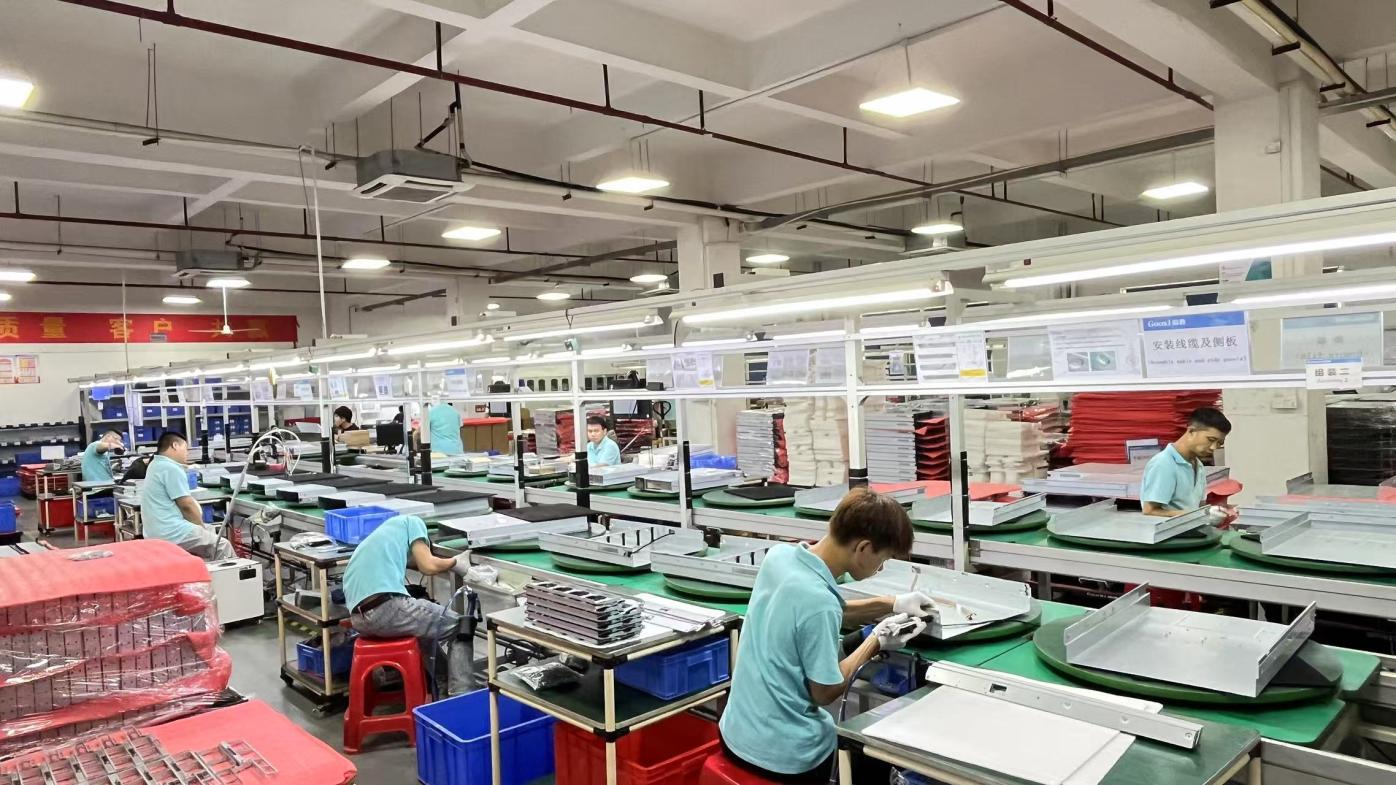
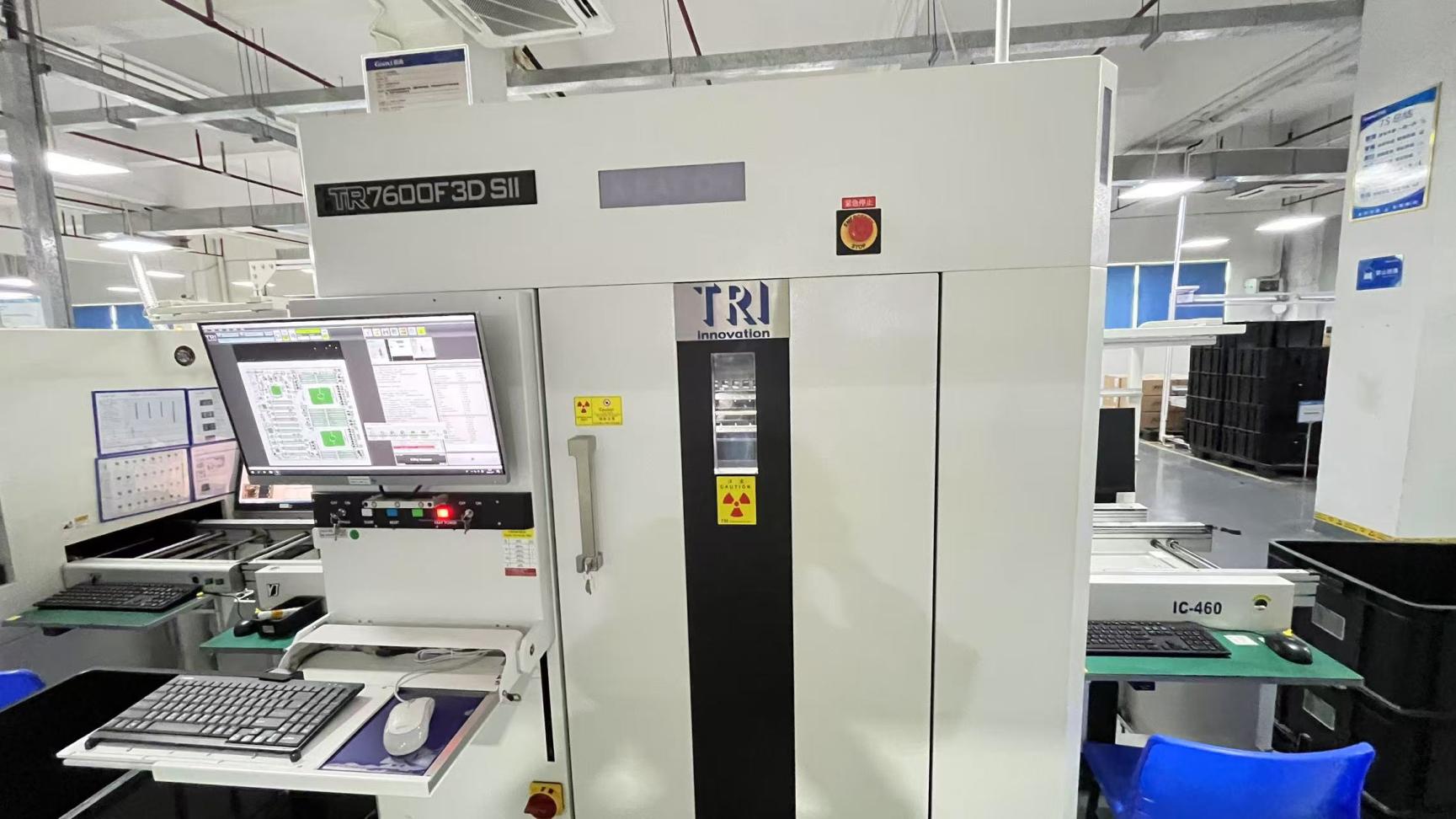
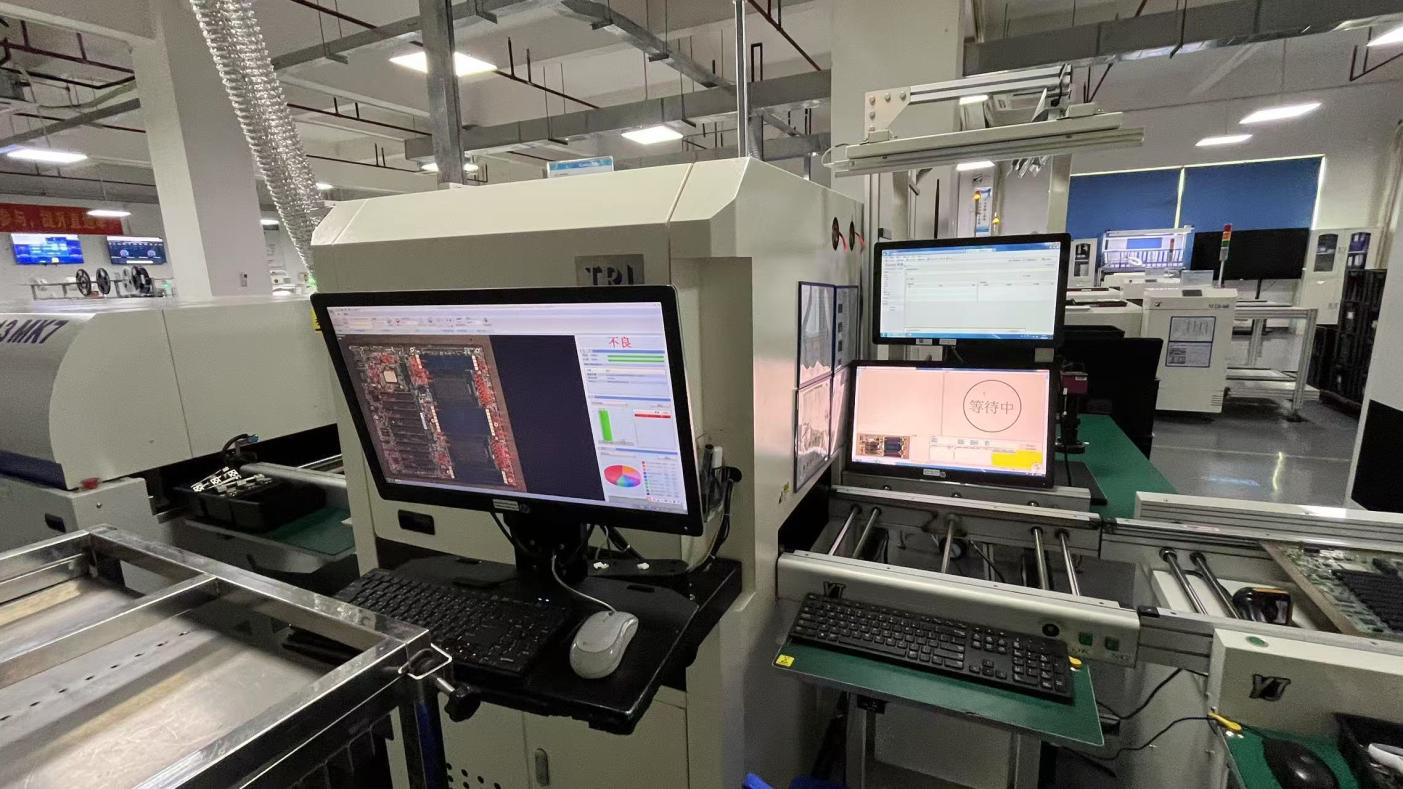
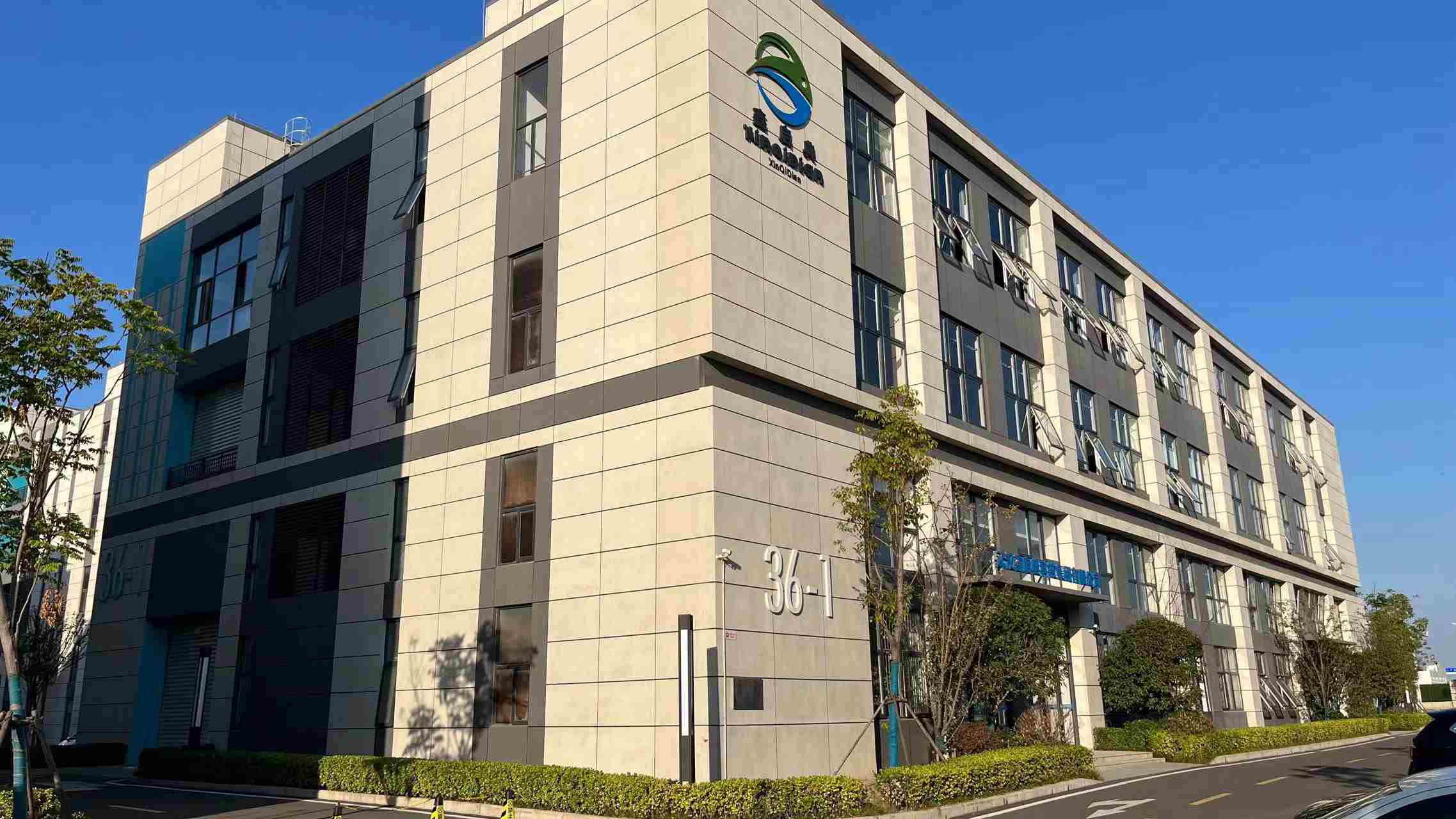
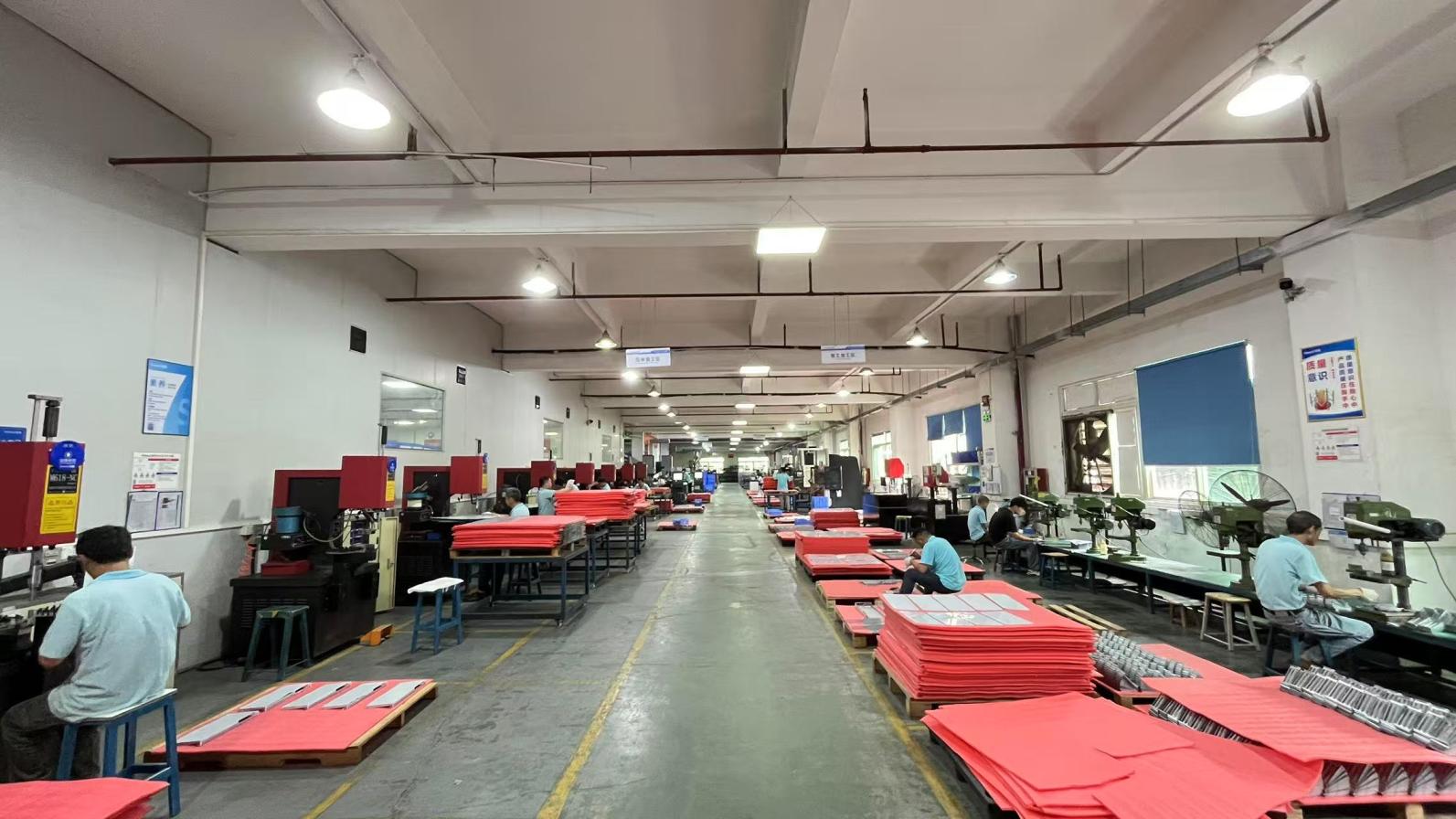
NexaGPU works with over 850 global supply chain partners—including semiconductor vendors, motherboard manufacturers, and thermal management suppliers—to ensure reliable component availability. Our custom OEM/ODM services cover CPU selection, memory configuration, PCIe storage routing, and advanced liquid cooling designs. Over the past year, we launched 85 new product designs to address the growing compute needs of global B2B clients.
Modern businesses face diverse workloads, from training deep neural networks to processing real-time transactions at the edge. V6 server platforms are designed with the flexibility to adapt to these varying demands:
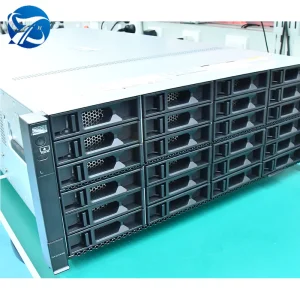
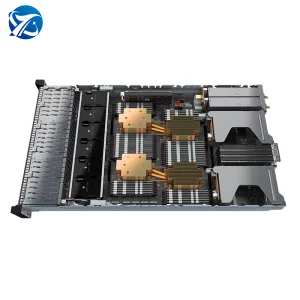
By using PCIe-centric architectures like the FusionServer G5500 V6, operators can connect multiple high-performance GPUs. This configuration minimizes CPU-to-GPU latency, accelerating large-scale training runs, neural networks, and DeepSeek workloads.
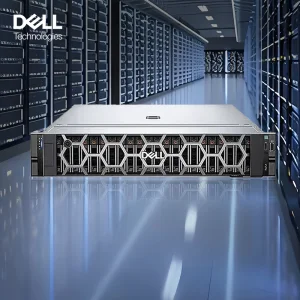
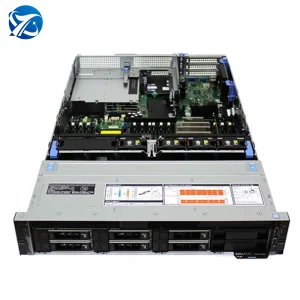
For cloud service environments, platforms such as the Dell PowerEdge R760 and R760xs offer scalable virtualization performance. With multi-socket Intel Xeon CPUs and fast DDR5 memory, they allow system administrators to run dense virtual machines while keeping resource contention low.
By pairing low-latency systems (such as the 2488H V6) with fast SAS3808 storage controllers and Emulex 32Gb fiber channel HBAs, financial institutions can execute transactions and process heavy database queries with minimal lag.
Enterprise compute systems require reliable international shipping and compliance with local standards. NexaGPU coordinates regional support and logistics to ensure seamless delivery and integration in key global markets, including North America, Europe, Southeast Asia, and the Middle East.
Our products meet critical international standards, including CE, FCC, RoHS, and UL certifications. We coordinate customs handling, secure packaging, and transport logistics to deliver systems safely to your facilities. For local deployment, we offer:
As workloads expand, technology must evolve. Future server architectures will focus on larger bus widths, smart system management, and efficient liquid cooling designs.
The transition to V7 and subsequent compute platforms introduces PCIe Gen 5 support, wider memory channels, and CXL (Compute Express Link) protocols. CXL enables shared memory pools across CPUs and accelerators, significantly improving resource utilization.
NexaGPU's development roadmap focuses on integrating direct-to-chip liquid cooling systems and high-density rack configurations. These upgrades help manage the thermal output of high-power processors and GPU clusters, lowering data center Power Usage Effectiveness (PUE) and improving overall efficiency.
V6 platforms offer substantial architecture upgrades over V5 systems, including support for PCIe Gen 4/5 interfaces, larger UPI bandwidth links for multi-socket servers, and multi-channel DDR4/DDR5 support. These features help clear data throughput bottlenecks and allow for higher density layouts.
Every custom build is managed by our team of 45 QC specialists. The hardware undergoes multiple validation stages, including thermal stress tests, component stress tests, and firmware compatibility checks, ensuring all systems meet enterprise-grade performance and reliability standards.
The Emulex LPe35002-M2 Dual Port 32GB FC32 card provides low-latency, high-bandwidth storage area network (SAN) connections. By shifting storage data processing to the HBA processor, it frees up CPU cycles for core application workloads.
Memory compatibility depends on the motherboard and processor generation. Many V6 models utilize DDR4-3200MHz RDIMMs, while newer nodes require DDR5 formats. Our R&D engineering team can configure systems to match your existing components and optimize compatibility.
For dense GPU environments, we install high-RPM hot-swappable cooling fans with intelligent speed controls. For higher-density setups, we offer custom direct-to-chip liquid cooling systems to maintain stable operating temperatures and prevent thermal throttling.
Lead times vary based on configuration details and current component supply. Standard builds typically ship within 2 to 4 weeks after layout approval, while highly customized systems requiring custom metalwork or liquid-cooling loops may take 6 to 8 weeks.