NexaGPU
NexaGPU
NexaGPU
Pre-optimized for severe load testing scenarios, hyperscale workloads, and enterprise deployment.

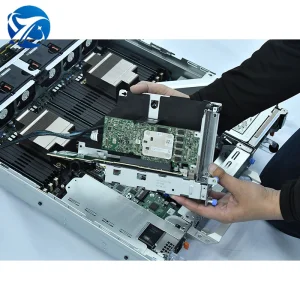
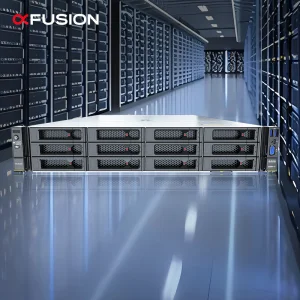
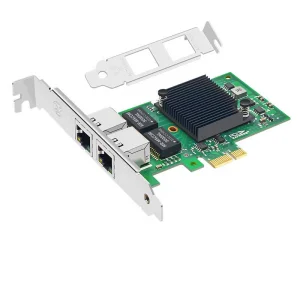
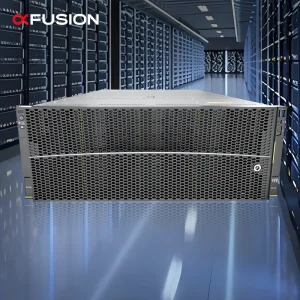
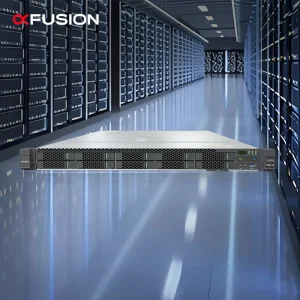
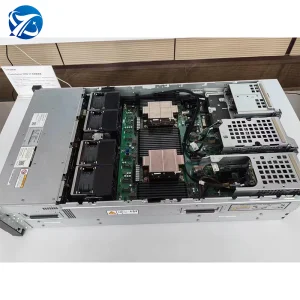
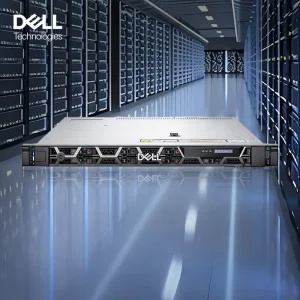
Unlocking Peak Performance, Reliability, and Density under Extreme Computations
Modern cloud systems, large language models (LLMs) like DeepSeek, and vast AI training pipelines demand unprecedented levels of server reliability. As computational environments scale, single-node crashes or thermal throttling events can cause catastrophic, multi-million dollar delays. This reality underscores the vital role of comprehensive Server Load Testing Tools. Without robust stress testing and emulation platforms, hardware architectures face elevated failure risks under real-world runtime stress.
For OEM/ODM hardware manufacturers, load testing is not merely a final inspection checklist—it is an intrinsic phase of architectural engineering. By integrating specialized testing toolchains, engineering teams simulate extreme thermal, computational, network, and storage stress. This ensures that every hardware node, from GPUs to memory registers, handles concurrent traffic spikes and continuous deep-learning batch computations without degradation.
Developing servers capable of handling these loads requires deep understanding of system bottlenecks. Factors such as transient power surges, thermal hot-spots in high-density GPU racks, and I/O serialization blocks require proactive design-phase validation. Enterprise-grade load testing programs emulate high-concurrency connections, parallel query loads, and raw hardware limits, revealing hidden system anomalies before the server leaves the factory floor.
NexaGPU acts as an engineering partner, bridging the gap between hardware assembly and operational validation. Our custom server solutions are meticulously designed, thermal-modeled, and subjected to rigorous stress tests. We ensure that our systems arrive ready to execute workloads under the most demanding enterprise service-level agreements (SLAs).
How Hardware Architecture and Software Simulation Intersect for Maximum Dependability
Executing realistic workloads via synthetic testing suites enables engineers to validate hardware resilience against specific calculations. System metrics are tracked dynamically under massive computational loops, ensuring CPU/GPU clock cycles remain stable over extended operational runs.
By using intense floating-point math routines, load testing tools force servers to run at maximum thermal output. This allows quality assurance teams to verify heat-sink efficiency, liquid cooling dissipation, and airflow dynamics inside crowded rack designs.
High packet rates and concurrent connections are pushed to the physical limit. Network interfaces and PCIe switches are tested to confirm that internal communication lines do not experience latency degradation or physical interface drops.
"Information Gain Highlight: Effective load testing requires a holistic view of the server ecosystem. It is not just about finding software errors; it is about verifying that the physical PCB traces, VRMs (Voltage Regulator Modules), and fan controllers interact correctly when system performance is pushed to the limit."
Industrial Synergy, Specialized Supply Chains, and Technical Competence
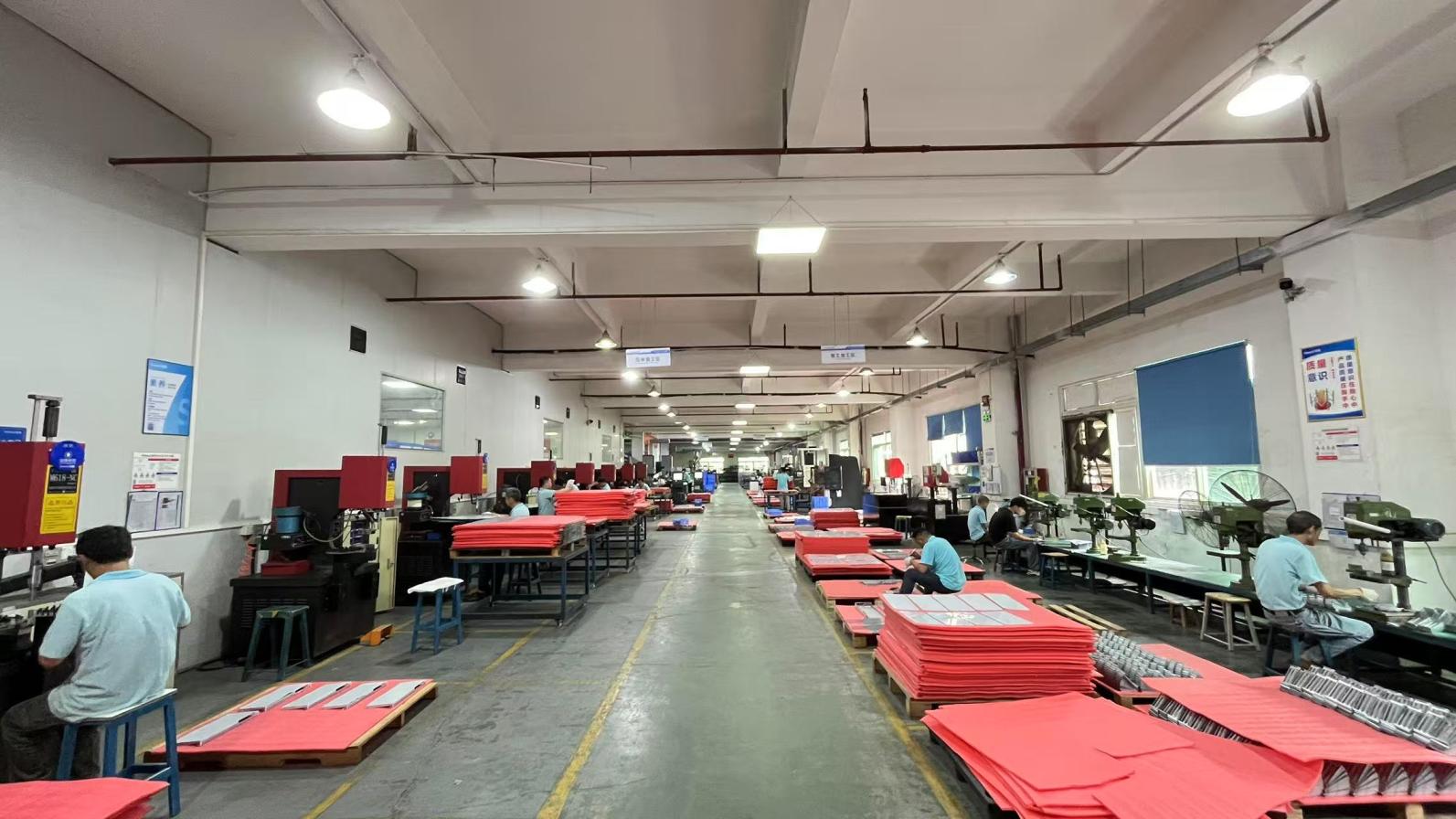
Designing high-capacity server infrastructure requires close cooperation across diverse engineering disciplines. China's manufacturing ecosystem provides NexaGPU with unparalleled hardware development flexibility. Access to component factories, specialized custom metal-fabricators, and PCB manufacturing facilities allows for rapid hardware prototyping, assembly, and deployment.
By leveraging an expansive supply chain network featuring over 850 partners, we source top-grade materials, from customized copper heatsinks to advanced PCIe Gen 5 expanders. This robust ecosystem ensures we can source high-demand components quickly, minimizing lead times for custom customer orders while maintaining strict performance standards.
Rigorous Stress-Testing Under Real-World Conditions
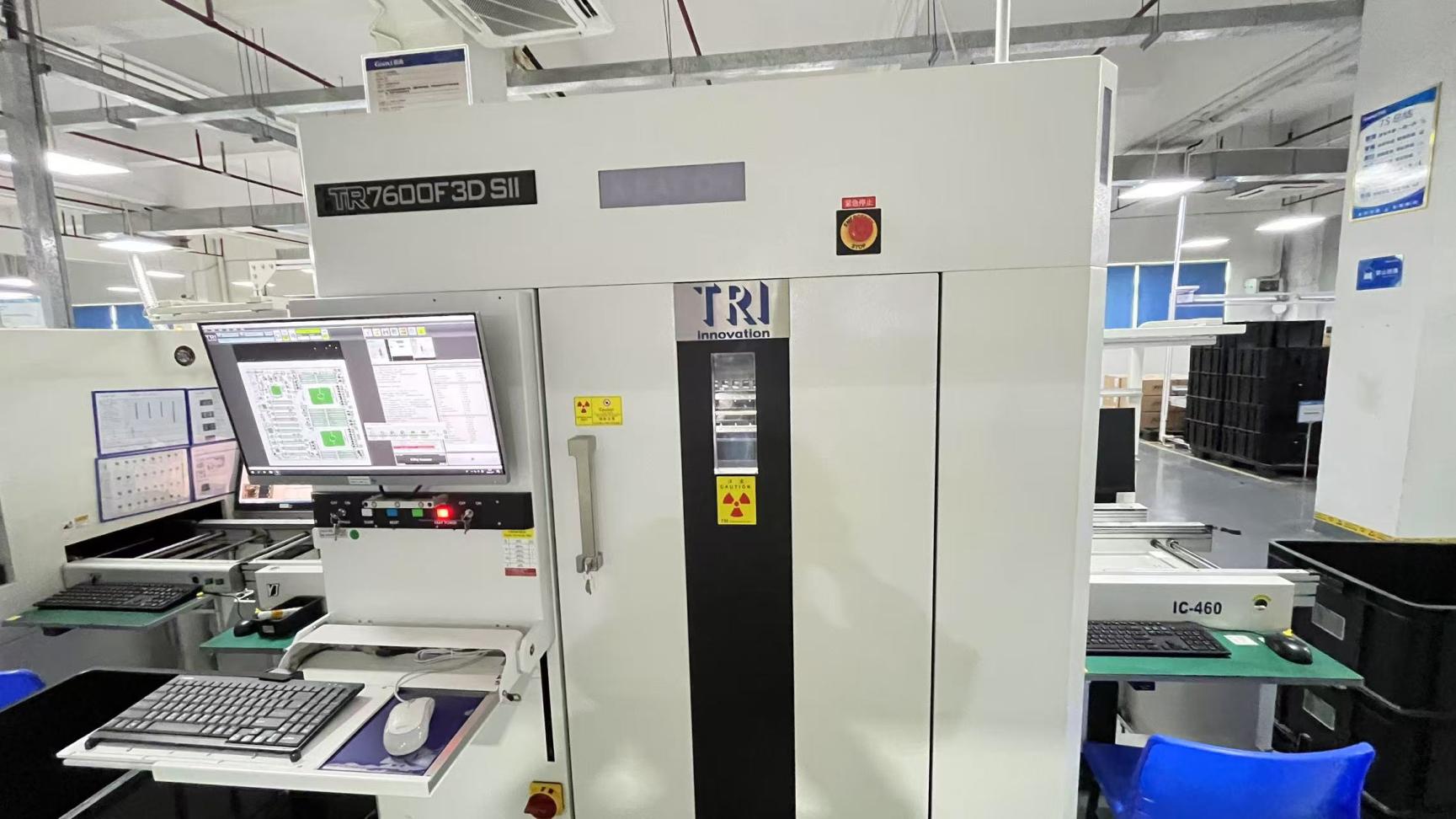
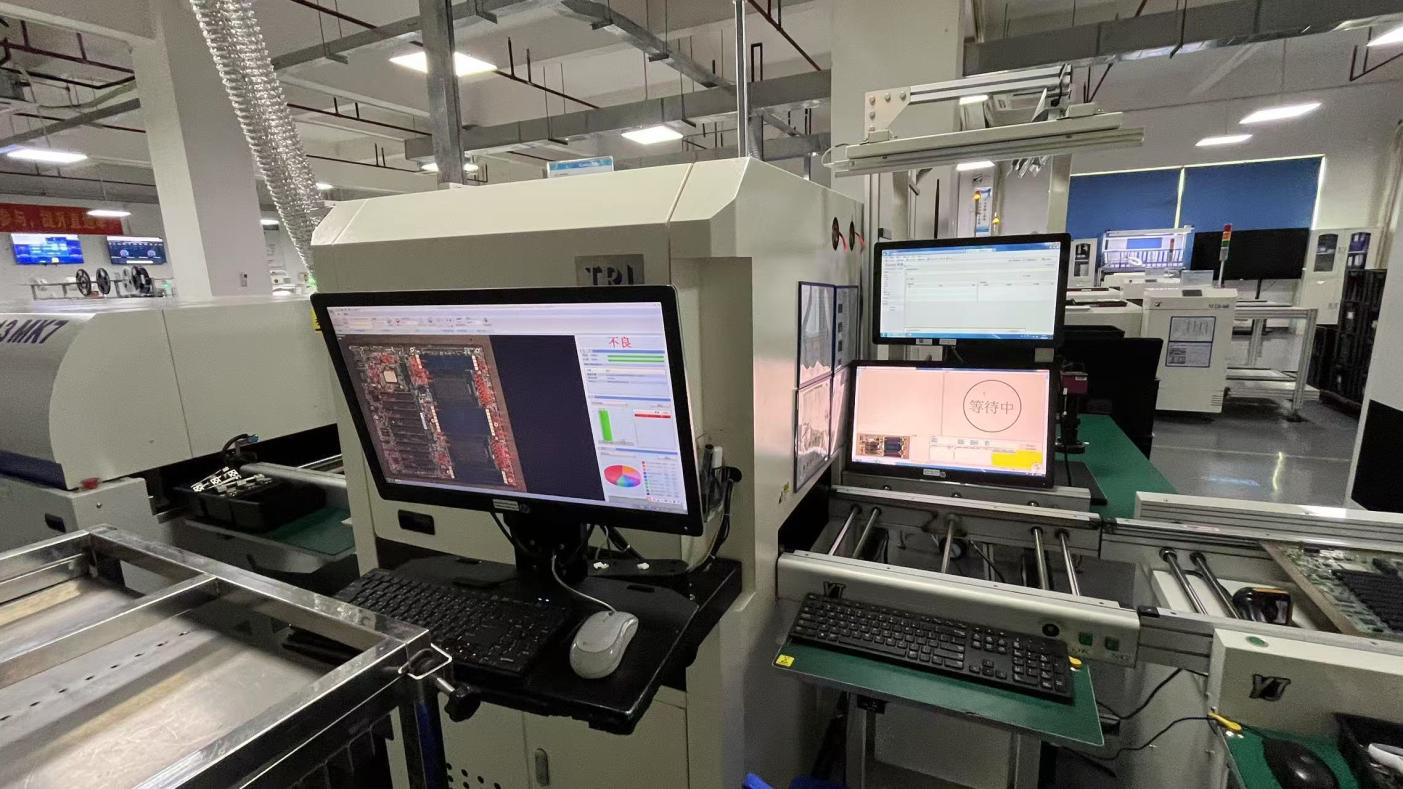
A reliable high-density compute server must withstand challenging runtime conditions. NexaGPU utilizes a dedicated team of 45 quality control specialists to execute thorough inspection procedures. We subject all customized hardware builds to three key validation phases:
System memory, storage arrays, and processors are run at maximum load to reveal early hardware errors and ensure long-term physical reliability.
Systems undergo testing at varying ambient temperatures to verify that cooling fans and heat dissipators respond effectively under high compute loads.
Chassis systems are checked to ensure components are securely mounted, protecting systems during transit and installation.
An Established Provider of AI GPU Servers and Customized HPC Compute Systems
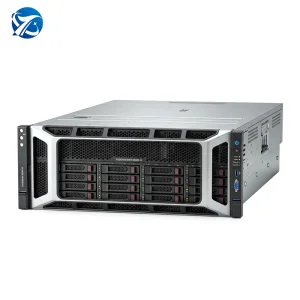
NexaGPU is a professional AI GPU server manufacturer and supplier specializing in high-performance computing infrastructure, GPU clusters, and customized AI server solutions for global enterprises, data centers, and AI development companies.
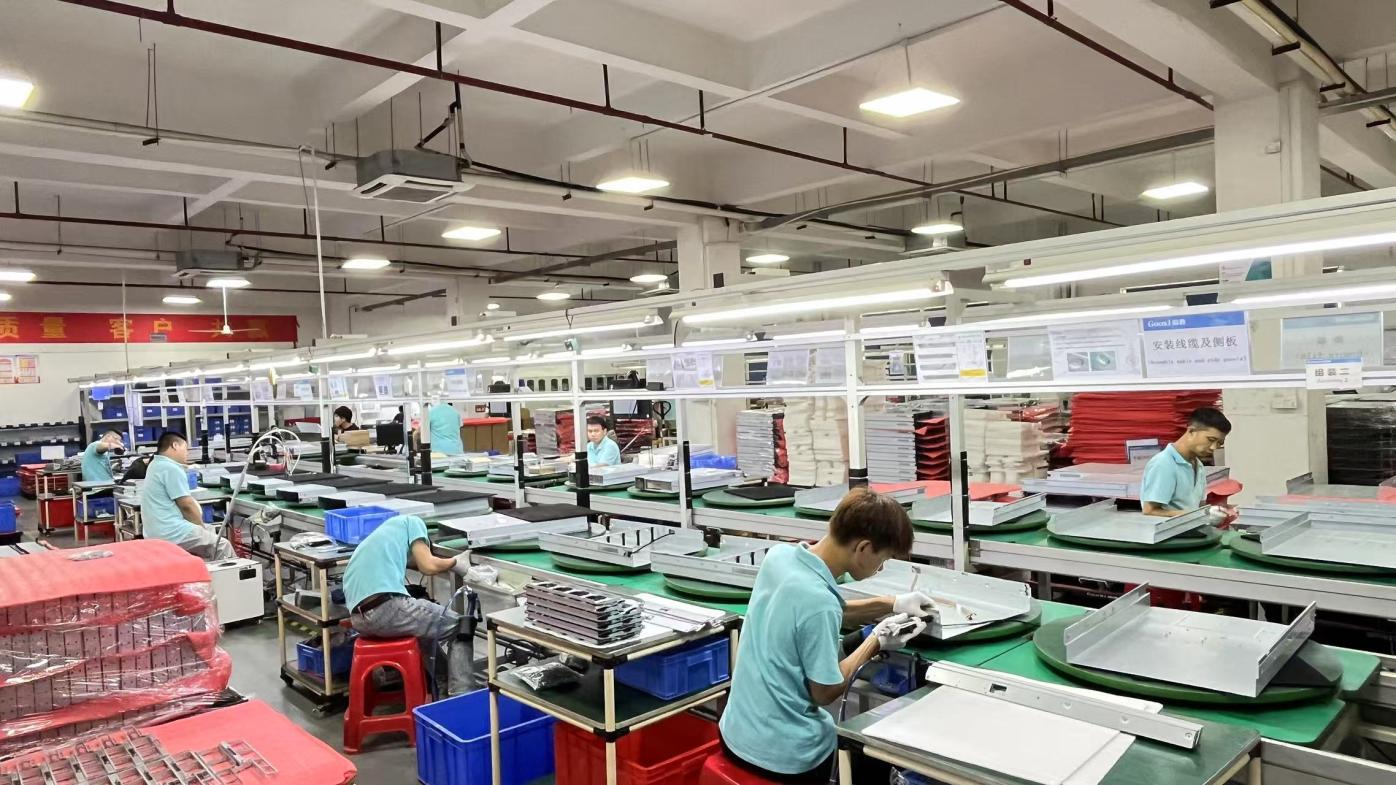
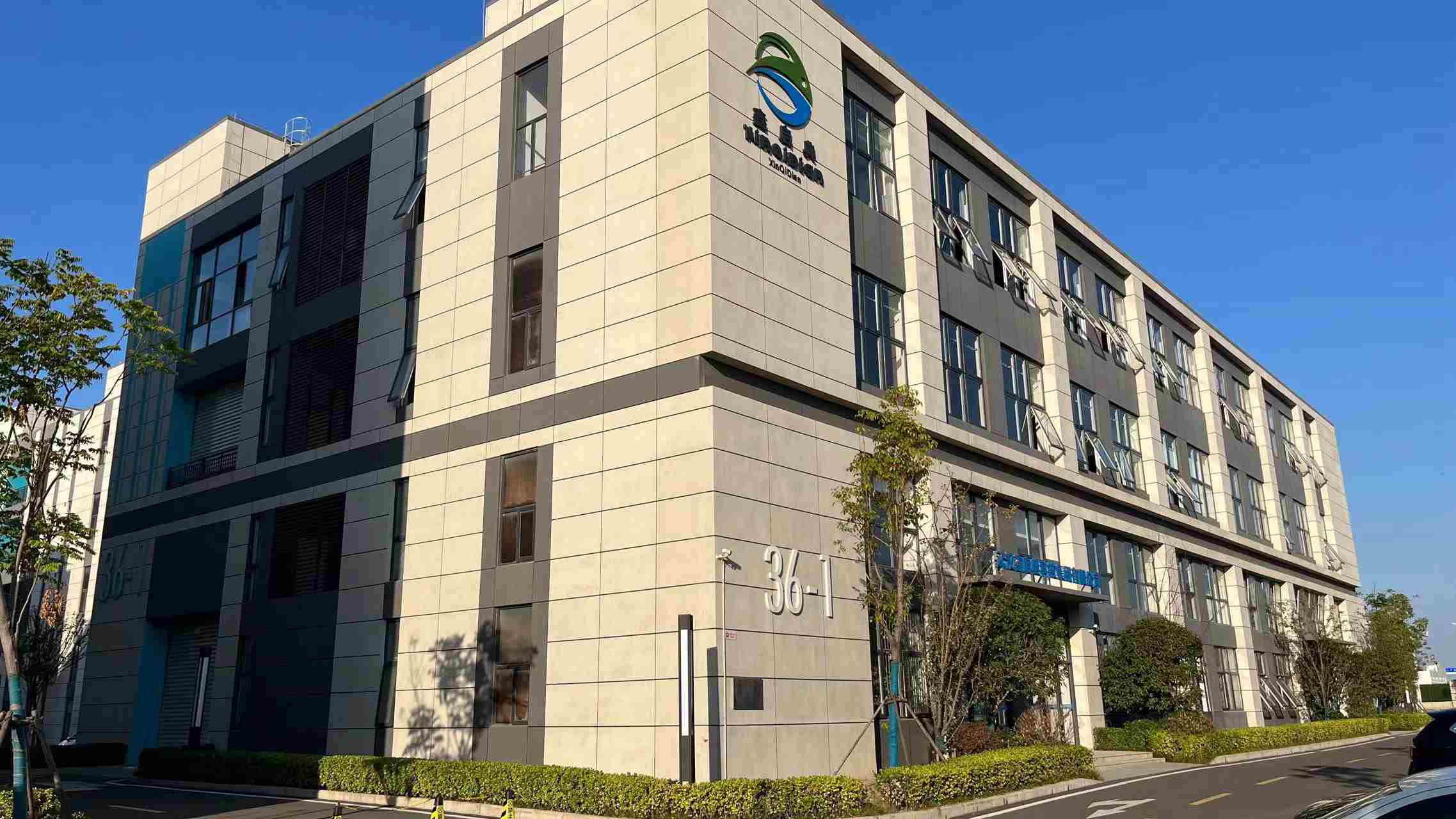
Established in 2016, NexaGPU has rapidly grown into a trusted provider of advanced GPU computing systems. The company operates a modern manufacturing facility with a building area of approximately 320㎡, supporting efficient production, assembly, and testing of AI server systems.
With an annual export revenue of USD 12 million, NexaGPU has built strong international business capabilities and maintains 6 years of export experience and 11 years of industry experience in high-performance computing and server manufacturing.
To ensure strict product quality, NexaGPU implements comprehensive multi-stage inspection processes, including hardware stress testing, thermal performance testing, and system stability validation. The company employs a dedicated quality assurance team of 45 QC specialists to maintain consistent product reliability.
NexaGPU has a solid trade background in global B2B technology supply chains, with major markets including North America, Europe, Southeast Asia, and the Middle East. The company works closely with over 850 supply chain partners, including GPU chip suppliers, motherboard manufacturers, server chassis factories, and cooling system providers.
Its main customer base includes AI startups, cloud computing providers, data centers, research institutions, and enterprise IT solution providers.
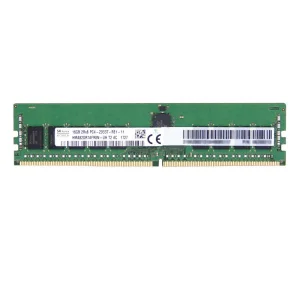
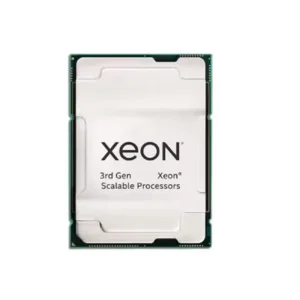
NexaGPU demonstrates strong R&D capability, supported by a team of 120 R&D engineers focused on GPU architecture optimization, AI server design, and liquid cooling technology. The company offers extensive customization options including GPU configuration, CPU selection, memory expansion, storage architecture, and liquid cooling systems.
In the past year, NexaGPU successfully launched 85 new product models, covering AI training servers, inference servers, and high-density GPU computing clusters.
Hardware Deployment Scenarios Across Global High-Density Environments
We supply GPU compute clusters designed to run massive language and deep learning models. These environments require reliable server chassis, high-capacity PCIe systems, and robust cooling solutions to handle prolonged, multi-week compute runs.
Cloud platforms and virtualized environments require dynamic load balancing and core management. Our hardware platform provides the memory bandwidth and processor flexibility needed to maintain stable virtual machine execution under variable demand.
We build resilient edge servers optimized for data ingestion, regional analytics, and real-time processing. These models are engineered to operate in dust, heat, and space-constrained conditions while offering full remote management capabilities.
Key questions and answers regarding hardware validation, OEM/ODM processes, and load testing.
Custom GPU installations operate under unique power and thermal profiles. System-level load testing validates that power supply units (PSUs) can handle transient load spikes without dropping voltage. It also ensures that the physical motherboard and cooling fans respond quickly to changes in computing demands, preventing system instability.
Engineers rely on a variety of testing tools. These include CPU/FPU stress generators (such as stress-ng and Prime95), memory reliability tools (like Memtester), and storage performance frameworks (such as FIO). GPU architectures are evaluated using computational frameworks like MLPerf, alongside network performance tools like iperf3 to test high-speed interconnects.
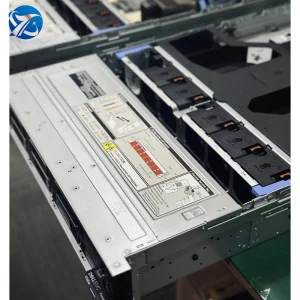
Liquid-cooled platforms undergo strict testing protocols. This includes pressure tests to check loop integrity, thermal profiling to track heat dissipation across the fluid loop, and vibration analyses. We monitor temperature differentials across all coolant channels under full load to ensure consistent heat removal and system reliability.
Yes. Through our OEM/ODM program, clients can select preferred CPUs, memory configurations, PCIe expander boards, network interfaces, and chassis form factors. Our R&D team reviews custom layouts to ensure electrical compatibility, thermal efficiency, and physical fit before beginning production.
Our large supply chain network ensures consistent access to critical server components, minimizing delays caused by market shortages. This broad ecosystem also helps us source components cost-effectively and integrate new technologies quickly into our custom designs.
Hardware infrastructure, computing accelerators, and interface upgrades for global server environments.