NexaGPU
NexaGPU
NexaGPU
Providing the processing foundation, high-speed NVMe storage, and dense computing clusters to scale your MDM platform global architectures.
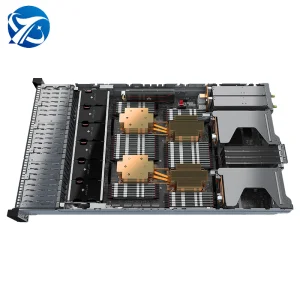
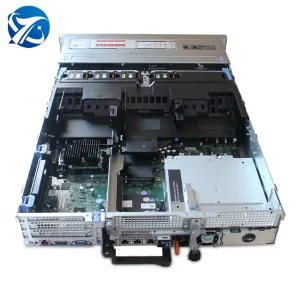
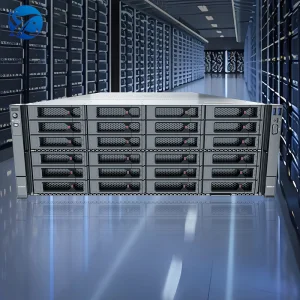
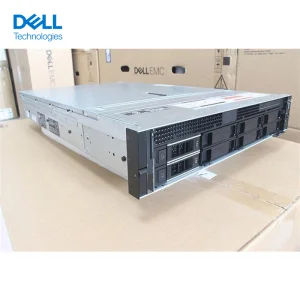
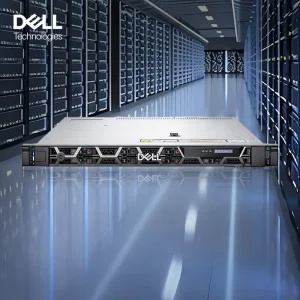
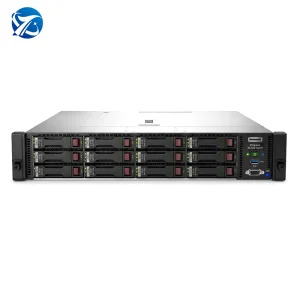
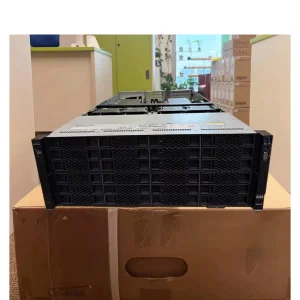
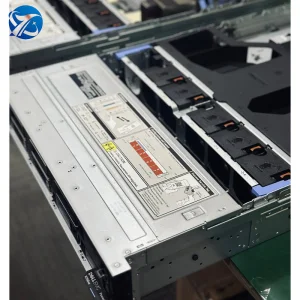
In the modern enterprise era, the scope of Mobile Device Management (MDM) and Unified Endpoint Management (UEM) has expanded exponentially. No longer limited to managing basic corporate smartphones, modern MDM infrastructures now manage millions of heterogeneous endpoints—including rugged industrial handhelds, IoT gateways, smart point-of-sale (mPOS) terminals, and edge-connected AI devices. This explosive growth in device density, combined with the integration of real-time telemetry, zero-trust network access (ZTNA), and remote configuration demands, has created a massive server-side processing bottleneck.
SaaS-only MDM architectures are facing architectural limitations due to rising latency, data sovereignty laws (such as GDPR, HIPAA, and local data residency directives), and the immense compute power required to parse real-time compliance events. To address this, global enterprises and security-sensitive government bodies are pivoting to private, hybrid, and localized MDM configurations. This shift requires specialized OEM/ODM hardware suppliers capable of deploying high-performance server clusters, hardware roots of trust (TPM 2.0/secure boot), and deep-learning infrastructure optimized for fleet analysis.
"The physical reliability of MDM infrastructure determines the operational uptime of an enterprise's mobile workforce. When MDM servers fail, remote orchestration ceases, leaving thousands of endpoints vulnerable to security drift and compliance breaches."
Across North America, Europe, Asia-Pacific, and the Middle East, the demands on enterprise mobility systems have diverged significantly. In North America, the primary driver is the integration of zero-trust security profiles into MDM, requiring high-density rack servers capable of processing cryptographic keys and cryptographic compliance audits in real time. In the European Union, data privacy acts mandate that all telemetry, location data, and configuration logs generated by employee devices remain stored on physical hardware within local boundaries. This has driven high demand for localized, custom-branded MDM storage appliances.
Meanwhile, the rapid industrialization of Southeast Asia and Latin America has increased the use of rugged industrial tablets and IoT-based logistics nodes. These networks rely on highly reliable local edge servers that can withstand wide temperature ranges, utilize redundant power supplies, and feature containerized MDM platforms to sync local nodes with centralized clouds.
Processing thousands of live compliance status checks per second requires robust, multi-socket Intel Xeon or AMD EPYC CPU nodes equipped with enterprise memory pools (DDR5/DDR4 RDIMMs).
Local NAS architectures and private cloud hardware instances built on customizable server configurations allow enterprises to comply with strict regional data storage policies.
Decentralized deployments require robust, short-depth 1U or 2U server systems capable of remote lights-out management (IPMI/BMC) to ensure operations in harsh remote facilities.
The hardware platforms powering global MDM platforms are complex, requiring tight integration of components. China's manufacturing clusters—specifically centered around Shenzhen's technology corridors—offer unmatched structural advantages for OEM/ODM hardware supply. These advantages extend beyond labor costs, focusing heavily on rapid prototyping, specialized components, and complete supply chain integration.
At NexaGPU, this ecosystem is utilized to transform raw enterprise requirements into ready-to-deploy rack servers. By collaborating with over 850 supply chain partners, NexaGPU secures priority access to key components, including high-speed PCIe NVMe SSDs, server chassis, power supply units (PSUs), and cooling setups. This robust integration reduces design-to-production cycles by weeks, allowing clients to deploy newer, more efficient server hardware ahead of their competitors.
With a team of 120 R&D engineers, NexaGPU focuses on hardware optimization, thermal simulation, and custom BMC (Baseboard Management Controller) firmware development. This ensures that every server built can be managed securely, even down to the bare-metal BIOS layer.
To demonstrate the real-world value of localized OEM/ODM MDM infrastructure, we analyze three main enterprise implementation scenarios:
| Industry Vertical | Hardware Architecture Need | Deployment Model | Key Infrastructure Advantage |
|---|---|---|---|
| Healthcare & Clinical Care | Low-latency, highly secure localized storage clusters (SSD/NVMe). | On-Premise Private Datacenter (1U/2U High-Density Rack). | Complete prevention of Patient Health Information (PHI) leakage, local key storage. |
| Logistics & Warehouse Fleet | Short-depth, vibration-resistant edge servers with remote IPMI. | Edge Gateways near regional distribution centers. | Continuous device configuration syncing even during global network outages. |
| Banking, Finance & mPOS | TPM 2.0 cryptographic modules, secure boot BIOS, physical intrusion switch. | Hybrid Cloud using redundant Multi-Socket GPU Workstations. | Instant hardware-level validation of connected payment terminal firmware. |
The trajectory of the Mobile Device Management industry points toward two main trends: Edge AI Integration and Autonomous Threat Mitigation. Standard MDM systems only monitor device status parameters (e.g., location, OS version, application list). Tomorrow's enterprise systems will run local anomaly detection models to monitor behavioral metrics, recognizing threats based on unusual battery drain, unauthorized peripheral usage, or anomalous network traffic patterns.
Running these models requires backend hardware equipped with GPU accelerators. Using high-density GPU computing servers, MDM controllers can process telemetry streams from millions of active devices, identifying compromised devices within seconds. This has led to high demand for hybrid server designs, such as xFusion and Dell PowerEdge architectures, which balance cost-efficient storage, fast CPU processing, and scalable GPU capacity.
Additionally, thermal optimization is becoming a critical operational focus. As datacenters face increasing cooling challenges, the integration of liquid-cooling server configurations (e.g., high-density cold-plate systems) allows enterprises to reduce their Carbon PUE (Power Usage Effectiveness) while maintaining high computing performance for MDM analytics databases.
NexaGPU is a professional AI GPU server manufacturer and supplier specializing in high-performance computing infrastructure, GPU clusters, and customized AI server solutions for global enterprises, data centers, and AI development companies.
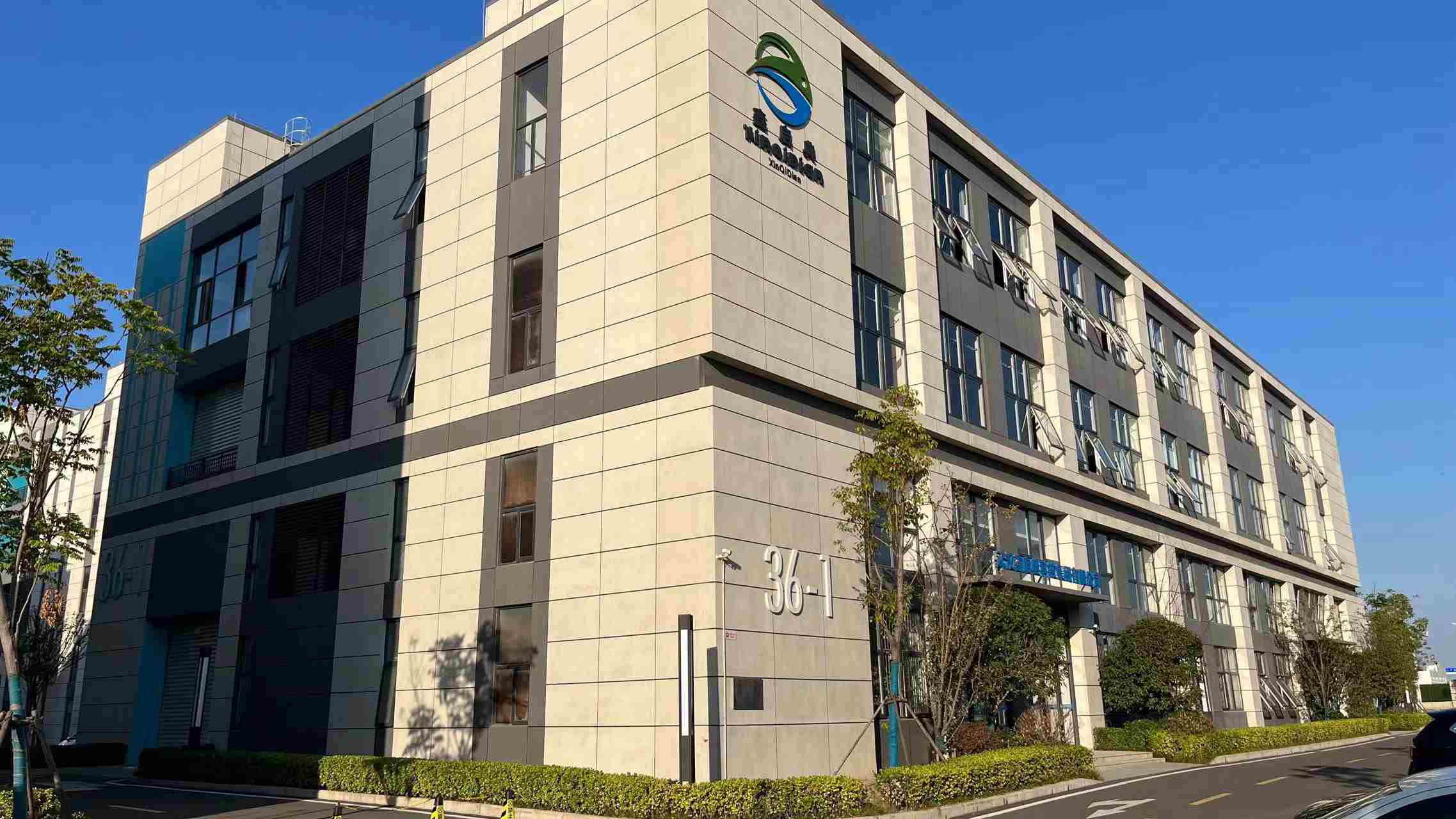
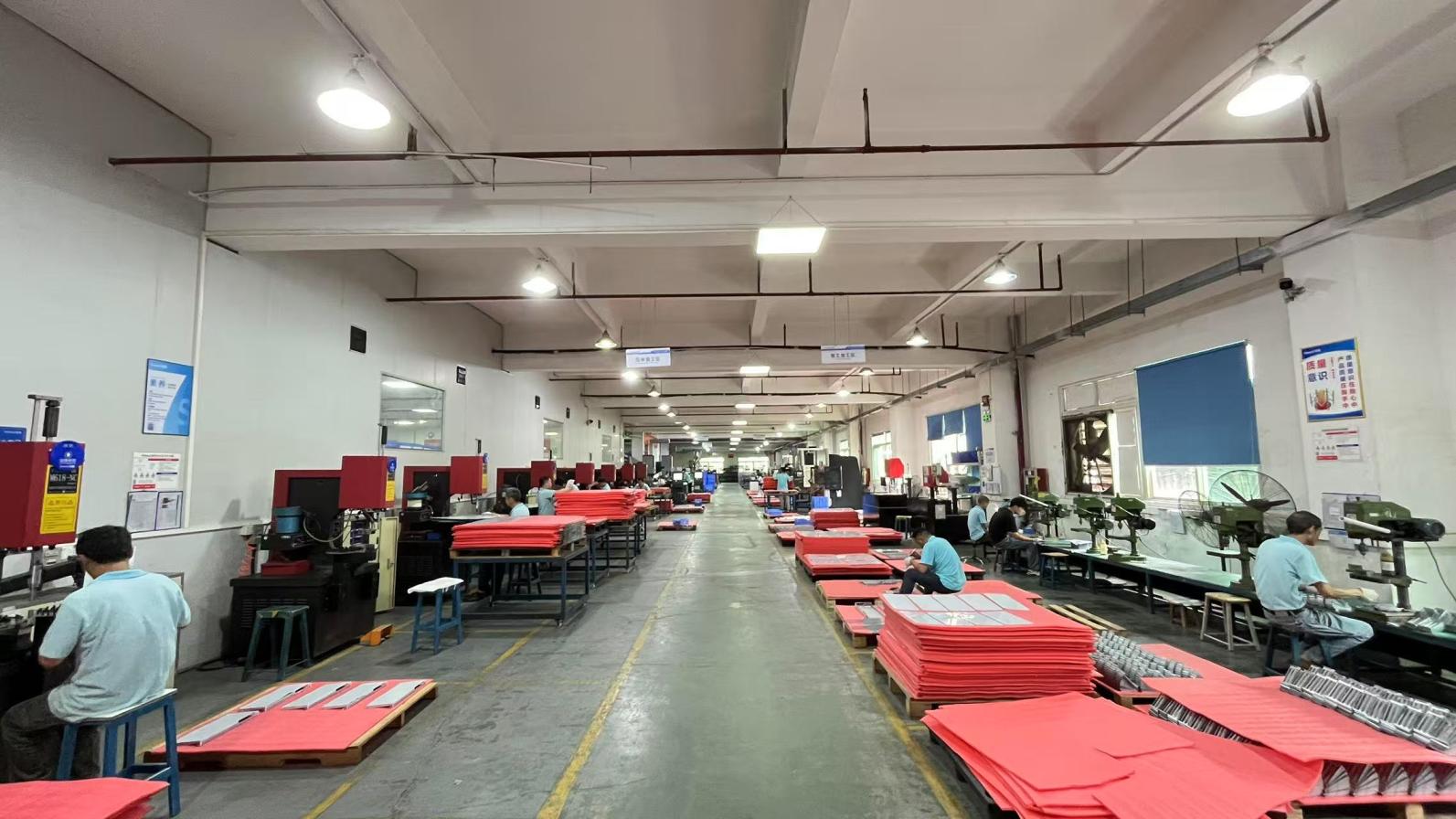
Established in 2016, NexaGPU has rapidly grown into a trusted provider of advanced GPU computing systems. The company operates a modern manufacturing facility with a building area of approximately 320㎡, supporting efficient production, assembly, and testing of AI server systems.
With an annual export revenue of USD 12 million, NexaGPU has built strong international business capabilities and maintains 6 years of export experience and 11 years of industry experience in high-performance computing and server manufacturing.
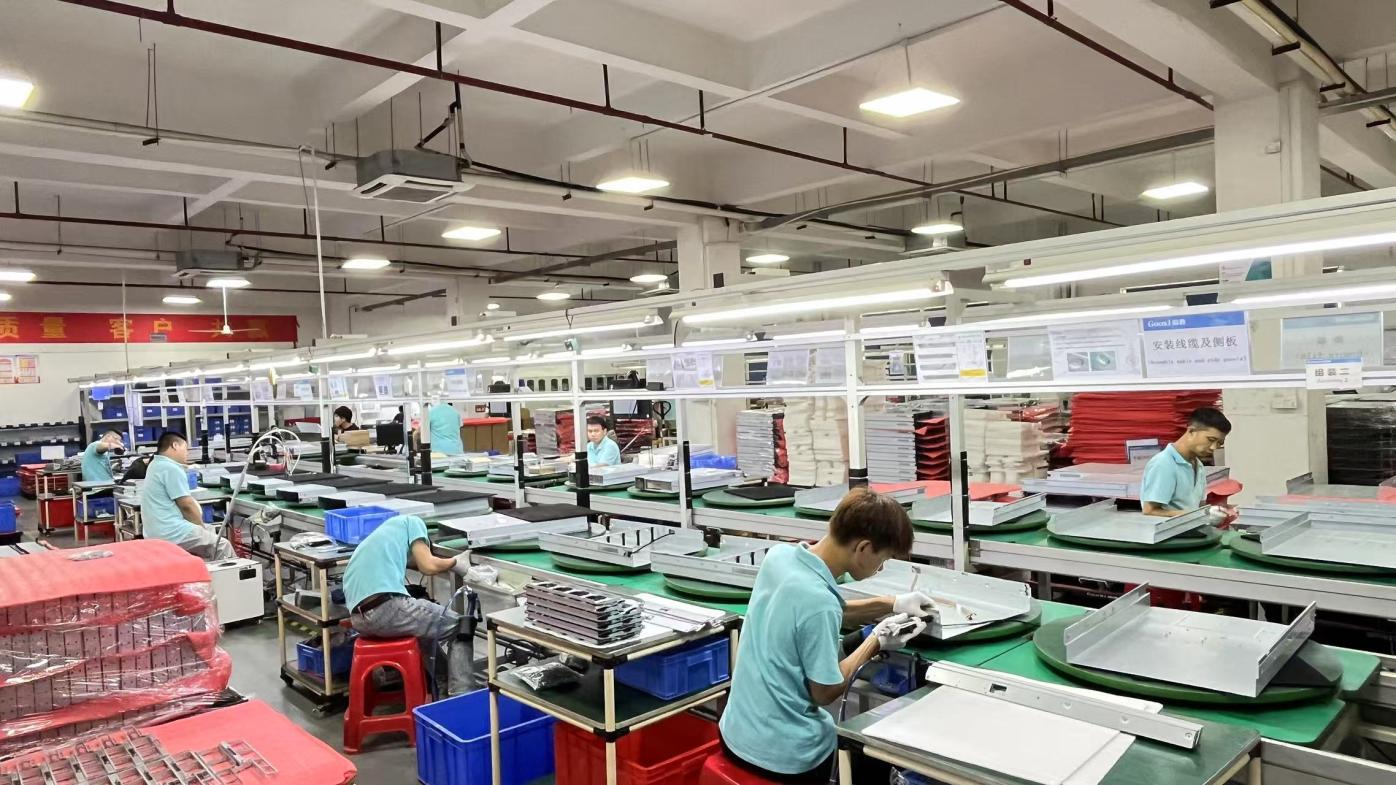
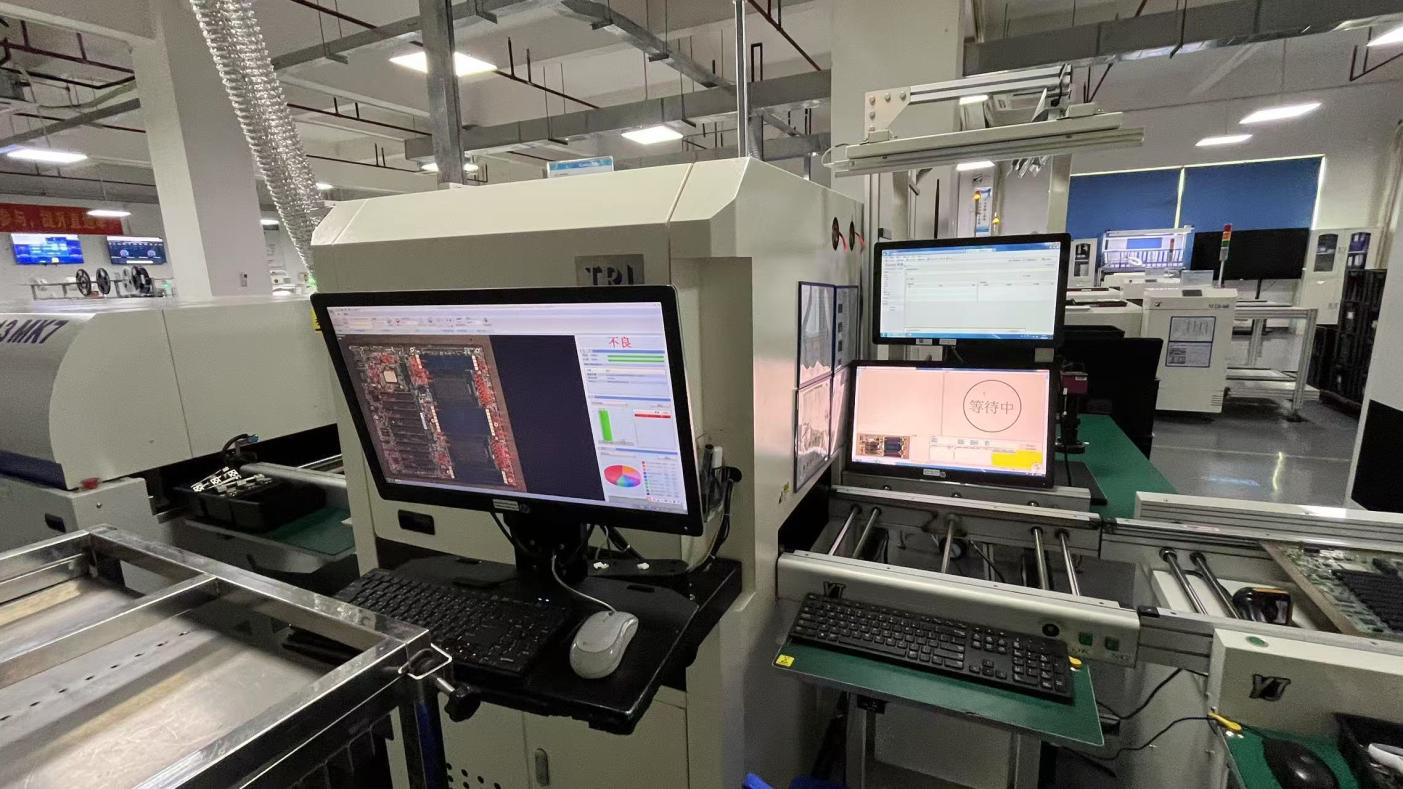
To ensure strict product quality, NexaGPU implements comprehensive multi-stage inspection processes, including hardware stress testing, thermal performance testing, and system stability validation. The company employs a dedicated quality assurance team of 45 QC specialists to maintain consistent product reliability.
NexaGPU has a solid trade background in global B2B technology supply chains, with major markets including North America, Europe, Southeast Asia, and the Middle East. The company works closely with over 850 supply chain partners, including GPU chip suppliers, motherboard manufacturers, server chassis factories, and cooling system providers.
Its main customer base includes AI startups, cloud computing providers, data centers, research institutions, and enterprise IT solution providers.
NexaGPU demonstrates strong R&D capability, supported by a team of 120 R&D engineers focused on GPU architecture optimization, AI server design, and liquid cooling technology. The company offers extensive customization options including GPU configuration, CPU selection, memory expansion, storage architecture, and liquid cooling systems.
In the past year, NexaGPU successfully launched 85 new product models, covering AI training servers, inference servers, and high-density GPU computing clusters.
Through continuous innovation and engineering excellence, NexaGPU is committed to delivering scalable, efficient, and reliable AI computing infrastructure for the global artificial intelligence industry.
Technical answers to key architectural, security, and hardware questions from IT directors and enterprise procurement officers.
OEM/ODM hardware servers act as the physical computing layer for on-premise, hybrid, and private cloud MDM platforms. They handle heavy API requests, manage SSL/TLS connections for millions of devices, store local database backups, and process real-time configuration compliance events. Customizing this hardware ensures optimal compute density, efficient cooling, and tailored physical security profiles (like TPM modules).
A Baseboard Management Controller (BMC) supporting Intelligent Platform Management Interface (IPMI) allows network admins to monitor, power-cycle, and update server firmware remotely, independent of the operating system. For MDM infrastructures deployed in edge facilities or remote datacenters, this out-of-band management capability minimizes costly manual maintenance visits and ensures high platform availability.
As zero-trust security policies expand, MDM solutions analyze device log data, application execution patterns, and network traffic anomalies in real time. Running machine learning models for anomaly detection requires GPU parallel processing. Specialized servers, like NexaGPU's GPU configurations, handle these workloads efficiently, preventing CPU bottlenecks and latency issues.
Reliable MDM deployments require rigorous testing processes. Servers should undergo multi-stage stress testing under high thermal loads, extensive memory diagnostic sweeps, and drive wear testing for high-input database environments. With 45 dedicated QC specialists, NexaGPU verifies every motherboard, power supply, and drive configuration to ensure consistent stability.
MDM systems continuously write logs, status updates, and location traces from active devices. Traditional storage systems can create bottlenecks under these high-write conditions. Custom enterprise-grade NVMe SSD arrays provide the necessary input/output operations per second (IOPS) and write endurance to handle continuous data streams without degradation.
Complete your deployment with certified memory components, solid-state drives, and deep-learning server systems built for continuous operations.
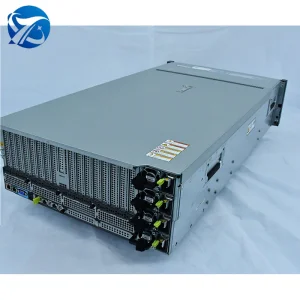
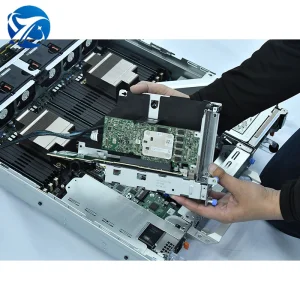
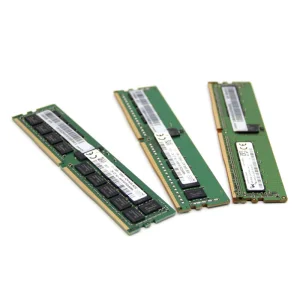
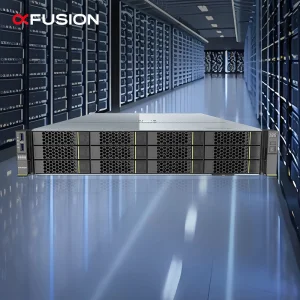
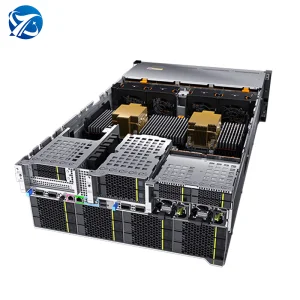
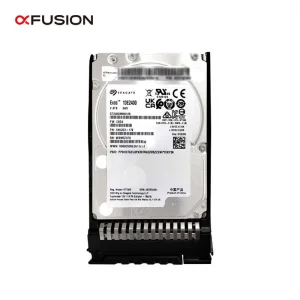
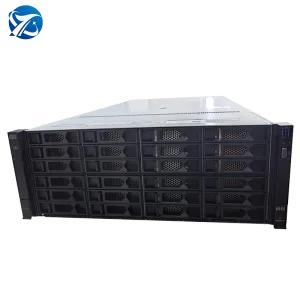
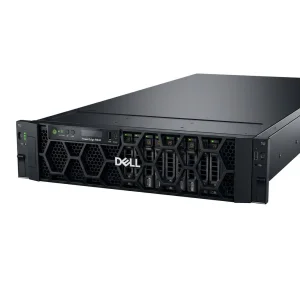
Inside NexaGPU's modern assembly, verification, and testing floor, ensuring high-quality hardware for global enterprise environments.