NexaGPU NexaGPU

OEM/ODM Data Encryption Solutions Suppliers & Exporters

Secure Enterprise Compute Infrastructures, Hardware-Rooted Trust Architectures, and Zero-Trust Global Compliance for AI Data Centers and GPUs

Premium Enterprise Hardware Showcase - Series I

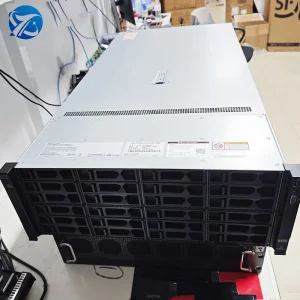
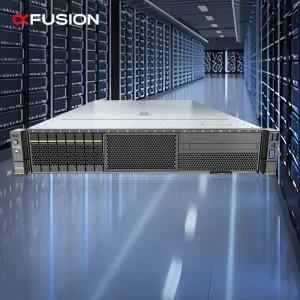
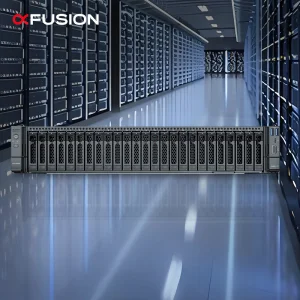
New 2025 Ai xFusion FusionServer G8600 V7 8U GPU Rack Server
New 2025 Ai xFusion FusionServer G8600 V7 8U GPU Rack Deepseek 8 Gpu Cloud Mount Network Strong Dedicated Server
Request Architecture Specs
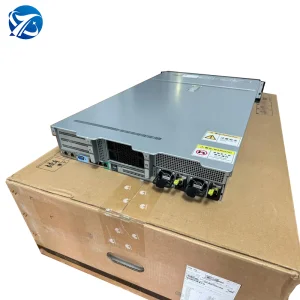
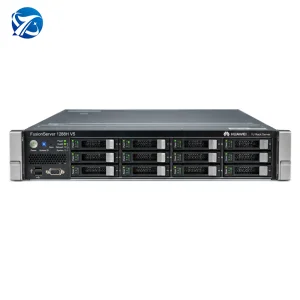
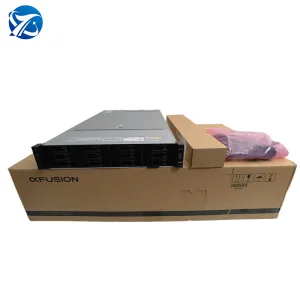
New xFusion Fusionserver 2288H V5 2U 2-socket Computer Server
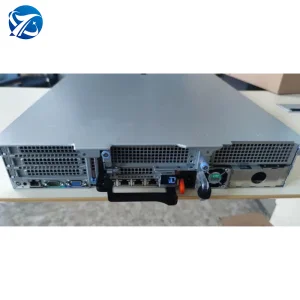
New xFusion Fusionserver 2288H V5 2U 2-socket Computer Servers 12*3.5 Inch Drive 2288H V5 2U 2-socket Rack Server
Request Architecture Specs
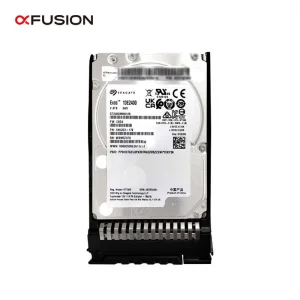
Servers PCIe NVMe SSD PM9A3 Series
Servers PCIe NVMe SSD 1920GB/3840GB/7680GB NVMe PCIe Read Dense PM9A3 Series -2.5 Inches Hard Drives for XFusion Server
Request Architecture Specs
New xFusion 5885H V7 Ai Data Server
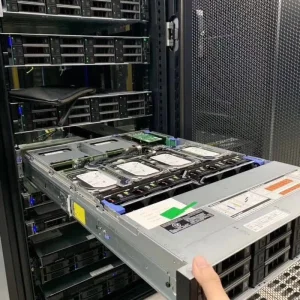
New xFusion 5885H V7 Ai Data Servers Gpu Storage Deepseek Xeon Computer Rack Cloud Center Cpu Short Depth Oem For Sale Server
Request Architecture Specs
FusionServer xFusion 1288H V5 1U Rack Server
FusionServer xFusion 1288H V5 1U Rack Server 2-Socket Server for High Density Computing Center
Request Architecture Specs
New xFusion 2288H V6 Hyperconverged Infrastructure Server
New xFusion 2288H V6 Hyperconverged Infrastructure System 20*2.5 Inch Drive Xeon 2*4310 2*64GB 9540-8i 1500W 2U Rack Server
Request Architecture Specs
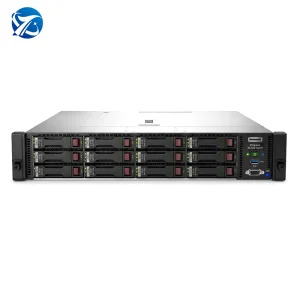
HPE ProLiant Compute DL360 Gen12 Liquid Cooling Server
HPE ProLiant Compute DL360 Gen12 Rackmount Network Server 20EDSFF PCIe5 Liquid Cooling High-Density Servers Bulk Supply
Request Architecture Specs
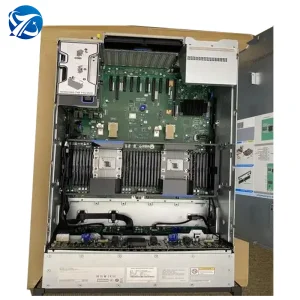
New xFusion 2288H V5 Ai Data Server
New xFusion 2288H V5 Ai Data Servers Gpu Storage Deepseek Xeon Computer Rack Cloud Center Cpu Short Depth Oem For Sale Server
Request Architecture Specs

The Paradigm Shift in Enterprise Data Encryption: Hardware-Rooted Systems

In the current global threat landscape, software-defined encryption is no longer sufficient to guarantee corporate security. As high-density GPU computing clusters and cloud environments scale up to process deep neural networks (DNNs), hardware-rooted data encryption has become the absolute standard. Enterprises can no longer isolate computing tasks without securing the underlying memory bus, internal storage, and peripheral interconnects. From secure system boot configurations to real-time memory cryptographic operations, hardware-based isolation guarantees that server assets remain secure even if operating systems or hypervisors are compromised.

At the core of NexaGPU's OEM/ODM development model is the commitment to providing highly specialized cryptographic architectures. By embedding Trusted Platform Modules (TPM 2.0), Hardware Security Modules (HSMs), and specialized Cryptographic Coprocessors directly into custom motherboard designs, we deliver hardware platforms capable of executing real-time data encryption at wire-speed. This minimizes performance overheads—a critical requirement when dealing with massive DeepSeek large model inference workloads, large-scale database operations, or PCIe Gen 5 NVMe data read/write bursts.

Industrial Insight: Modern data compliance mandates like FIPS 140-3 Level 4 require physical tamper-resistance and automated cryptographic erasure. Standard off-the-shelf servers often fail to meet these parameters, forcing enterprise buyers to seek customizable OEM/ODM hardware configurations tailored specifically for their compliance scope.

Development Trends in Enterprise Hardware Cryptography

Industry research indicates three major trends defining the next generation of data encryption solutions:

  1. Confidential Computing & Secure Enclaves: Real-time hardware virtualization memory encryption, such as AMD SEV-SNP (Secure Encrypted Virtualization-Secure Nested Paging) and Intel SGX (Software Guard Extensions). These systems protect data in-use, ensuring that tenant workloads in shared cloud servers are cryptographically isolated from the hypervisor and host system administrators.
  2. PCIe Gen 5 Inline Link Encryption: As high-bandwidth GPU clusters transfer gigabytes of sensitive data between cards, securing the internal PCIe lanes using SPDM (Security Protocol and Data Model) is critical. This prevents hardware-level bus sniffing and side-channel attacks targeting physical server racks.
  3. Self-Encrypting Drives (SEDs) with Centralized Key Management: Relying on AES-256 hardware-based drive encryption coupled with Enterprise Key Management protocols (KMIP). This allows data centers to instantly wipe compromised drives remotely by destroying the cryptographic keys, rather than waiting for slow physical sanitization processes.

Global Procurement Strategy: Meeting Rigorous Compliance Standards

Procurement directors and Chief Information Security Officers (CISOs) face a complex web of national and international regulations regarding cross-border data transfers, processing of personally identifiable information (PII), and national security protocols. Purchasing hardware systems without hardware-verified secure elements can lead to multi-million dollar regulatory fines and catastrophic security breaches. NexaGPU's OEM/ODM engineering pipeline ensures that every high-performance server meets the necessary compliance standards right out of the box.

Major Regulatory Frameworks Addressed by NexaGPU Solutions

  • GDPR (European Union): Mandates rigorous state-of-the-art technical measures to protect user data. Our hardware-level AES-256 storage solutions and secure hypervisor isolation features assist cloud hosting providers in achieving full GDPR compliance.
  • HIPAA (United States Health Sector): Requires absolute data security for patient healthcare data, both at rest and in transit. NexaGPU's customized platforms feature built-in hardware root-of-trust modules to lock down healthcare databases.
  • Sovereign Cloud Mandates & Local Cryptography: Many countries in Europe and the Middle East require physical local cryptographic keys that cannot be accessed by foreign parent companies. Our OEM options allow for the integration of regional HSM chips and proprietary local cryptographic algorithms directly into the bios and motherboard layouts.

By cooperating with over 850 global supply chain partners, NexaGPU is uniquely positioned to source compliant components, specialized security chips, and high-performance server accessories. Whether deploying in North America, Europe, Southeast Asia, or the Middle East, our custom-built systems conform to local technical requirements and security import regulations.

NexaGPU Corporate Profile & Global Infrastructure

2016
Year Established
120+
R&D Engineers
45
QC Specialists
$12M
Annual Export Rev.

Established in 2016, NexaGPU is a leading, specialized AI GPU server manufacturer and supplier. Over the years, we have built a reputation for delivering high-performance computing infrastructure, customized GPU clusters, and reliable data encryption systems. Our 11 years of deep industry experience and 6 years of international B2B export operations allow us to navigate complex logistics, trade controls, and custom design pipelines with unparalleled speed.

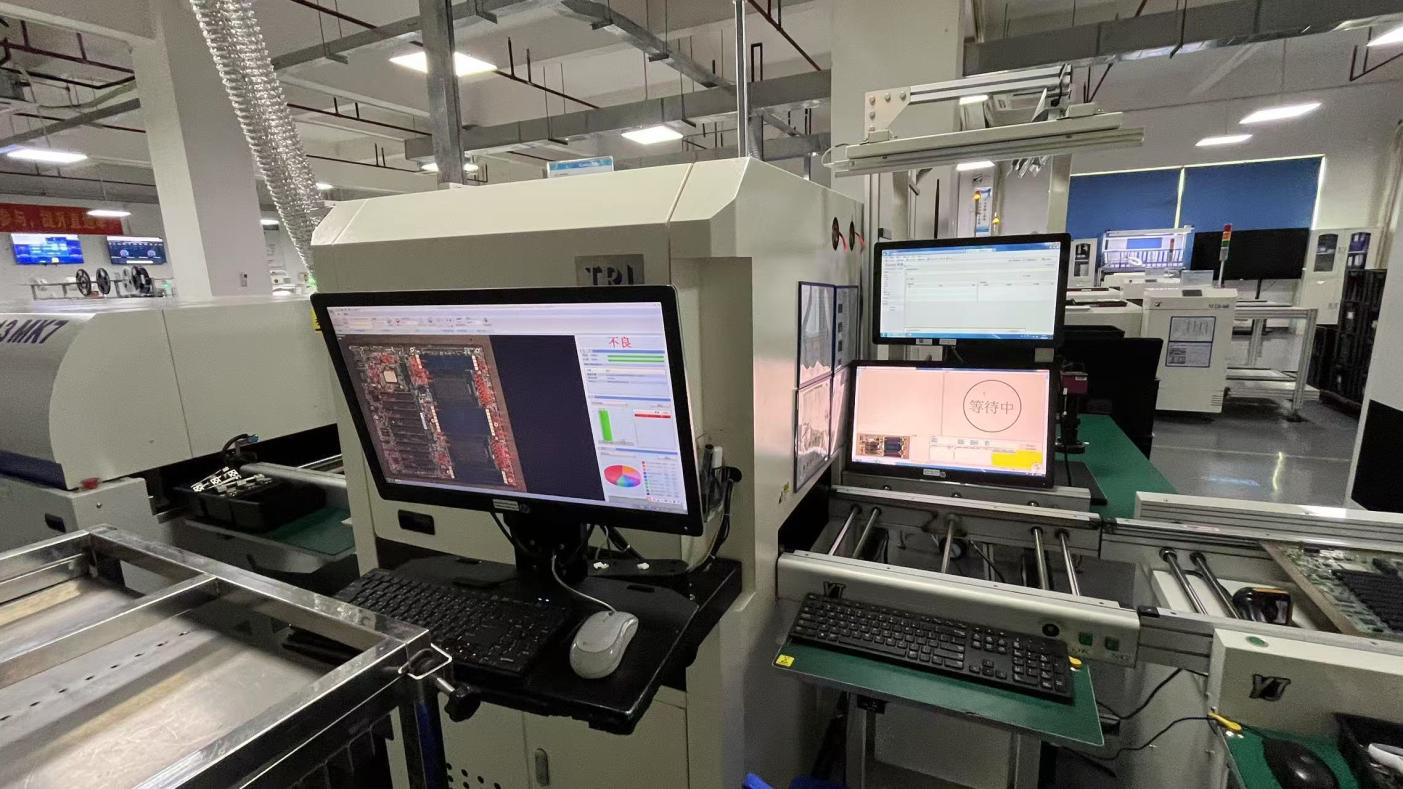
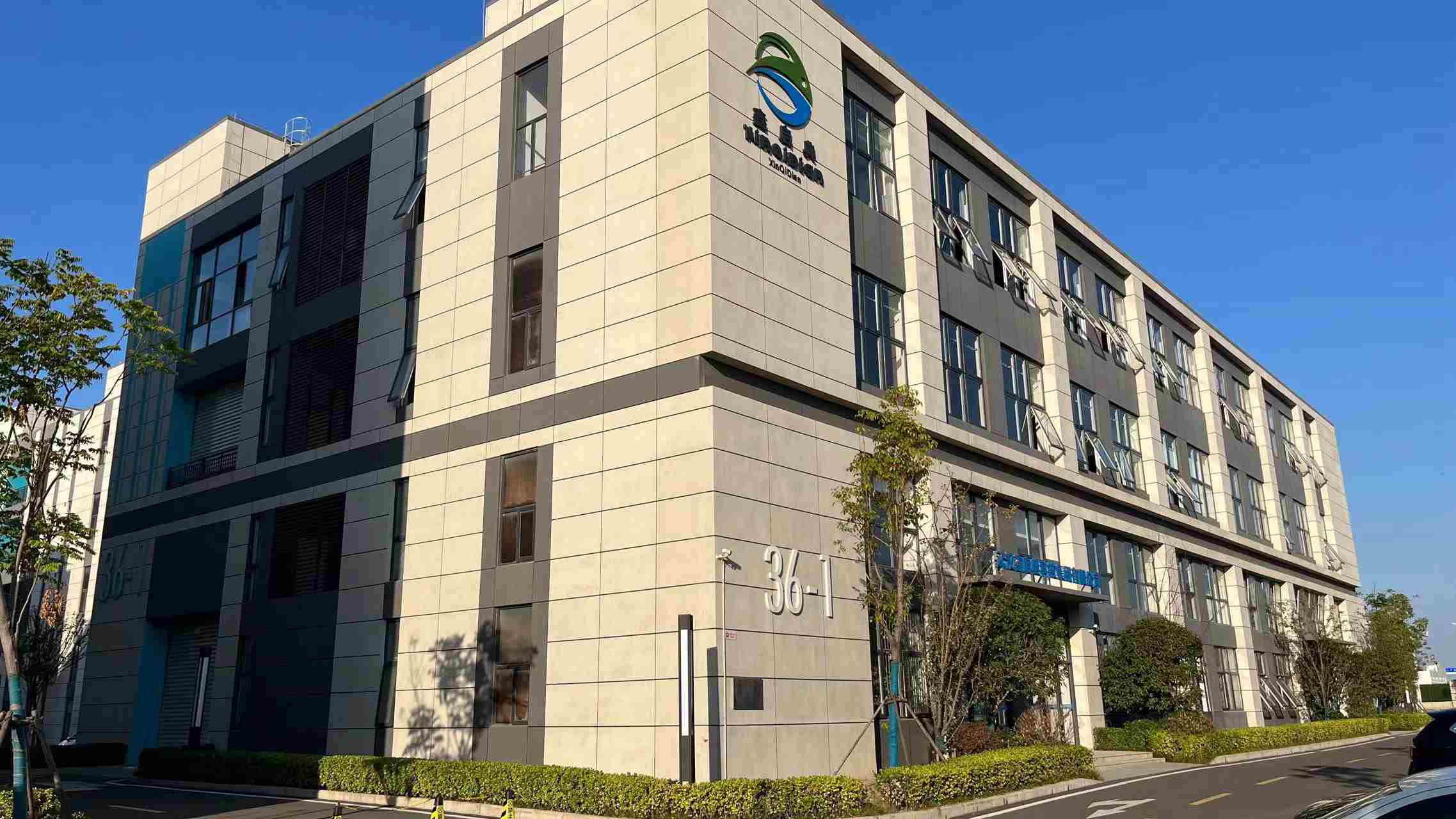
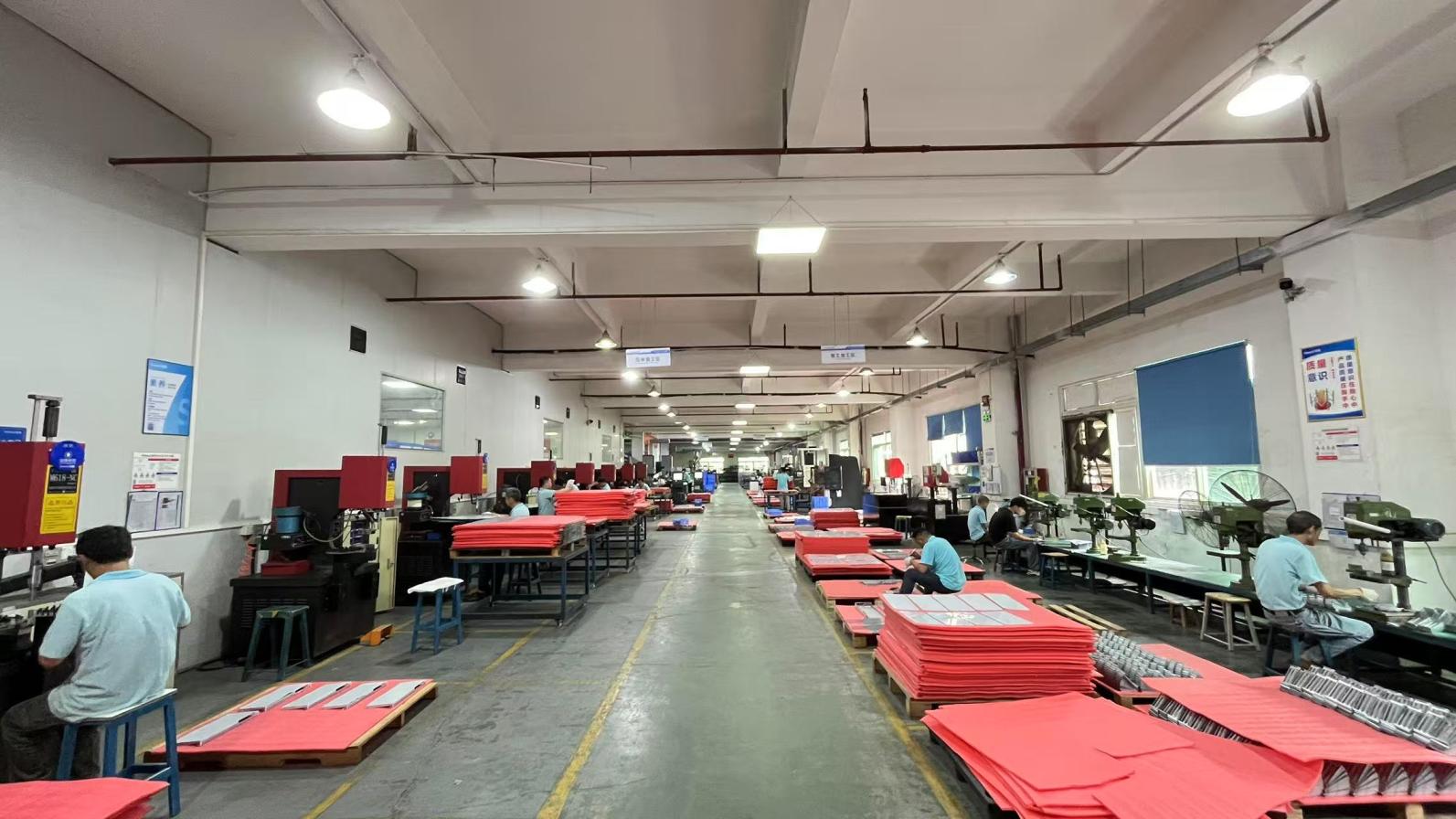
NexaGPU operates a modern manufacturing and testing facility with a dedicated building area of approximately 320㎡. Within this specialized facility, our 45 QC experts conduct rigorous, multi-stage testing, including hardware stress tests, thermal optimization assessments, logic bus tests, and firmware vulnerability scans. Our 120-member R&D team continuously innovates to meet the needs of AI startups, data centers, academic institutions, and enterprise IT departments worldwide. In the past year alone, NexaGPU launched 85 new product models, further reinforcing our position as a leader in server security and high-density performance engineering.
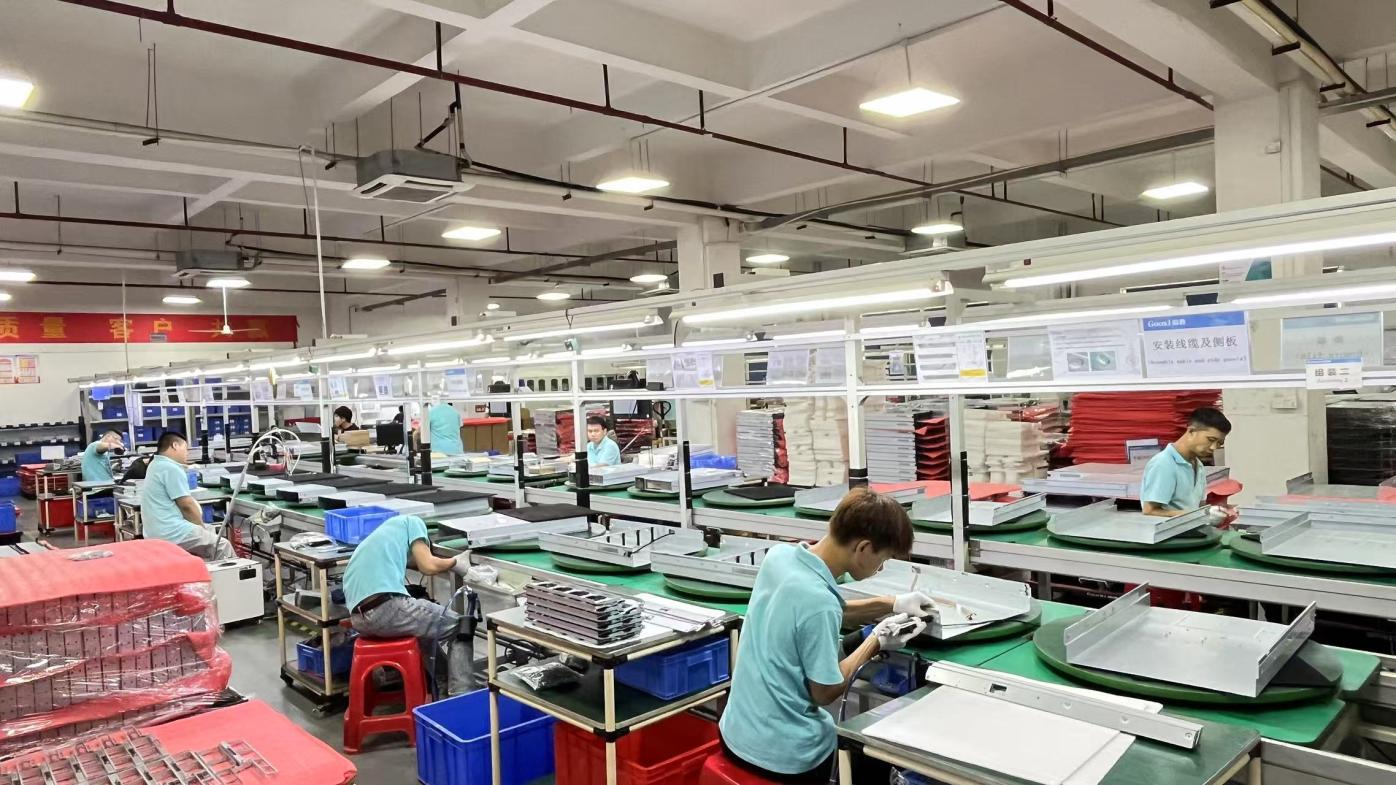
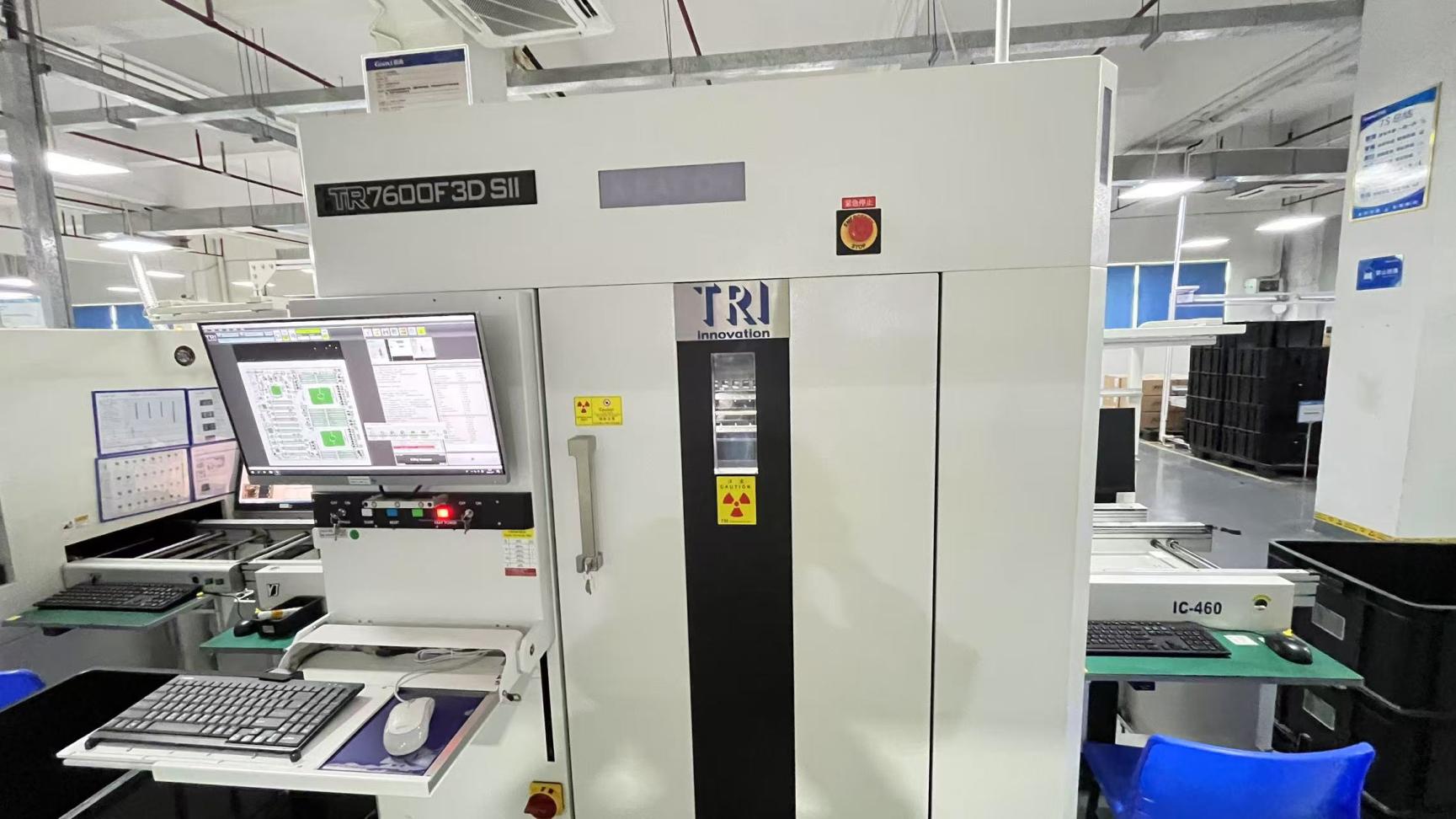
NexaGPU Production & Quality Assurance Facility

Our Custom OEM/ODM Engineering Blueprint

Every organization faces unique security hurdles. Some require air-gapped cryptographic key loading, while others need low-latency firmware implementations to support real-time high-frequency trading. NexaGPU's R&D department provides a comprehensive, co-development pipeline designed to take your design from initial conceptual layout to mass manufacturing.

Phase-by-Phase Customization Process

  1. Specification Phase: Defining performance metrics, cooling parameters (air-cooled vs. direct-to-chip liquid cooling), and cryptographic boundaries (e.g., TPM 2.0 config, physical chassis intrusion switches, bios customizations).
  2. Prototyping & Electrical Validation: Simulating signal integrity for PCIe Gen 5 links, verifying power distribution networks for heavy AI processor draw, and checking key management bus isolation.
  3. Firmware Security Hardening: Customizing BIOS settings, disabling unused ports, implementing secure firmware signing keys, and programming secure boot loops that prevent execution of unauthorized OS kernels.
  4. Physical Hardening: Designing chassis with mechanical locks, micro-switches to trigger cryptographic key deletion if the case is opened, and options for epoxy-encapsulating critical processors.
  5. Mass Production & Quality Validation: Performing extensive thermal chamber testing and system stability burn-in within our 320㎡ test facility to guarantee reliability under constant workload stresses.

Technical Advantage: By keeping production control in-house, NexaGPU ensures complete verification of components, preventing the introduction of rogue chips or malicious hardware implants into the physical supply chain.

Technology Roadmap: Post-Quantum Cryptography and Beyond

As quantum computing advances, classical cryptographic algorithms like RSA and ECC will eventually become vulnerable to decryption attacks. Forward-thinking enterprises are already planning their migration to Post-Quantum Cryptography (PQC). NexaGPU is actively researching PQC implementations at the firmware level, preparing our global customers for the transition to lattice-based cryptographic algorithms.

Additionally, our R&D roadmap focuses on improving the hardware acceleration of Fully Homomorphic Encryption (FHE). FHE enables servers to perform complex computing operations on encrypted data without decrypting it first. Once fully integrated, this technology will allow data centers to host third-party AI models and process sensitive customer inputs without ever exposing the underlying data in plaintext. This will usher in a new era of secure cloud computing.
Technical FAQ - OEM/ODM Data Encryption & Servers

Q1: How do NexaGPU servers handle hardware-rooted data encryption?
We embed physical TPM 2.0 microcontrollers, support CPU-level confidential computing architectures (such as AMD SEV-SNP and Intel SGX), and offer optional integration with Enterprise Hardware Security Modules (HSMs) directly on the system motherboard to establish a secure root-of-trust.
Q2: Can we customize BIOS and firmware settings for secure boot configurations?
Yes. Through our ODM/OEM services, we can configure custom cryptographic keys for BIOS signing, disable unused hardware ports, disable IPMI/BMC network access if requested, and set up custom boot loops tailored to your company's security rules.
Q3: How are physical security risks (tampering, hardware bus sniffing) addressed?
We design customized chassis with physical intrusion detection micro-switches that can trigger automated cryptographic key erasure (zeroization) when opened. We also offer epoxy coating for critical chips on the motherboard to prevent physical logic analyzer probing.
Q4: Do your storage options support automatic hardware encryption?
Yes. We supply and integrate Self-Encrypting Drives (SEDs) in NVMe PCIe Gen 4/5 formats. These drives utilize internal controllers to perform real-time AES-256 data encryption at wire-speed with no performance overhead. They support centralized Key Management Interoperability Protocol (KMIP) keys.
Q5: What certifications do NexaGPU products comply with?
Depending on the specific customer design requirements, we build server configurations that comply with FIPS 140-3 Level 3/4 standards, PCI-DSS requirements, HIPAA data rules, and ISO/IEC 27001 data center security architectures.
Q6: What is the lead time for customized OEM/ODM motherboard and server chassis designs?
Standard customization (BIOS modifications, component changes, customized colors and branding) takes 3 to 4 weeks. Full custom motherboard design and physical chassis engineering prototype validation ranges from 8 to 12 weeks, followed by mass production setup.
Q7: How does NexaGPU verify components and prevent supply chain attacks?
We work closely with 850+ verified supply chain partners. We inspect all incoming chips using silicon-level testing equipment, employ strict quality controls across our 320㎡ facility, and implement multi-stage hardware validation using our 45-member QC team.
Q8: Do you offer liquid-cooled custom server configurations?
Yes, we specialize in high-performance liquid cooling systems. Our 120-member R&D team designs custom direct-to-chip liquid cooling plates and closed-loop liquid-to-air cooling manifolds that maintain safe operating temperatures under heavy compute and crypto workloads.
Q9: What are your shipping capabilities and export compliance credentials?
With 6 years of international B2B export experience, NexaGPU manages export controls, ECCN numbers, and customs clearances for shipments to North America, Europe, Southeast Asia, and the Middle East. We ensure complete trade compliance for cryptographic hardware.
Q10: What is your minimum order quantity (MOQ) for OEM designs?
For simple brand customization and bios configuration, the MOQ starts at 5 units. For deep engineering projects involving customized PCB routing and unique chassis tooling, the MOQ starts at 20 units. Please reach out to our team to discuss project specifications.

Premium Enterprise Hardware Showcase - Series II

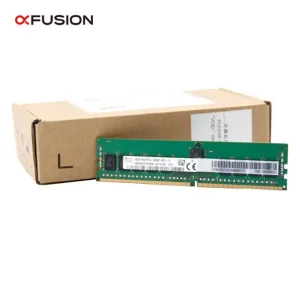
XFusion Fusionserver DDR5 RDIMM Memory
XFusion Fusionserver DDR5 RDIMM Memory 16GB/32GB/64GB/96GB 6400 288pin 0.42ns 4800000KHz 1.1V-ECC-1Rank (2G*8bit/4G*4bit)
Request Architecture Specs
Dell PowerEdge R760XS Computer Server
Dell PowerEdge R760XS Computer Server 2U 2-socket Rack Server Network Server R760XS
Request Architecture Specs
New xFusion Fusionserver 2288H V6 2U Server
New xFusion Fusionserver 2288H V6 2U Server Computer Xeon 4314 XR150-M 900W PSU 2288H V6 2U 2-socket Rack Server
Request Architecture Specs
New xFusion FusionServer 2488H V7 Computer Server
New xFusion FusionServer 2488H V7 Computer Servers 8*2.5 Inch Drive Xeon 2*6416H 2*32G 1500W 2488H V7 2U 4-socket Rack Server
Request Architecture Specs
Wholesale Dell Poweredge Server Stock
Wholesale in Stock Shenzhen R650 Dell Poweredge Deepseek Ai R750 R740 Gpu R760 R740xd 671B R250 R730 R630 R650 R640 Server
Request Architecture Specs
FusionServer 1288H V5 1U Rack Server Dual Socket Intel Xeon
FusionServer 1288H V5 1U Rack Server Dual Socket Intel Xeon Scalable Processor for Cloud Computing
Request Architecture Specs
Hot Selling Dell Poweredge GPU Server
Hot Selling Dell Poweredge Deepseek Ai R750 R740 Gpu R760 R740xd 671B R250 R730 R630 R650 R640 Server
Request Architecture Specs
New xFusion FusionServer 2258 V7 Server
New xFusion FusionServer 2258 V7 Server Computer 12*3.5 Inch Drive 2258 V7 2U 2-sockets Rack Server
Request Architecture Specs