NexaGPU
NexaGPU
NexaGPU
Enterprise rack-mount systems and high-speed data communications adapters designed for scale-out data center deployments.
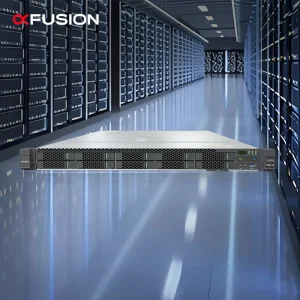
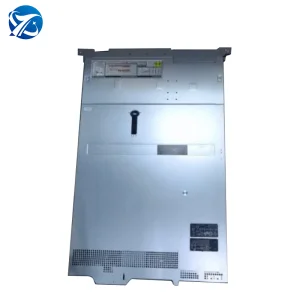
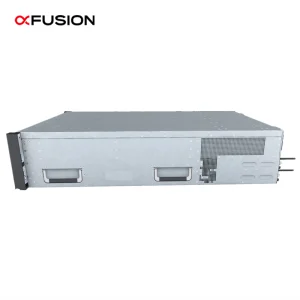
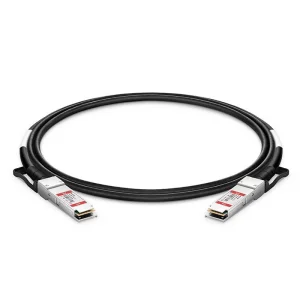
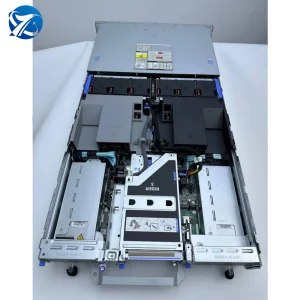
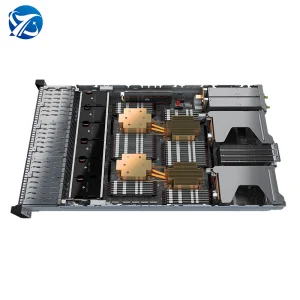
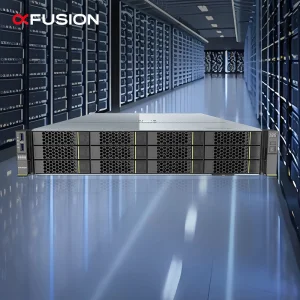
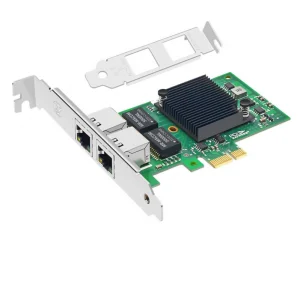
A strategic overview of scaling data communication fabrics for Artificial Intelligence (AI), Machine Learning (ML), and enterprise computing infrastructures.
Modern workloads demand a structural evolution in data center networking topologies. The rapid scale-out of neural network training architectures (such as DeepSeek and customized Large Language Models) has shifted the computational bottleneck from raw processor cycles to networking latency. To alleviate packet loss and reduce jitter, data centers must implement non-blocking Spine-Leaf networks operating on ultra-performance transport protocols.
Throughput requirements have graduated from standard 10G/40G configurations to massive 400G and 800G fabrics. This technological paradigm shift demands advanced physical media, including Active Copper Cables (ACC), Active Optical Cables (AOC), and optimized Direct Attach Copper (DAC) configurations. By minimizing bit-error rates (BER) and latency overhead, modern infrastructure enables rapid parallelization of compute nodes without catastrophic sync delays.
RDMA over Converged Ethernet (RoCE v2) has emerged as the cornerstone for modern AI clustering, allowing network adapters to transfer data directly between host memories without utilizing the operating system kernel. Implementing RoCE v2 successfully requires strict network-level mechanisms, including Priority-based Flow Control (PFC) and Explicit Congestion Notification (ECN) configurations, to guarantee lossless delivery across massive network switch ports.
As a leading exporter and OEM/ODM engineering house, NexaGPU designs physical server configurations with custom PCIe network interface cards (NICs) and intelligent SmartNICs. These adapters support hardware-level offloading of cryptographic protocols, virtualization overlays, and storage virtualization, freeing precious CPU clock cycles for core computational pipelines.
How NexaGPU leverages structural component availability, rigorous quality assurance, and engineering localization to accelerate time-to-market.
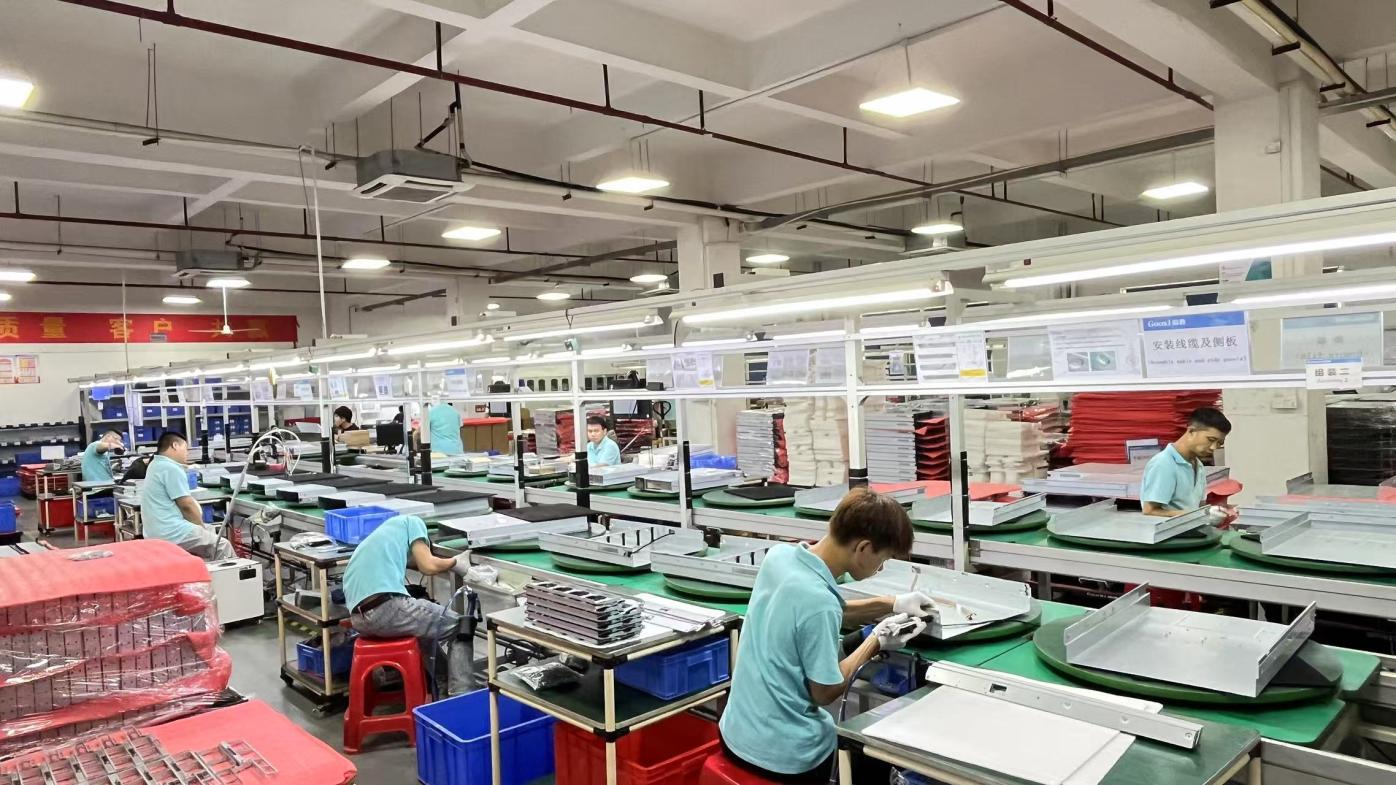
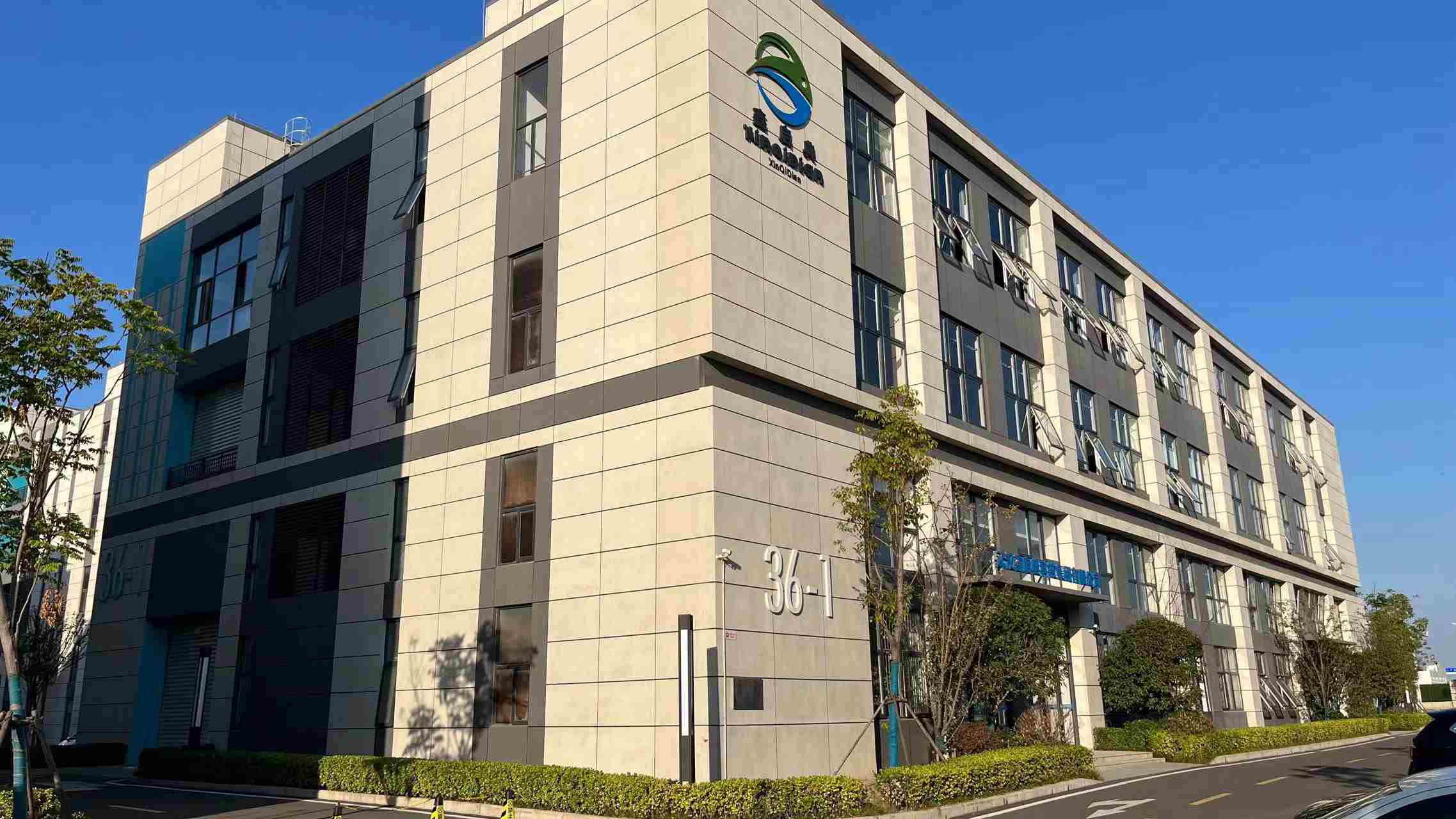
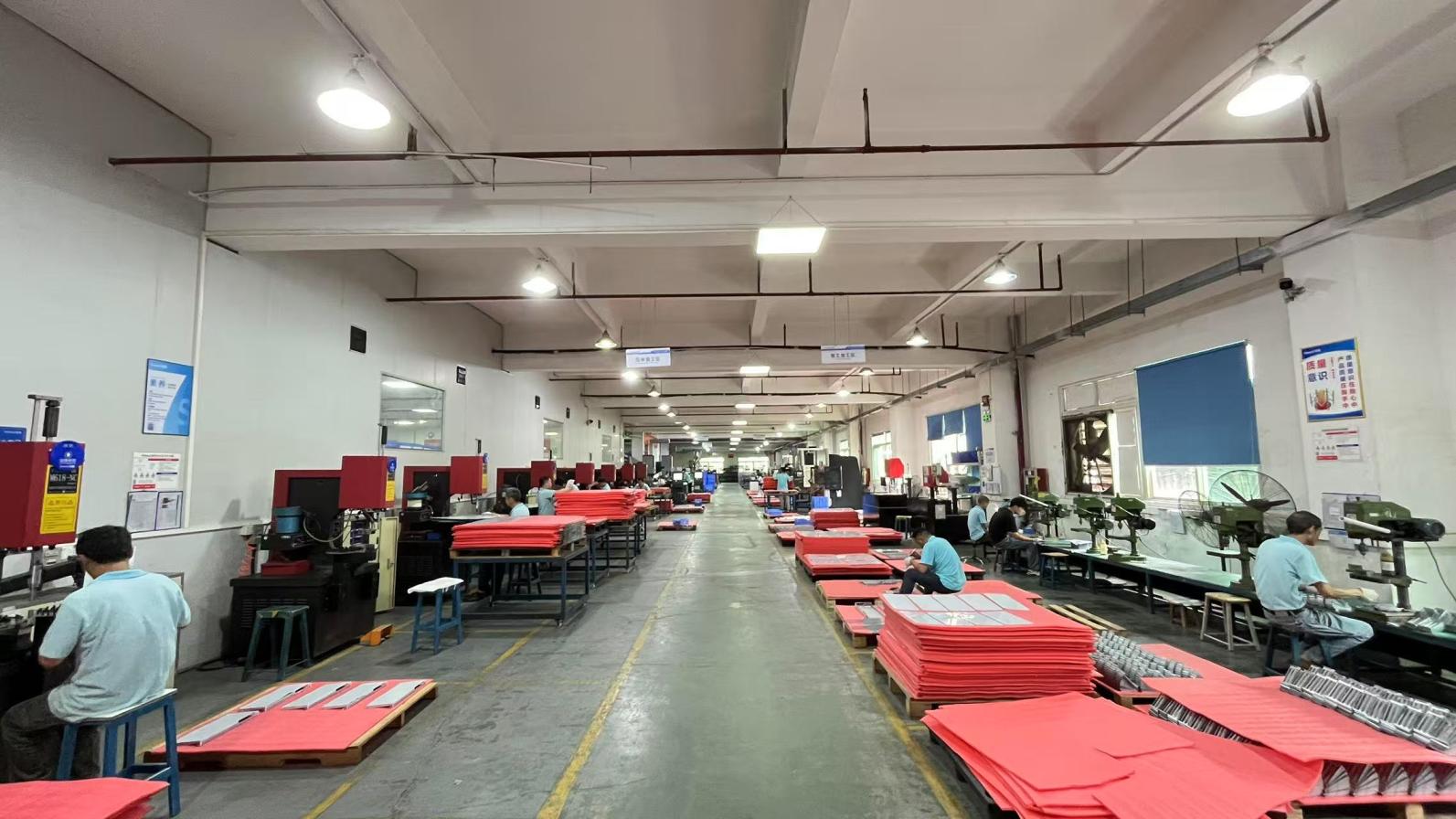
Operating a modernized manufacturing facility with a dedicated building area of approximately 320㎡, NexaGPU optimizes layout efficiency for high-density assembly, custom cabling harness configuration, and stress testing. By collaborating with over 850 verified supply chain partners, we establish strategic control over critical raw components, including high-performance enterprise PCB boards, robust bare-metal server chassis, power distribution blocks, and cooling components.
Our localized ecosystem in Shenzhen enables us to secure immediate allocation of hard-to-source components. This vertical supply integration dramatically decreases structural design leads, ensuring global clients can transition from conceptual schematics to localized hardware verification prototype runs in less than three weeks.
With an active cadre of 120 R&D engineers, NexaGPU leads research initiatives into GPU thermal dispersion, signal integrity, and custom PCIe Gen 5 routing topologies. In the past fiscal year alone, this engineering group successfully researched, validated, and launched 85 new product models, capturing evolving user demands in both AI training environments and low-footprint edge-computing nodes.
Our OEM/ODM capabilities encompass custom mechanical engineering (custom depth chassis configurations for legacy Telco racks), electronic layout customizations (redundant hot-swappable high-efficiency power distribution boards), and specialized BIOS/Baseboard Management Controller (BMC) firmware modifications. This custom development ensures your physical servers conform to proprietary orchestration software layers.
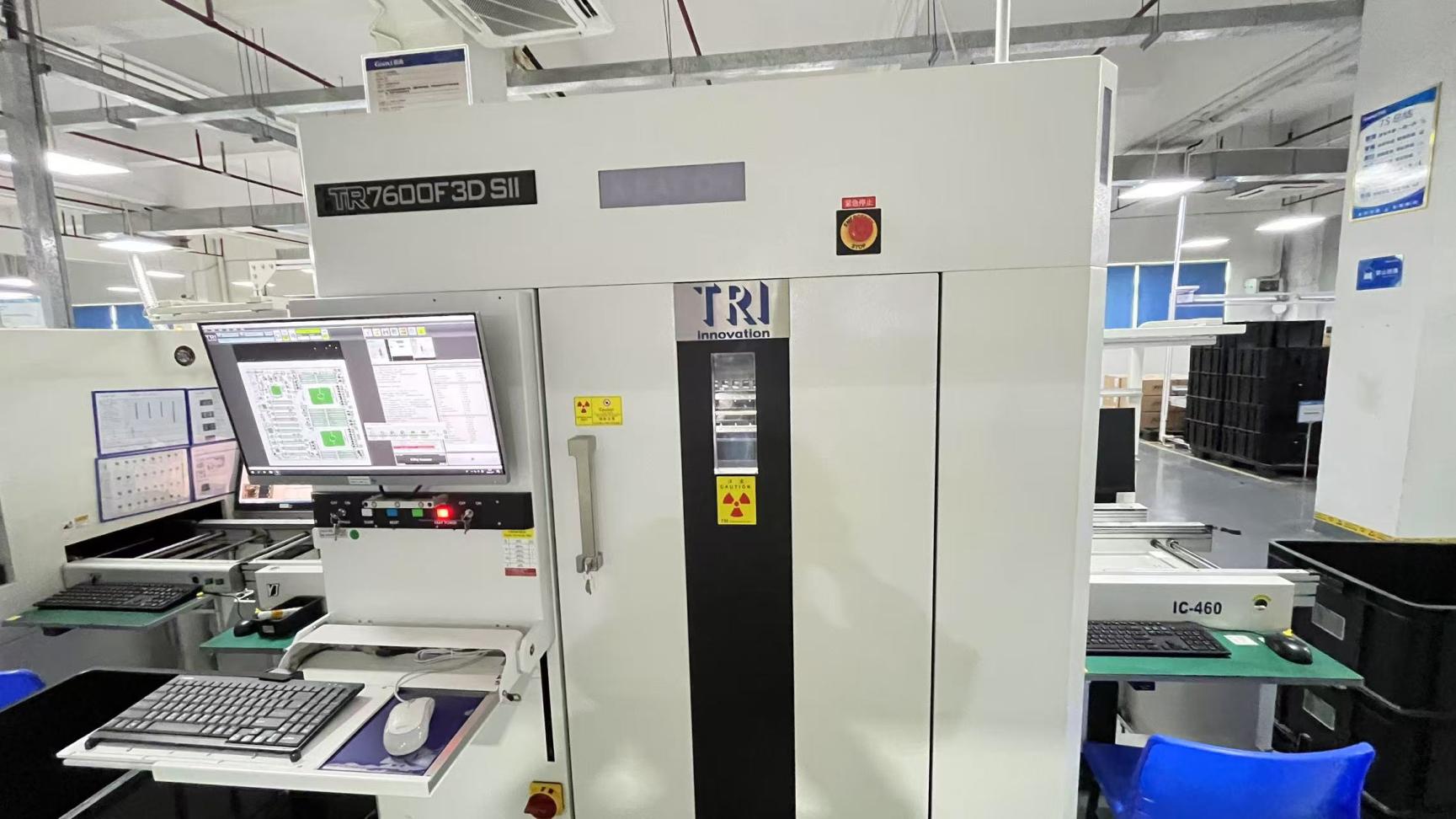
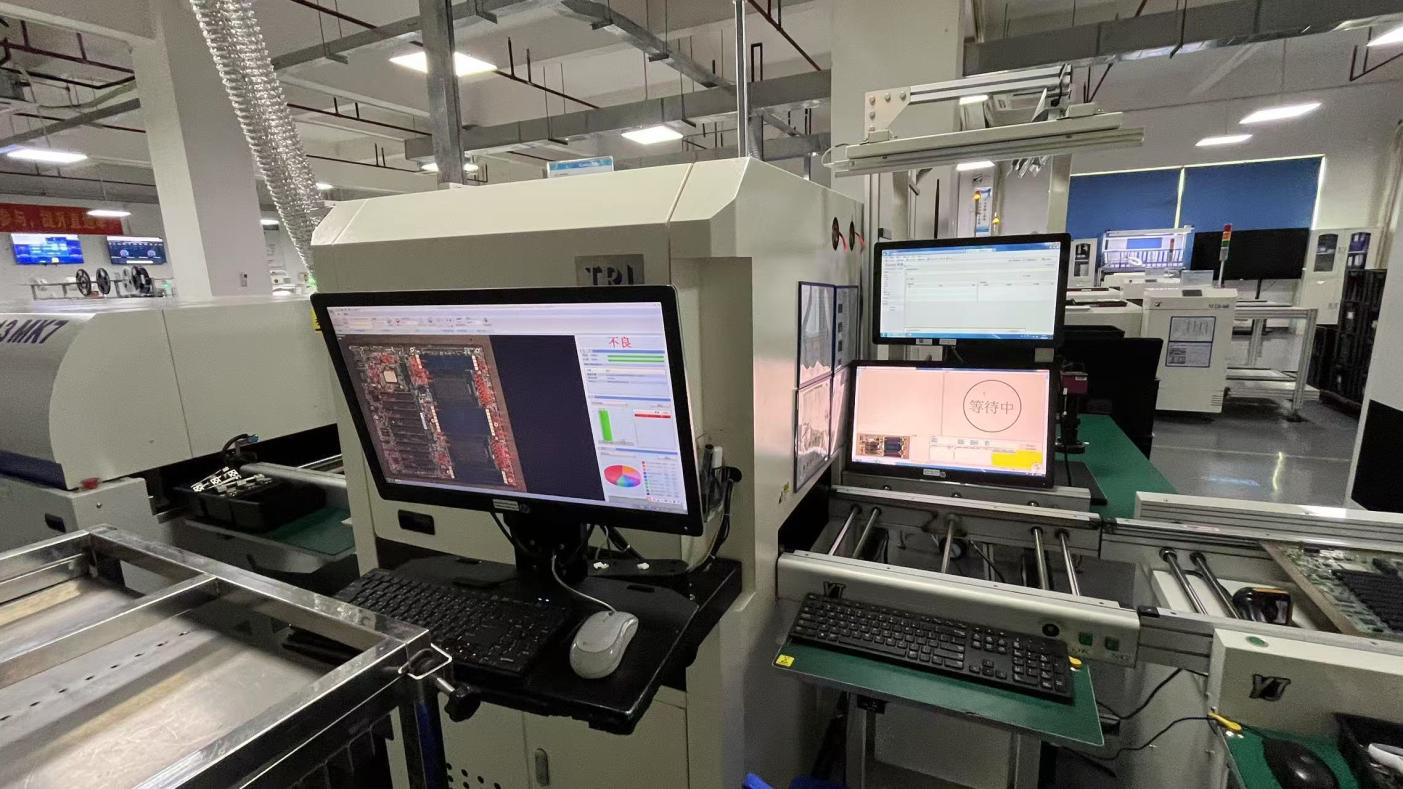
Quality reliability is guaranteed through our structured quality group consisting of 45 dedicated QC specialists. Every server unit undergoes a multi-stage validation program prior to leaving our export facility. This testing includes hardware stress-testing at elevated thermal limits, thermal imaging audits to locate hot spots, and signal integrity testing on backplanes and storage controllers.
Our B2B testing methodology guarantees that server hardware arrives at your data center with pre-loaded, verified firmware, validated RAID arrays, and network cards initialized. By preventing Dead-On-Arrival (DOA) scenarios, we help enterprise clients reduce onsite deployment overhead and guarantee consistent uptime from day one.
Bridging the gap between raw hardware components and sector-specific operational performance demands.
For CSPs, maximum computational density and power-use effectiveness (PUE) are the principal operational metrics. Our 1U and 2U rack-optimized computational architectures (such as the 1288H and 2288H series) are designed to maximize virtual machine (VM) densities per rack unit. Integrated with redundant hot-swappable platinum-grade power supplies and flexible backplanes supporting NVMe, SAS, and SATA drives, these servers offer the perfect hardware foundation for elastic cloud computing clusters.
Financial networks require low-jitter, mission-critical processing hardware to facilitate microsecond-level transactional execution. NexaGPU partners with system integrators to build multi-socket Intel Xeon systems (including the 2488H series) optimized for low latency. These rack servers run optimized BIOS configurations featuring core pinning and low-power C-states disabled, maintaining maximum Turbo Boost frequencies for data analytics and real-time risk simulation.
Training large neural networks requires vast compute matrices supported by physical clustering mechanisms. The G5200 V5 systems and custom high-density AI servers from NexaGPU support multi-GPU topologies with direct PCIe interconnect paths. Designed to house high-TDP computational cards, these server layouts leverage advanced fan curves and targeted ducting to ensure cooling efficiency, preventing thermal throttling during month-long AI training runs.
Unveiling the future architectural shifts in data center fabrics, high-speed interconnects, and compute structures.
As standard copper-based interconnects approach their physical limits at 224 Gbps per lane, signal attenuation over short lengths presents a major hurdle. The industry is transitionally adopting Silicon Photonics and Co-Packaged Optics (CPO) to bring optical connectivity closer to the silicon substrate. NexaGPU’s research department works closely with semiconductor partners to integrate future CPO options directly onto motherboard layouts, minimizing parasitics and improving overall power efficiency.
Memory capacity bottlenecks in multi-tenant servers often limit processing capability. Through the adoption of Compute Express Link (CXL 2.0 / 3.0), we are preparing systems that support dynamic memory pooling. CXL allows servers to share memory assets across high-speed PCIe fabrics, lowering the TCO of high-RAM computing pools while eliminating memory fragmentation across physical server chassis.
Data Processing Units (DPUs) have evolved from standard offload engines into fully programmable computational nodes. Next-generation network cards act as the data center's distributed operating system, managing virtualization, local NVMe-oF storage translation, and stateful security functions. NexaGPU's upcoming roadmap features native DPU integration options, providing out-of-the-box support for virtualized network overlays without impacting host CPU performance.
With CPU and GPU TDPs routinely exceeding 350W and 700W respectively, traditional air cooling is reaching its limits. NexaGPU is actively engineering liquid-to-air hybrid loops and Direct-to-Chip (D2C) liquid-cooling manifolds for our AI servers. The goal is to lower the operational power overhead, enabling deployment of high-density clusters in geographic regions with warm climates while maintaining low PUE values.
Navigating global regulatory frameworks, import compliance, and local post-sales engineering support channels.
Every piece of hardware exported by NexaGPU is engineered to comply with strict international regulatory frameworks, including CE, FCC, RoHS, and UL specifications. We manage the document pipeline to ensure rapid customs clearance at entry ports.
To address enterprise security concerns, our servers are provisioned with secure TPM 2.0 modules and root-of-trust firmware signatures. Hardware layers are audited to ensure no unauthorized firmware modifications exist.
Leveraging 6 years of export experience, we maintain logistics partnerships covering sea freight, air freight, and global express shipping. We handle import/export declarations, duty classifications, and local port clearance.
To minimize operational downtime, NexaGPU supports SLA-backed localized parts replacement programs. We supply regional partners with hot-swappable components (fans, power modules, drives) to facilitate quick replacements.
Key checkpoints for procurement officers, system architects, and financial analysts planning infrastructure expansions.
Procuring server hardware goes beyond the initial capital expenditure (CAPEX). Enterprise buyers must calculate long-term operational expenses (OPEX), which include power consumption, cooling efficiency, physical rack footprint, and maintenance costs. By integrating high-efficiency platinum-rated power delivery units and multi-socket density (like the 4-socket 2488H V5/V7), NexaGPU helps reduce power consumption and rack space requirements.
Furthermore, our customized ODM solutions enable enterprises to bypass unnecessary features, ensuring they pay only for the exact components their software stack requires.
Our OEM/ODM process follows a structured path to guarantee success:
In-depth responses to common technical questions from enterprise buyers and network administrators.
Discover our range of computational systems, rack nodes, and accessories to optimize your data center footprint.
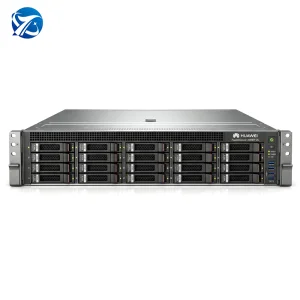
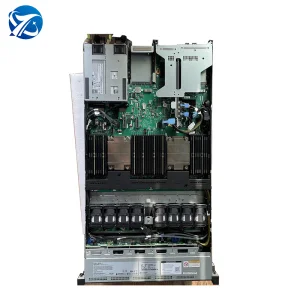
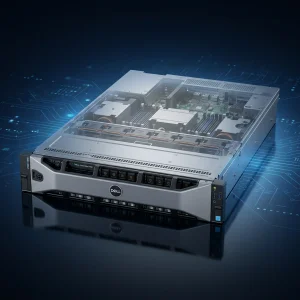
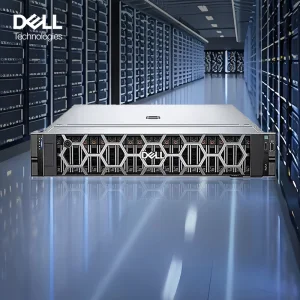
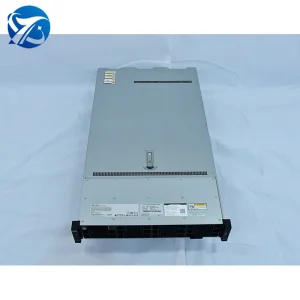
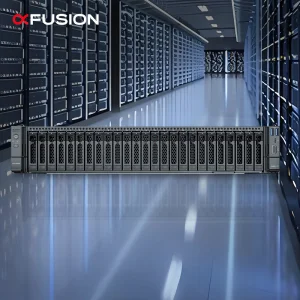
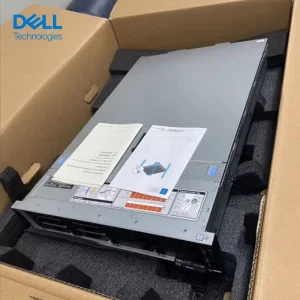
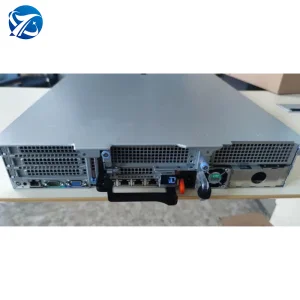
Inside NexaGPU’s production lines, verification stations, and staging environment.