NexaGPU
NexaGPU
NexaGPU
In the modern digital economy, business continuity has transcended simple periodic data backups. It now requires absolute operational resilience, sub-millisecond failover capabilities, and robust computing architectures capable of sustaining intensive machine learning (ML) and artificial intelligence (AI) processes without interruption.
Deploying clustered architecture models like hyperconverged infrastructure (HCI) to ensure that processing nodes can shift active workloads transparently. Redundant processing units maintain computational consistency even during catastrophic node failures.
Utilizing state-of-the-art power distribution models, such as High Voltage Direct Current (HVDC) systems, to minimize step-down energy loss, maximize thermal efficiency, and prevent power supply failures from cascading into data loss events.
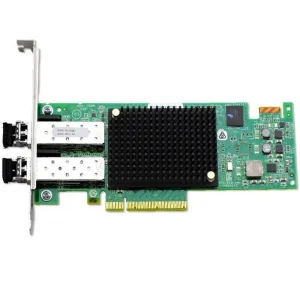
Architecting multi-path SAN topologies using dual-port Fibre Channel Host Bus Adapters (HBAs) to prevent transmission bottlenecks, facilitating dynamic network failovers and active-active storage configuration setups.
By leveraging customized hardware components—ranging from specialized high-density server configurations to fault-resilient network interface cards—enterprises can achieve the Zero Recovery Time Objective (RTO) and Zero Recovery Point Objective (RPO) thresholds demanded by mission-critical services, such as real-time financial auditing, deep neural network inference, and medical imaging pipelines.
Digital transformations are reshaping infrastructure mandates. Modern enterprise procurement teams prioritize architectural modularity and thermal efficiency over baseline raw capital expenditures (CAPEX), reflecting a long-term total cost of ownership (TCO) optimization mindset.
With data localization mandates and regional AI model development rising globally, enterprises are steering away from complete reliance on public cloud hyper-scalers. Instead, they are implementing on-premise and co-located private GPU clusters configured specifically for local languages and compliance constraints. This shift demands highly customized server systems with advanced security modules and isolated execution environments (trusted execution environments, or TEEs).
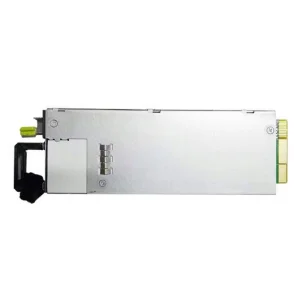
Traditional AC-to-DC rectification steps inside typical data center topologies represent a significant thermal loss point. Global data center operators are increasingly transitioning to native 380V HVDC power paths. The integration of specialized hardware components like the XFusion HVDC1500wb Power Module allows servers to run directly off highly efficient DC grids, eliminating unnecessary transformation circuits and reducing facility-wide Power Usage Effectiveness (PUE) scores.
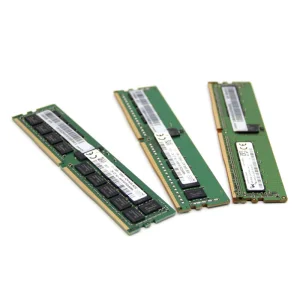
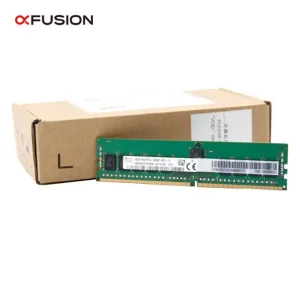
As dataset dimensions grow exponentially, transient memory errors pose a severe threat to operational continuity. Single-event upsets (SEUs) can corrupt critical machine learning training runs or cause transaction database kernel panics. The deployment of DDR5 RDIMM server memories featuring On-Die and Side-band Error Correction Code (ECC) ensures automatic single-bit error detection and mitigation, sustaining server stability over months of uninterrupted uptime.
Modern GPUs and CPUs have pushed thermal design profiles (TDP) past the 400W–700W threshold per chip. Standard air-cooling configurations struggle to maintain safe junction temperatures under continuous compute loads, resulting in thermal throttling and premature component wear. OEM/ODM solutions now incorporate liquid-to-air and direct-to-chip liquid loop modules directly into custom chassis designs, protecting hardware lifecycle longevity.
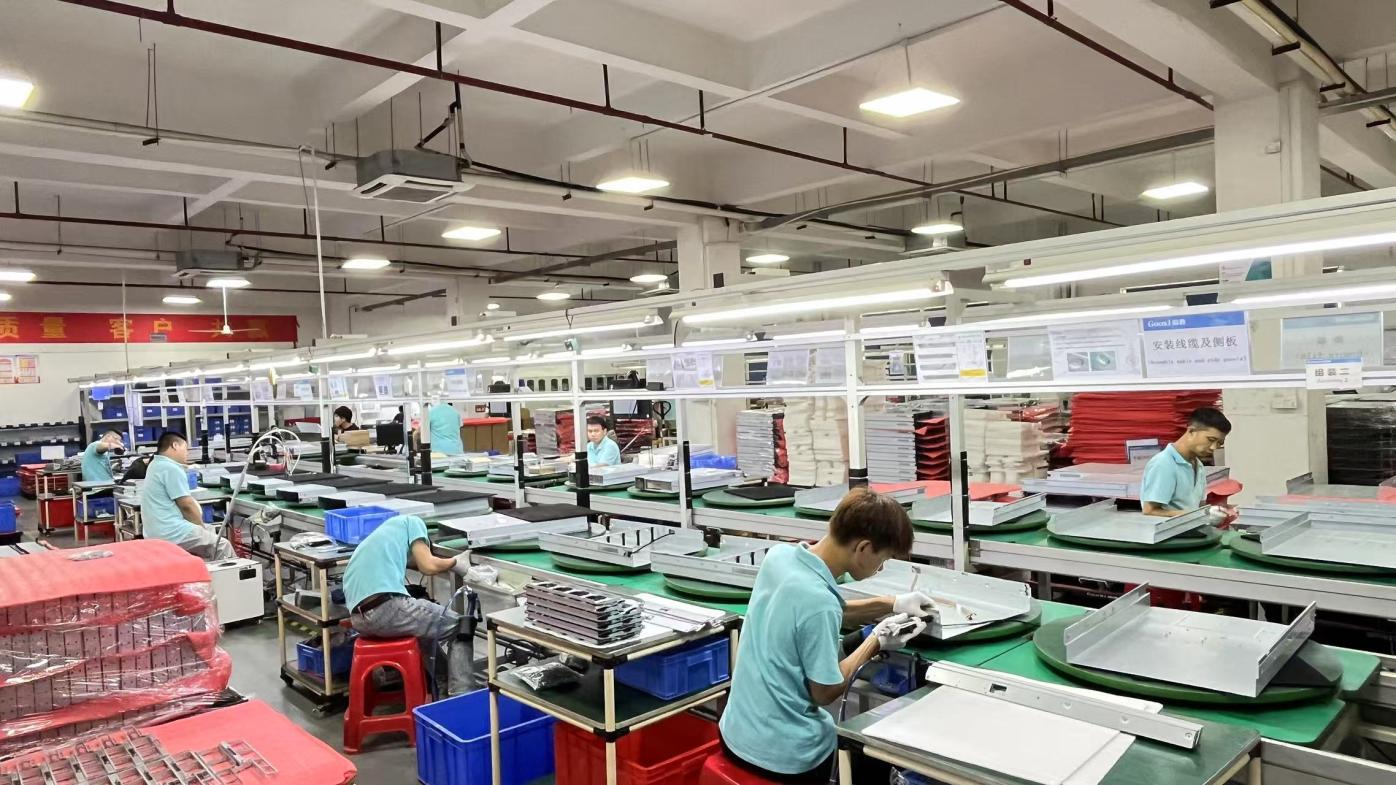
The industrial backbone of high-performance computing hardware relies on robust, responsive manufacturing clusters. Factory 4.0 protocols leverage interconnected automation ecosystems, rapid structural engineering modeling, and strict quality control pipelines to deliver mission-ready server components globally.
Modern manufacturing nodes utilize smart surface-mount technology (SMT) lines combined with real-time Component Traceability Databases. Each component, from memory registers to CPU sockets, is tagged and logged to trace physical performance histories and accelerate rapid assembly cycles.
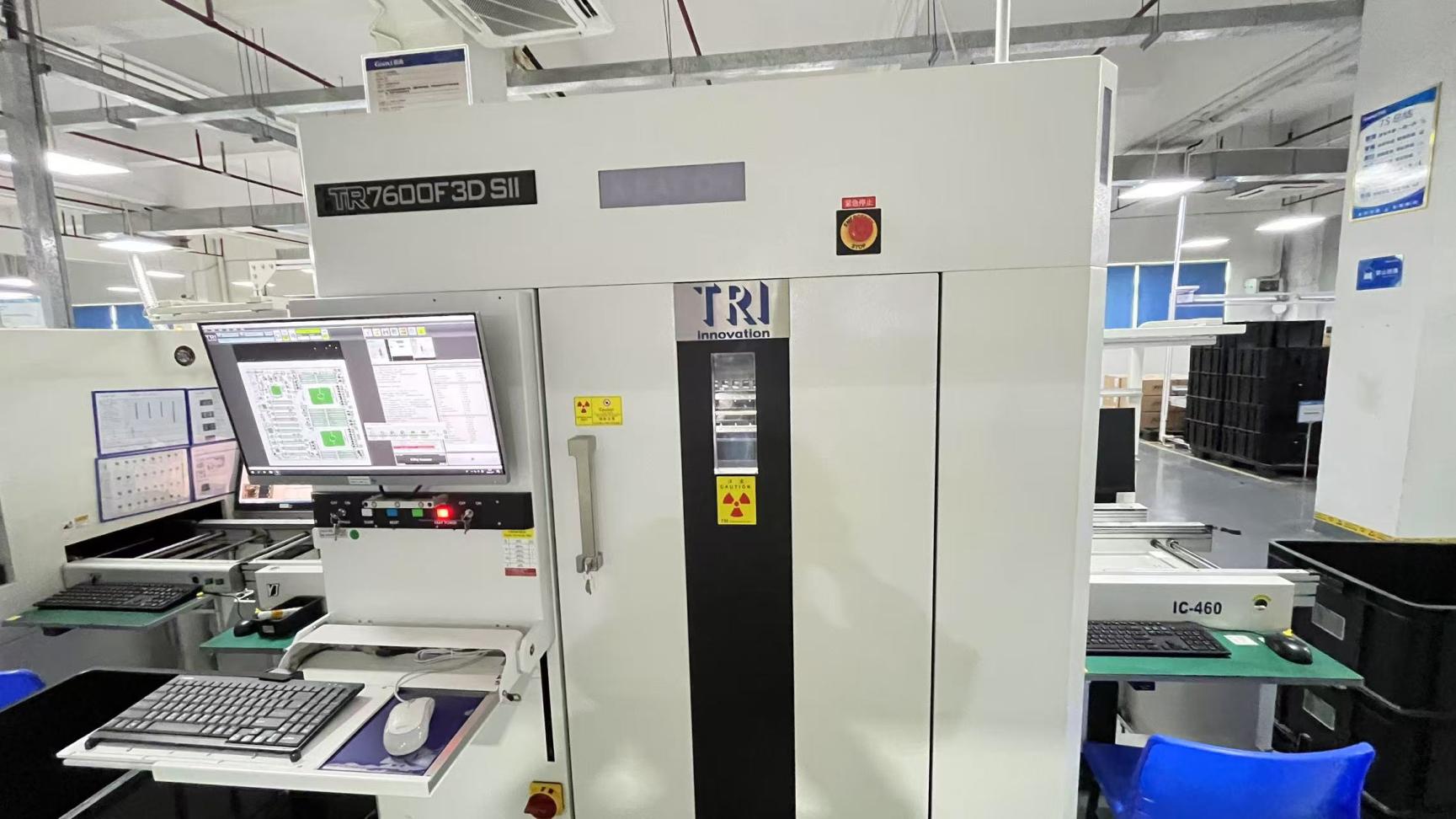
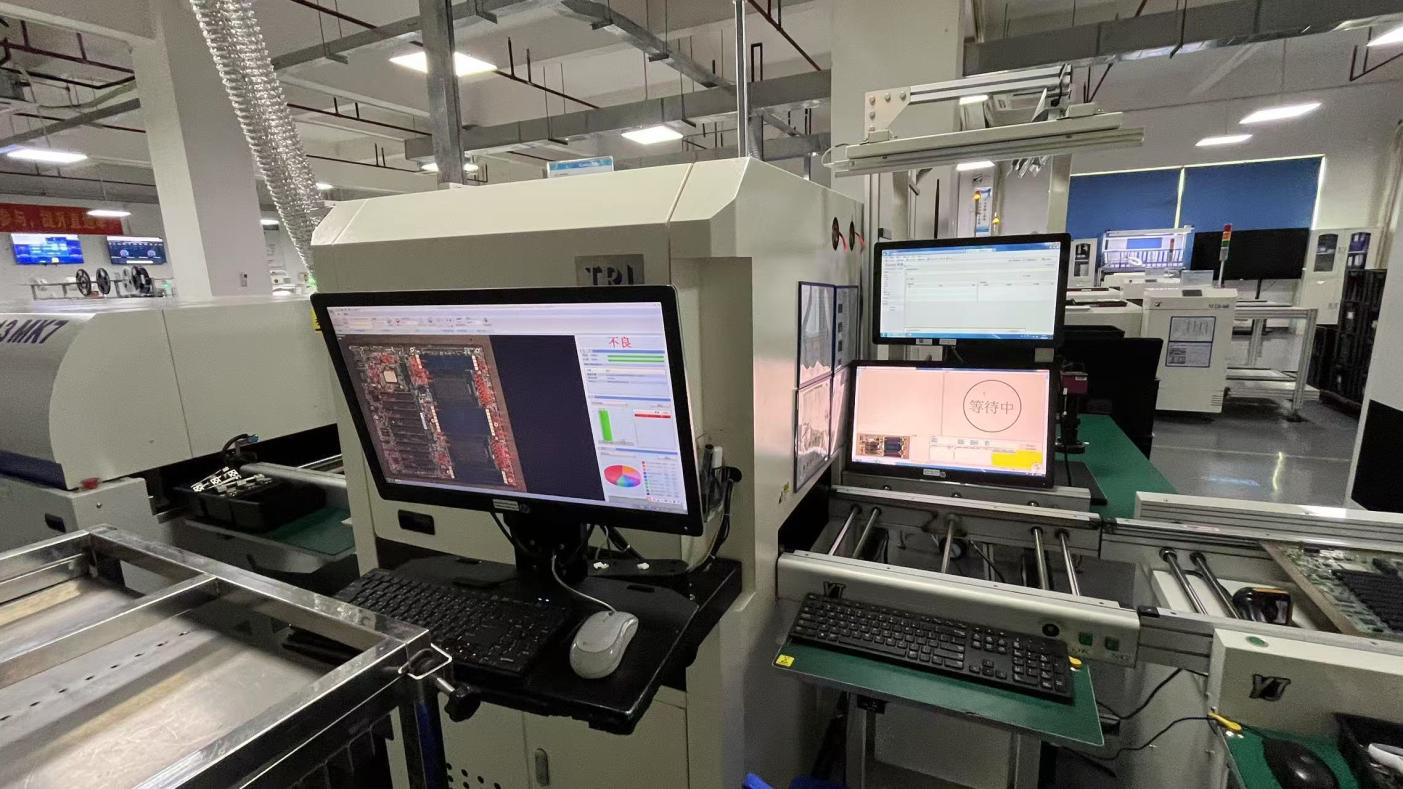
Quality assurance programs execute automated optical inspections (AOI), X-ray validation of multi-layer PCB solder integrity, and high-temperature environmental burn-in stress testing to guarantee hardware durability in hostile deployment environments.
By establishing long-term strategic alignments with component foundries, raw copper heat-pipe mills, and specialized IC manufacturers, advanced suppliers prevent critical component delays, keeping target delivery schedules secure.
Through the integration of agile production pathways, Chinese supply chain centers offer deep ODM/OEM design adaptability. They allow enterprises to configure specialized chassis sizing, unique backplane interface boards, and bespoke thermal routing schemes to match their specific infrastructure setups.
NexaGPU is a professional AI GPU server manufacturer and supplier specializing in high-performance computing infrastructure, GPU clusters, and customized AI server solutions for global enterprises, data centers, and AI development companies.
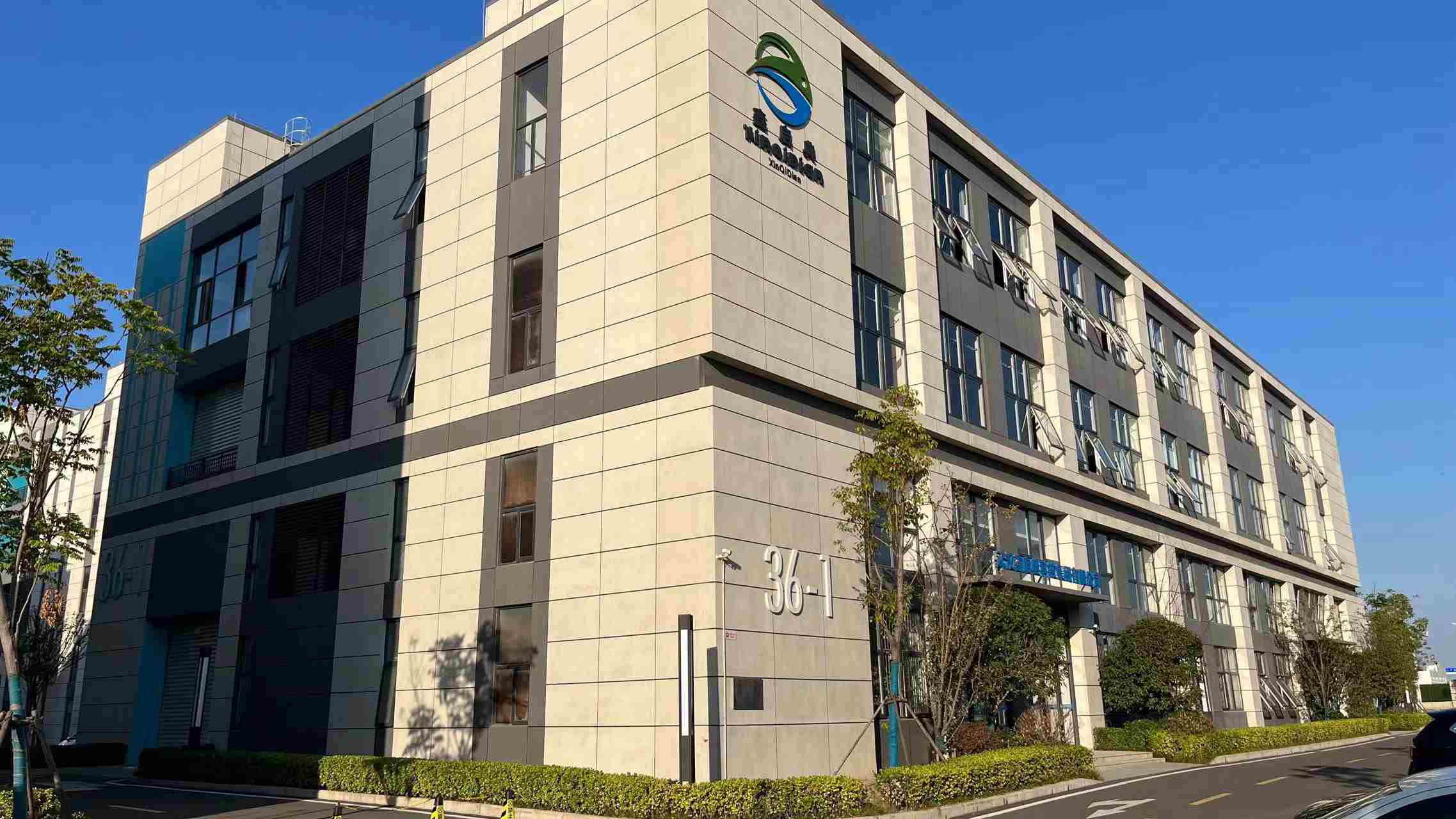
Established in 2016, NexaGPU has rapidly grown into a trusted provider of advanced GPU computing systems. The company operates a modern manufacturing facility with a building area of approximately 320㎡, supporting efficient production, assembly, and testing of AI server systems. Backed by 11 years of industry experience and 6 years of international export operations, our team delivers high-availability computing solutions tailored to modern workload challenges.
Our dedicated R&D group of 120 engineers optimizes GPU architectures, server motherboards, dynamic cooling loops, and ultra-dense storage arrays. In the past year alone, NexaGPU launched 85 new product models, addressing workloads from deep learning training to real-time inference clusters.
NexaGPU maintains a rigid multi-stage inspection process to ensure zero-defect deployments. The testing pipeline includes structural hardware validation, comprehensive thermal cycle profiling, memory stress checking, and automated performance benchmarking. Our quality standard is supported by 45 QC specialists who monitor every phase of assembly.
We manage an annual export revenue of USD 12 million, serving clients in North America, Europe, Southeast Asia, and the Middle East. With a robust B2B technology supply network linking over 850 partners—including GPU chip makers, board suppliers, cooling system developers, and custom chassis factories—we ensure stable component access and consistent delivery timelines.
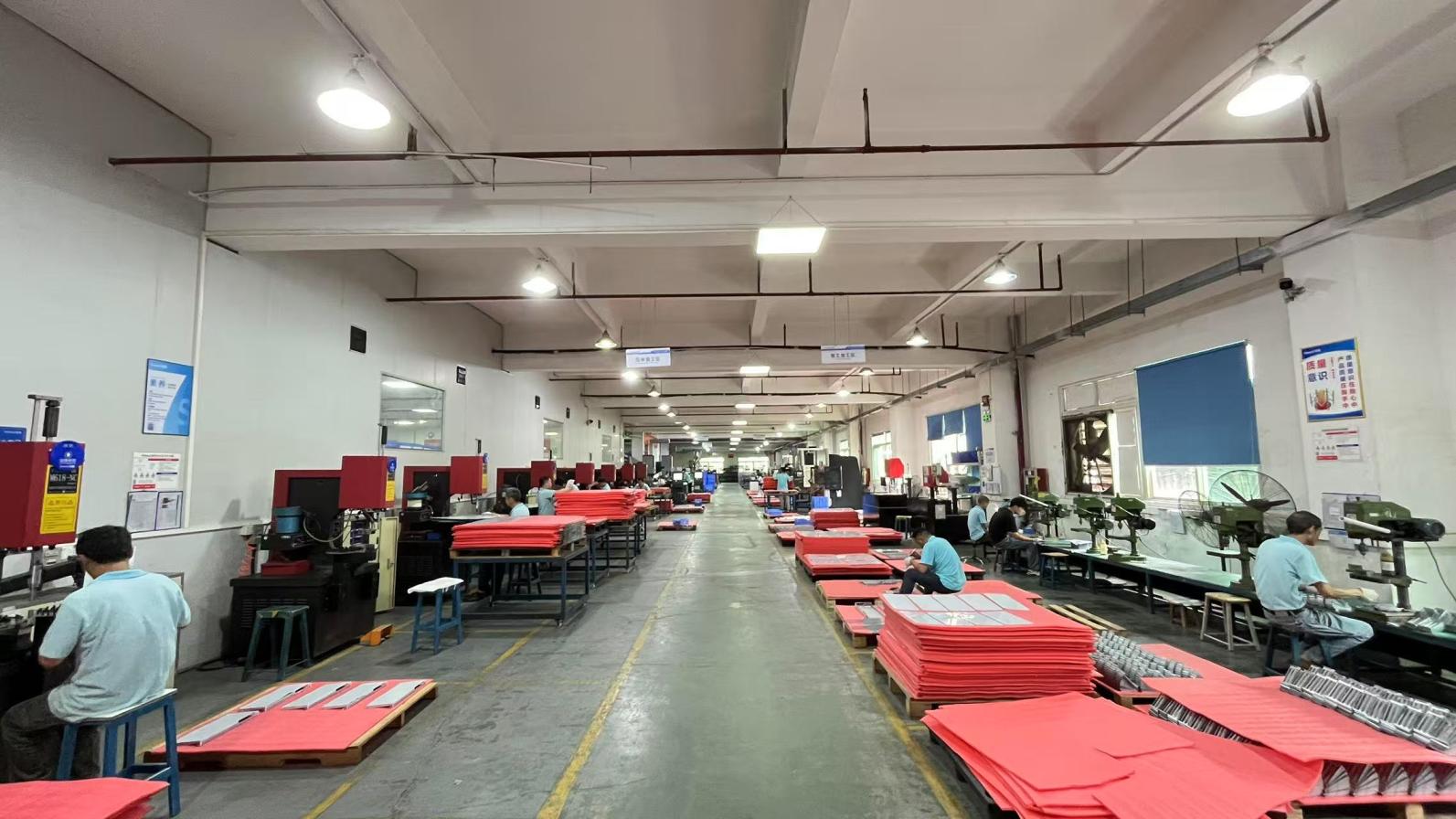
Different computing scenarios present unique physical constraints, data flows, and hardware requirements. Here is how NexaGPU architectures address these specific workloads:
Scenario: Deep learning labs training next-generation foundational models (e.g., DeepSeek R1 models) require massive parallel GPU networks with minimal node-to-node latency.
Scenario: Real-time quantitative trading networks demand minimal latency jitter and absolute platform consistency.
Scenario: High-transaction databases require active-active synchronous mirroring across distinct local SAN storage fabrics.
Review detailed answers to engineering and deployment questions concerning high-performance hardware integrations and customization cycles.
Traditional AC distribution topologies require multiple voltage conversion steps (AC to DC, DC to AC, and back to DC inside the server's PSU), with each conversion generating thermal losses and heat dissipation issues. Operating servers via HVDC power modules (such as 380V DC systems) allows direct routing from centralized rectifiers or clean solar grids directly to the server busbar. This cuts transformation losses, simplifies server PSU design by removing conversion circuits, and reduces overall cooling costs in high-density environments.
DDR5 RDIMM modules introduce On-Die ECC alongside traditional Side-band ECC. On-Die ECC manages error checking at the silicon level within the DRAM die itself, addressing single-bit faults prior to data transmission. Side-band ECC works at the system level to protect data in transit to the CPU. Combined with a 6400MHz transmission frequency and reduced 1.1V operational voltages, DDR5 RDIMMs deliver twice the bandwidth of DDR4 while lowering energy draw and protecting system stability during prolonged scientific computing runs.
NexaGPU's customization model covers mechanical, thermal, electrical, and firmware design layers. We adapt GPU layout topologies (supporting SXM, PCIe, or custom PCIe-Switch fabrics), modify PCB backplane routing to adjust storage and network expandability, configure targeted BIOS parameters for hardware-level virtualization, and design liquid-to-air cooling options tailored to specific data center structures.
Every newly designed chassis goes through prototyping, signal integrity simulation, thermal chamber stress tests under high external temperatures, and structural vibration testing. The final production models undergo automated hardware loop tests, testing memory sub-systems, power stability under variable loads, and storage write limits before shipping to target data centers.