NexaGPU
NexaGPU
NexaGPU
Exacting standard components for enterprise virtualization, deep learning platforms, and dense computing clusters.
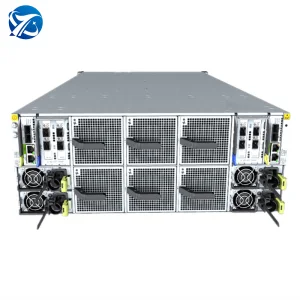
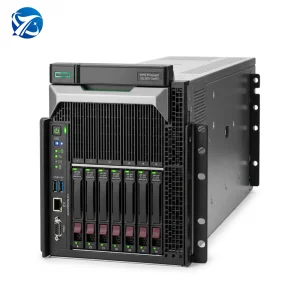
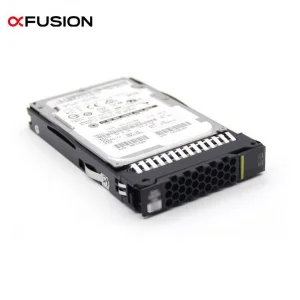
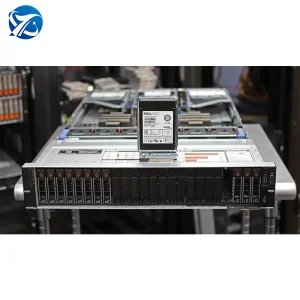
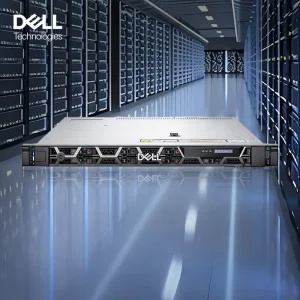
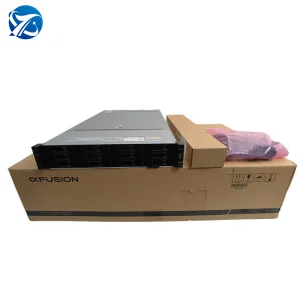
The explosion of Large Language Models (LLMs) such as DeepSeek, LLaMA, and proprietary enterprise architectures has completely reshaped the demands placed on computing infrastructure. Conventional data centers designed for standard CPU workloads are hitting thermodynamic and electrical bottlenecks. High-Density AI GPU Hosting is no longer merely a service of renting rack space; it is a complex, hyper-engineered ecosystem combining hardware-software co-design, extreme cooling architectures, and physical spatial optimization.
When organizations move from experimental AI workloads to enterprise-wide inferencing and continuous pre-training, standard off-the-shelf GPU server boxes often fall short. Customized OEM/ODM AI GPU server designs are required to optimize mechanical chassis layouts, high-performance bus configurations, and direct-to-chip liquid loops. Partnering directly with an OEM/ODM factory guarantees that physical configurations, power-sharing rails, and custom motherboard traces align perfectly with the target workloads.
Delivering global enterprise-grade AI clusters, specialized GPU server designs, and certified manufacturing workflows.
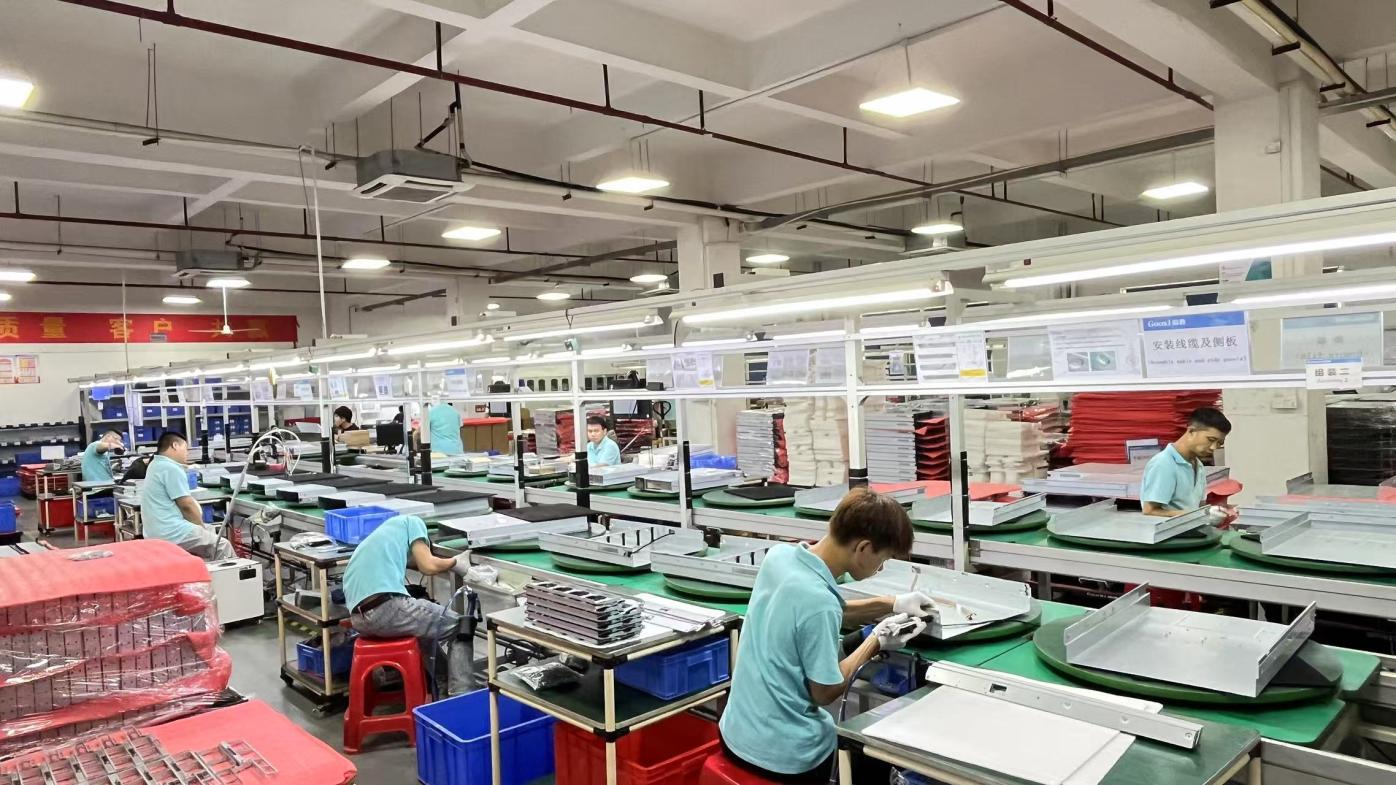
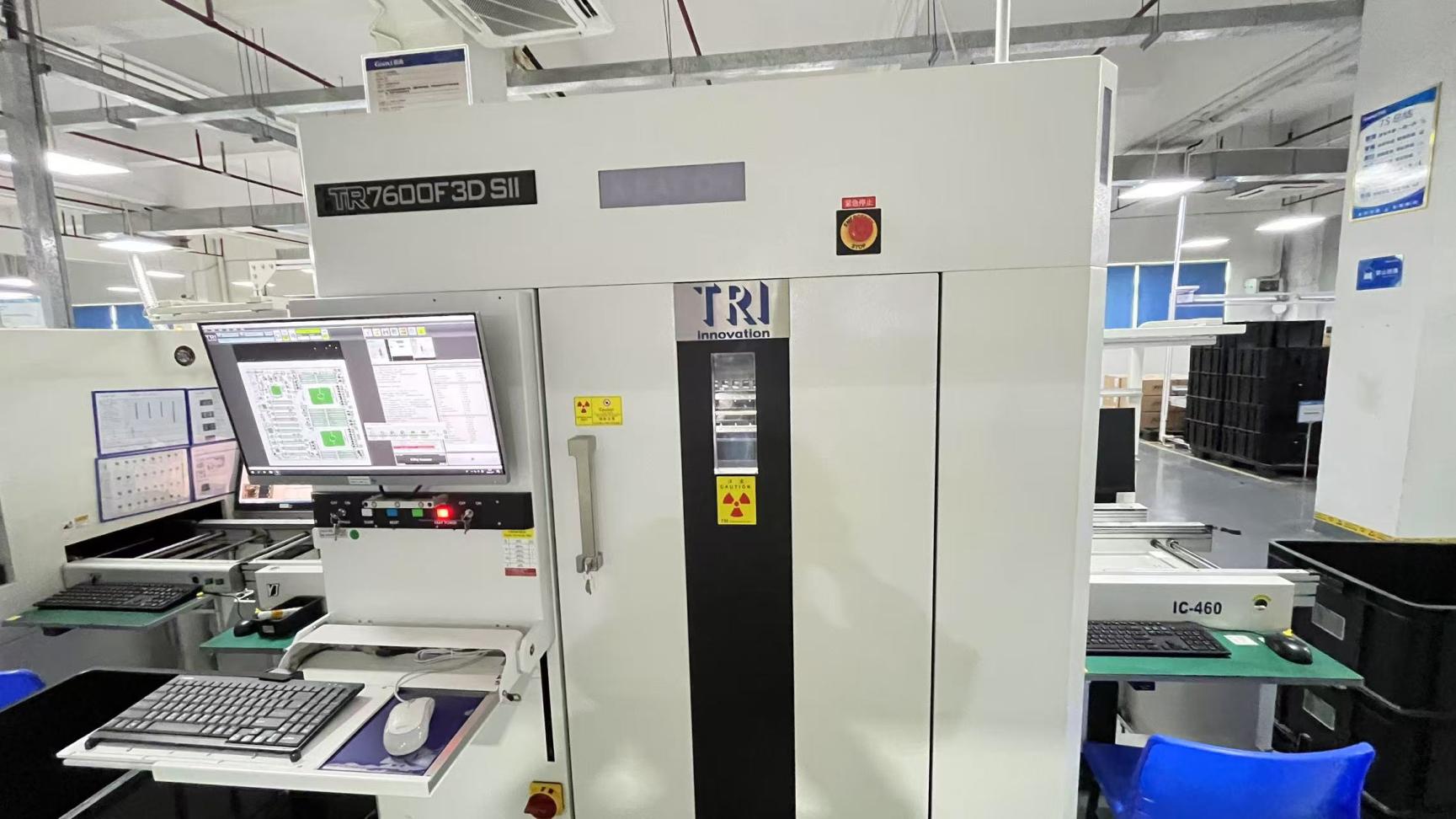
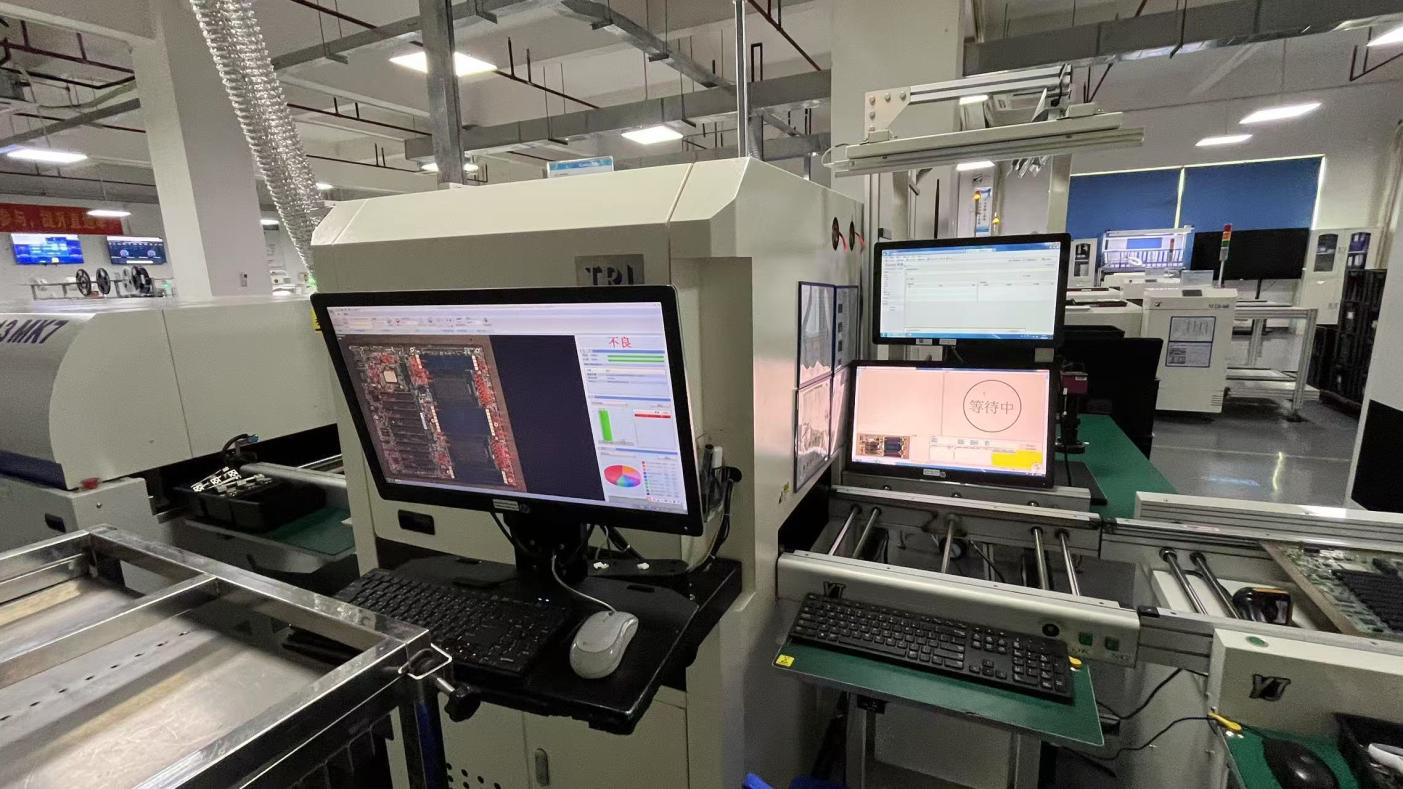
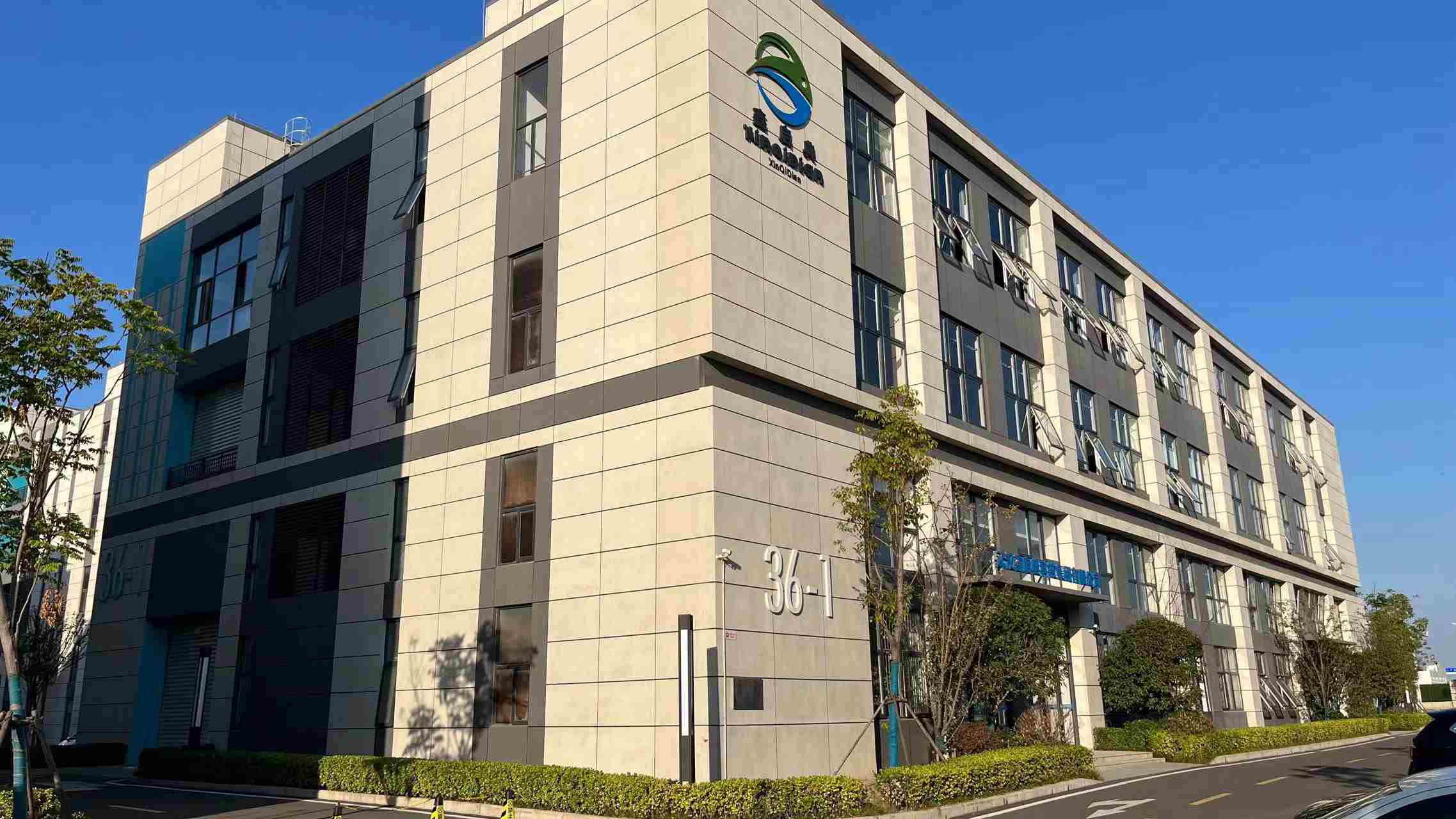
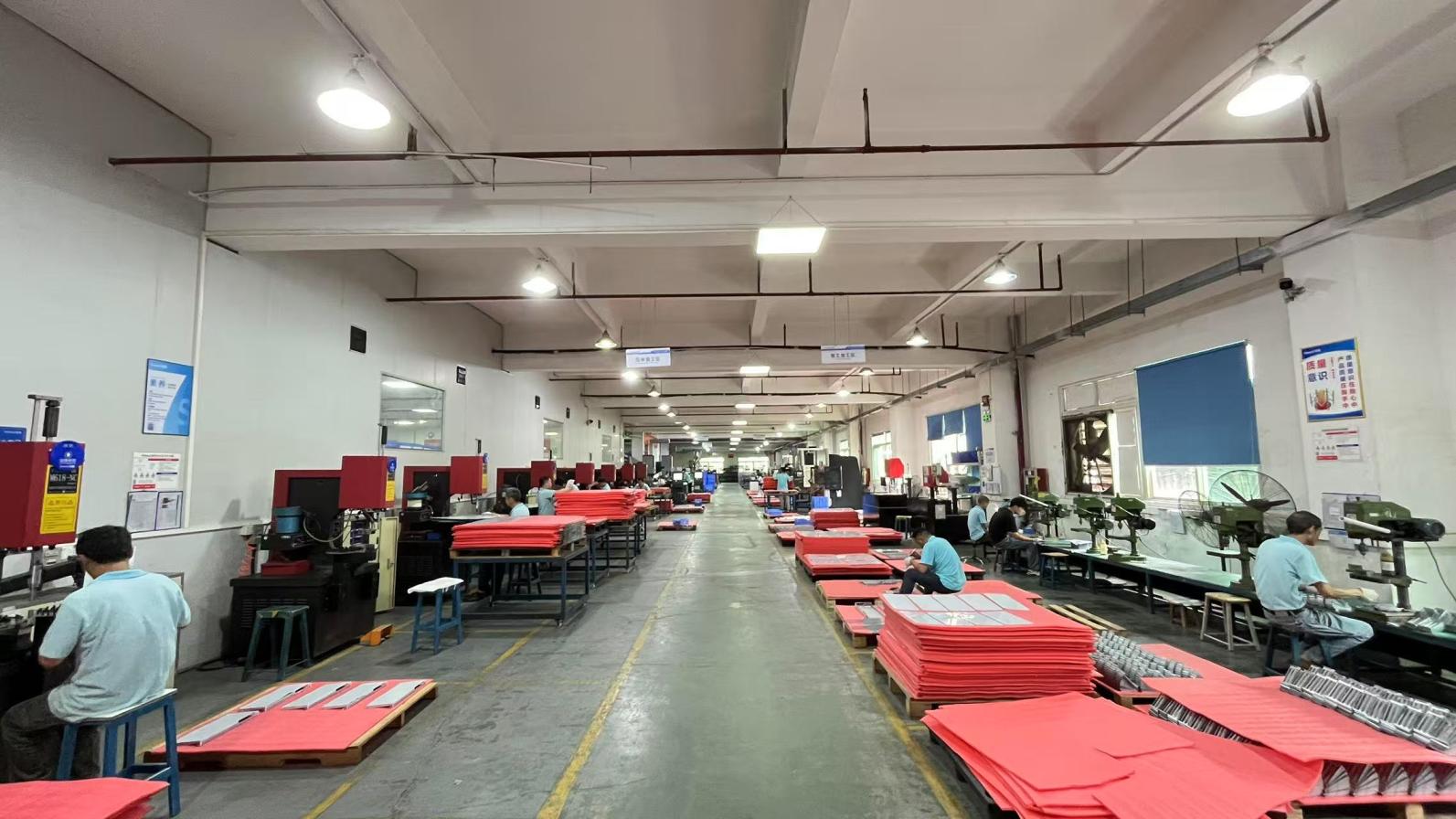
NexaGPU is a specialized high-performance AI GPU server manufacturer providing high-density hardware designs, specialized GPU cluster routing, and bespoke compute nodes. Operating out of our modern facility designed to support agile assembly and verification cycles, we bridge the gap between architectural blueprints and hardened physical deployment.
Supported by 11 years of deep industry expertise and 6 years of global export compliance execution, NexaGPU is configured to scale operations for research labs, hyperscalers, and boutique GPU hosting facilities worldwide. Our extensive trade ecosystem reaches partners in North America, Europe, Southeast Asia, and the Middle East, validated by a robust network of over 850 strategic hardware supply partners.
Understanding the geographic and logistics infrastructure that makes rapid prototype-to-production deployment possible.
Manufacturing high-performance GPU hosting servers requires immediate, friction-free access to thousands of precision components. The Dongguan-Shenzhen electronics industrial belt provides NexaGPU with unparalleled ecosystem support. From structural sheet metal, high-layer-count PCB manufacturing, thermal solutions (vapor chambers, water-cooling plates) to passive components, every element is sourced within a 50-kilometer radius.
This proximity shortens prototype delivery times dramatically. An EVT (Engineering Validation Test) chassis redesign that might take weeks elsewhere is produced, revised, and validated in our facility within 3 to 5 business days. This efficiency drastically reduces the time-to-market for data centers looking to capture rapid waves of compute demand.
Furthermore, our 45-member Quality Control Specialist team employs strict validation checkpoints:
| Phase | Key Processes Involved | Standard Timelines |
|---|---|---|
| R&D & CAD Design | PCB trace routing, thermal fluid simulations, structural chassis modeling. | 5 - 10 Days |
| EVT & Prototyping | Precision tooling, custom sheet metal stamping, thermal loop validation. | 7 - 14 Days |
| DVT & PVT Testing | Burn-in chambers, signal integrity verification (PCIe 5.0/6.0 analyzer check). | 10 - 15 Days |
| Mass Production | Component surface mounting, assembly line scheduling, multi-stage QA audit. | 15 - 25 Days |
Deploying specialized computing nodes directly where the localized workloads demand physical presence.
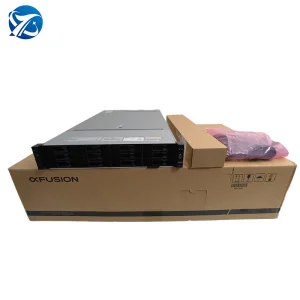
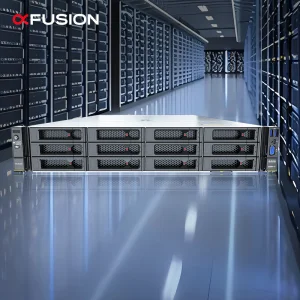
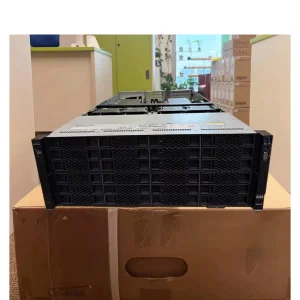
Municipal grids and automated logistics hubs require low-latency inference servers located close to data collection endpoints. Our short-depth OEM/ODM servers (such as the FusionServer 5288 V7) are specifically designed for space-constrained edge nodes, minimizing physical footprint while retaining maximum computing density.
With global laws highlighting the importance of data sovereignty, enterprises must run their LLMs in-house. Custom GPU servers are optimized for localized training, fine-tuning, and deployment of specialized frameworks without routing data through public cloud networks.
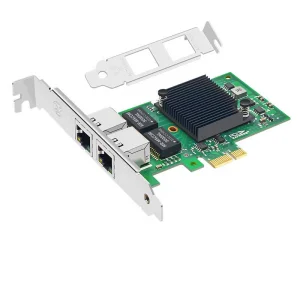
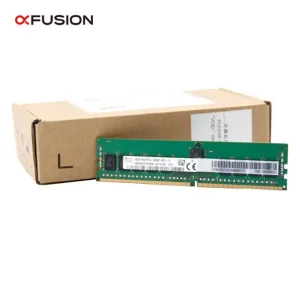
Simulating millions of parallel paths requires optimized memory interfaces and ultra-low-latency network links. Our customized server variants optimize xFusion DDR5 modules and custom PCIe host-bus adapters to achieve near-zero-latency transactions and computational models.
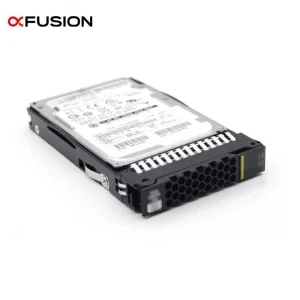
Running advanced rendering or protein folding networks demands vast storage throughput. We integrate dedicated PCIe RAID controllers alongside custom NVMe pools to keep GPUs continuously fed with data, avoiding bottlenecks at the storage tier.
How our R&D team tackles physical limitations to squeeze maximum performance out of modern silicon.
As GPUs push towards 700W, 1000W, and beyond, standard air cooling systems require fans spinning at high RPMs, consuming vast amounts of parasitic power. This drives up the datacenter Power Usage Effectiveness (PUE) ratio. Our engineering team has prioritized liquid cooling solutions:
At PCIe Gen 5.0 and Gen 6.0 frequencies, trace length and routing geometry are critical. Standard FR4 PCBs suffer from signal degradation and crosstalk. NexaGPU uses premium, ultra-low-loss materials (like Panasonic Megtron 6 or Megtron 8), backdrill techniques, and custom component layout to ensure signal loss remains within acceptable decibel boundaries. This means clean communication between processing nodes, preventing dropouts and maintaining steady computational workloads.
Complete migration to PCIe Gen 5.0 baseboards across all OEM lines. Perfecting liquid loops to sustain running TDPs of 700W per accelerator. Implementing optimized software hooks for clustered Kubernetes environments.
Deploying initial Gen 6.0 test units featuring advanced PAM4 signaling verification. Expanding partnerships for custom chassis layouts using high-density optical interconnects directly at the motherboard level.
Designing system motherboards from the ground up for dielectric fluid immersion tanks. Ensuring compatibility with next-generation high-density power grids to deliver over 100kW per cabinet.
Providing localized deployment, remote diagnostic capabilities, and robust certification frameworks.
NexaGPU maintains strict control over regulatory compliance. Our custom server systems are audited to conform to international standards, ensuring smooth customs processing and seamless deployment within enterprise-grade environments.
Every shipment is supported by comprehensive QA reports, power verification documentation, and custom BIOS layout sheets for ease of deployment.
We understand that compute downtime costs thousands of dollars per hour. NexaGPU offers structured support agreements tailored to your deployment needs:
Addressing core engineering, logistics, and capabilities questions for global IT decision makers.
Core server building blocks, controllers, and storage modules necessary to support scaling computing clusters.