NexaGPU
NexaGPU
NexaGPU
In the epoch of generative artificial intelligence and high-density heterogeneous computing, data center infrastructures are shifting from generalized CPU-centric layouts to specialized GPU-accelerated computing nodes. As a pioneering force established in 2016, NexaGPU has accumulated 11 years of deep-seated industry experience and 6 years of global export experience. We stand at the forefront of this architectural transition, bridging the gap between chip-level innovations and production-ready server platforms.
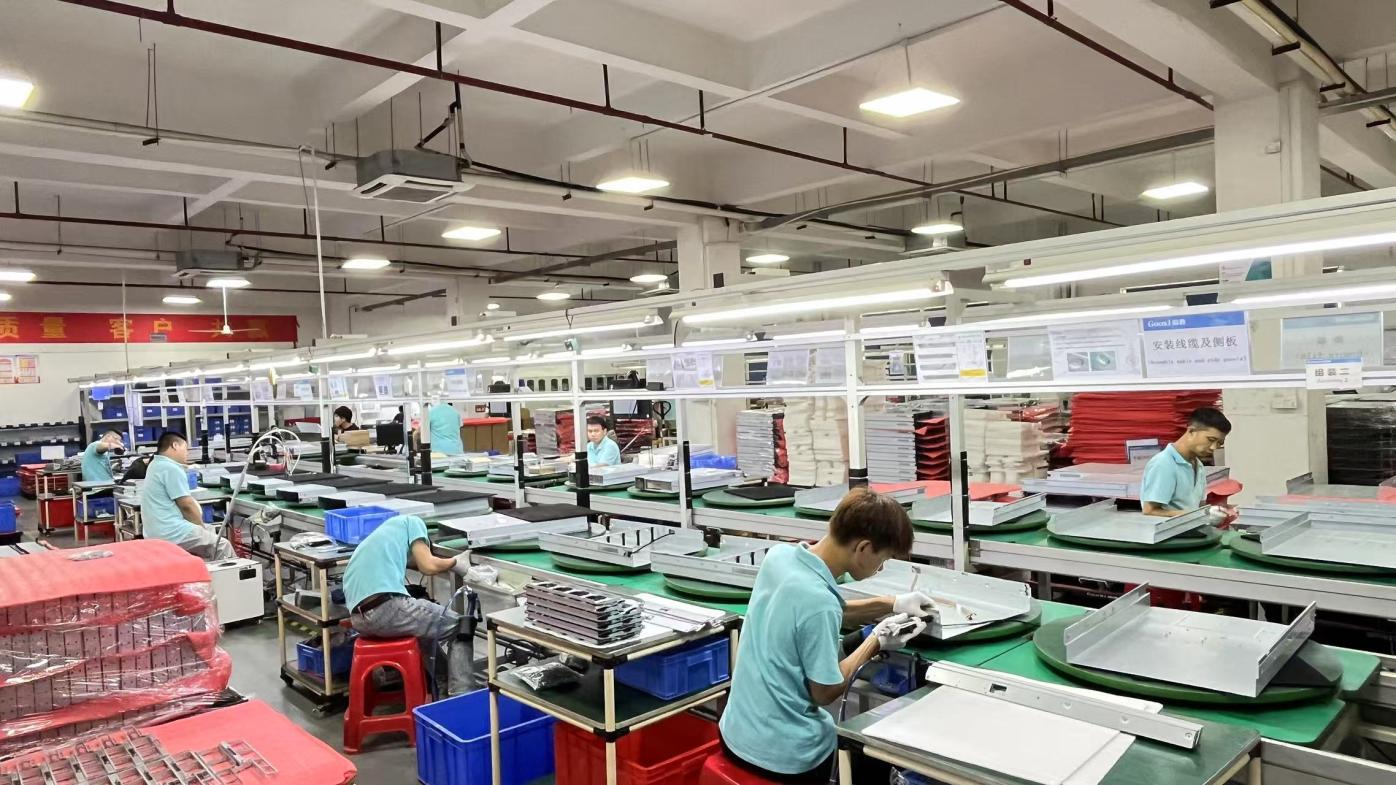
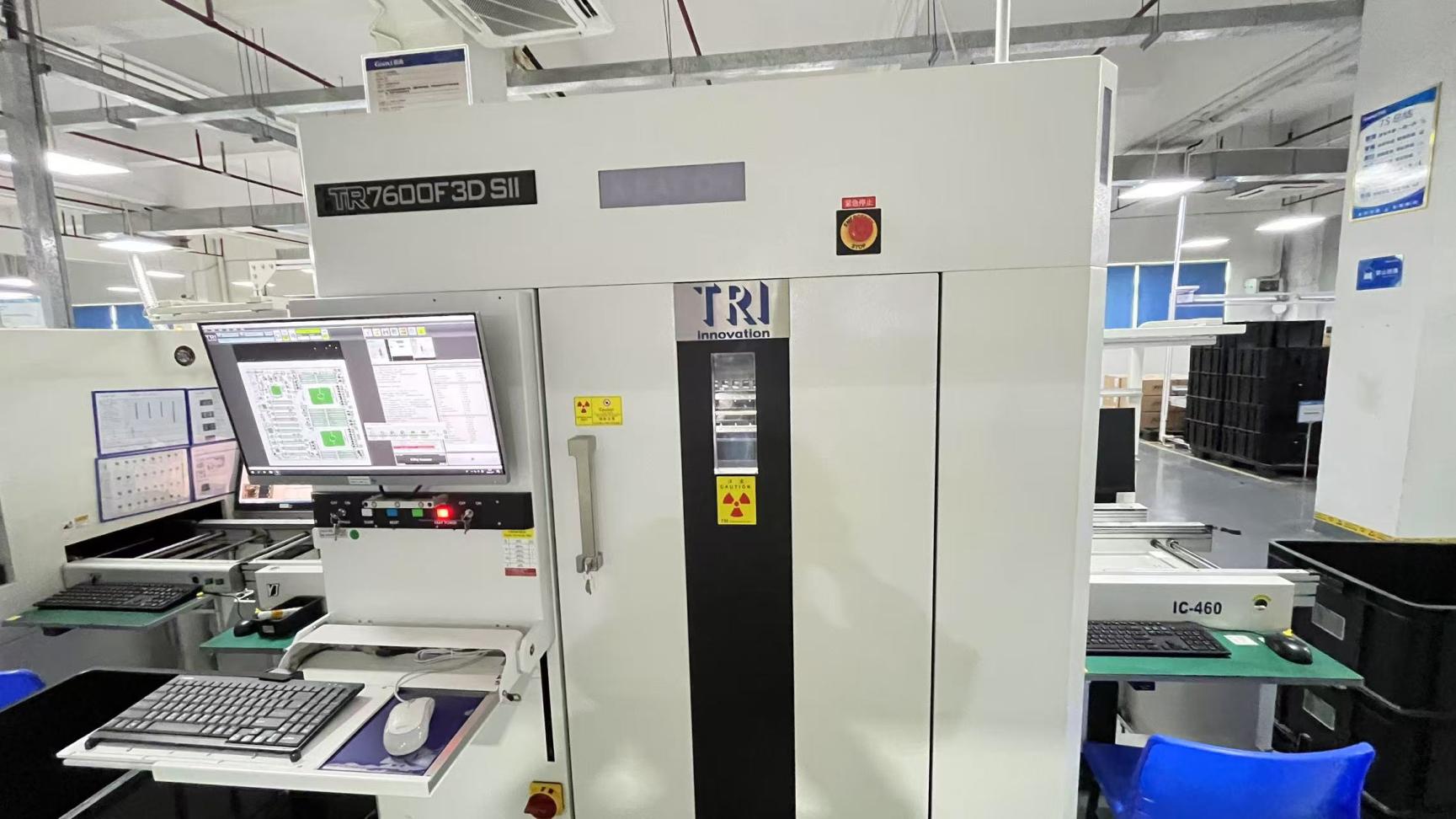
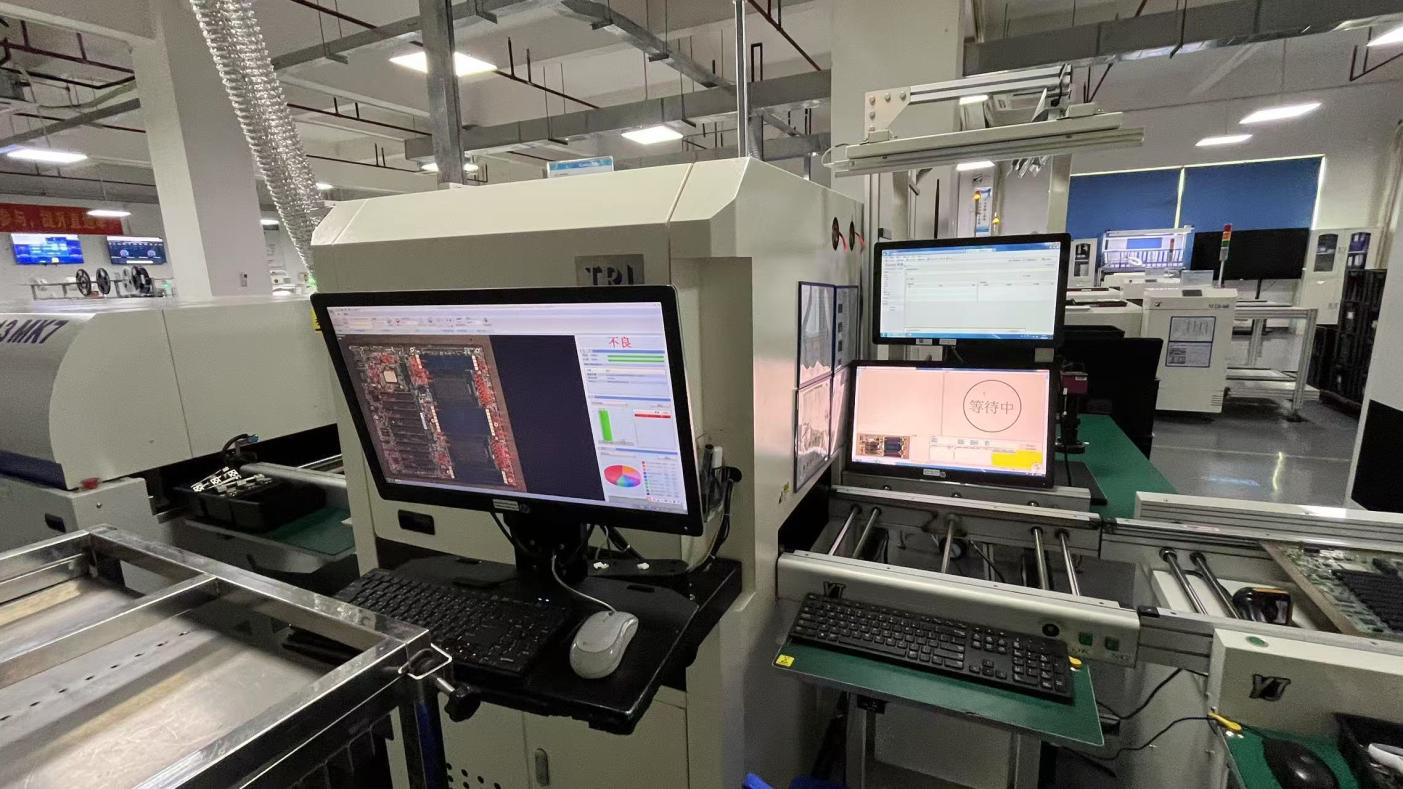
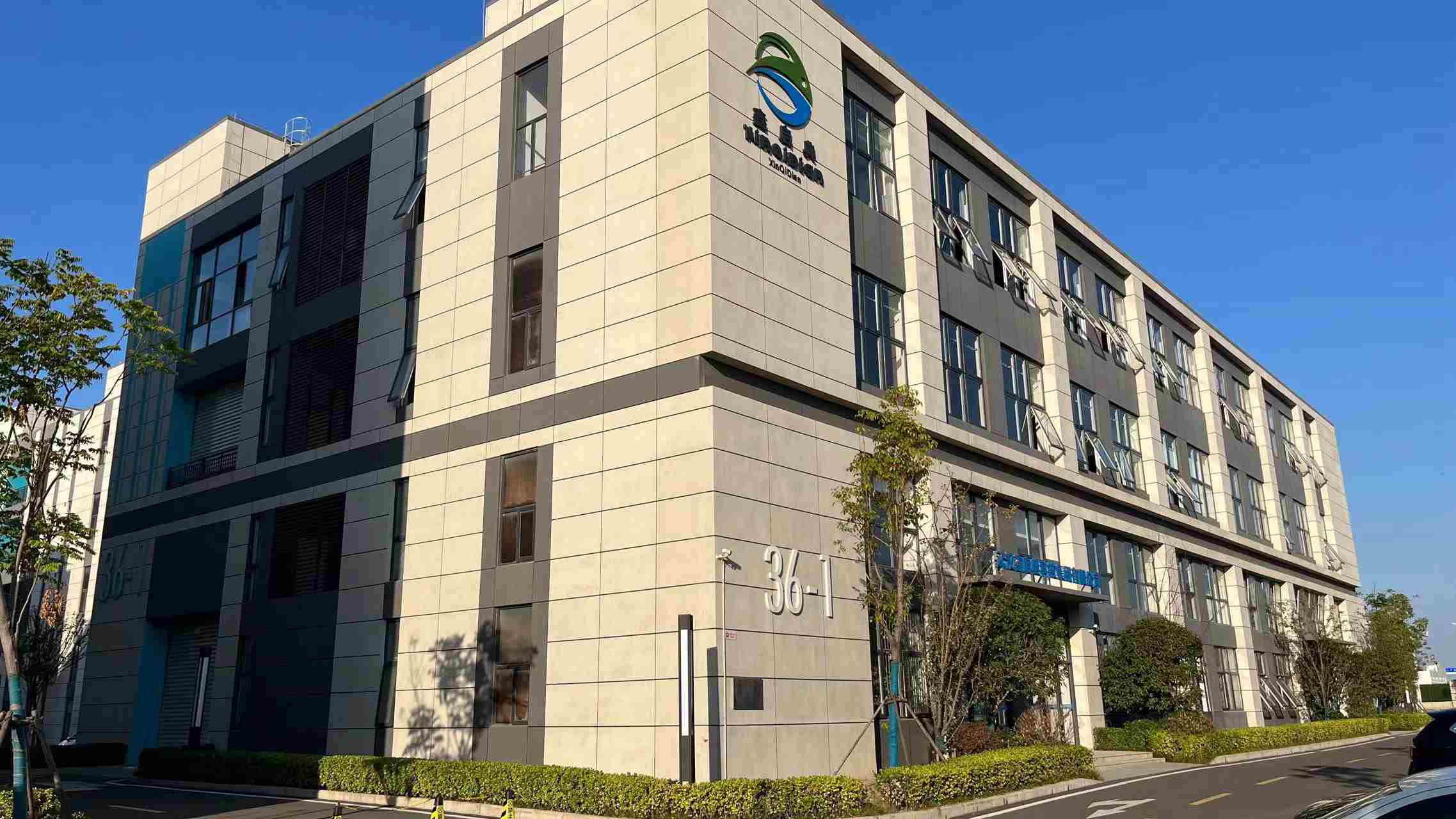
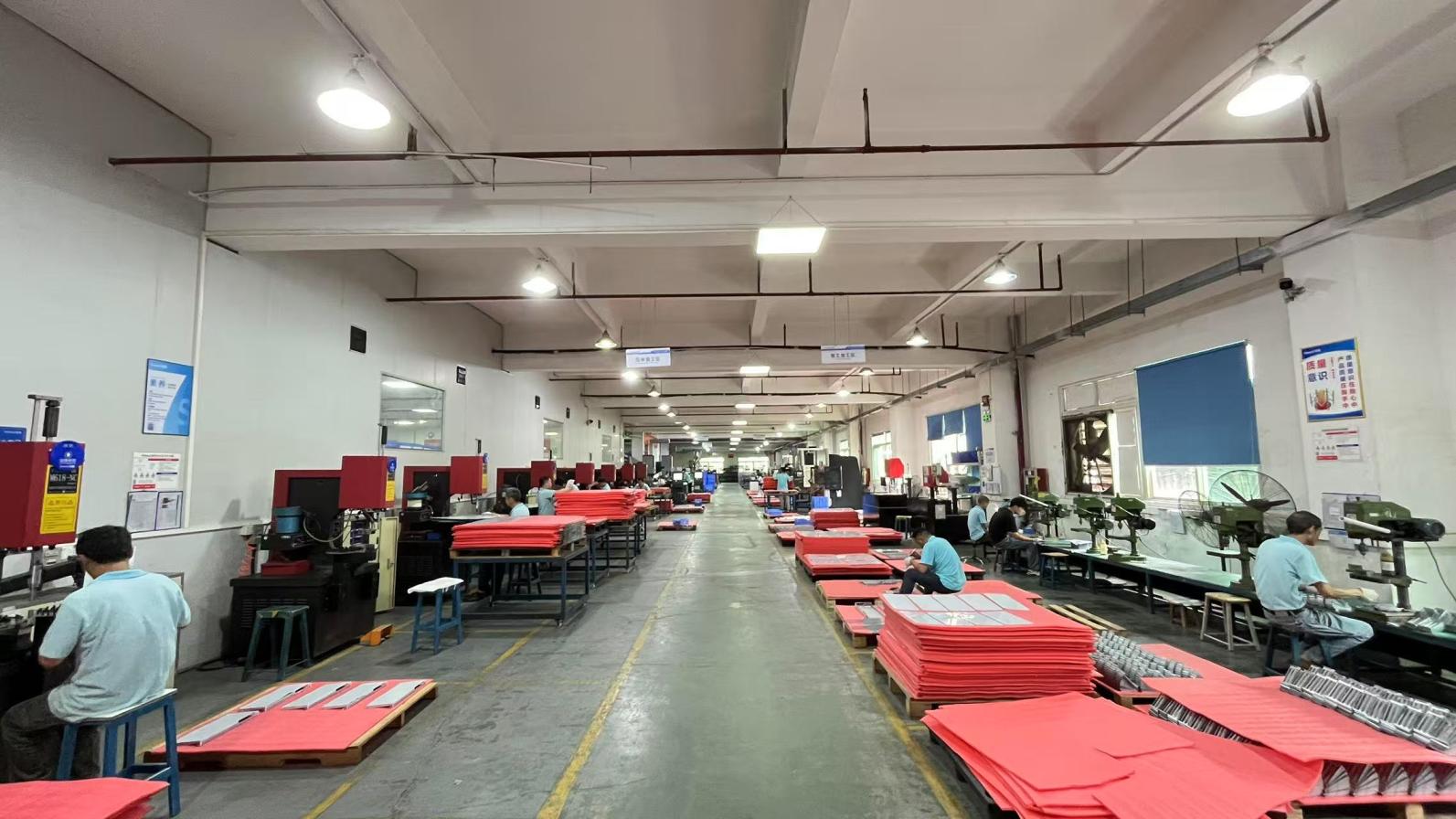
NexaGPU operates an ultra-specialized, highly optimized 320㎡ precision engineering, validation, and assembly facility. While a footprint of 320㎡ is strategically streamlined, it is engineered for absolute efficiency, serving as our high-security technical verification cleanroom. Within this facility, we execute hardware stress testing, thermal chamber simulation, and firmware optimization. By limiting our physical production area to high-throughput validation pipelines, we ensure that every unit delivered conforms to rigorous global enterprise-level SLAs.
With an annual export revenue of USD 12 million, NexaGPU does not merely export server hardware; we deploy comprehensive compute topologies. Our operations are supported by a dedicated team of 120 R&D engineers and 45 Quality Control (QC) specialists, maintaining relationships with over 850 supply chain partners worldwide. This extensive integration enables us to launch over 85 new product models annually, ensuring our client base—comprising AI startups, cloud service providers, and research centers—receives cutting-edge configurations without supply chain delay.
Modern enterprises no longer buy generic bare metal. Instead, they purchase solutions tailored to specific algorithmic requirements. As a technology consulting partner, NexaGPU dissects workloads to configure servers that resolve compute, memory, and network bottlenecks.
Deploying models like DeepSeek-R1 671B requires massive High Bandwidth Memory (HBM) and low-latency interconnects. NexaGPU designs multi-GPU topologies leveraging PCIe Gen 5.0 and NVLink paths. This prevents GPU idle cycles during autoregressive generation phases.
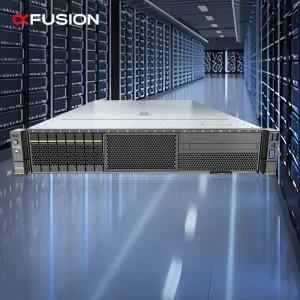
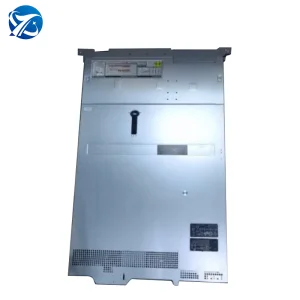
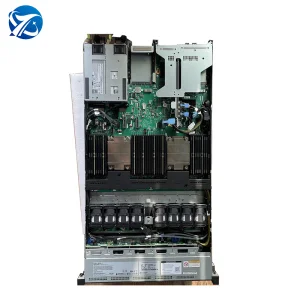
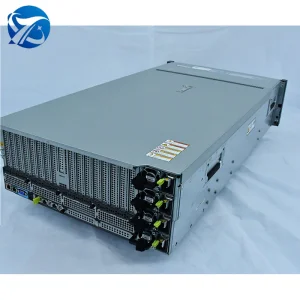
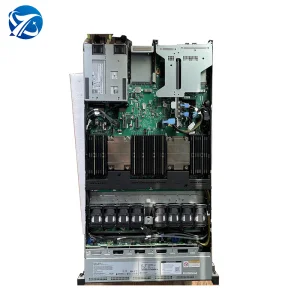
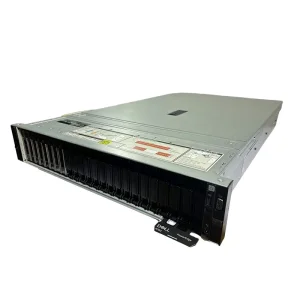
By virtualizing compute, storage, and networking on hardware like the xFusion 2288H V6, we eliminate storage-area network (SAN) latency. Our HCI designs utilize NVMe over Fabrics (NVMe-oF) to deliver millions of IOPS for database clustering.
For smart cities and real-time inference, heavy GPU clusters are impractical. NexaGPU implements 1U-2U edge servers equipped with specialized RAID cards (such as the XP270-M2 boot card) to offer local redundancy, fast boot capabilities, and resistance to environmental stress.
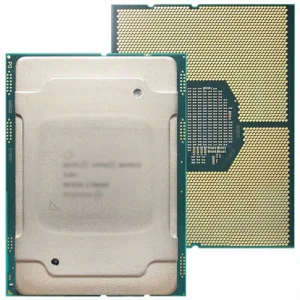
NexaGPU's architectural consulting begins at the silicon level. By evaluating the thermal design power (TDP) of processors like the Xeon Gold series alongside PCIe-switch architectures (Broadcom PEX series), we construct a balanced platform. This optimization ensures that data flows between memory, NVMe storage, and network interface cards (NICs) without throttling.
The global AI server supply chain is highly complex, governed by semiconductor lead times, component distribution, and geopolitical logistics. In this environment, relying on a standard distributor introduces project risk. NexaGPU’s network of 850+ partner factories provides raw-material redundancy that shields client deployment schedules from disruption.
Whether sourcing high-efficiency heatsinks for Xeon Gold processors, selecting LSI/Broadcom controllers for our custom RAID arrays (such as the XC470C-M-8i), or securing high-capacity DDR5 server memory, our supply chain ensures component parity. This geographic and structural diversity allows NexaGPU to maintain rapid turnaround times for multi-node configurations, even during industry-wide component allocations.
Deploying AI infrastructure globally requires matching local electrical, thermal, and regulatory environments. An OEM server built for a North American hyper-scale data center may fail or violate regulations when deployed in a European edge facility or an Asian enterprise server room.
NexaGPU customizes server power supply units (PSUs) to meet local standards. From 110V/220V split-phase systems in North America to 230V/400V three-phase delta/wye systems in Europe, we configure hot-swappable, redundant 80 Plus Titanium PSUs (ranging from 1500W to 3200W) to prevent phase imbalances and optimize power usage effectiveness (PUE).
Our hardware configurations are built to conform to localized standards. We ensure all custom assemblies carry CE, FCC, RoHS, and UL certifications, eliminating import friction and ensuring compliance with insurance and liability requirements for enterprise data centers.
NexaGPU provides comprehensive remote management configurations (Out-of-Band BMC, Redfish API, and IPMI 2.0) along with modular spare-part kits. This ensures local technicians can perform hot-swap maintenance quickly, minimizing mean time to repair (MTTR).
To demonstrate the versatility of NexaGPU’s engineering, we look at three distinct deployment scenarios where our custom hardware addresses specific environmental and computational needs.
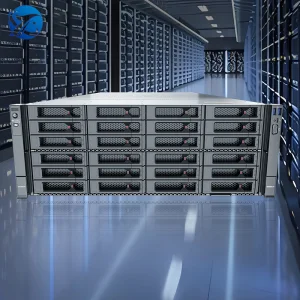
A European banking institution required an on-premise cluster to run local instances of LLMs (such as DeepSeek R1) under strict GDPR compliance. NexaGPU deployed a customized cluster of xFusion G5500 V7 servers, equipped with redundant arrays managed by XC470C-M-8i cards. The configuration was optimized to meet Germany's strict acoustic limits for office-adjacent server closets and complied with regional 230V power distribution standards.
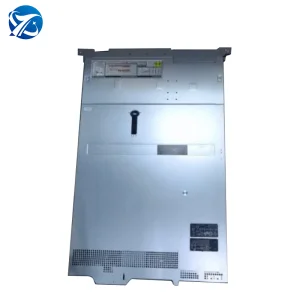
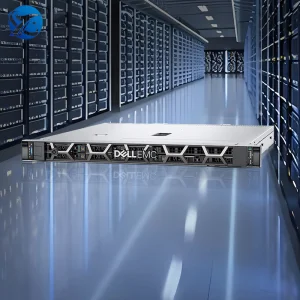
An automation provider needed high-reliability computing at a shipping terminal. The environment was subject to high humidity and vibration. NexaGPU delivered a custom 1U PowerEdge R350-based chassis featuring industrial-grade solid-state storage managed by XP270-M2 standard cards. We added conformal coatings to all circuit boards and designed customized high-static pressure fan profiles to handle ambient temperatures of up to 45°C.
A research hospital required rapid processing of high-throughput genetic sequencers. The workload combined intensive read/write cycles with high compute requirements. NexaGPU delivered xFusion 2288H V6 nodes configured with customized NVMe storage arrays. This balance of read/write speeds and processing power minimized data pipeline congestion, cutting sequence analysis times by 40%.
As silicon power requirements scale beyond 1000W per accelerator, traditional server architecture faces physical limitations. NexaGPU’s R&D division is actively designing solutions to support the next generation of high-density computing.
We are expanding the deployment of hybrid cooling systems, transitioning from high-RPM air-cooling (like our 2U copper heatsinks) to direct-to-chip liquid cooling (DLC). This allows us to maintain stable junction temperatures on high-TDP cards, reducing cooling-related power consumption by up to 40%.
As CPU-to-GPU bandwidth needs grow, NexaGPU is developing server motherboards that support PCIe Gen 6.0 and Compute Express Link (CXL) 3.0. This technology enables memory pooling between host processors and accelerators, reducing latency during large-scale AI training.
We are transitioning our server lines to support Enterprise & Datacenter SSD Form Factors (EDSFF) and OCP NIC 3.0 networking standards. This shift increases port density and improves airflow dynamics, helping data centers scale compute density without modifying their existing racks.
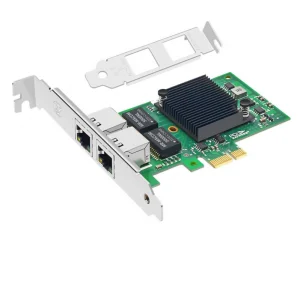
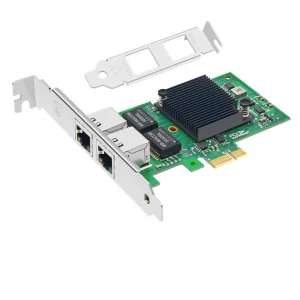
Off-the-shelf servers are built for generic workloads, often including unused features that add cost, or lacking the specific PCIe lane layout required for specialized accelerators. NexaGPU’s OEM custom services allow clients to choose the exact components needed—such as specific RAID cards, dual-port NICs, and optimized cooling blocks. This customization ensures maximum hardware utilization and helps prevent thermal throttling during continuous AI training workloads.
Our 45 QC specialists perform a multi-stage testing process. First, we run structural component audits, followed by high-temperature burn-in tests (48–72 hours at full workload). We then run hardware stress testing (using tools like Memtester, Prime95, and specialized GPU diagnostics) to check for ECC memory errors, PCIe packet loss, and power supply stability under peak loads. This process helps ensure that systems arrive ready for deployment.
The XP270-M2 is a dedicated boot card designed to handle operating system and hypervisor storage independently of the main data storage arrays. Operating on a PCIe interface, it supports RAID 0 and 1 configurations, ensuring that even if a main storage drive fails, the operating system remains unaffected. This isolation prevents OS-level bottlenecks and protects critical system files from data corruption during main array rebuilds.
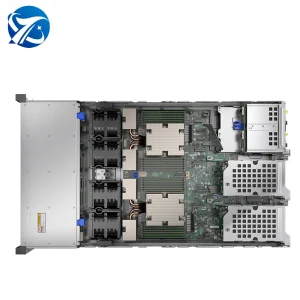
We analyze the airflow path of our chassis to ensure hot spots are mitigated. By using custom-designed copper heatsinks, internal baffles to direct air across components, and high-CFM, pulse-width modulated (PWM) fans, we keep temperatures within safe limits. For higher density deployments, we use hybrid and direct-to-chip liquid cooling systems to transfer heat away from the processors efficiently, preventing performance drops due to thermal throttling.
Yes. Our servers are designed to meet standard EIA-310 rack guidelines. We offer slide-rail kits and cable management arms that are compatible with square-hole, round-hole, and threaded racks. During our pre-sales engineering consultation, we verify rack depth, power distribution unit (PDU) clearance, and weight limits to make sure the custom servers fit smoothly into your existing infrastructure.
For standard custom configurations using readily available motherboards and chassis, lead times typically range from 2 to 4 weeks, including assembly and burn-in testing. For fully customized OEM projects requiring metal fabrication modifications, custom wiring harnesses, or specialized certifications, lead times run from 6 to 10 weeks. Your dedicated consulting engineer will provide a detailed project timeline during the design phase.