NexaGPU NexaGPU

Custom OEM Server Cooling Systems Factories & Factory

High-Density AI Computing & Next-Generation Liquid Cooling Infrastructures for Datacenters, Enterprise Clusters, and High-Performance Compute Pipelines.

Whitepaper: Custom OEM Server Cooling Systems Engineering

Analyzing thermal dissipation mechanics, the evolution of liquid cooling, and custom fabrication pipelines for enterprise AI infrastructure.

1. The Paradigm Shift in Modern Server Cooling Architecture

The exponential rise of large language models (LLMs) such as DeepSeek, GPT architectures, and complex AI neural networks has initiated an unprecedented escalation in heat flux densities across hyperscale data centers. Standard air cooling methodologies, once the default choice for hardware deployments, are reaching physical limitations.

High-performance chips now demand sustained operational envelopes exceeding 700W to 1000W per GPU/CPU node. Modern server racks running high-density configurations frequently exceed 40 kW to 100 kW per rack unit. At these metrics, air-based convection cooling cannot maintain junction temperatures below critical throttling thresholds without consuming prohibitive volumes of power.

To manage these heat profiles, enterprise buyers are shifting towards Custom OEM Server Cooling Systems. Integrated designs targeting specific internal layouts enable optimized thermal efficiency. This transition helps data centers reduce Power Usage Effectiveness (PUE) metrics, lowering operational overheads and aligning with global decarbonization mandates.

Direct-to-Chip (D2C) Cold Plate Customization

Targeted loop cooling utilizing high-thermal-conductivity micro-channel copper plates positioned directly above the processor die. This setup captures up to 80% of heat load directly, bypassing secondary structural elements.

Precision Manifold & CDU Distribution

Coolant Distribution Units (CDUs) regulate pressure, volumetric flow, and fluid temperatures dynamically. High-durability quick-disconnect fittings ensure leak-free operation inside high-performance server clusters.

Immersion Cooling Architectures

Submerging server nodes directly in synthetic dielectric fluids. This method eliminates heatsinks and fans, reducing rack space requirements and maintaining uniform thermal conditions across all components.

2. Global Market Dynamics: Sourcing Custom OEM Server Cooling

The procurement of OEM cooling solutions requires close collaboration between systems designers, fluid mechanics engineers, and high-precision manufacturing facilities. Key markets like North America, Western Europe, and the APAC region demonstrate varied integration priorities:

  • North American Market: Prioritizes low-PUE retrofitting of legacy facilities and strict compliance with ASHRAE standards. Emphasizes liquid-to-air CDU loops and redundant monitoring systems.
  • European Market: Guided by environmental regulations such as the EU Energy Efficiency Directive. Demands heat reuse integrations (e.g., district heating) and biodegradable cooling fluids.
  • APAC and Middle East: Focused on greenfield data center developments. Demands high-capacity, high-temperature cooling loops to offset challenging local ambient temperatures.

Company Profile – NexaGPU

Specializing in High-Performance Computing infrastructure, advanced GPU clusters, and customized thermal cooling integrations.

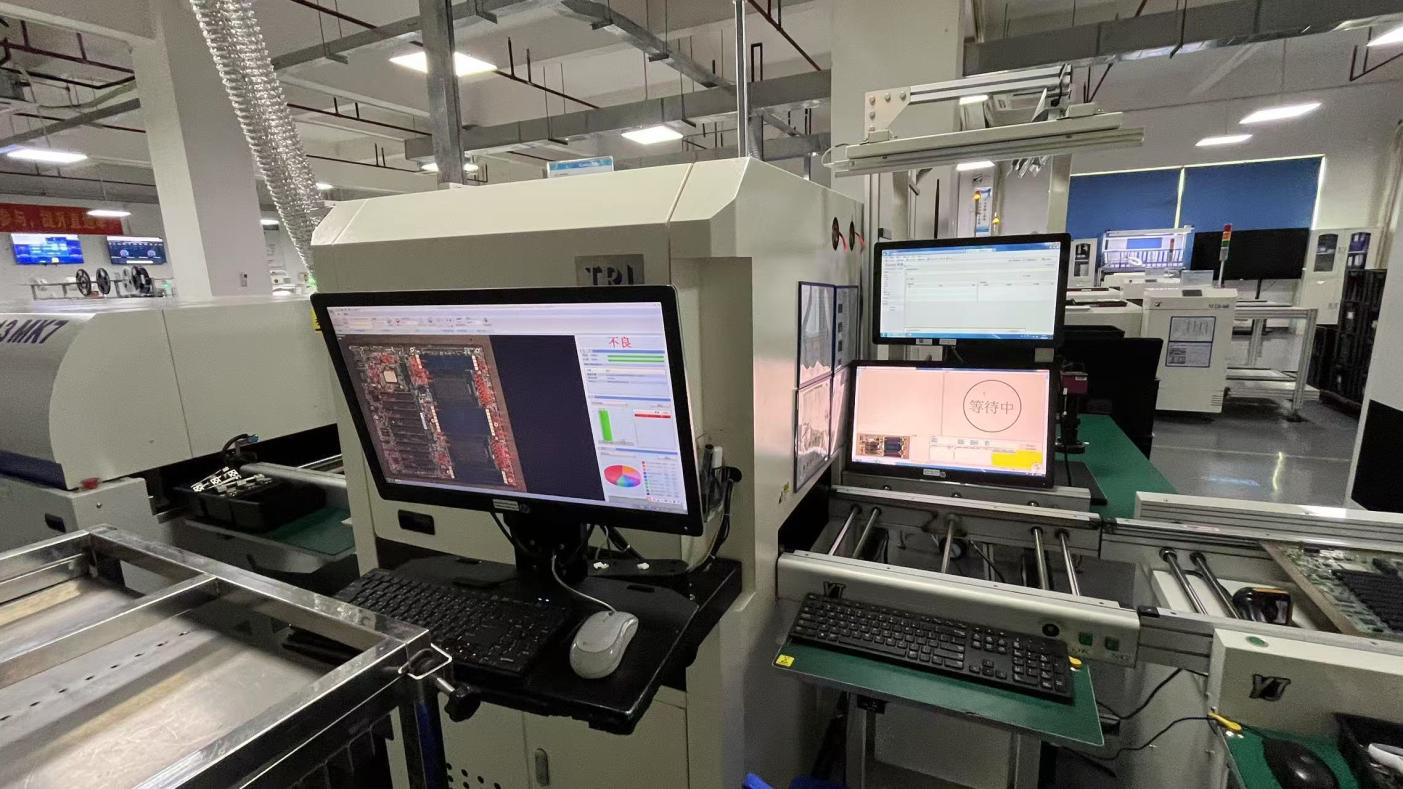
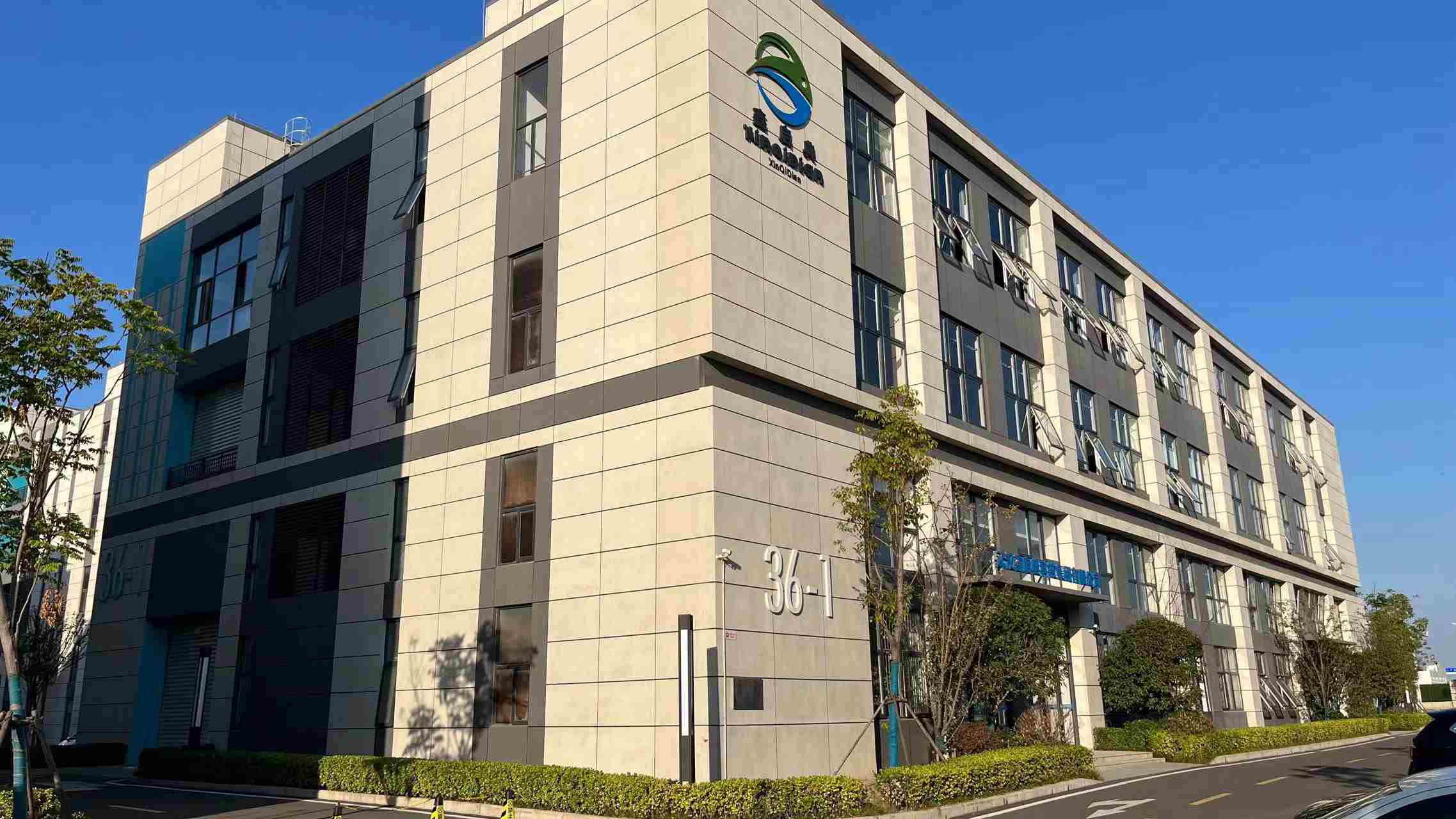
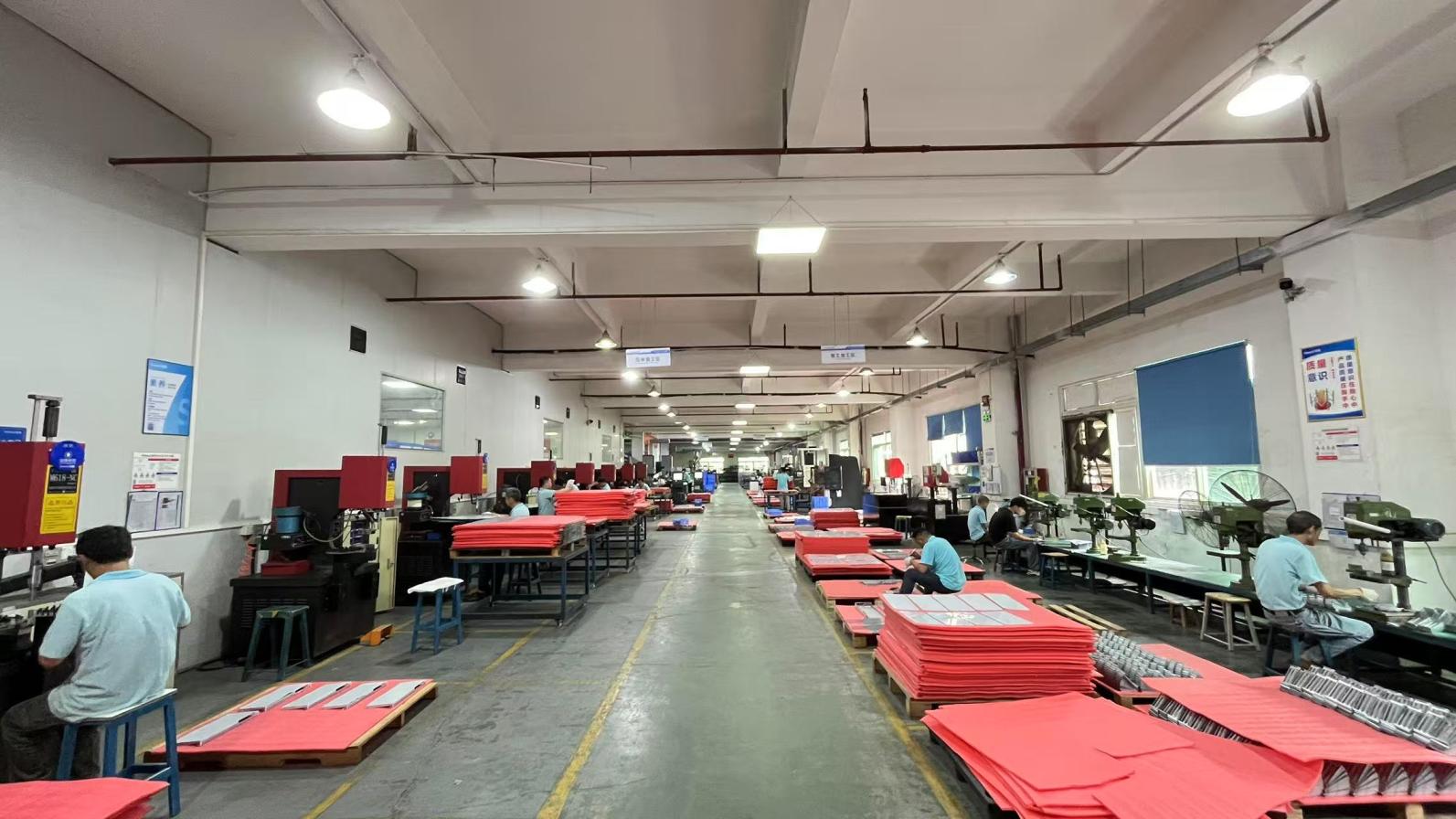
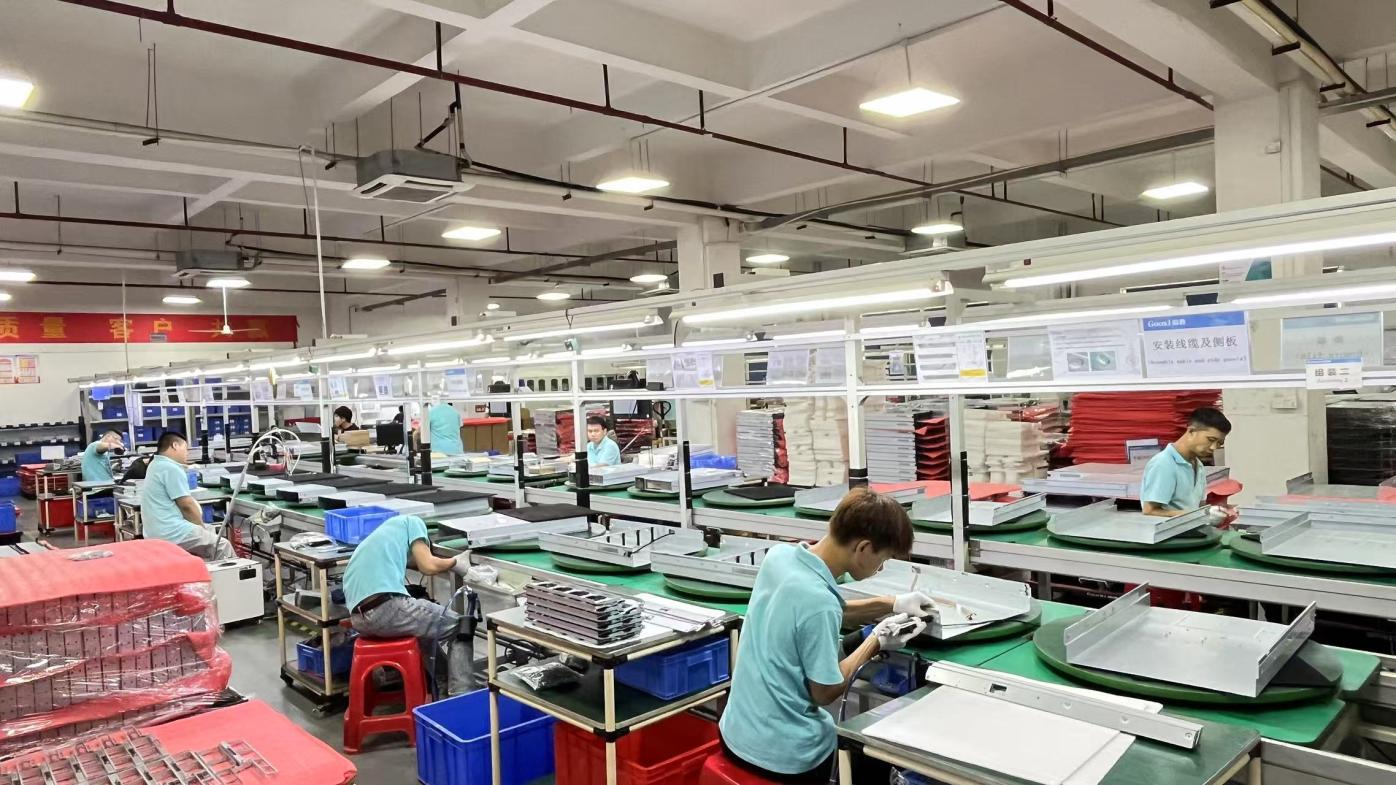
Established in 2016, NexaGPU is a professional AI GPU server manufacturer and supplier specializing in high-performance computing infrastructure, GPU clusters, and customized AI server solutions for global enterprises, data centers, and AI development companies. The company operates a modern manufacturing facility with a building area of approximately 320㎡, supporting efficient production, assembly, and testing of AI server systems.

With an annual export revenue of USD 12 million, NexaGPU has built strong international business capabilities and maintains 6 years of export experience and 11 years of industry experience in high-performance computing and server manufacturing. To ensure strict product quality, NexaGPU implements comprehensive multi-stage inspection processes, including hardware stress testing, thermal performance testing, and system stability validation. The company employs a dedicated quality assurance team of 45 QC specialists to maintain consistent product reliability.

NexaGPU has a solid trade background in global B2B technology supply chains, with major markets including North America, Europe, Southeast Asia, and the Middle East. The company works closely with over 850 supply chain partners, including GPU chip suppliers, motherboard manufacturers, server chassis factories, and cooling system providers. Its main customer base includes AI startups, cloud computing providers, data centers, research institutions, and enterprise IT solution providers.

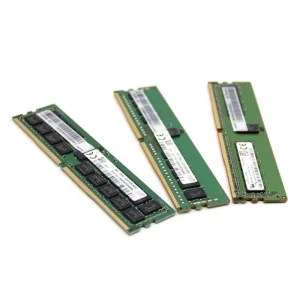
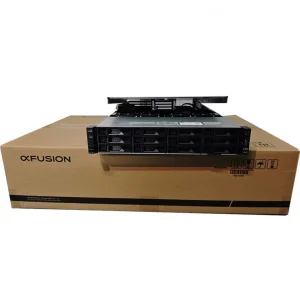
NexaGPU demonstrates strong R&D capability, supported by a team of 120 R&D engineers focused on GPU architecture optimization, AI server design, and liquid cooling technology. The company offers extensive customization options including GPU configuration, CPU selection, memory expansion, storage architecture, and liquid cooling systems. In the past year, NexaGPU successfully launched 85 new product models, covering AI training servers, inference servers, and high-density GPU computing clusters.
2016
Established
120
R&D Engineers
45
QC Specialists
$12M
Annual Export
850+
Supply Partners
85
New Models Developed

3. Sourcing and Customization Efficiency in China Ecosystems

Sourcing custom server cooling solutions from Chinese factories offers significant supply chain advantages. Key operational benefits include:

  • Integrated Supply Chain Infrastructure: Close proximity to material sources (oxygen-free copper, engineering plastics, custom CNC machinery) minimizes turnaround times from CAD drawings to functional prototypes.
  • Advanced Design Verification: Engineers utilize advanced CFD (Computational Fluid Dynamics) thermal simulations, mechanical stress evaluations, and precision tooling to iterate product parameters quickly.
  • Comprehensive Quality Systems: Manufacturers implement multi-phase inspection protocols. Helium mass spectrometer leak testing, high-temperature aging chambers, and structural pressure tests guarantee the long-term reliability of liquid cooling systems.

4. Deployment Architectures and Technical Requirements

Custom cooling systems must be engineered to suit specific deployment environments:

  1. Hyperscale Cloud Data Centers: Require modular cold-plate setups and large-scale CDU units that integrate into existing Facility Water Systems (FWS). Key performance indicators include PUE metrics below 1.25 and minimal cooling loop pressure loss.
  2. Edge Computing Nodes: Require dust-proof, fanless, or low-noise architectures. Sealed single-phase direct liquid cooling loops allow deployment in non-conditioned industrial settings.
  3. GPU AI Clusters: Multi-processor platforms (e.g., configurations running up to 8 GPUs per node) require custom-formed copper cold plates and specialized quick-release manifolds to ensure uniform flow across all chips.

5. Industry Engineering Trends (2025–2030)

The cooling industry is moving toward several next-generation technologies:

  • Transition to Two-Phase Liquid Cooling: Boiling and vaporizing liquid directly inside the CPU cold plate offers high latent heat transfer capabilities, eliminating temperature variance across dense components.
  • Standardized Infrastructure Frameworks: Open Compute Project (OCP) standards are establishing unified sizing for quick-disconnect couplings, manifolds, and blind-mate connections to simplify multivendor deployments.
  • Intelligent Monitoring Arrays: Integrating flow meters, moisture sensors, and pressure gauges directly into the server chassis. Real-time diagnostic systems can detect early-stage leaks and adjust fan or pump profiles to prevent downtime.

Frequently Asked Questions

Expert engineering insights regarding custom OEM server cooling design, liquid cooling conversion, and supply chain logistics.

Q1: What are the primary differences between Single-Phase and Two-Phase Direct-to-Chip cooling?
In single-phase cooling systems, the dielectric fluid or water/glycol mixture remains in a liquid state throughout the thermal cycle, transporting heat via sensible temperature rises. Two-Phase systems utilize low-boiling-point specialty fluids. As heat transfers from the silicon to the plate, the fluid boils, vaporizes, and carries away energy through latent heat of vaporization. Two-phase systems offer greater thermal dissipation limits, but require precise pressure control and hermetically sealed loops to prevent fluid loss.
Q2: How does NexaGPU verify the reliability of its cooling loops and prevent leakages?
Our manufacturing facility utilizes a multi-step quality control process. Cold plates and pipelines undergo high-pressure helium leak detection, structural stress testing, and long-term thermal cycle profiling. In addition, we source premium EPDM seals and dripless quick-disconnect fittings from certified suppliers, assuring leak-free operation when integrated into dense server configurations.
Q3: What parameters are required to initiate a custom OEM server cooling design program?
To start the design process, our engineering team requires details on chip TDP (Thermal Design Power), internal chassis CAD models, target flow rates, coolant type (e.g., PG25 water mix or dielectric synthetic oils), operational environment conditions, and targets for server-level pressure drop. We perform CFD simulations to optimize micro-channel designs before fabricating physical prototypes.
Q4: Can standard air-cooled server chassis be retrofitted for custom liquid cooling?
Yes, many standard 1U, 2U, and 4U chassis can be retrofitted with custom OEM cooling components. The retrofit process involves replacing standard copper-fin heat sinks with thin liquid-cooled cold plates, routing internal tubing to rear-mounted manifolds, and ensuring space is allocated for dry-break quick-connect fittings. This configuration allows data centers to scale thermal performance without replacing existing chassis racks.
Q5: How does PUE change after moving from air cooling to customized OEM liquid cooling?
By shifting high-TDP processor cooling to liquid loops, the reliance on high-RPM chassis fans and facility-level HVAC chilling units is significantly reduced. This shift typically yields a 20% to 40% reduction in total infrastructure power consumption, helping operators lower their Power Usage Effectiveness (PUE) from historical values of 1.6+ down to efficient margins between 1.15 and 1.25.