NexaGPU
NexaGPU
NexaGPU
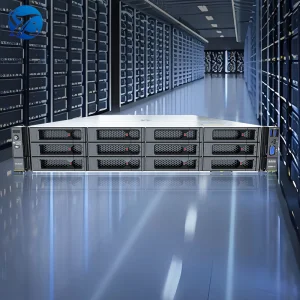
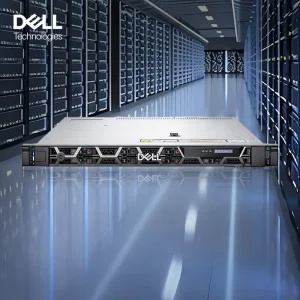
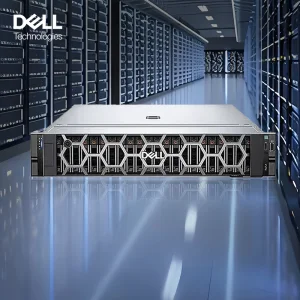
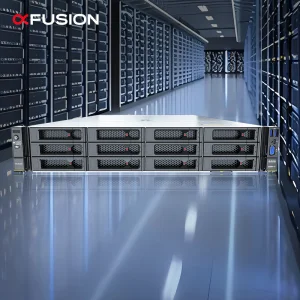
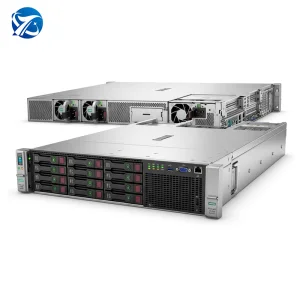
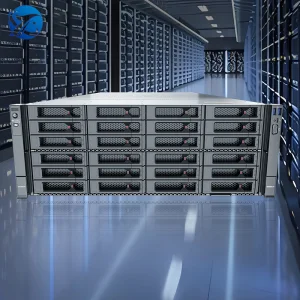
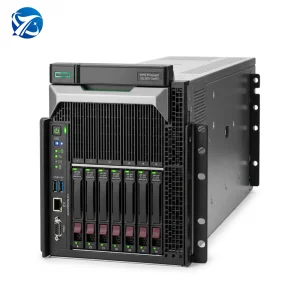
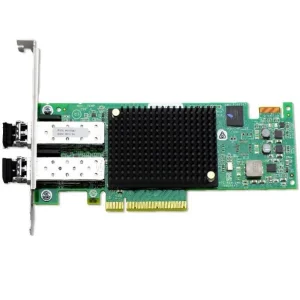
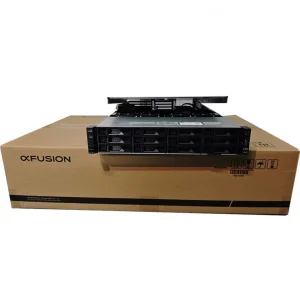
Explore our core data center servers and networking components engineered for heavy AI workloads and optimized thermal dissipation.
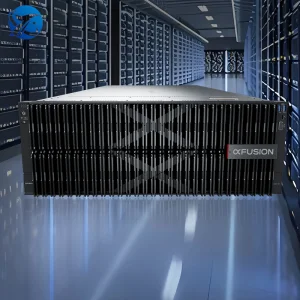
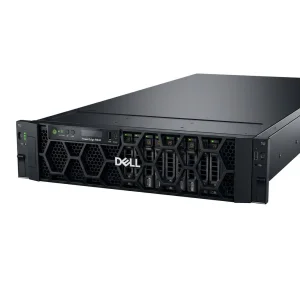
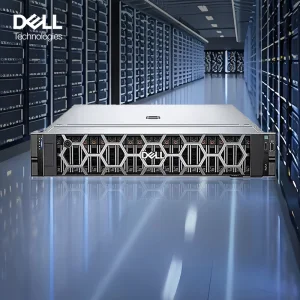
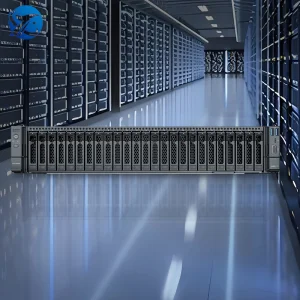
As computing workloads migrate toward complex AI LLMs and parallel deep learning tasks, cooling architecture remains the defining variable for server longevity and data center efficiency.
Modern High-Performance Computing (HPC) nodes, specifically optimized clusters running models like DeepSeek R1, generate immense localized heat. Standard CPU and GPU TDP configurations have breached the 350W-700W threshold per socket. Conventional air-cooling systems, reliant on large copper heatsinks and high-CFM fans, are encountering physical limitations in heat transmission efficiency.
Our OEM liquid cooling configurations leverage Direct-to-Chip (D2C) micro-channel cold plates, delivering fluid directly to the processor's primary heat spreaders. This path bypasses the thermal bottleneck of air interfaces, reducing thermal resistance to negligible levels. Liquid loops achieve lower operating temperatures, prevent thermal throttling under sustained compute spikes, and drastically lower the overall Power Usage Effectiveness (PUE) metrics for regional data hubs.
Thermal resistance ($R_{jc}$) is the primary hurdle in high-density chip deployment. When heat generation per square millimeter surpasses critical limits, standard aluminum cooling fin structures fail to disperse the energy fast enough, resulting in permanent silicon degradation or computational throttling.
Heat Dissipation Equation:
Q = U * A * ΔT
Increasing the heat transfer coefficient (U) through liquid-to-solid interfaces yields up to 4000x greater thermal carrying capacity compared to air-based designs.
We supply global hyperscalers and enterprises with robust, field-tested AI hardware and bespoke cooling integrations.
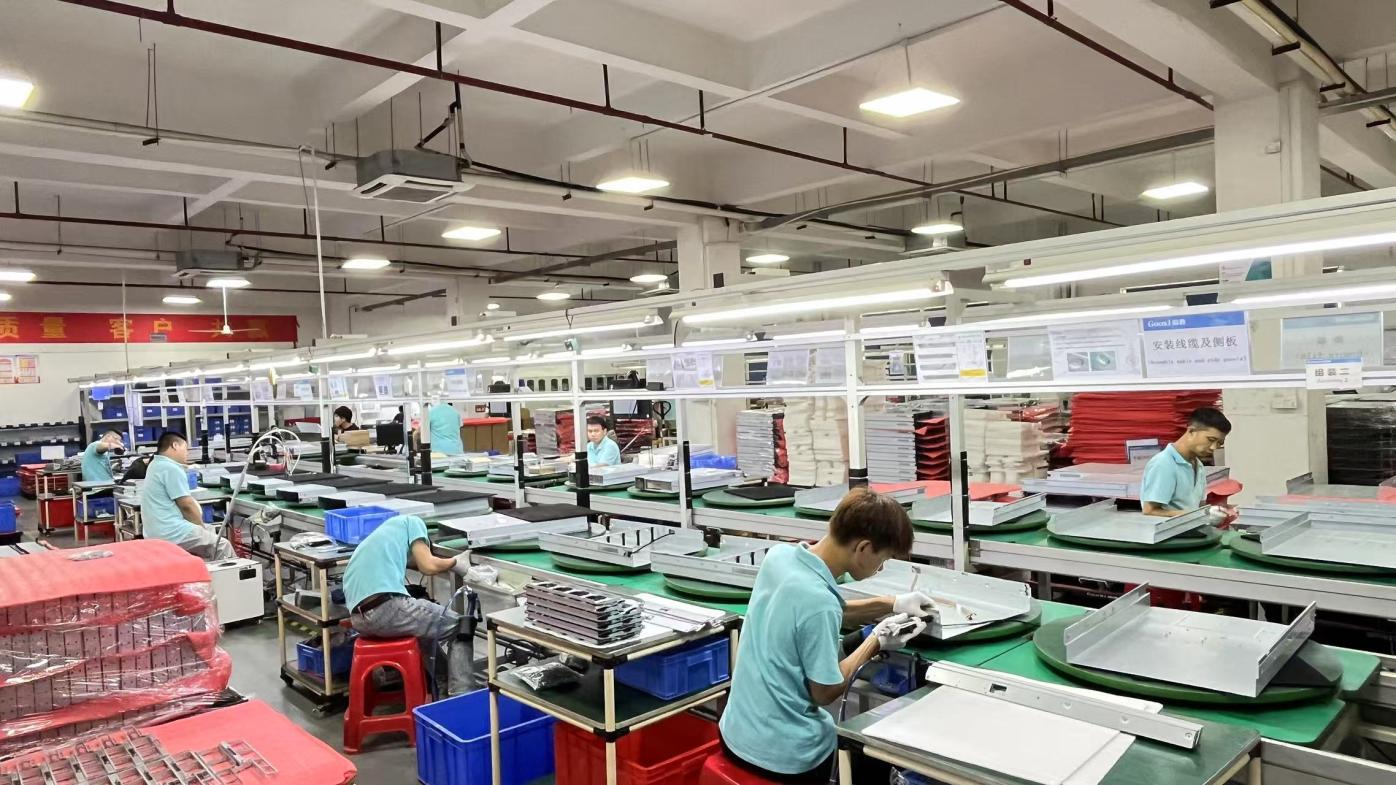
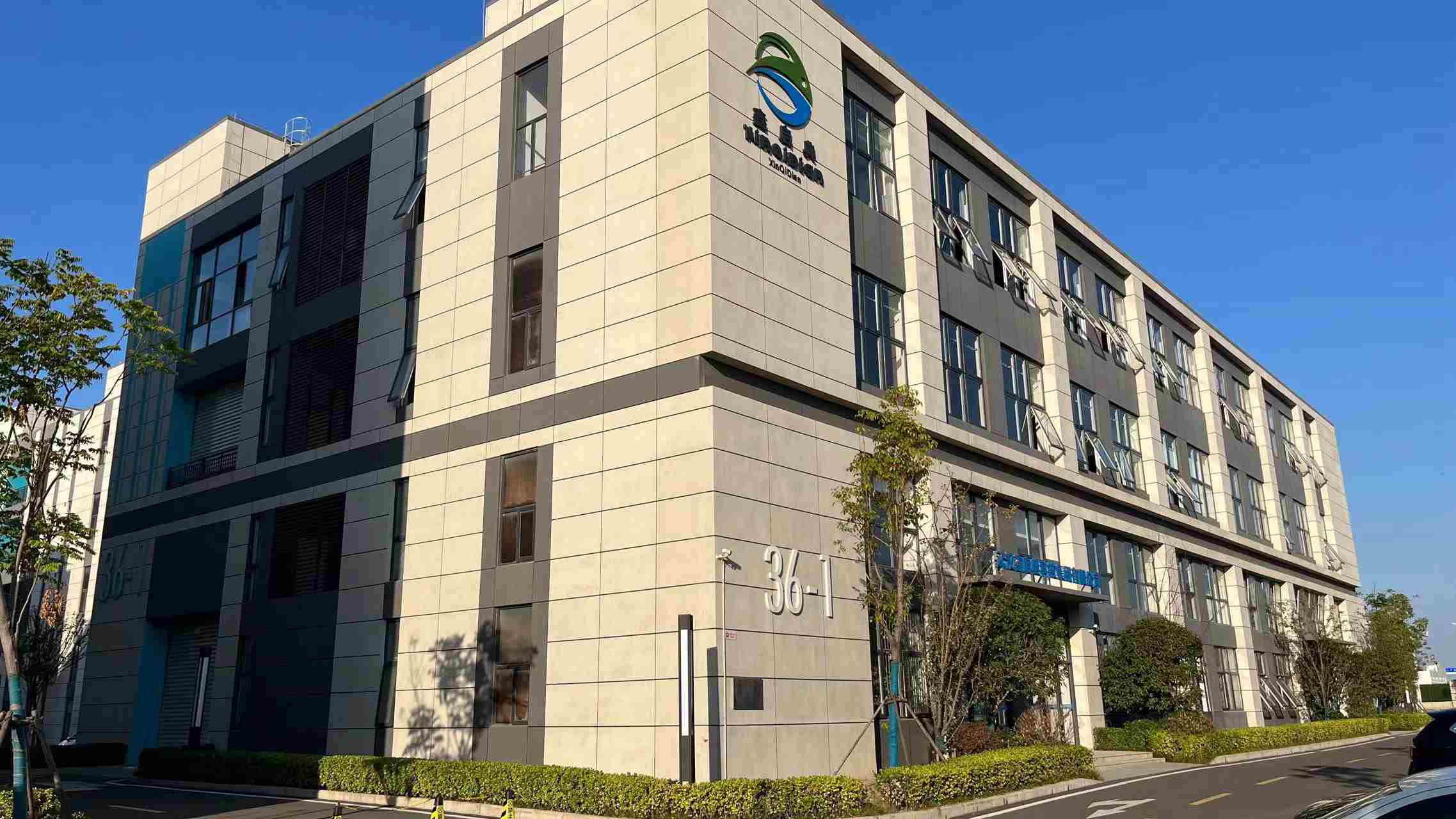
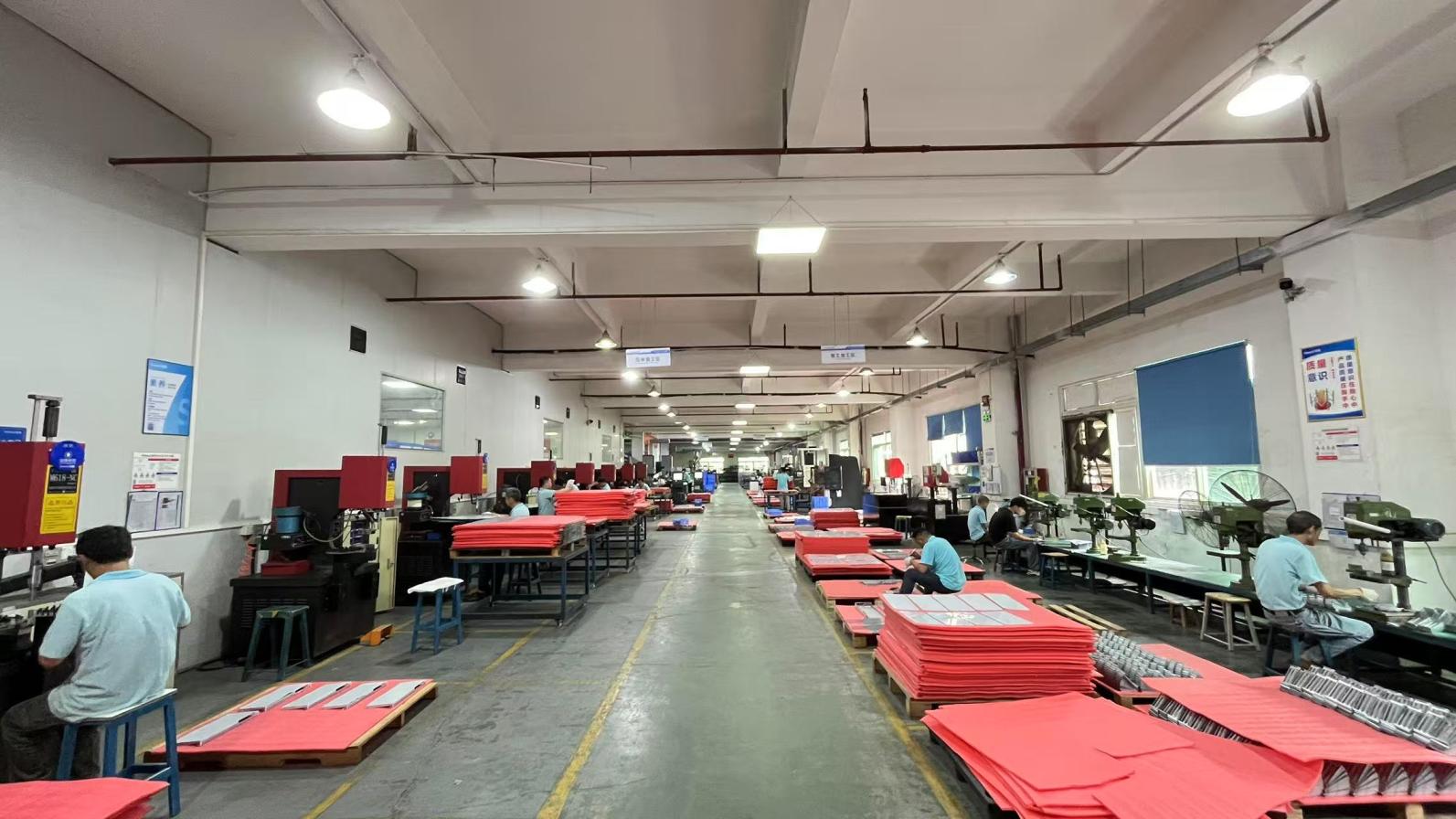
NexaGPU is a specialized AI GPU server manufacturer focused on high-performance computing infrastructure, GPU clusters, and custom server cooling systems for global enterprises. Operating a modern, high-precision assembly plant (building area of approx 320㎡) located in China's technology core, NexaGPU is built on 11 years of intensive industry experience and 6 years of international trade history.
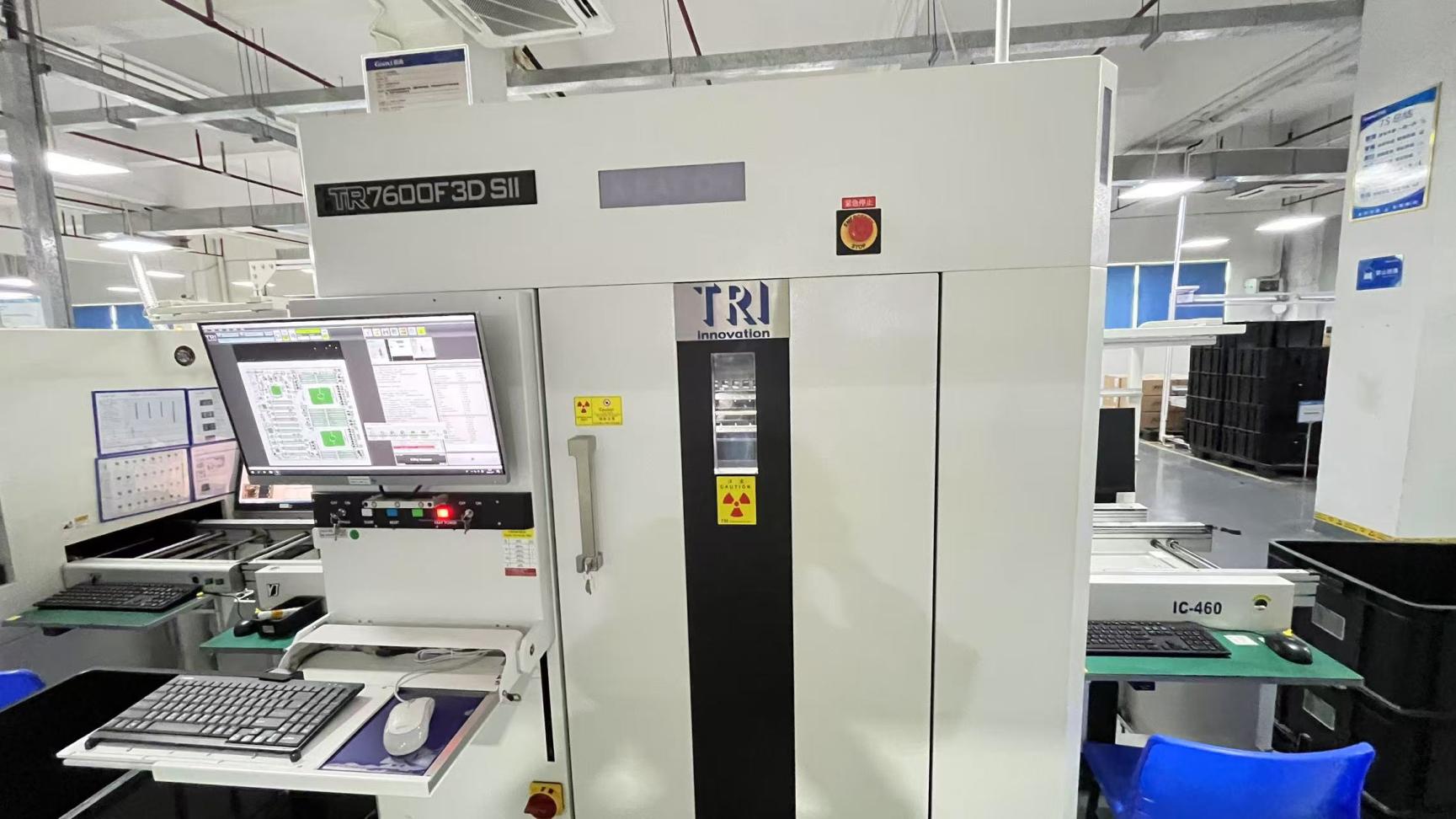
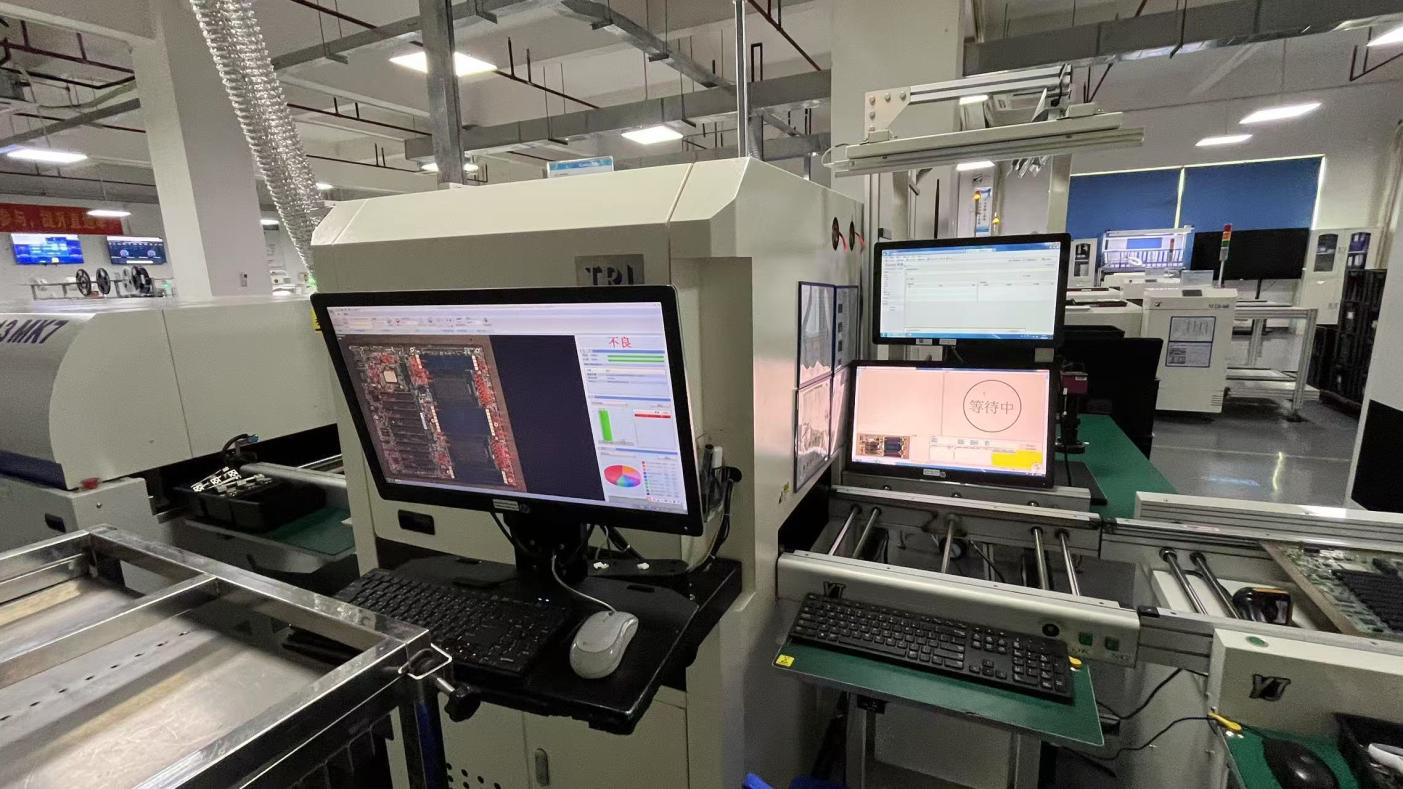
We manage robust supply chains through deep partnerships with 850+ chip, motherboard, chassis, and cooling component manufacturers. To maintain zero-defect standards for global clients, our 45-person Quality Assurance division performs rigorous multi-stage inspections, including physical hardware stress testing, high-temperature environmental thermal tests, and system stability validation.
Flexible industrial engineering solutions to adapt standard rack architectures into extreme-density compute environments.
Developing customized copper cold plates, leak-free quick-disconnect fittings, and flexible tubing layouts designed to withstand thermal cycling and high system pressure.
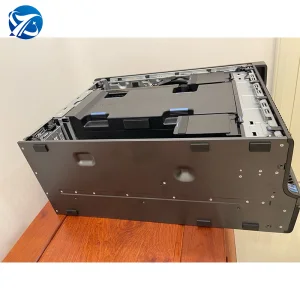
Tailoring physical dimensions for 1U, 2U, and 4U chassis configurations. Incorporating custom mounting brackets for large air cooling heat pipes or internal liquid flow pipes.
Our validation engineering guarantees that all liquid-cooled and custom components meet CE, FCC, RoHS, UL, and regional safety frameworks before shipping.
How our manufacturing location combined with overseas distribution mitigates logistical risk for enterprise clients.
The core of NexaGPU's operational strength lies within the world's most advanced electronics supply ecosystem. Our physical access to hundreds of component foundries, aluminum extrusion plants, precision tooling shops, and chip suppliers allows rapid prototyping and component iteration. What typically requires weeks of sourcing in other markets can be mocked, milled, tested, and validated within days at our facility.
This geographic ecosystem reduces primary assembly and shipping lead times while keeping overhead costs lean. We transfer this cost advantage directly to procurement managers, making customized OEM air and liquid systems financially viable even for smaller deployments.
Sourcing cooling infrastructure globally introduces challenges related to customs regulations, product certifications, and post-sale maintenance. To solve these friction points, NexaGPU provides:
Navigating the next wave of computing infrastructure requirements as AI models become more complex.
For data centers unable to convert fully to dedicated liquid setups, hybrid solutions are gaining rapid adoption. These configurations combine rear-door heat exchangers (RDHx) with high-efficiency fan arrays. Hot exhaust air passing through the server rack is cooled by liquid-filled radiator panels on the cabinet door, allowing data centers to scale power capacity without needing plumbing infrastructure beneath the floor tiles.
Additionally, the adoption of vapor chamber technology in standard server form factors is enhancing heatsink efficiency. By replacing solid metal bases with vacuum-sealed vapor pockets, heat is spread evenly across the cooling fins, maximizing air-cooling capacity.
In two-phase immersion setups, servers are submerged in a bath of specially engineered dielectric fluid that boils at low temperatures. As the components generate heat, the fluid vaporizes, rises, condenses on a cold plate at the top of the sealed tank, and drips back down. This cycle achieves unmatched thermal efficiency, eliminating the need for fans, pumps, or standard heat sinks.
NexaGPU is actively testing new two-phase chassis structures designed to protect delicate multi-GPU setups from long-term chemical wear while facilitating easy maintenance access.
A glimpse inside our specialized production line, validation zones, and high-performance server assembly facilities.
Essential B2B answers regarding thermal management design, global procurement, and custom OEM processes.
Modern AI processing units (GPUs and high-core CPUs) generate significant heat, with TDP levels often exceeding 400W to 700W per chip. Air cooling struggles to dissipate this heat efficiently due to the low heat capacity of air. Liquid cooling uses fluids with heat transfer coefficients up to 4,000 times higher than air, preventing thermal throttling, extending hardware lifespans, and lowering data center PUE.
Yes. We offer customization options that include custom chassis bezels, logo branding, specialized port configurations, customized cold plate designs, specific power supply units (PSUs), and tailoring to standard or custom rack configurations.
Our proximity to primary manufacturing hubs allows us to source high-grade raw copper, fans, and electronic components quickly. This speeds up R&D design loops and keeps production costs low, allowing us to pass savings on to our global partners.
All customized cooling components and servers undergo strict validation to comply with CE, FCC, RoHS, and UL standards. We provide material safety datasheets (MSDS) for liquid cooling loops and ensure all connections are leak-tested and pressure-certified.
MOQ varies depending on customization requirements. For standard modifications to existing cooling frames, we support small pilot batches (1 to 5 units). Full custom designs involving proprietary CNC tooling typically require larger volume agreements.
Our quality control team of 45 specialists carries out multi-stage testing, including long-term pressure testing for liquid loops, high-temperature thermal testing, and full hardware stress tests under load to confirm performance stability.
We work with global B2B distribution networks to simplify custom clearances and delivery. For technical support, we offer video diagnostics, replacement parts under warranty, and support documentation to assist with on-site deployment.
Our direct-to-chip systems are compatible with PG25 (Propylene Glycol/water mixture), distilled water treated with corrosion and biological inhibitors, and specialized dielectric fluids for immersion configurations.
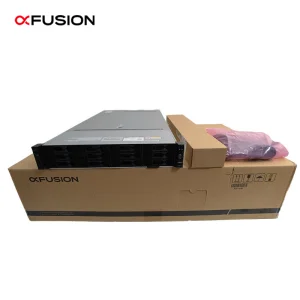
High-throughput servers, storage systems, and enterprise components optimized for reliable thermal management.