NexaGPU
NexaGPU
NexaGPU
Select high-performance validation platforms and servers optimized for massive parallel connections, API traffic injection, and data-center load tests.
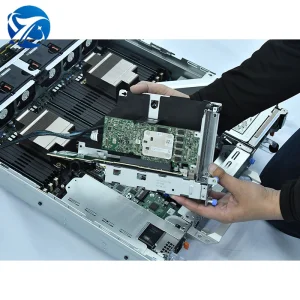
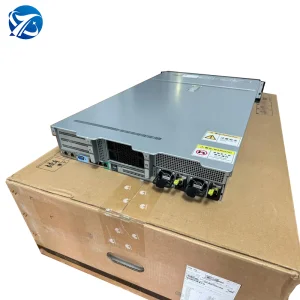
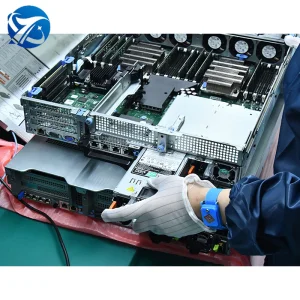
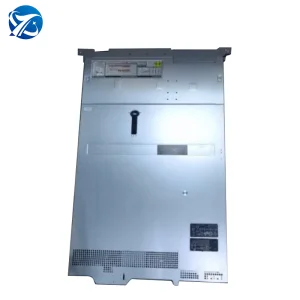
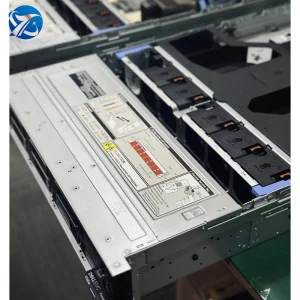

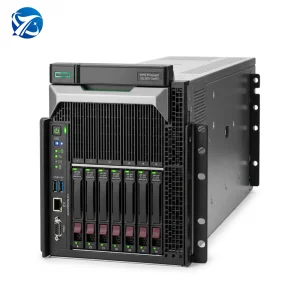

In the modern landscape of distributed software systems, API gateways, and ultra-low-latency financial tech, the challenge of scalability testing has evolved. Classic virtualized cloud infrastructure often acts as a bottleneck itself, introducing "noisy-neighbor" variability, unpredictable network hypervisor overhead, and high costs under sustained stress workloads. For realistic performance analysis, organizations require bare-metal stability: high-density physical and custom OEM load testing hardware rigs built specifically for packet-rate and traffic generation tasks.
As a leading Custom OEM Load Testing Tools Manufacturer and Supplier, NexaGPU bridges the gap between raw computing performance and targeted network stress simulations. By developing and customizing enterprise-grade, high-density server configurations, we enable global entities to run dedicated, reproducible load generations simulating tens of millions of concurrent sessions without the latency fluctuations typical of generic cloud virtual machines.
Hardware optimization leveraging Data Plane Development Kit (DPDK) to bypass kernel bottlenecks, allowing 100GbE line-rate packet generation without CPU overhead.
Optimized multi-threaded architecture with memory densities supporting massive state tables for complex L7 session simulations (SSL/TLS, HTTP/3, WebSockets).
Deploy hyperconverged load generator clusters capable of functioning as deep-learning storage backends, virtualized hypervisors, and high-volume injection points.
NexaGPU brings years of hardware innovation, global B2B operations, and rigorous validation systems to high-concurrency simulation infrastructure.
NexaGPU is a premier professional AI GPU and high-performance server manufacturer, specializing in bare-metal computing infrastructure, customized clustering designs, and traffic validation architectures for international data centers and enterprise applications.
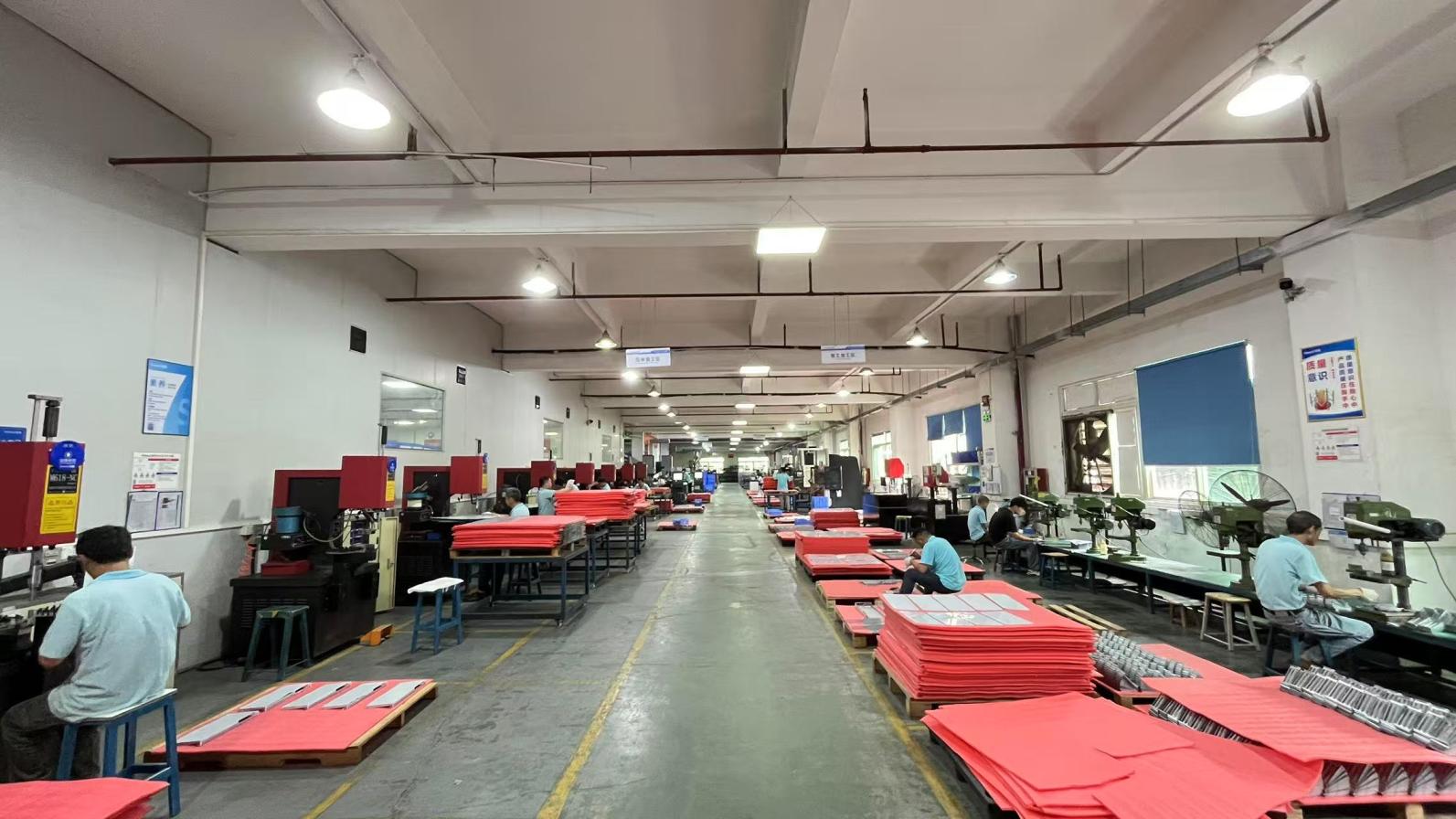
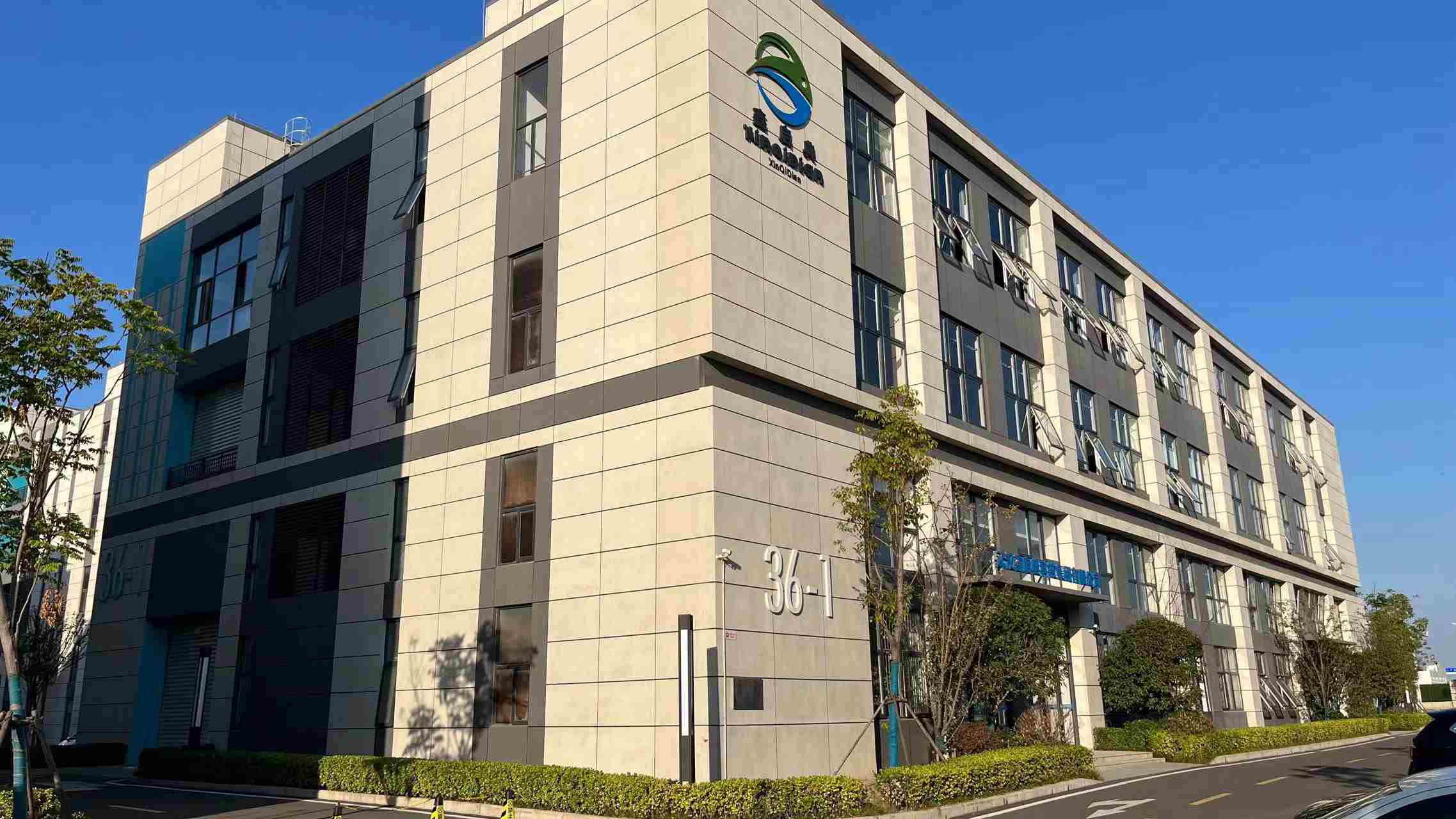
Founded in 2016, NexaGPU has quickly evolved into a leading provider of physical validation hardware, maintaining 6 years of export experience alongside 11 years of deep industry expertise in high-performance computing, motherboard design, and custom rack optimization. Operative from our advanced facility with a building area of approximately 320㎡, we specialize in high-efficiency, multi-phase hardware validation.
Supported by 120 R&D engineers focused on optimizing data paths, CPU thermal design profiles, and ultra-high-speed networking integration, NexaGPU has successfully designed and launched 85 custom product models in the past year alone. Our supply chain reaches globally with over 850 partners (including major chipmakers, network adapter developers, liquid cooling system firms, and component manufacturers) to ensure continuous sourcing, competitive price structures, and strict product compliance.
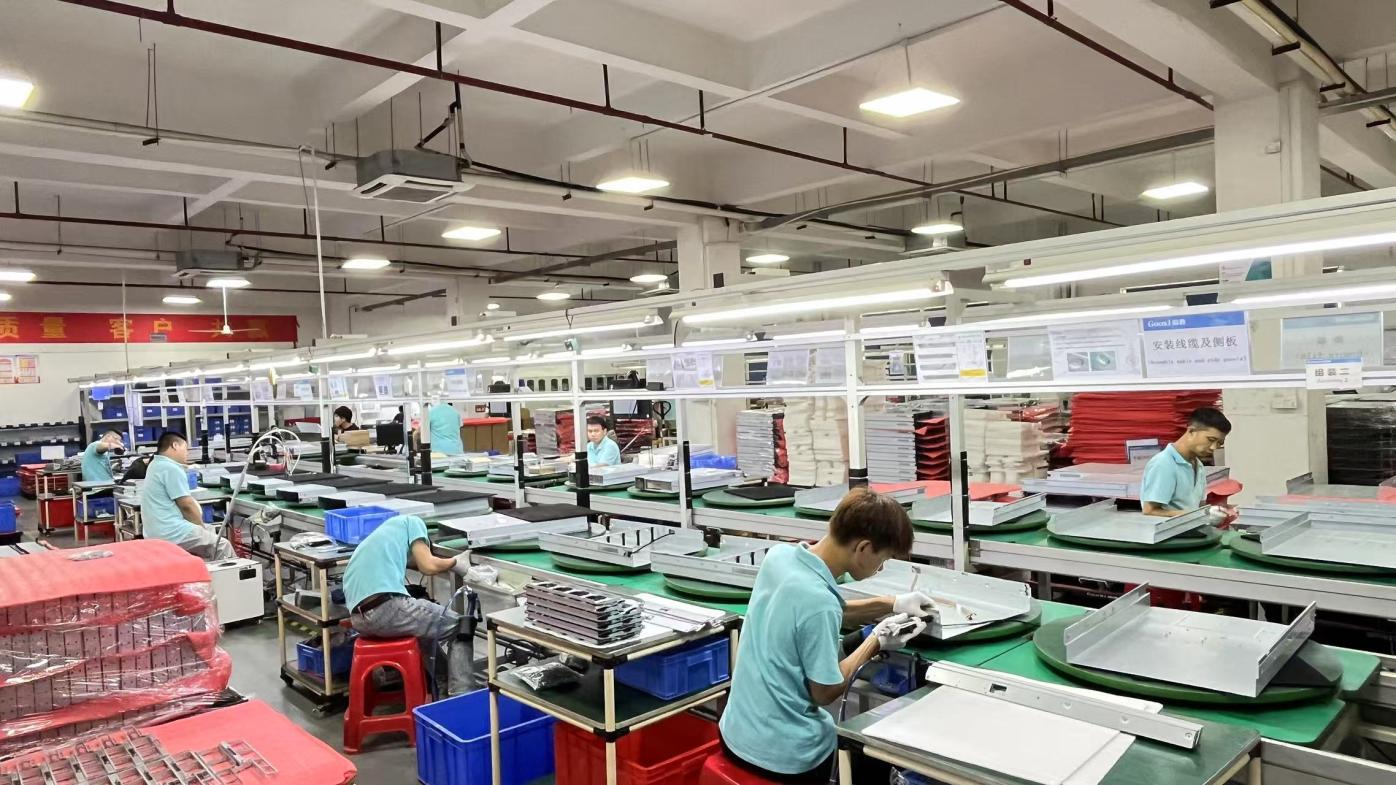
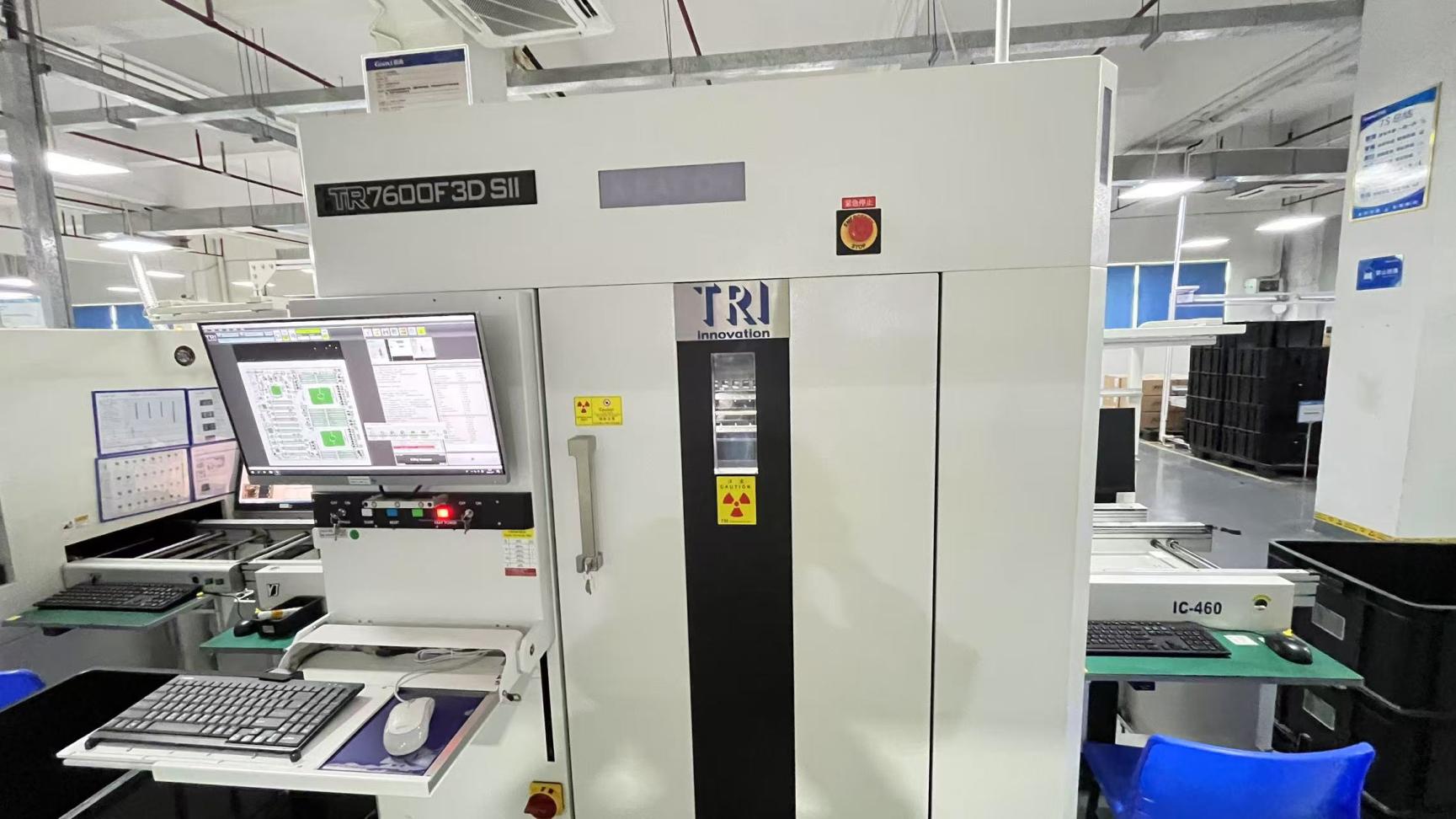
Unlocking unparalleled integration, rapid prototyping, and optimized cost structures in the global technology capital.
Access to world-class PCIe fabrication, memory assembly, specialized high-speed copper interconnects, and chassis chassis construction within a unified industrial zone.
Go from prototype board configurations to dynamic stress testing inside a week. Our engineers modify BIOS settings, PCIe allocations, and custom network setups in real time.
Reduce capital expenditure by over 40% compared to standard Western systems, allowing QA divisions to build larger, geographically dispersed load generator clusters.
In addition, China’s leadership in hyper-scale internet deployments (supporting hundreds of millions of users daily across e-commerce and mobile payment channels) has created a unique talent base of network and hardware engineers. These engineers understand how memory, bus interfaces, and processor layouts must align to achieve predictable low-latency request times under peak workloads.
How our custom server builds serve as the foundation for modern testing protocols across major enterprise applications.
Large language models require high-concurrency API performance. Custom GPU and CPU hybrid architectures simulate concurrent requests to evaluate system latency, token generation performance, and prompt processing limits under load spike conditions.
High-frequency trading applications and core banking APIs require zero packet drop and sub-millisecond latencies. Custom load platforms simulate traffic via dual 25GbE/100GbE NICs utilizing hardware timestamping to verify jitter.
Content delivery networks and edge services require simulation of millions of geographical IP endpoints. Dedicated OEM servers act as distributed agents, injecting multi-gigabit workloads to challenge ingress points.
Massive multiplayer gaming services and connected sensor grids communicate using lightweight stateful protocols. High-memory configurations support massive concurrency tables for TCP and UDP states.
Structured process design ensuring absolute compliance, component reliability, and delivery logistics.
Establish test workload targets (e.g. HTTP/2, SSL handshakes, target packet-per-second values), mapping them to hardware requirements (PCIe Gen5, specialized NICs, multi-core CPU topologies).
Calculate heat output under sustained full load workloads. We design cooling solutions (ambient fans, liquid plates) to guarantee hardware remains throttled-free during long stress periods.
Our 45 QC engineers validate system parameters under sustained 72-hour stress test loops. Following system verification, units are packed and shipped worldwide with compliance certifications.
Every OEM load generation system from NexaGPU is built for continuous system operation. With robust IPMI out-of-band management tools and hot-swappable power supplies, our platforms integrate cleanly into automation testing environments like Jenkins, GitLab CI/CD, and custom internal performance frameworks.
Technical explanations regarding custom load testing hardware, deployment patterns, and manufacturing standards.
Cloud instances run on shared hypervisors, introducing resource contention, variable network performance, and limits on packet processing rates. Bare-metal hardware platforms offer dedicated NIC resources, memory channels, and CPU execution paths. This ensures that latency measurements represent the target system, rather than testing-tool bottlenecks.
Yes. Our high-density servers are built for multi-thread, high-memory performance, making them suitable for running distributed agents. By setting up physical nodes running JMeter or k6, test teams can scale load generators to process millions of HTTP requests per second while reducing management overhead.
We configure our servers with multi-core Intel Xeon processors, large L3 caches, and high-frequency DDR4/DDR5 memory. We also integrate network adapters supporting DPDK, SR-IOV, and hardware flow classification. This setup allows packets to bypass the kernel network stack, routing network data directly to application-space buffers for processing.
We provide full hardware customization. Customers can specify the CPU cores, memory capacity, storage drives (NVMe/SATA), network interface cards, and chassis colors. We also flash custom BIOS versions, write custom firmware, pre-configure OS environments, and paint or screen-print enclosures to align with your brand requirements.
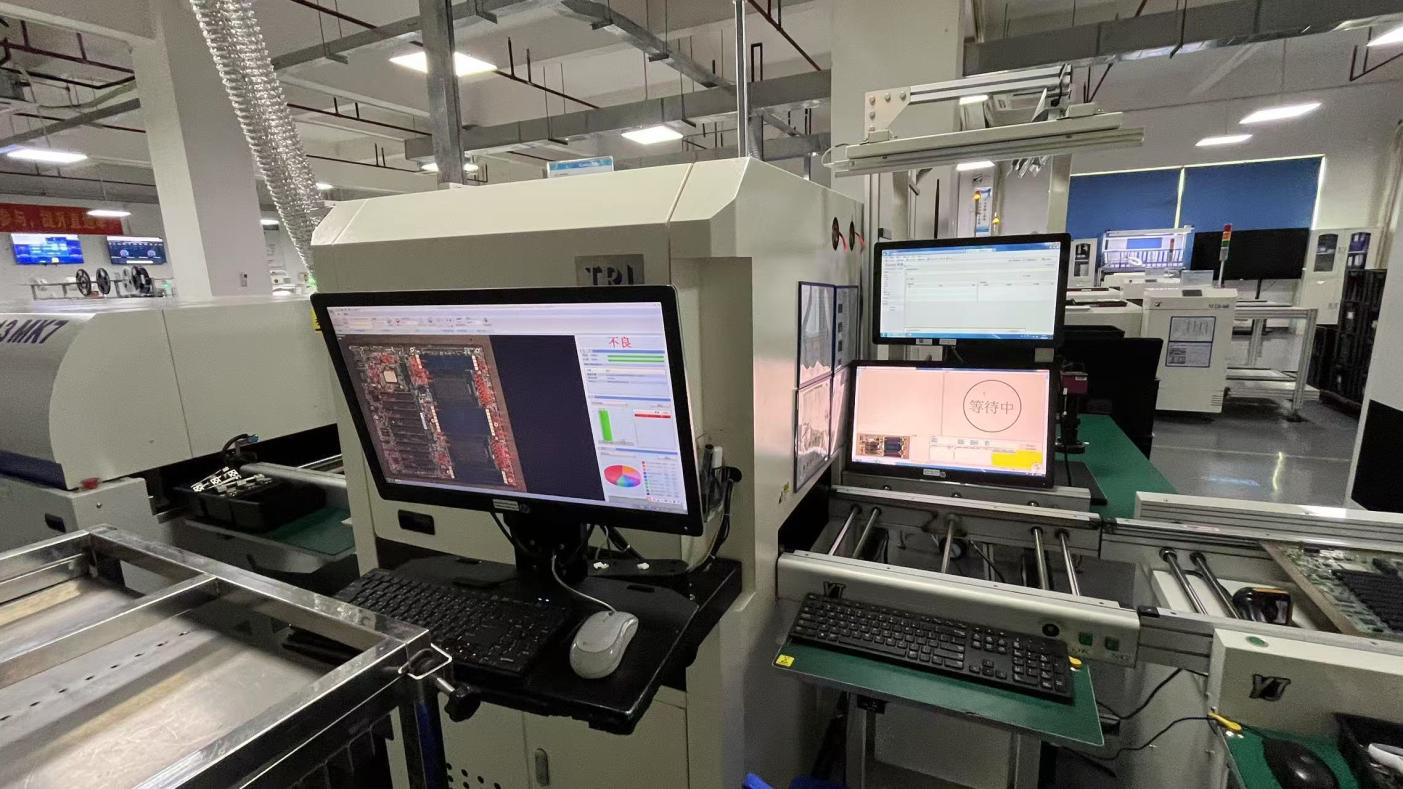
Our quality control department consists of 45 specialists who perform rigorous hardware checks. These checks include thermal camera audits, memory validation, high-temperature cabinet testing, and prolonged full-system stress tests. This testing process ensures that all deployed servers can run continuously under full load in enterprise environments.
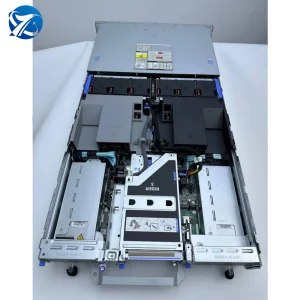
High-throughput servers, GPU cluster systems, and network storage arrays designed for intensive load test and validation tasks.
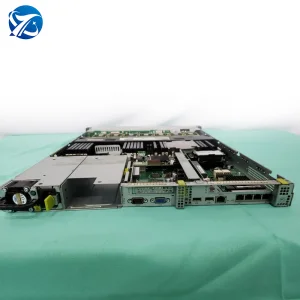


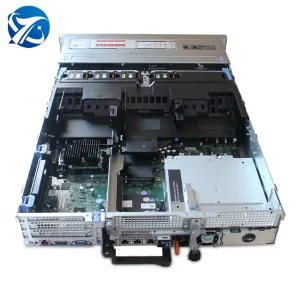
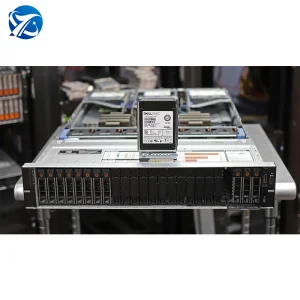
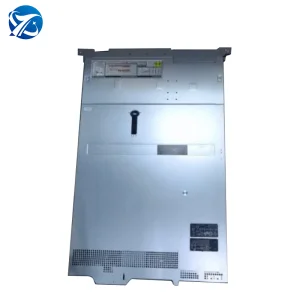
A look into our validation lines, dynamic burn-in chambers, and hardware design operations.