NexaGPU
NexaGPU
NexaGPU
Deploy critical workloads onto industry-leading hardware validated for absolute reliability, security, and computing throughput.
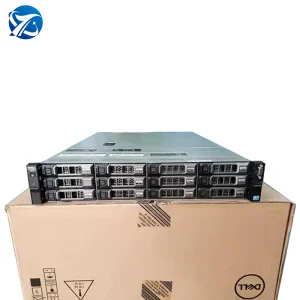
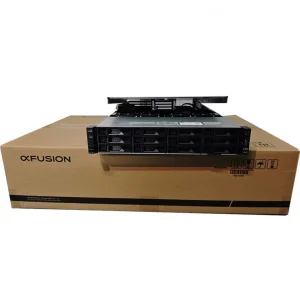
New Dell PowerEdge R7625 Server Dual EPYC 9654 CPU 512GB DDR5 RAM 8x 3.84TB NVMe SSD High Density 2U Rackmount Inquire Details
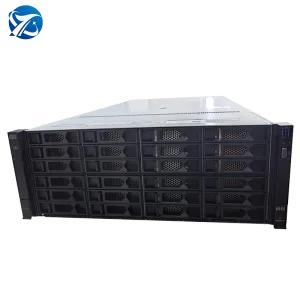
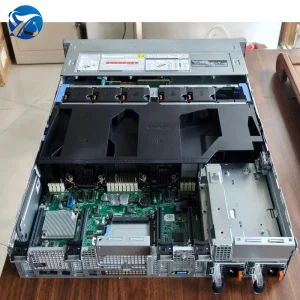
FusionServer G5200 V5 Ai Data Servers Gpu Storage Deepseek Xeon Computer Rack Cloud Center Cpu Short Depth Oem For Sale Server Inquire Details
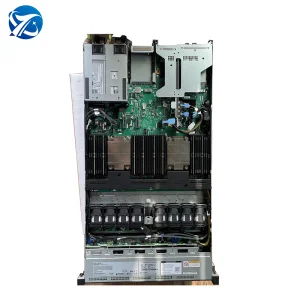
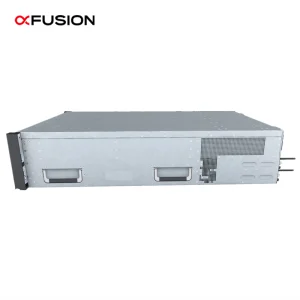
New xFusion 2288H V6 Cloud Computing Server 8*2.5 Inch Drive 2288H V6 2U 2-socket Computer Rack Server Inquire Details
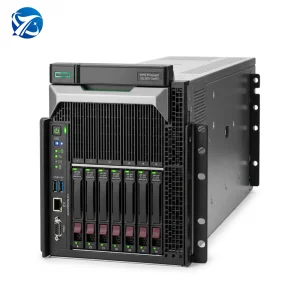
HPE ProLiant DL380 Gen12 Rack Server in Stock High Performance Flexible Customization for Business Needs Inquire Details
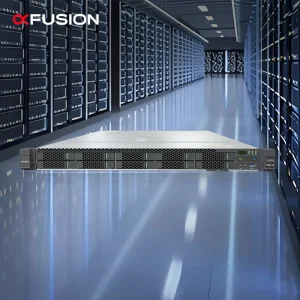
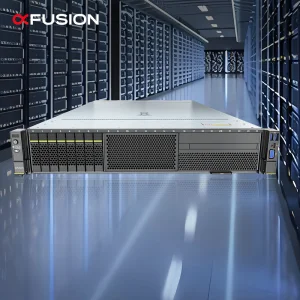
New xFusion Fusionserver 1288H V6 Computer Servers 8*2.5 Inch Drive 1288H V6 1U 2-socket Rack Server Inquire Details
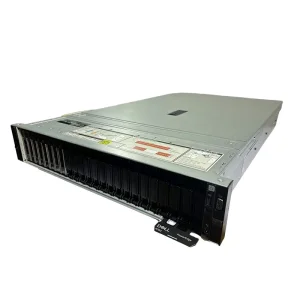
Shenzhen New PowerEdge R760 R750 R750XS R750 R7625 R7525 Power Edge RACK SERV Server Inquire Details
The global digital economy is experiencing an unprecedented structural transformation. With the proliferation of generative artificial intelligence (AI), distributed ledger technology, cloud containerization, and massive Large Language Models (LLMs) such as DeepSeek, the demand for underlying physical compute and storage hardware has shifted. Storage is no longer merely a repository for passive archive data; it is the vital, high-throughput foundation that feeds high-density GPU accelerators and multi-socket CPU architectures.
In modern hyper-scale data centers, enterprise data storage is defined by two key metrics: data security at rest and in transit, and low-latency accessibility. To protect sensitive intellectual property, consumer data, and machine-learning weights, businesses require physical hardware with built-in hardware security features. From hardware-level Trusted Platform Modules (TPM 2.0) and secure boot options to Self-Encrypting Drives (SEDs) supporting AES-256 encryption, the secure storage market is undergoing rapid engineering changes. As organizations expand their edge networks, they need infrastructure that can withstand physical tampering and cyberattacks.
Simultaneously, the convergence of GPU compute nodes and storage arrays has become critical. High-performance protocols such as NVMe-over-Fabrics (NVMe-oF) and GPUDirect Storage (GDS) bypass traditional CPU bottlenecks, feeding data directly from storage arrays into GPU memory. This requires robust, highly customized physical servers engineered to balance immense computational density (using multi-socket processors) with high-density NVMe drive bays, optimal thermal design, and redundant, secure power delivery.
Root-of-trust security architecture utilizing TPM 2.0, secure cryptographic co-processors, and SED drives to enforce hardware-level data isolation.
U.2, U.3, and E3.S form factor optimizations enabling high data ingestion speeds to feed parallel GPU pipelines with minimal latency.
Advanced airflow cooling paths and optional liquid-loop integrations to maintain continuous operational performance under maximum system workloads.
Bespoke physical layouts, custom-configured PCI-Express lane distributions, cooling modifications, and branded enterprise firmware designs.
As global demand for computing hardware grows, sourcing reliable secure storage and high-capacity GPU servers requires partners that can balance performance, quality control, and cost-efficiency. China's enterprise server manufacturing ecosystem—centered in advanced technological corridors like Shenzhen—offers distinct advantages that B2B procurement professionals can leverage.
1. Vertical Integration of the Component Supply Chain: China's manufacturing clusters locate key sub-component vendors—including high-frequency multilayer PCB fabricators, heavy-duty server chassis engineers, dynamic thermal cooling assembly plants, and precision connector manufacturers—in close geographic proximity. This concentration simplifies the hardware prototyping process, reducing design iteration cycles from months to days. NexaGPU partners with over 850 verified supply chain partners, ensuring steady access to critical materials even during periods of global supply chain volatility.
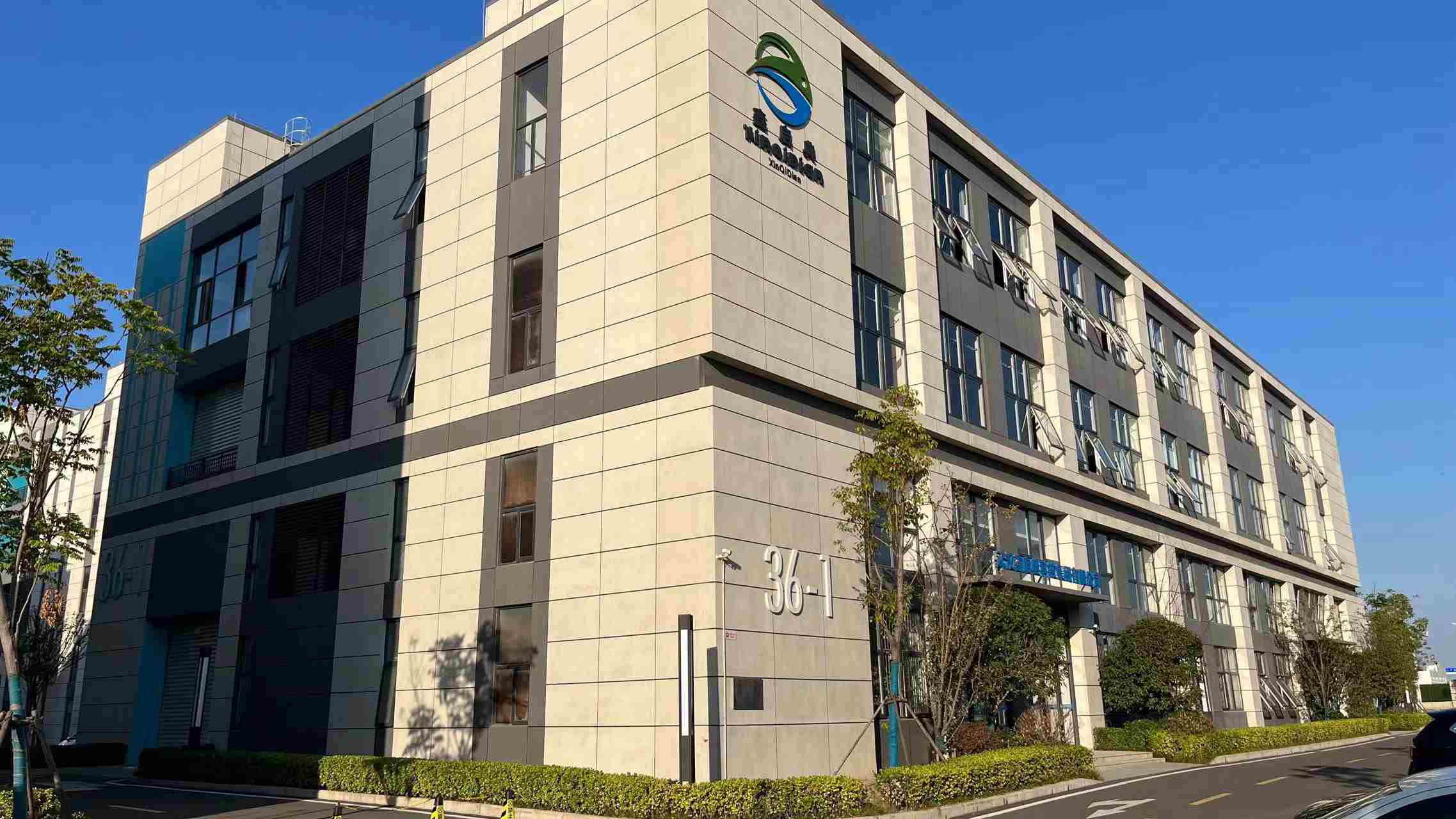
2. Agile Manufacturing and Customization (OEM/ODM): Global data centers rarely run on one-size-fits-all hardware configurations. Different software environments require specific ratios of NVMe storage, memory, and accelerator cards. China's manufacturing sector excels at flexible assembly customization. NexaGPU’s facility, with a focused building area of approximately 320㎡, is engineered specifically for cleanroom component integration, rapid validation, and high-density custom layout assembly. In the past year alone, NexaGPU successfully developed and launched 85 new product models, proving its capability to adapt to changing market requirements.
3. Rigorous Multi-Stage Quality Assurance: In B2B data center procurement, hardware failure translates directly to costly downtime and security vulnerabilities. Validating system integrity requires more than basic function checks. It demands comprehensive burn-in testing, thermal imaging, signal integrity verification across high-speed Gen5 PCIe lanes, and system stability validation. NexaGPU maintains a dedicated team of 45 quality control specialists to oversee these verification processes, ensuring every exported system meets strict enterprise standards.
Securing data storage and optimizing GPU processing systems requires custom configurations tailored to specific real-world workloads. Below are the primary application scenarios where NexaGPU's system designs are deployed:
Large Language Models (LLMs) and computer vision systems require high data ingestion rates. NexaGPU systems integrate high-speed dual-socket Xeon/EPYC processors with multiple accelerator bays, enabling rapid data loading via high-density NVMe arrays, which reduces training bottlenecks and latency.
Cloud computing platforms depend on reliable virtualization densities and storage isolation. Our 1U and 2U rack configurations provide high core counts alongside energy-efficient storage controllers, helping data centers balance computing performance with cooling and power overhead.
Smart city infrastructure and high-speed network monitoring require processing video and sensor feeds in real-time. Short-depth server chassis allow for deployment in tight edge enclosures, keeping hardware-accelerated processing close to the physical cameras and sensors.
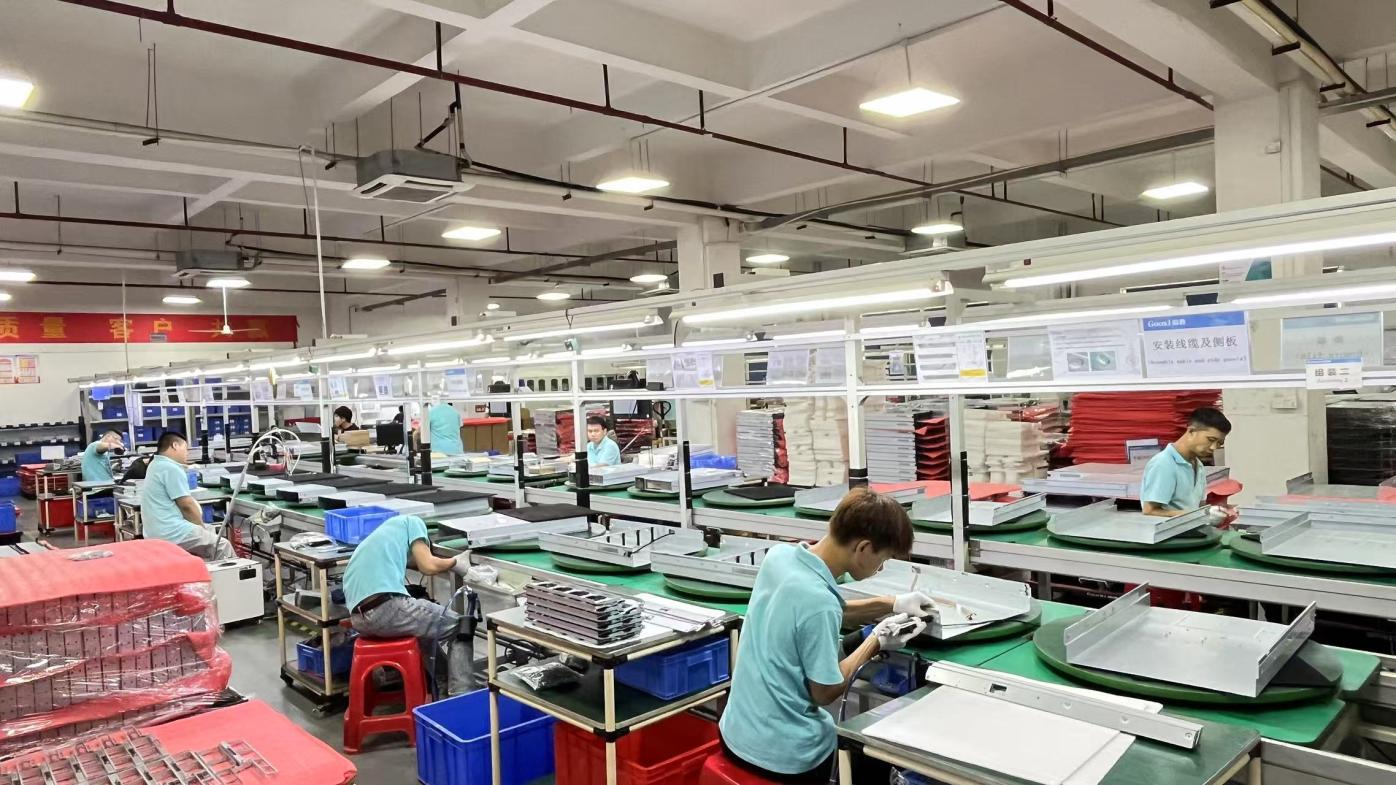
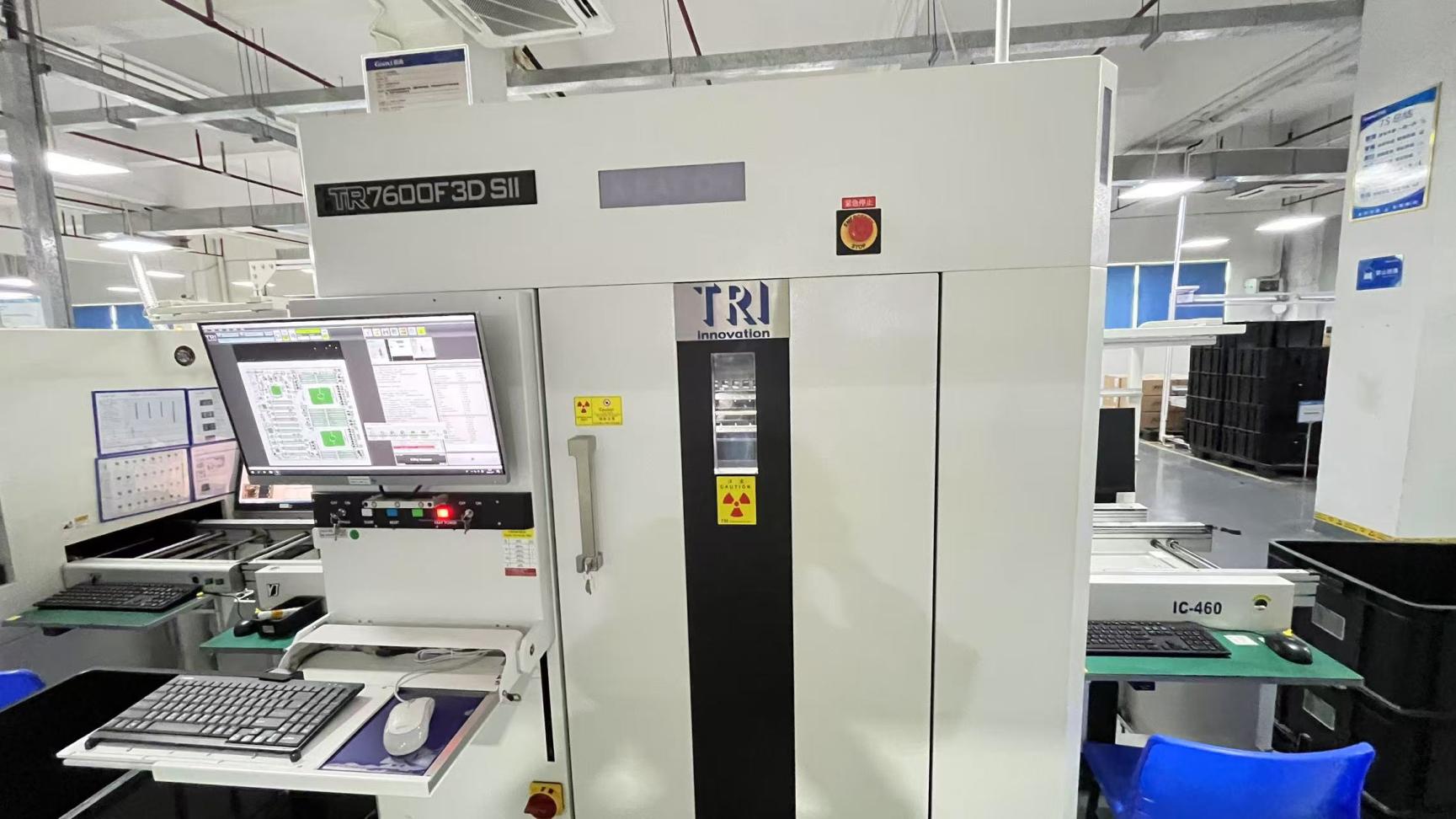
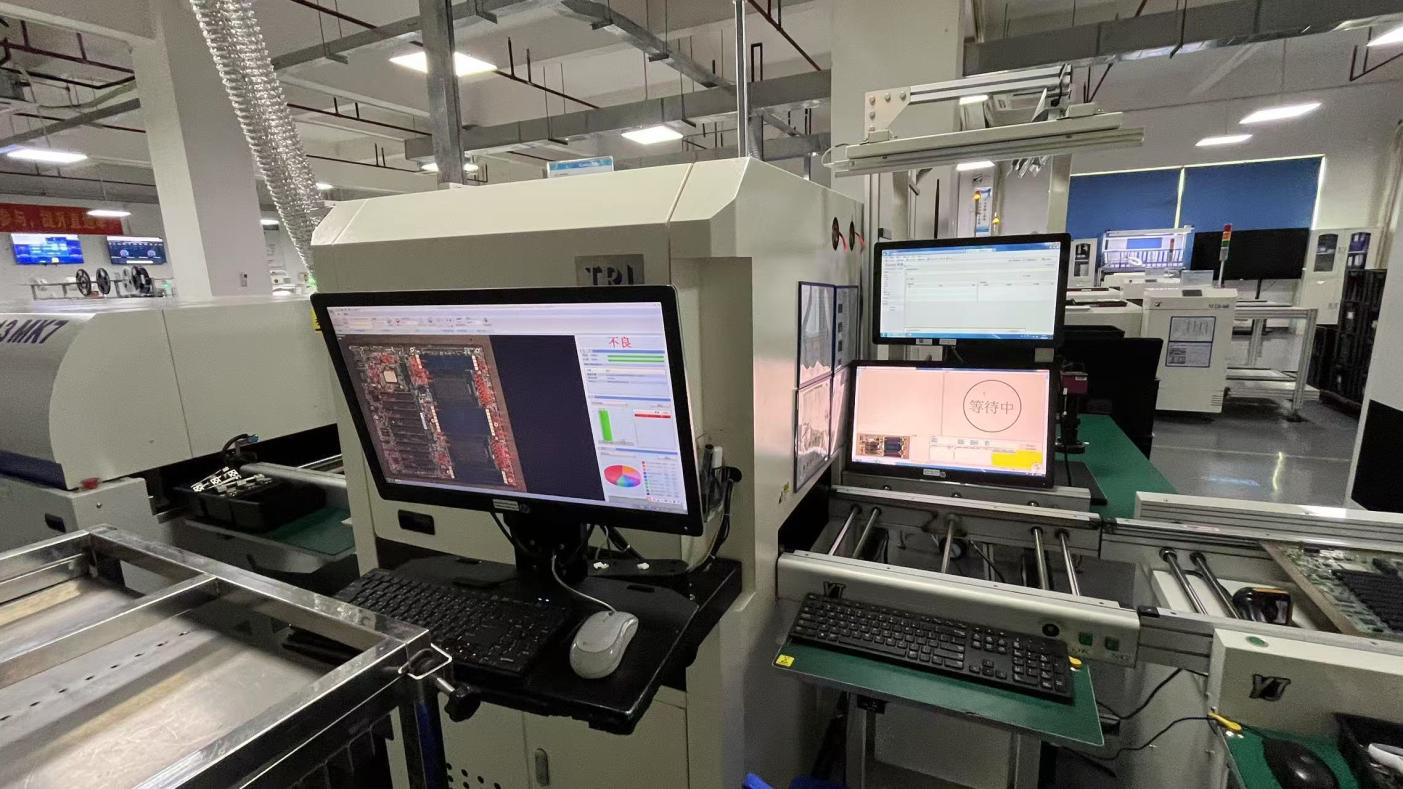
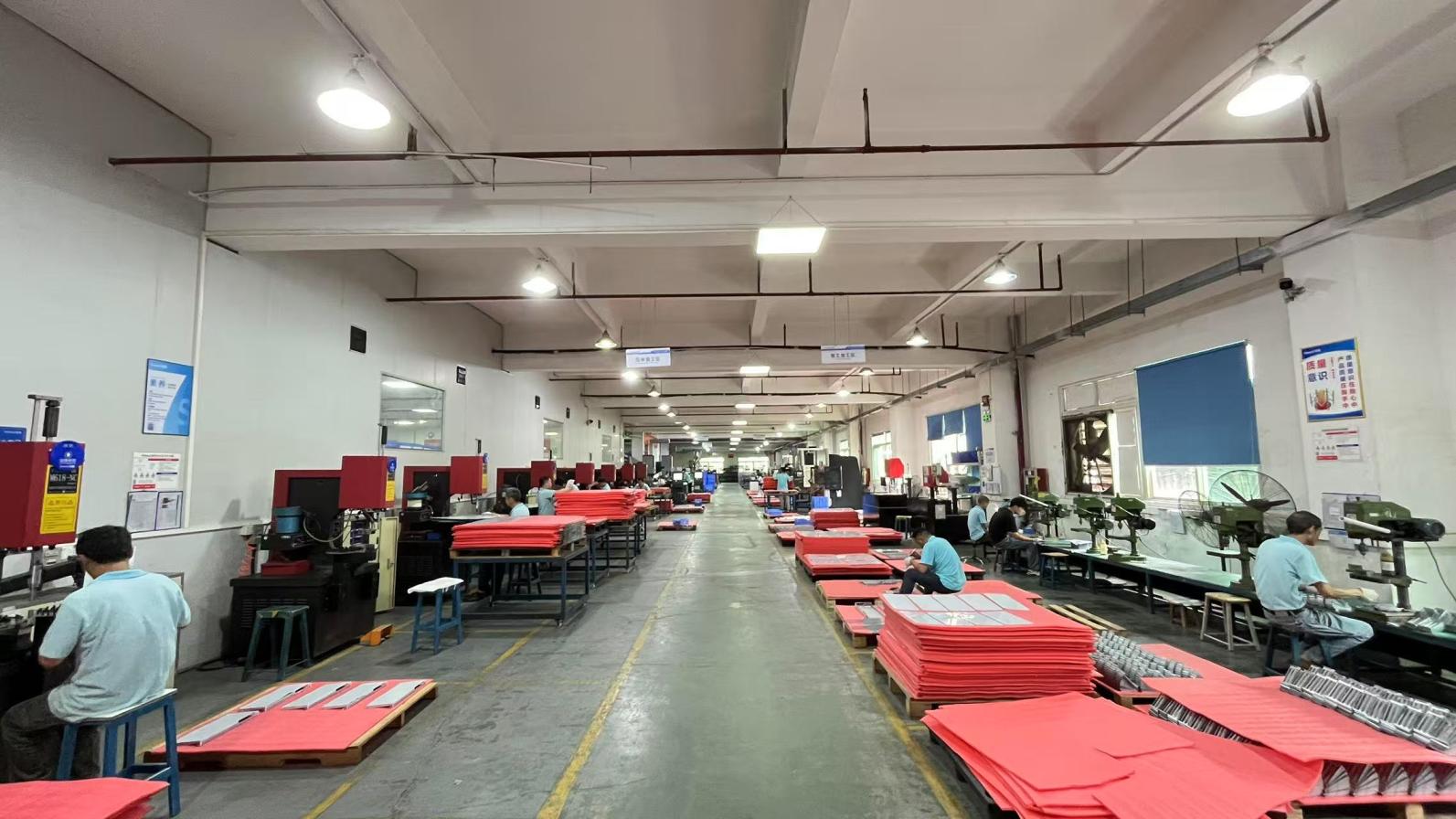
Behind every system NexaGPU delivers is a structured process of design, assembly, and quality validation. Our facilities are designed to handle complex component integration, including custom cooling loops and high-speed PCIe riser assemblies. By managing every stage of manufacturing under ISO-compliant practices, we ensure consistency across all production batches.
Our Quality Control specialists conduct a comprehensive multi-stage testing regimen. Every server undergoes high-temperature burn-in tests to identify component weaknesses, along with signal path analysis for high-speed PCIe Gen 5 configurations, memory stability verification under heavy loads, and validation of hardware security modules. This meticulous testing process minimizes failures in the field, safeguarding your data operations.
For enterprise purchasing departments, system integrators, and CTOs, selecting the right hardware infrastructure involves evaluating more than just processing power. True efficiency and reliability depend on several critical design factors:
Answers to key technical and operational questions for global B2B procurement partners.
Our systems support hardware-level data protection, including TPM 2.0 modules for secure cryptographic keys, self-encrypting drive (SED) support, and secure boot firmware to prevent unauthorized changes at startup. During assembly, each motherboard and drive controller is tested to confirm full compatibility with enterprise encryption software and storage array management tools.
Our R&D engineering team collaborates with clients to design systems for their specific requirements. We assist in selecting processors, configuring RAM capacities, designing custom storage backplanes, and adjusting PCIe lane routing for GPU additions. Our facility is optimized to manage custom B2B configurations from initial prototyping through to final validation and testing.
Every server undergoes a 72-hour burn-in and diagnostic process before shipping. We run stress tests on CPUs, GPUs, memory, and storage drives under load while monitoring system temperatures. Our quality control team measures voltage regulation and checks for PCIe transfer integrity to ensure the hardware is ready for deployment in production data environments.
Proximity to component manufacturers allows us to source materials quickly and transition custom designs into production with minimal delay. Sourcing directly from our facility reduces intermediary costs, and our access to deep local supply chains helps minimize lead times, providing an efficient path for scaling data center infrastructure.
High-performance, secure processing and storage solutions for data center, cloud, and edge infrastructures.
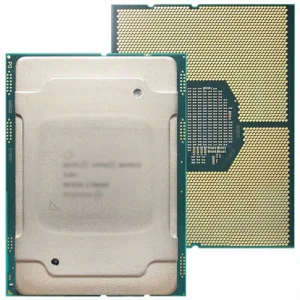
Hot Selling Xeon Gold Processor 5318H/5320H/6328H/6330H Cooper Lake Processor with 2U Heat Sink Suitable for 2488H V6 Servers Inquire Details
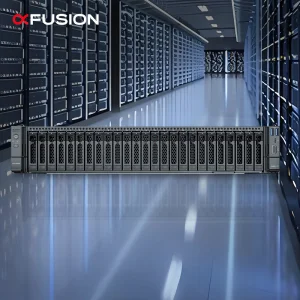
New xFusion FusionServer 2488H V7 Computer Servers 8*2.5 Inch Drive Xeon 2*6416H 2*32G 1500W 2488H V7 2U 4-socket Rack Server Inquire Details
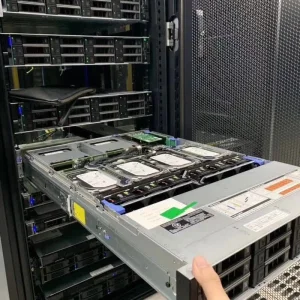
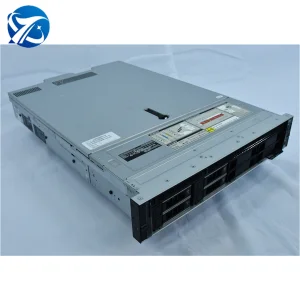
High Quality Original Dell Poweredge R750 Computer Server 2U 2-socket R750 Network Server Rack Server R750 Inquire Details
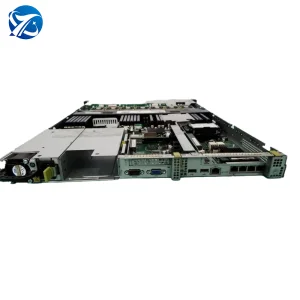
FusionServer 1288H V5 1U Rack Server Dual Socket Intel Xeon Scalable Processor for Cloud Computing Inquire Details
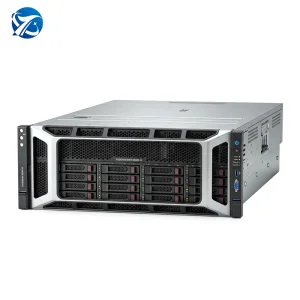
AI Inference G5200 V5 GPU Server for Deep Learning Training and Smart City Video Analysis Inquire Details