NexaGPU
NexaGPU
NexaGPU
In the contemporary digital economy, virtualization solutions have transitioned from basic logical partitioning of x86 resources to complex, multi-tenant acceleration fabrics encompassing high-performance GPU partitioning, liquid-cooled bare-metal orchestration, and cloud-native hyper-converged infrastructures (HCI). As global enterprises rush to deploy large-scale Large Language Models (LLMs) like DeepSeek, Llama, and proprietary enterprise search models, the physical architecture supporting virtualization must deliver high computational density, seamless hardware validation, and unmatched thermal dissipation efficiency.
This whitepaper details the paradigm shifts shaping the virtualization hardware supply chain, emphasizing the synergy between design engineering, automated manufacturing, and rigorous quality assurance. As a trusted manufacturer of top-tier AI GPU servers, NexaGPU stands at the forefront of this revolution, providing customized hardware solutions optimized for virtualization hypervisors, deep learning orchestration, and high-density enterprise container deployments.
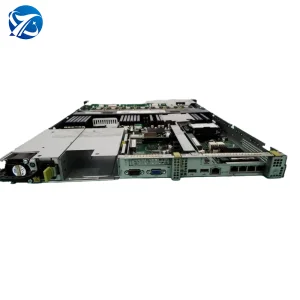
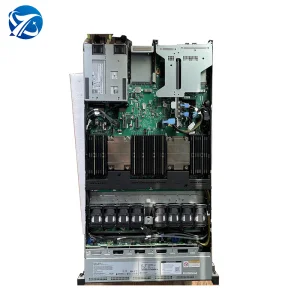
Highly scalable rack mount servers built for complex VM deployments, GPU virtualization partitions, and continuous workloads.
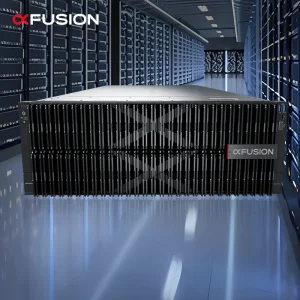
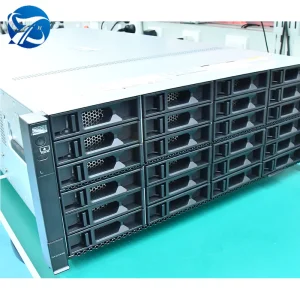
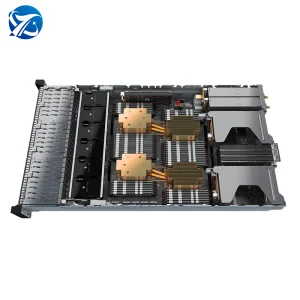
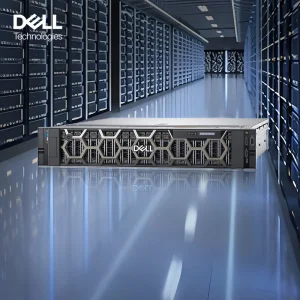
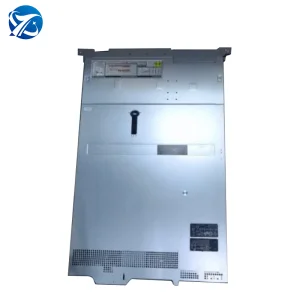
Virtualization architecture has evolved far beyond the consolidation of multi-tenant environments. In the initial phases, virtualization focused primarily on partitioning compute capacity (CPU cores) and allocating RAM blocks to virtual machines (VMs) running traditional business services. Today, enterprise workloads are defined by high-throughput analytics, AI training, neural network optimization, and cloud-native container workloads. These applications demand hardware virtualization models capable of direct, microsecond-latency interfacing with system processors, deep GPU caches, and NVMe-over-Fabrics storage arrays.
As deep learning workloads dominate data centers, the allocation of physical GPUs to virtual environments has become a critical operational metric. Modern virtualization hypervisors rely on advanced hardware interfaces such as NVIDIA vGPU and SR-IOV (Single Root I/O Virtualization). This allows a single physical accelerator—such as those housed in our GPU computing modules—to be split dynamically into several virtual profiles. Each profile manages dedicated memory pools and command queues, ensuring that enterprise tenants receive predictable performance without resource contention.
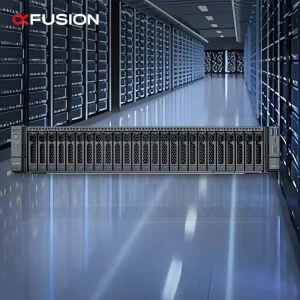
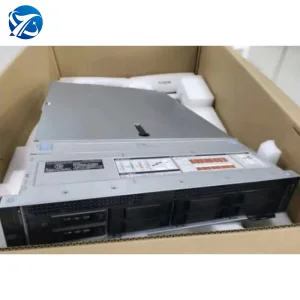
Software-defined storage (SDS) and software-defined networking (SDN) are now deeply integrated into the hypervisor layer. Modern virtualization solutions combine computational power, high-performance storage, and network routing within a single chassis. The xFusion and Dell PowerEdge platforms featured in our portfolio exemplify this design. They support multiple high-capacity drive configurations (U.2/U.3 NVMe SSDs) and high-speed PCIe expansion, enabling data centers to scale storage and compute independently or as unified blocks.
The boundary between virtual machines and bare-metal containers is rapidly dissolving. Platforms like Red Hat OpenShift, VMware Tanzu, and native Kubernetes configurations orchestrate workloads that dynamically spin up container instances directly over virtualized hardware. This hybrid architecture requires servers with high physical core counts (such as Intel Xeon Scalable and AMD EPYC families) and modular storage designs to facilitate rapid snapshotting, data replication, and high availability.
Evaluating the essential hardware parameters, certifications, and capabilities required by modern system architects.
Global procurement teams prioritize platforms that maximize rack unit (RU) space. Key specifications include high-capacity DDR5 ECC memory channels, PCIe Gen 5 routing for multi-gigabit throughput, and support for dual or quad socket architectures capable of handling heavy virtualization contexts.
With data center energy costs escalating, thermal design power (TDP) management is critical. Procurement agents evaluate N+1 redundant power supply configurations (like 80 PLUS Platinum/Titanium), optimized airflow paths, and liquid-cooling readiness to ensure low PUE (Power Usage Effectiveness).
Ensuring data integrity in multi-tenant environments requires robust security features. Modern hardware must support Secure Boot, Trusted Platform Modules (TPM 2.0), silicon-based root of trust, and hypervisor-level isolation technologies like AMD SEV or Intel SGX.
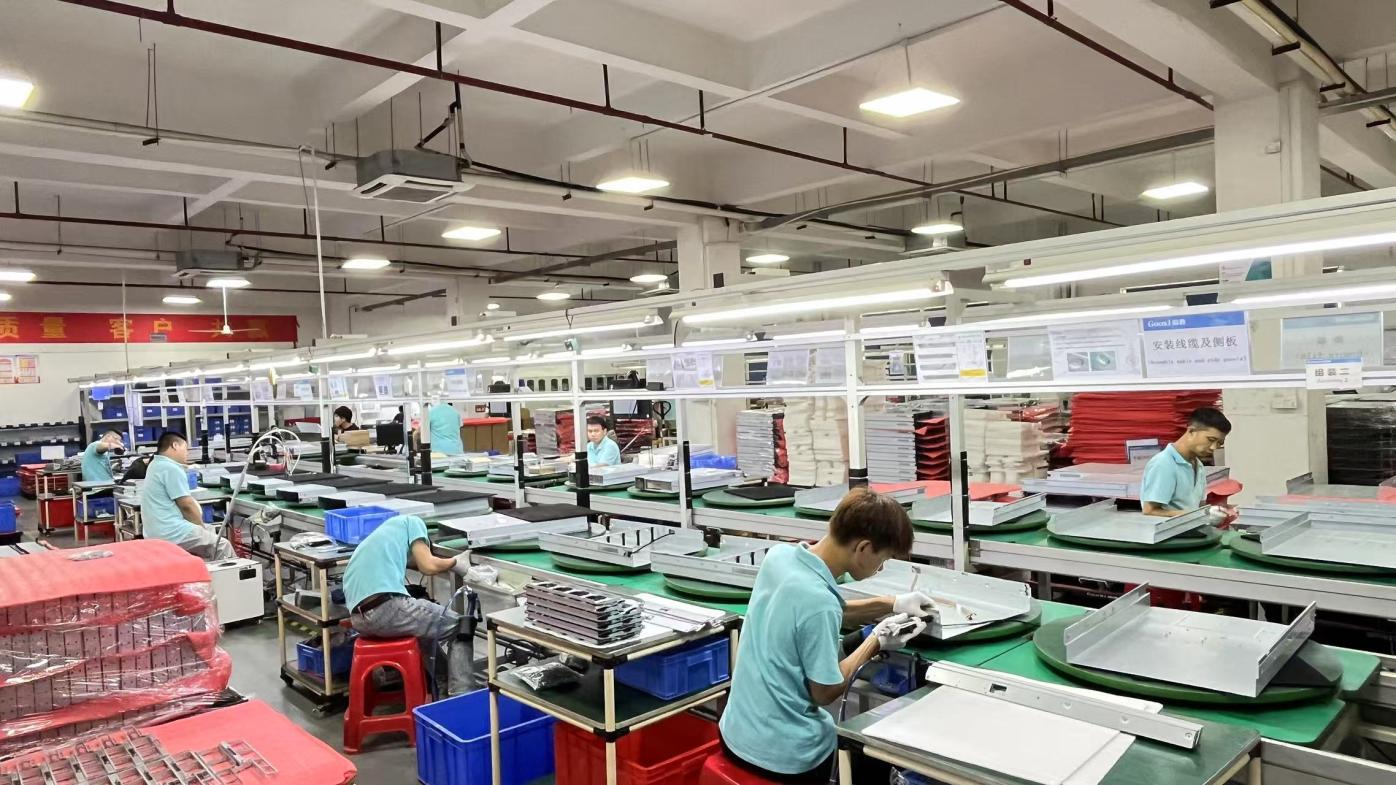
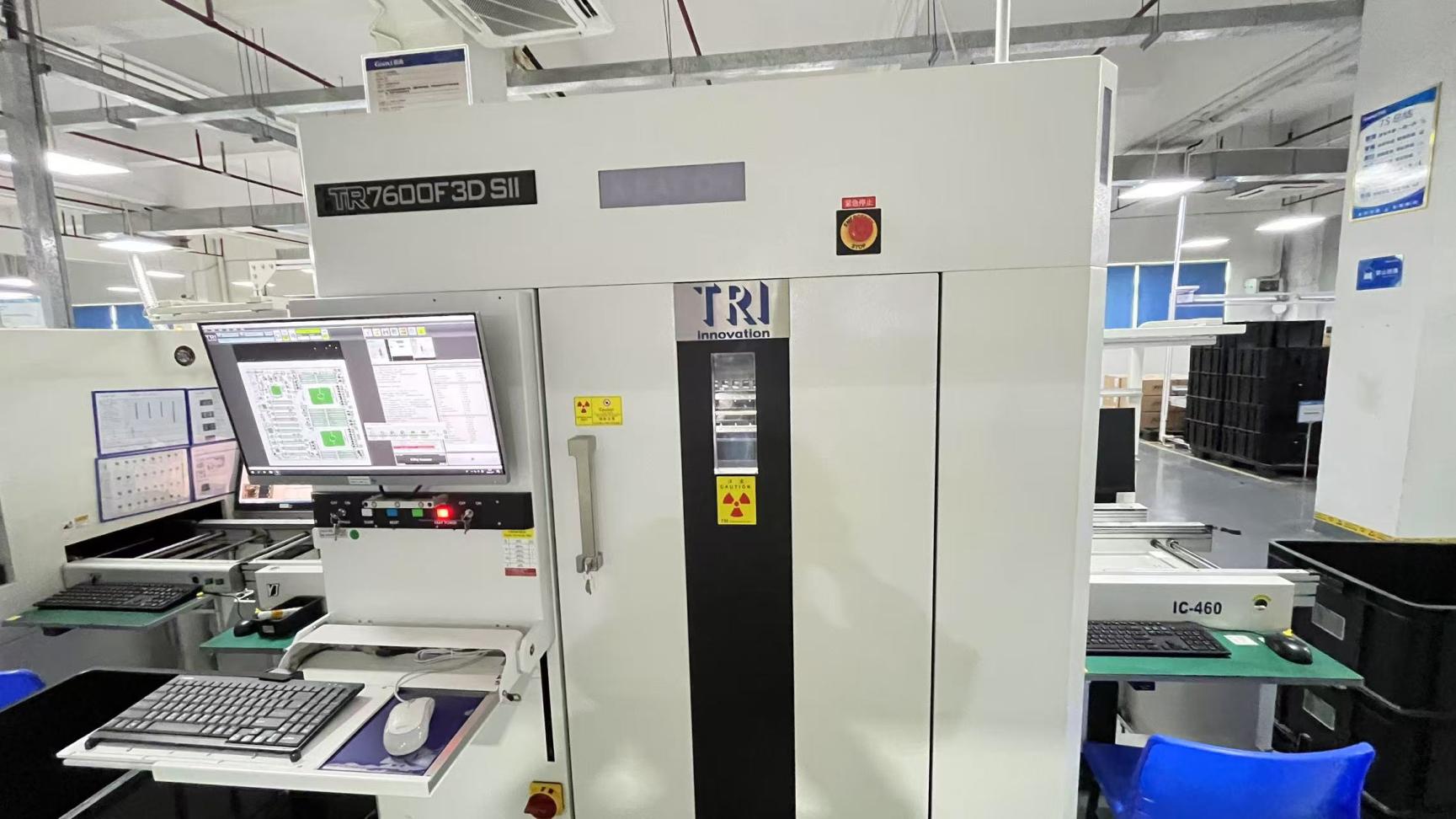
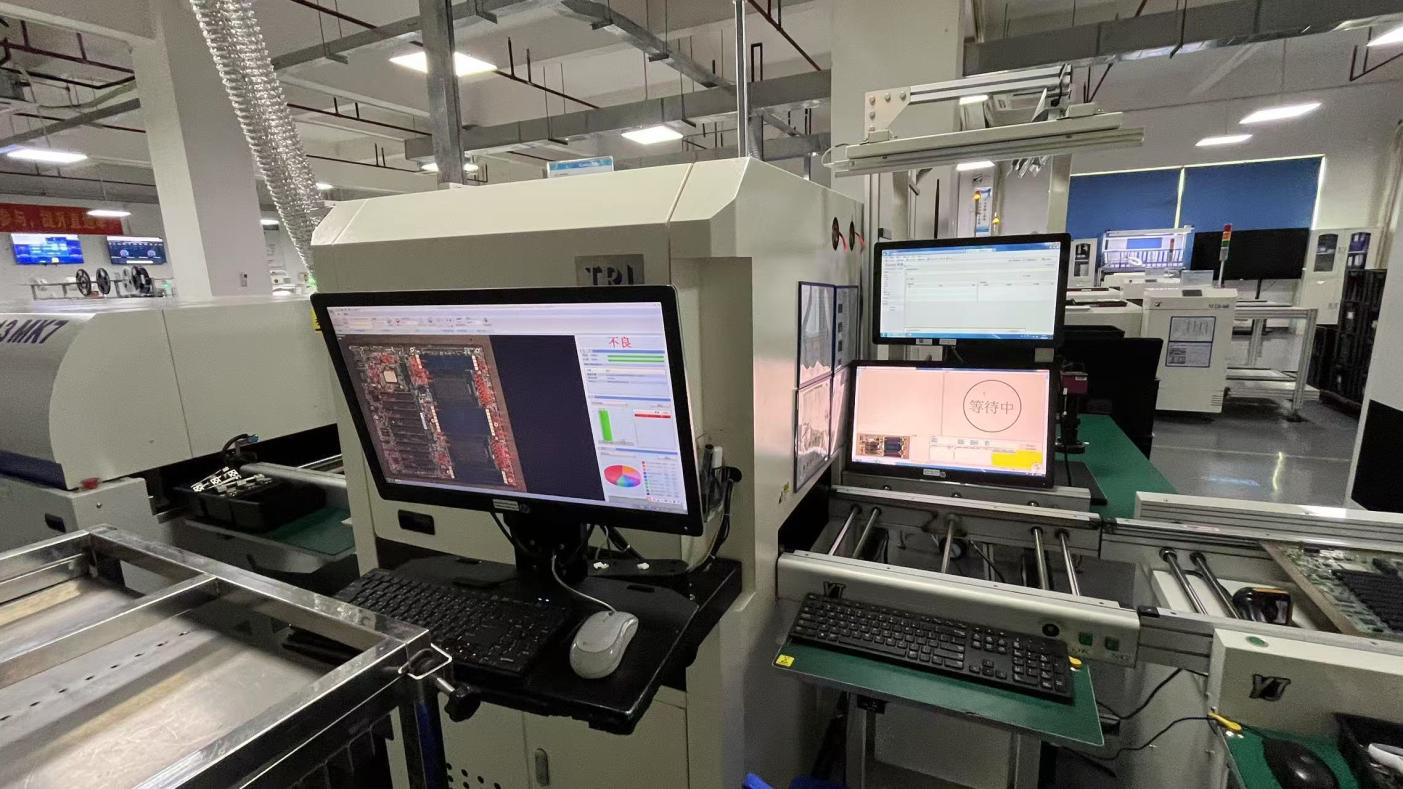
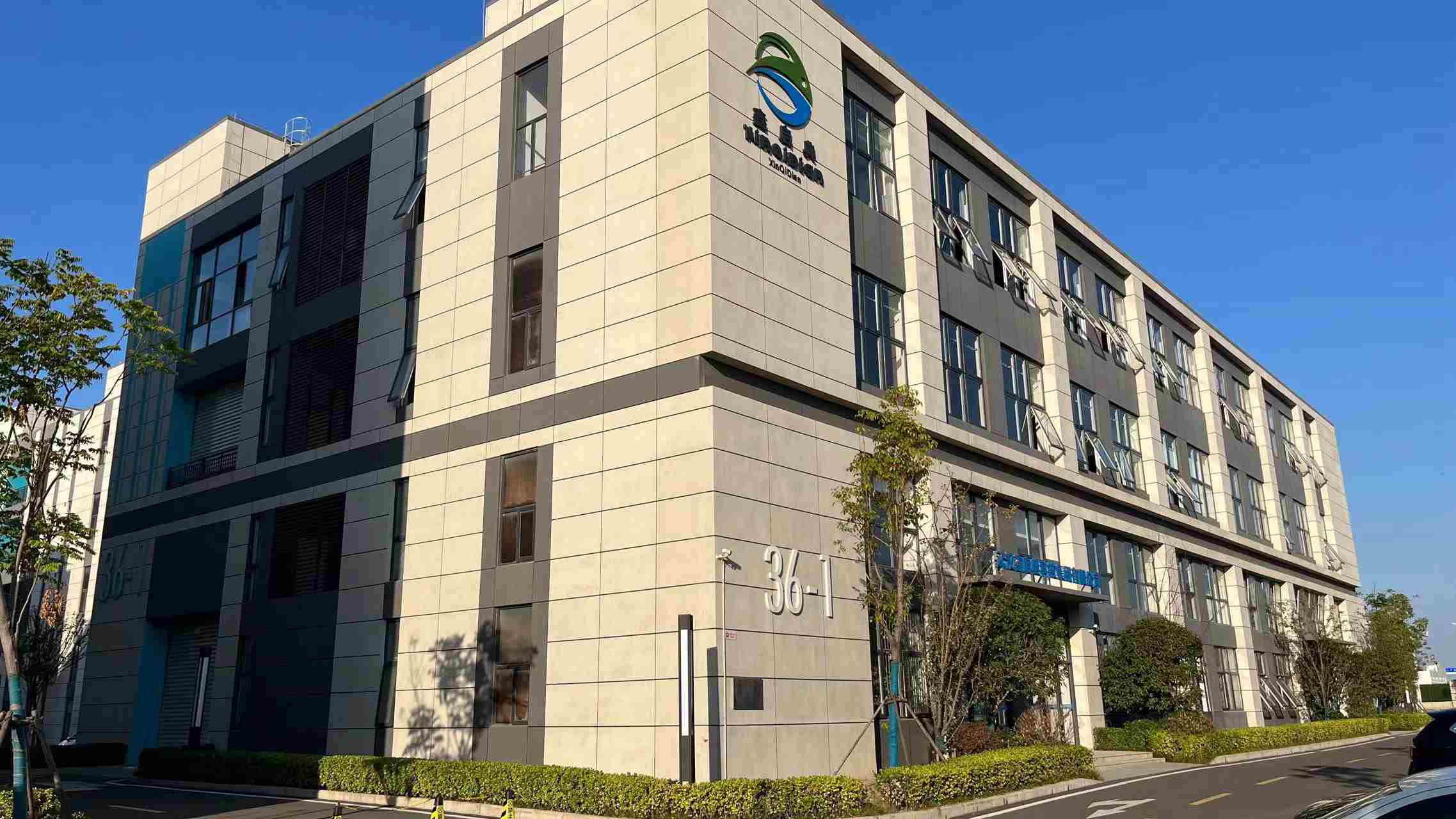
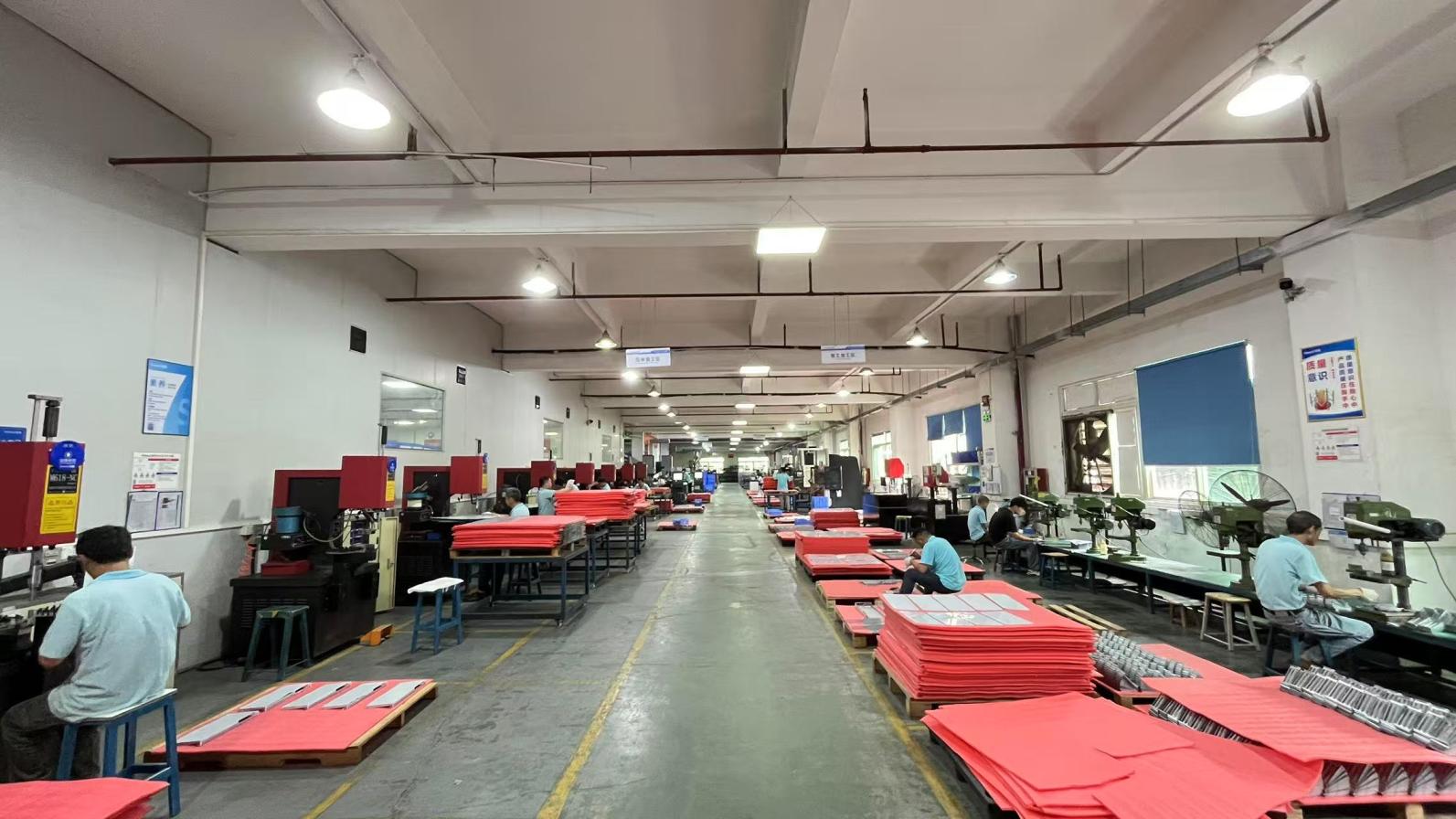
The manufacturing ecosystem for advanced server hardware has evolved from basic assembly to intelligent, data-driven Factory 4.0 paradigms. At NexaGPU, we combine automated precision assembly with real-time component traceability, ensuring that every server chassis, motherboard, and integrated cooling element meets strict quality standards.
By operating in key global technology supply hubs, we maintain close relationships with premier component providers. This vertical integration reduces lead times for crucial hardware—including dual-socket motherboards, high-amperage power distribution boards, and thermal copper blocks. This agility ensures that we can scale production rapidly to fulfill large enterprise orders without compromising quality.
A data-driven snapshot of our manufacturing capacity, research capabilities, and international footprint.
NexaGPU is a professional AI GPU server manufacturer and supplier specializing in high-performance computing infrastructure, GPU clusters, and customized AI server solutions for global enterprises, data centers, and AI development companies.
Established in 2016, NexaGPU has rapidly grown into a trusted provider of advanced GPU computing systems. The company operates a modern manufacturing facility with a building area of approximately 320㎡, supporting efficient production, assembly, and testing of AI server systems. With an annual export revenue of USD 12 million, NexaGPU has built strong international business capabilities and maintains 6 years of export experience and 11 years of industry experience in high-performance computing and server manufacturing.
To ensure strict product quality, NexaGPU implements comprehensive multi-stage inspection processes, including hardware stress testing, thermal performance testing, and system stability validation. The company employs a dedicated quality assurance team of 45 QC specialists to maintain consistent product reliability.
NexaGPU has a solid trade background in global B2B technology supply chains, with major markets including North America, Europe, Southeast Asia, and the Middle East. The company works closely with over 850 supply chain partners, including GPU chip suppliers, motherboard manufacturers, server chassis factories, and cooling system providers.
Its main customer base includes AI startups, cloud computing providers, data centers, research institutions, and enterprise IT solution providers. NexaGPU demonstrates strong R&D capability, supported by a team of 120 R&D engineers focused on GPU architecture optimization, AI server design, and liquid cooling technology. The company offers extensive customization options including GPU configuration, CPU selection, memory expansion, storage architecture, and liquid cooling systems.
In the past year, NexaGPU successfully launched 85 new product models, covering AI training servers, inference servers, and high-density GPU computing clusters.
Exploring how global industries configure and deploy our virtualization and storage systems.
Our 2U and 4U servers are optimized for public and private cloud environments. Virtualization platforms run hypervisors that dynamically balance compute resources for thousands of concurrent enterprise tasks, ensuring high resource utilization and service continuity.
Modern developers require high-density systems to run DeepSeek, LLMs, and neural network simulations. By utilizing GPU virtualization (vGPU), engineering teams segment a single cluster into separate partitions for model training, inference, and development.
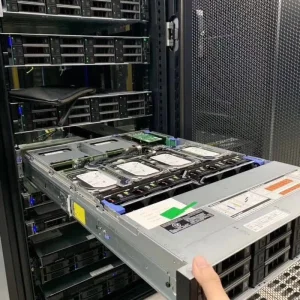
High-capacity storage networks rely on our multi-drive virtualization servers. By decoupling the hardware from logical disk layers, enterprise systems manage backups, data replication, and high-performance read/write paths across global networks.
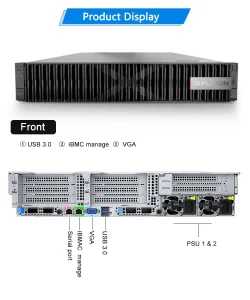
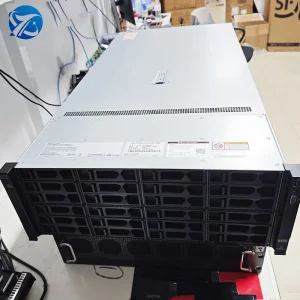
Advanced high-density platforms engineered for deep learning deployments, storage-heavy architectures, and cloud services.
Technical answers regarding enterprise virtualization solutions, hardware configurations, and ordering options.
These platforms feature high-performance PCIe Gen 5 configurations and optimized bios integration, which are critical for stable SR-IOV (Single Root I/O Virtualization) and multi-instance GPU partitions. This ensures low-latency communication between virtual instances and physical accelerators.
We employ a team of 45 QA specialists who implement a strict multi-stage inspection process. Every server undergoes comprehensive hardware stress testing under high temperature, system reliability validation, and network interface checks before shipment.
Yes, our systems are designed to be fully compatible with major enterprise hypervisors, including VMware ESXi, Proxmox VE, Red Hat Virtualization, and Microsoft Hyper-V, ensuring seamless integration into existing environments.
Yes, our engineering team provides customized liquid-cooling solutions. This includes designing closed-loop cold plates and manifolds to support high-density configurations, helping data centers improve their power usage effectiveness (PUE).
We offer extensive customization options. Customers can choose from a range of Intel Xeon or AMD EPYC processors, scale system memory with high-speed DDR5 ECC modules, and select from diverse storage options including SAS, SATA, and NVMe SSD arrays.
Depending on the specific configuration and quantity required, standard customization and verification processes take between 2 to 4 weeks. We work closely with our partners to ensure timely delivery of all orders.