NexaGPU
NexaGPU
NexaGPU
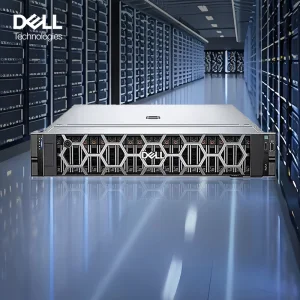
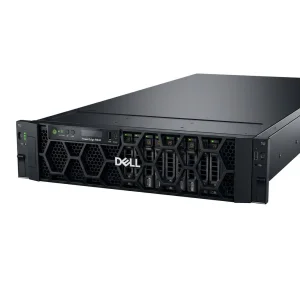
Explore our leading collection of high-performance servers, engineered for high reliability, certified standard compliance, and dense configuration versatility.
The Macro-Industry Landscape of Scalable Enterprise & AI Infrastructure
The global shift toward high-parameter neural network architectures—exemplified by advanced LLMs, mixture-of-experts (MoE) topologies, and real-time inference clusters—has transformed enterprise computing. Traditional data center models, which relied on incremental scaling and static compute density, are no longer viable. Modern infrastructures require massive parallelism, rapid memory bandwidth, and thermal dissipation systems that scale dynamically alongside real-world processing demands.
To prevent localized system degradation and latency spikes, scalable infrastructure manufacturers must design ecosystems that optimize structural bottlenecks across multiple vectors. These bottlenecks include PCIe lane starvation, inter-node communication latency, and electrical load variance. High-density servers must integrate advanced topologies to handle extreme compute densities, ensuring zero-throttling operation during extended training sessions. Additionally, compliance with rigorous international safety guidelines (such as the CE directives) is vital. Standardized testing guarantees that hardware remains resilient under complex harmonic distortion, high ambient temperatures, and volatile electrical environments.
"True scalability is not merely the accumulation of physical GPU nodes; it is the comprehensive optimization of energy pathways, thermal dynamics, and high-frequency data transmission protocols across the entire architecture."
Consequently, scaling compute infrastructure is highly dependent on supply-chain integration. System integrators, server manufacturers, and chip makers must work in alignment to verify that every component, from high-performance power supply units (PSUs) to custom heat sinks, functions reliably under maximum operational workloads. This requires extensive validation protocols, strict component screening, and a deep understanding of localized compliance standards.
NexaGPU is a professional AI GPU server manufacturer and supplier specializing in high-performance computing infrastructure, GPU clusters, and customized AI server solutions for global enterprises, data centers, and AI development companies.
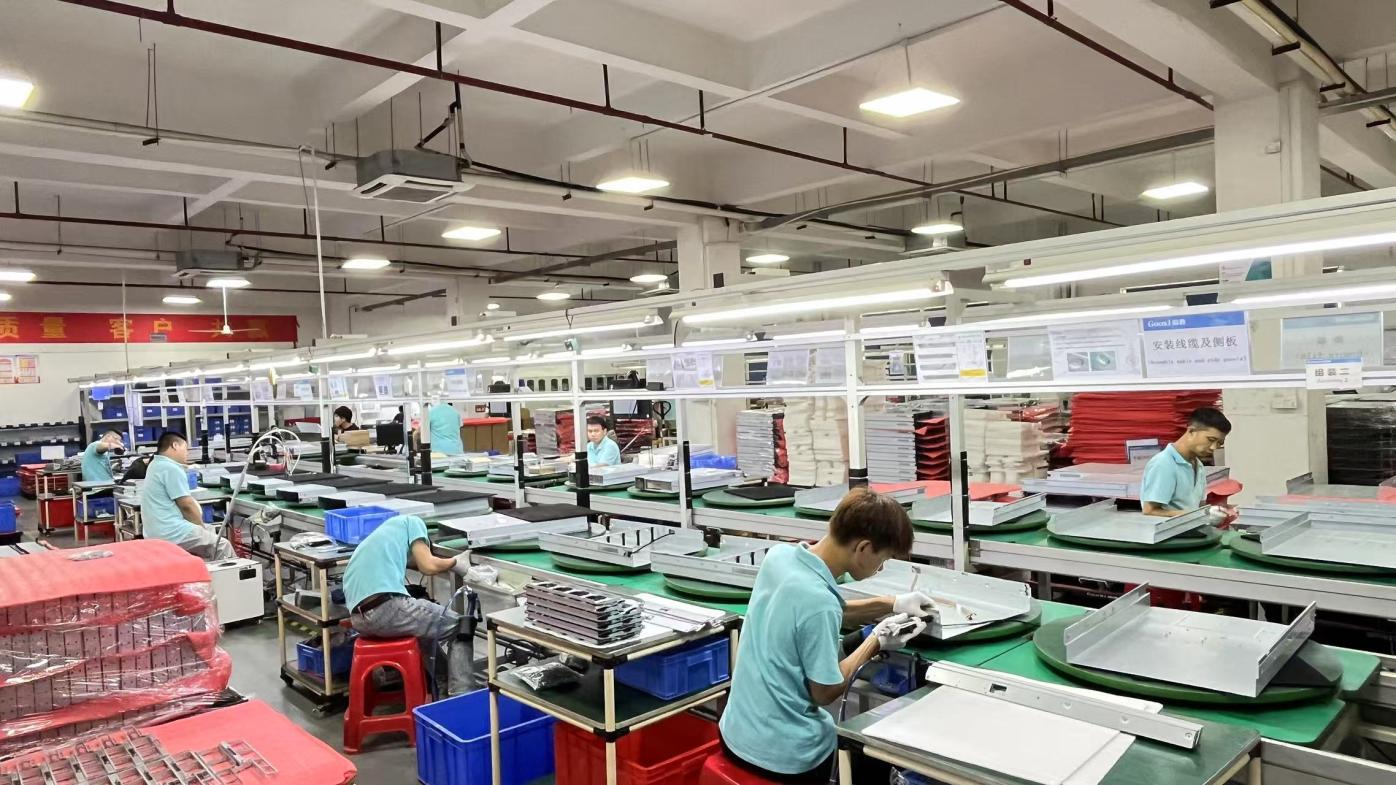
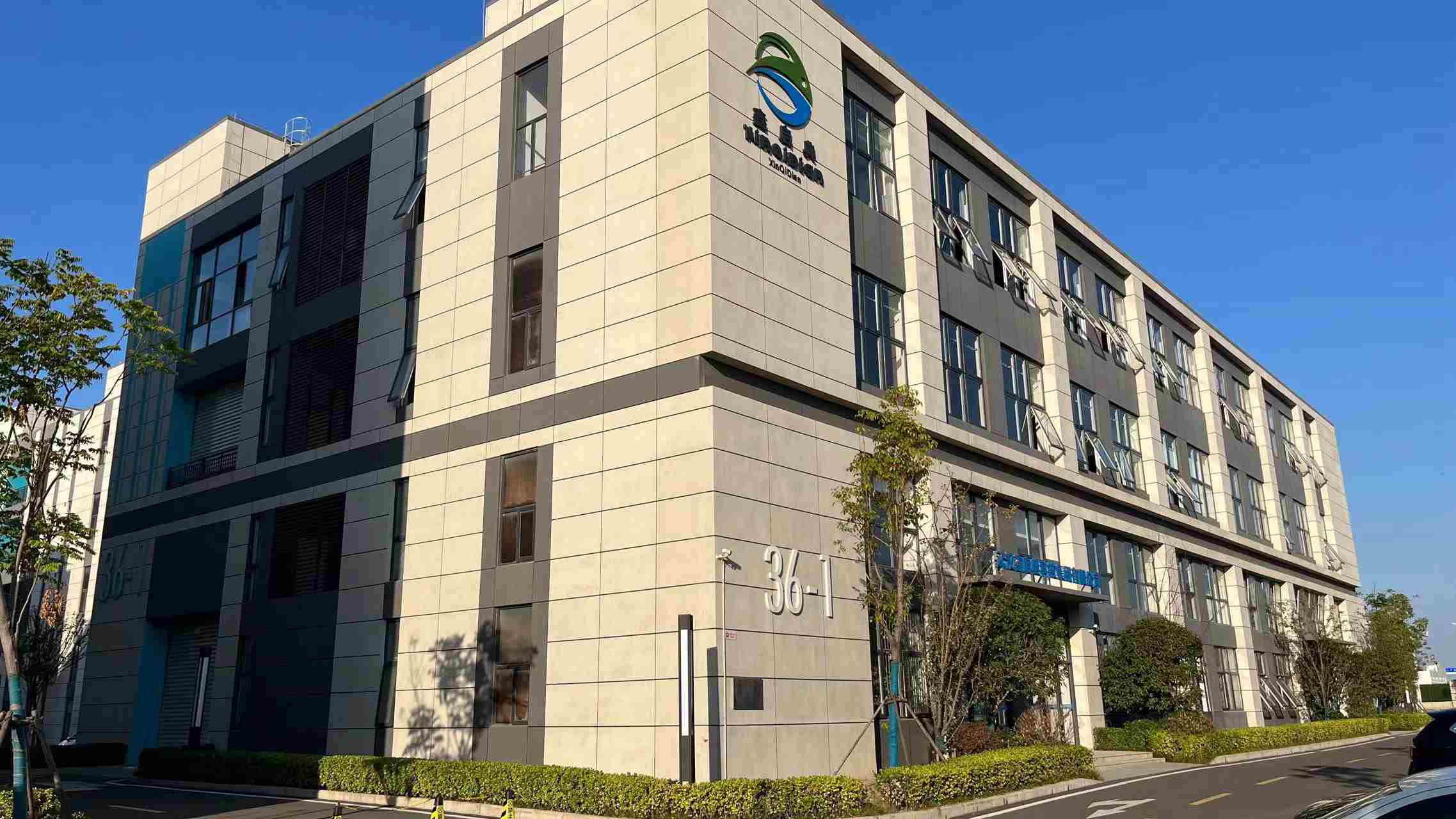
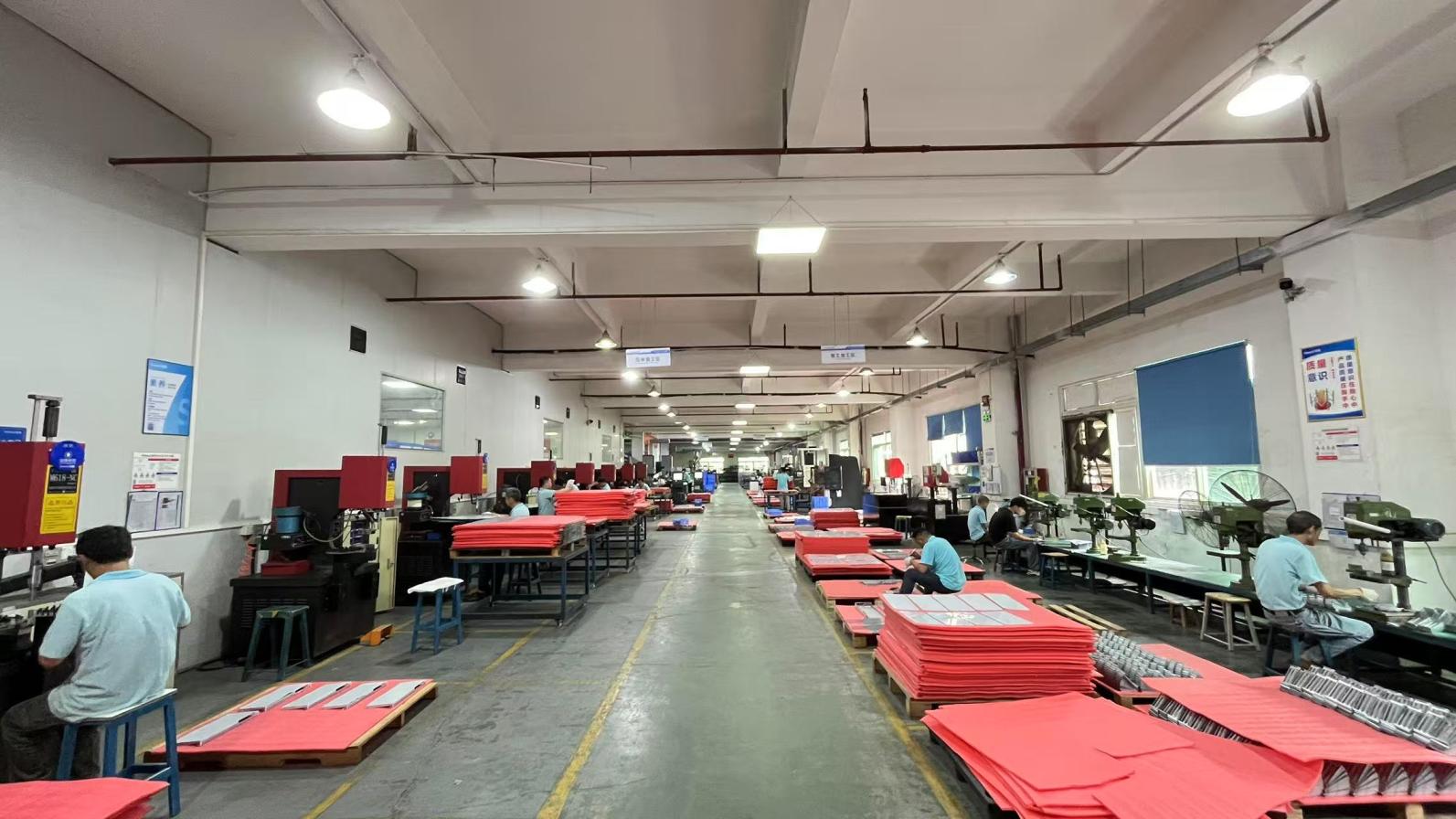
Established in 2016, NexaGPU has rapidly grown into a trusted provider of advanced GPU computing systems. The company operates a modern manufacturing facility with a building area of approximately 320㎡, supporting efficient production, assembly, and testing of AI server systems.
With an annual export revenue of USD 12 million, NexaGPU has built strong international business capabilities and maintains 6 years of export experience and 11 years of industry experience in high-performance computing and server manufacturing.
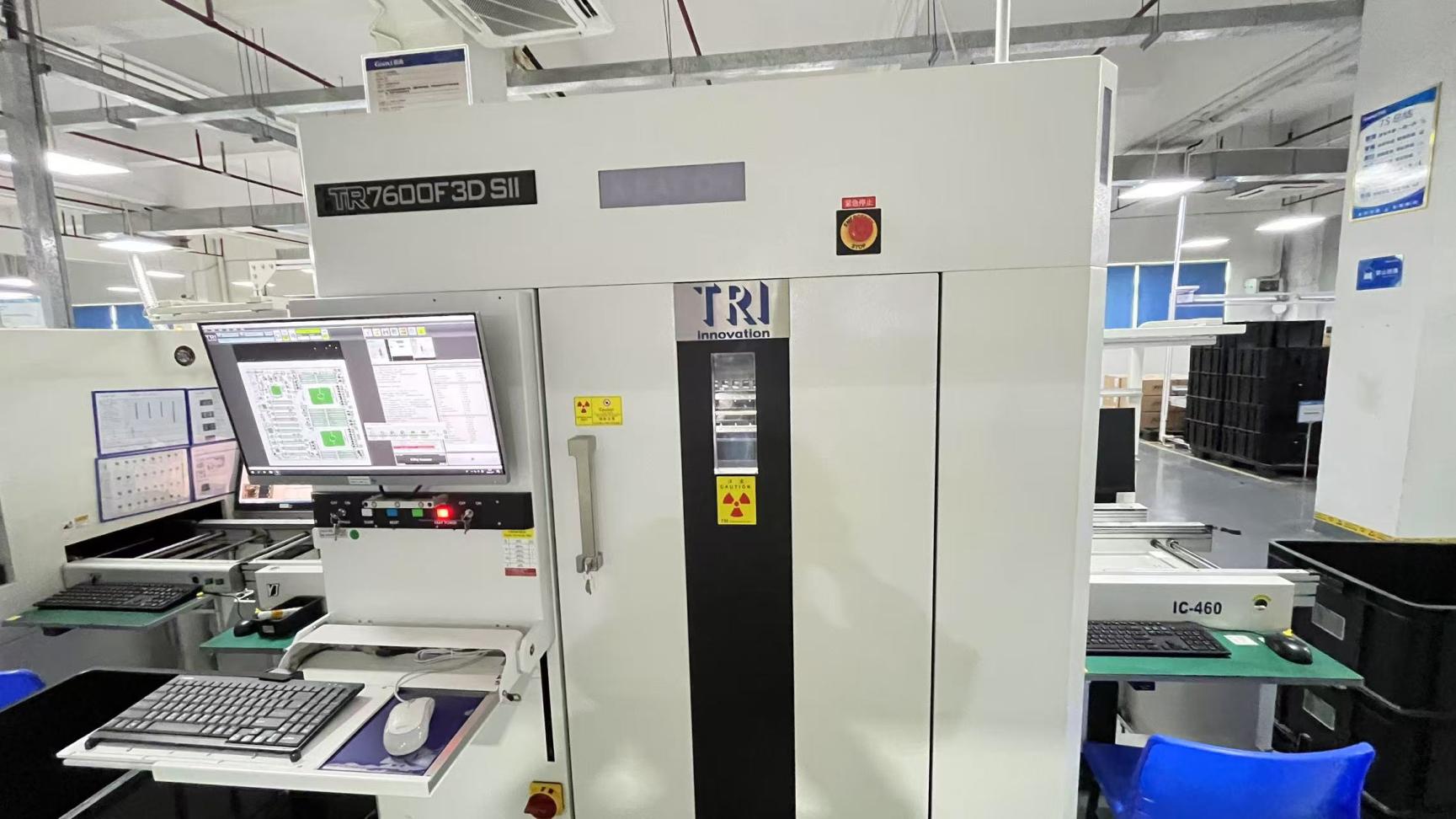
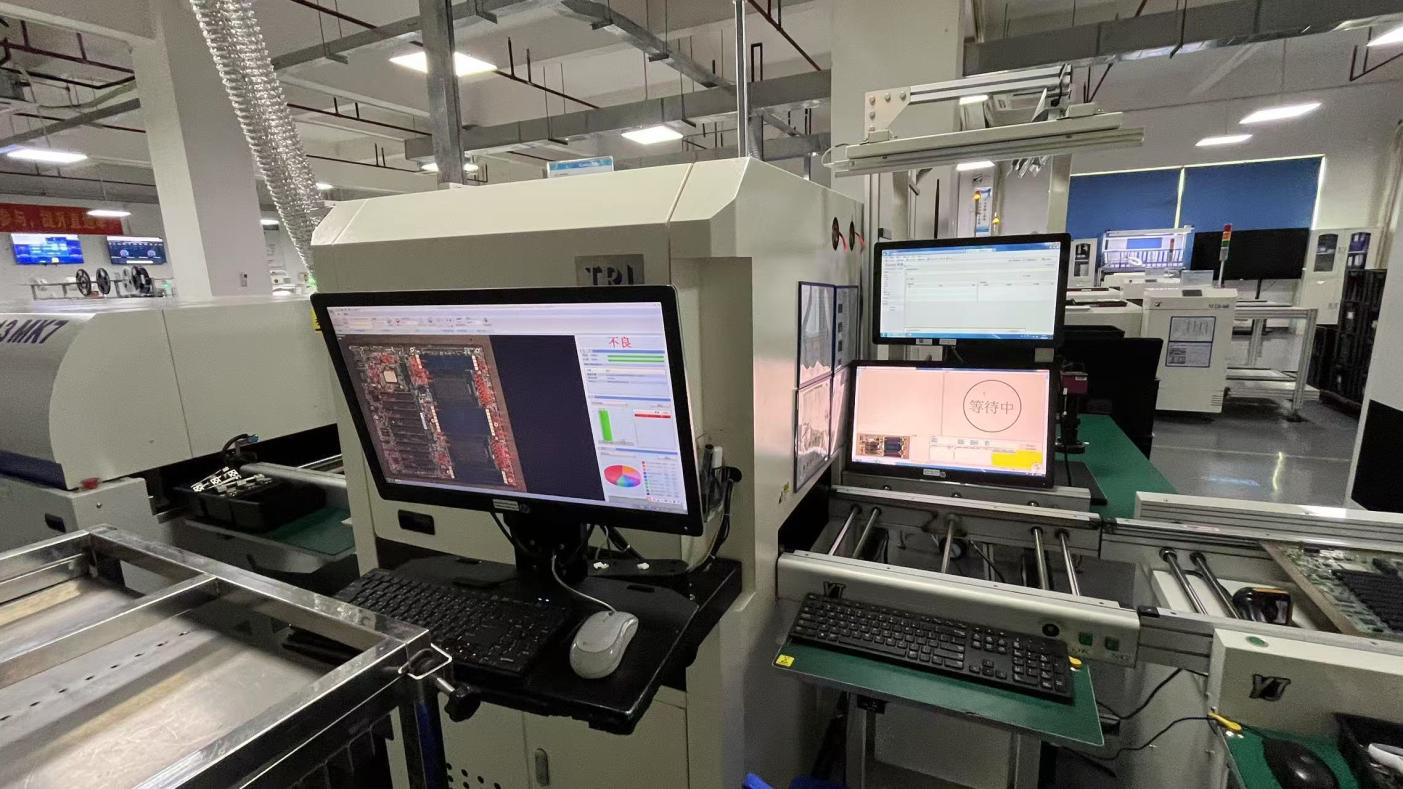
To ensure strict product quality, NexaGPU implements comprehensive multi-stage inspection processes, including hardware stress testing, thermal performance testing, and system stability validation. The company employs a dedicated quality assurance team of 45 QC specialists to maintain consistent product reliability.
NexaGPU demonstrates a solid trade background in global B2B technology supply chains, with major markets including North America, Europe, Southeast Asia, and the Middle East. The company works closely with over 850 supply chain partners, including GPU chip suppliers, motherboard manufacturers, server chassis factories, and cooling system providers.
Supported by a team of 120 R&D engineers, NexaGPU focuses on GPU architecture optimization, AI server design, and liquid cooling technology. The company offers extensive customization options including GPU configuration, CPU selection, memory expansion, storage architecture, and liquid cooling systems.
In the past year, NexaGPU successfully launched 85 new product models, covering AI training servers, inference servers, and high-density GPU computing clusters.
Analyzing Commercial & Industrial Infrastructure Demands Across Continents
Enterprise compute demands vary significantly by region, shaped by local market dynamics, energy costs, and regulatory frameworks. In North America, the primary focus is on hyperscale cloud deployments and high-density deep learning training centers. These installations demand massive power delivery capabilities, prompting manufacturers to produce modular hardware configurations that integrate seamlessly with local electrical grids and high-voltage distribution units.
In contrast, the European market is heavily shaped by strict environmental regulations and high operational energy costs. Here, infrastructure optimization focuses on Power Usage Effectiveness (PUE). European data centers prioritize systems featuring advanced liquid-cooling manifolds, optimized airflow paths, and smart power management utilities that reduce carbon footprints. Because of these priorities, certified compliance (such as the CE marking) is a strict requirement for doing business in this region.
In the Asia-Pacific and Middle East regions, demand is driven by the rapid growth of smart city initiatives, regional cloud sovereignty projects, and localized telecommunications networks. Industrial and B2B customers in these markets require resilient systems capable of operating in high-ambient-temperature environments without experiencing thermal throttling. This requires the use of heavy-duty heat sinks, heat pipe structures, and redundant cooling solutions to maintain consistent system uptime.
Our entire enterprise hardware line complies with rigorous CE standards, including the Low Voltage Directive (LVD) and Electromagnetic Compatibility (EMC) guidelines, ensuring safe deployment in European data environments.
We provide localized technical assistance and customizable SLA programs for global enterprises, ensuring rapid spare-part replenishment, hot-swappable component shipping, and remote bios/firmware assistance.
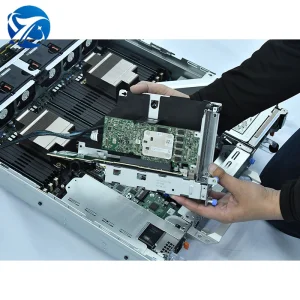
Our in-house design capabilities support extensive modifications, including multi-GPU configurations, high-speed networking adapters, liquid-cooling distributions, and storage expansion options.
Maximizing Return on Investment across Specialized Computational Operations
Our multi-GPU enterprise systems are ideal for large-scale language model alignment, training, and inference. Designed to handle dense computing demands, they ensure uninterrupted operation under continuous full-load conditions.
Featuring 4-socket, high-density server architectures, these configurations deliver the memory bandwidth and processing speed needed to manage large relational databases, ERP systems, and real-time business operations.
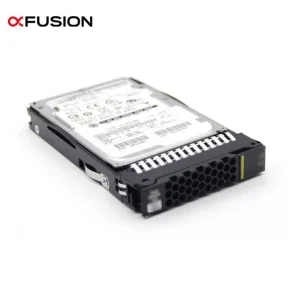
Combining scalable SAS HDD arrays with high-performance processors, these platforms are optimized for private cloud virtualization, secure local storage, and media transcoding applications.
Pioneering the Next Era of Liquid Cooling and PCIe Gen 6.0 Integration
As next-generation GPU and CPU architectures continue to push thermal limits, standard air cooling systems are reaching their physical boundaries. Future hardware deployments will require a widespread transition to advanced liquid-cooling setups, including direct-to-chip cold plate systems and full immersion cooling. NexaGPU’s engineering team is actively developing closed-loop liquid-cooling manifolds designed to handle heat outputs of up to 1000W per accelerator. These systems will allow high-performance server clusters to run in warmer climates with minimal dependency on energy-intensive chillers.
On the data transmission front, we are designing system boards optimized for the PCIe Gen 6.0 standard, doubling the bandwidth of current PCIe 5.0 systems. This upgrade will significantly reduce data transfer bottlenecks between the system processor, memory, and accelerator chips, allowing for faster synchronization in large clusters. Additionally, we are building systems that support next-generation CXL (Compute Express Link) protocols, enabling memory sharing across CPU and GPU pools for more efficient data handling during large-scale tasks.
By working closely with chip designers, power component manufacturers, and data center operators, NexaGPU is committed to building systems that are highly energy-efficient, compliant with global standards, and ready for future computational needs.
Answering Complex Engineering Questions About Hardware Configurations, Quality Control, and Deployments
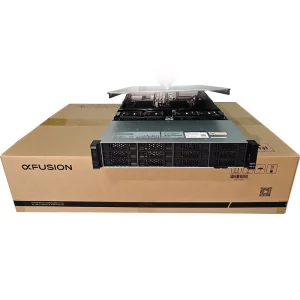
Explore our array of advanced servers, storage devices, and components designed for enterprise environments.