NexaGPU
NexaGPU
NexaGPU
In global financial markets, high-frequency trading (HFT) operates in the domain of microseconds and nanoseconds. Success depends on the infrastructure's ability to execute orders, parse tick data, and communicate with exchange gateways with minimal latency. Traditional enterprise computing systems cannot meet the requirements of modern quantitative desks and algorithmic market makers.
HFT servers must suppress microsecond-level system interrupts (SMIs). By tuning BIOS parameters, disabling power-saving states (C-states/P-states), and isolating CPU cores solely for matching engine algorithms, latency variance (jitter) is minimized.
By leveraging Solarflare/AMD Xilinx Onload technology and DPDK (Data Plane Development Kit), incoming market data packets bypass the OS kernel. This routes data directly from the network interface card (NIC) to user space memory via PCIe lanes.
Synchronizing systems with global exchanges requires hardware timestamping at the sub-microsecond level. This relies on IEEE 1588 PTP (Precision Time Protocol) integration directly on the server's network adapter.
Compliance is a key factor in server deployments within European and global financial centers. As a CE Certified High Frequency Trading Server Exporter, NexaGPU ensures that our specialized hardware meets the health, safety, and environmental protection standards required within the European Economic Area (EEA).
Financial co-location (colo) data centers, such as Equinix LD4 in London or FR2 in Frankfurt, enforce strict hardware regulations. High Frequency Trading setups operate next to thousands of other servers, meaning even minor electromagnetic interference (EMI) can disrupt adjacent operations.
Our CE-certified HFT servers comply with the Electromagnetic Compatibility (EMC) Directive 2014/30/EU and the Low Voltage Directive (LVD) 2014/35/EU. This certifies that our hardware will not cause electromagnetic disturbance and will operate safely under extreme thermal and electronic loads.
Without proper CE marking, operators face shipping delays at EU customs and risks of exclusion from tier-one financial data centers. By partnering with NexaGPU, trading firms ensure compliance from manufacturing to deployment.
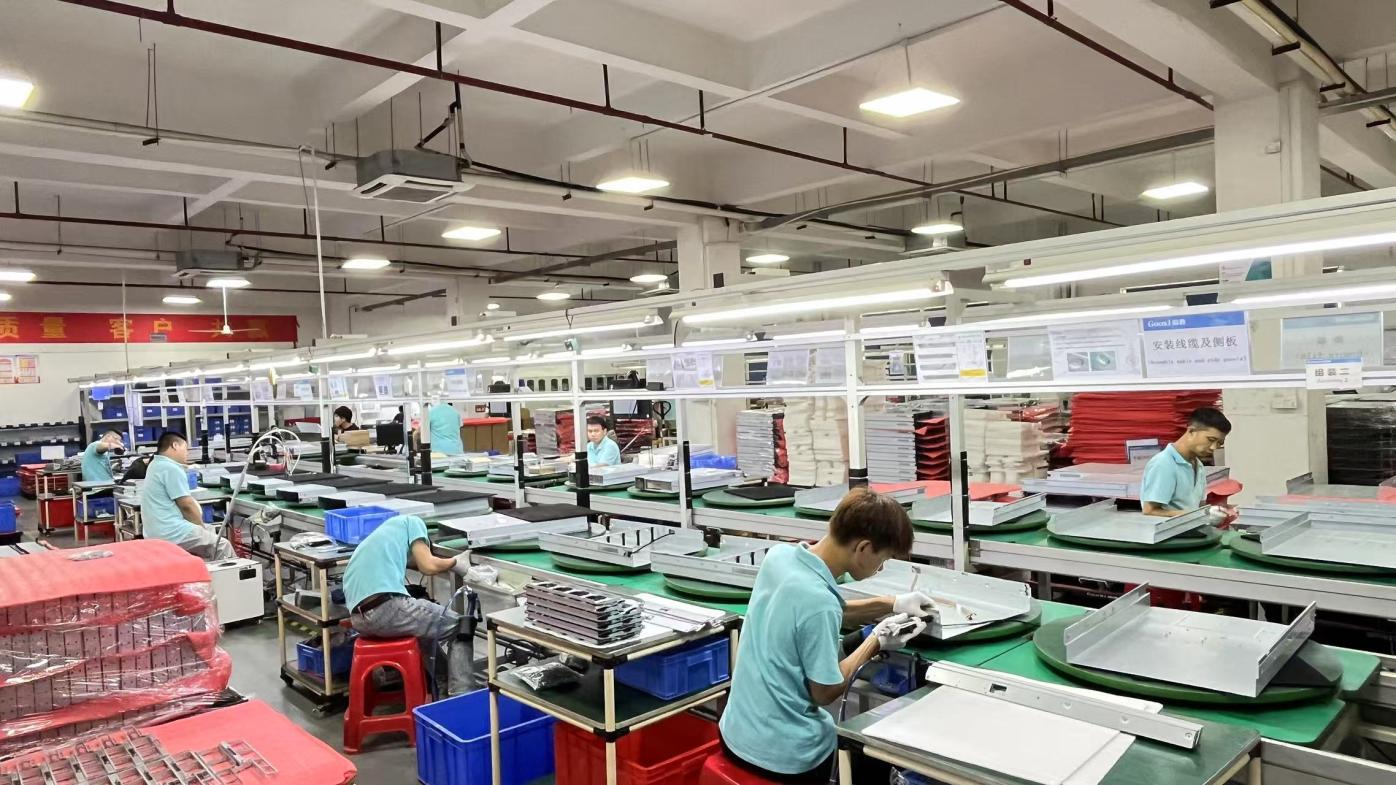
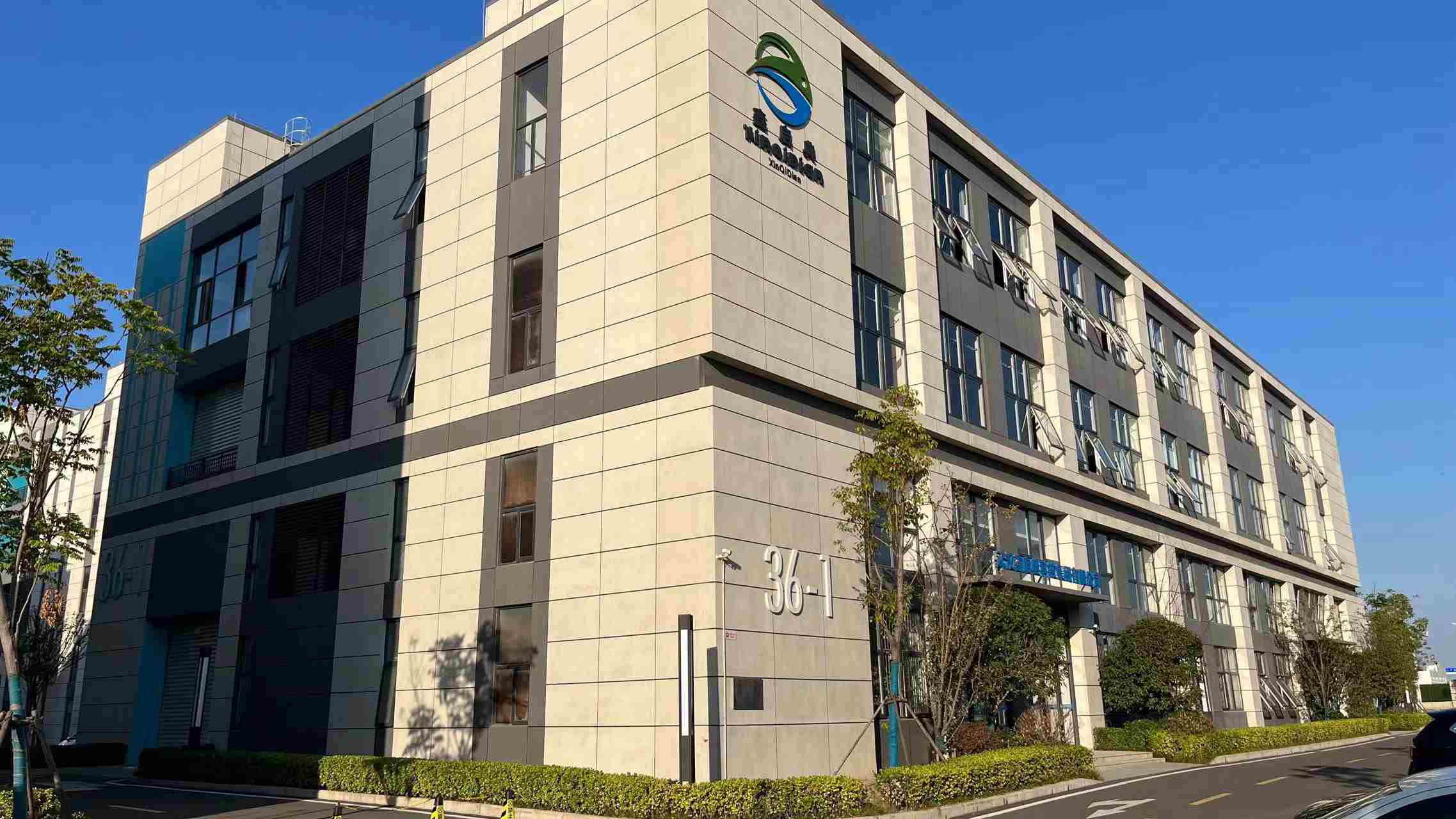
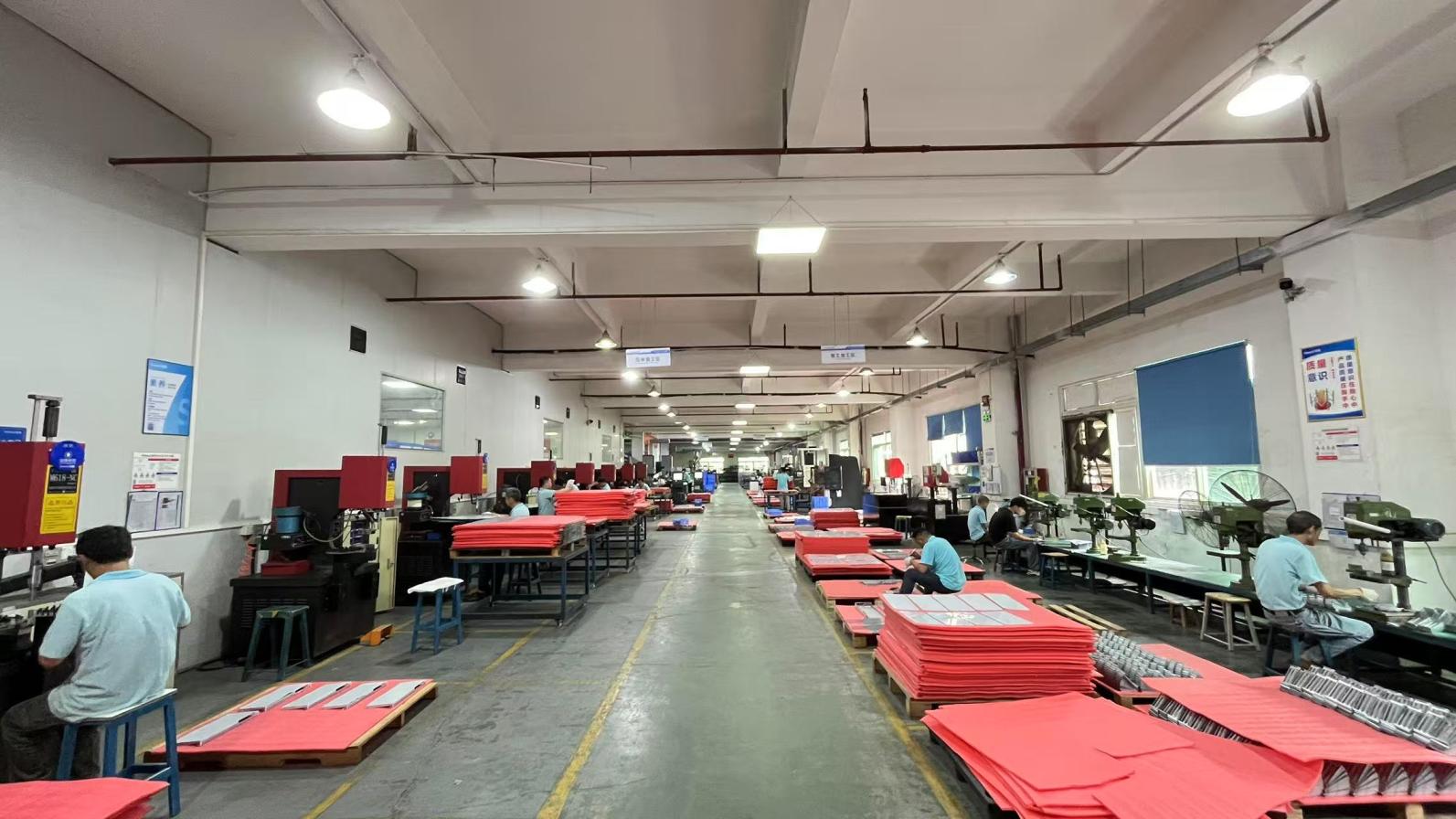
NexaGPU's high-precision manufacturing lab is located in China's hardware capital. We leverage localized supply chain integration to provide rapid customization, quality control, and cost advantages for global HFT buyers.
HFT architecture changes quickly. Our R&D team of 120 engineers can design, simulate, and manufacture custom server chassis, advanced liquid-cooling paths, and tailored PCIe riser layouts within weeks.
With a network of over 850 partners, NexaGPU secures priority access to key components, including specialized multi-layer PCBs, low-latency RAM chips, and high-frequency oscillators.
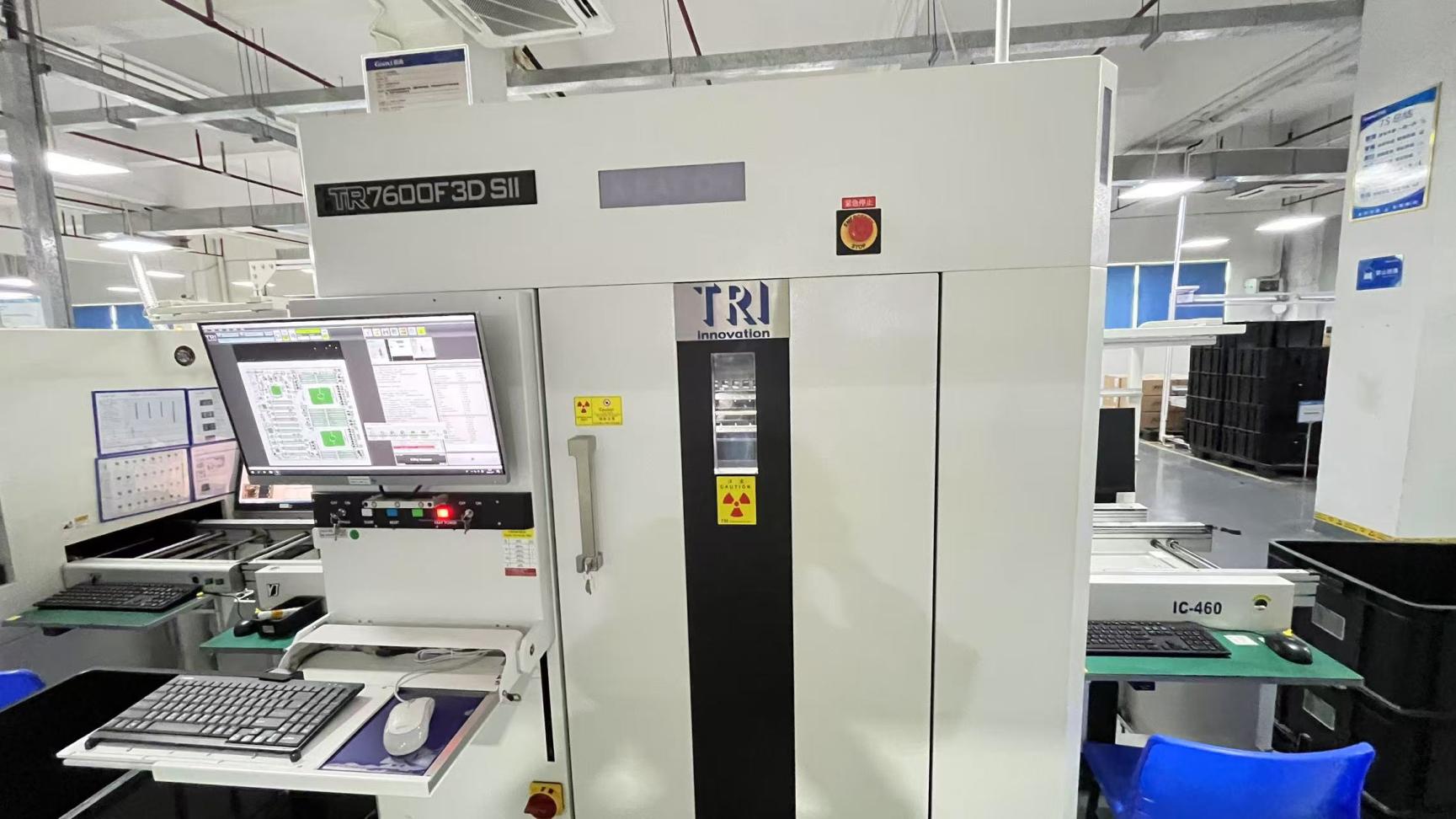
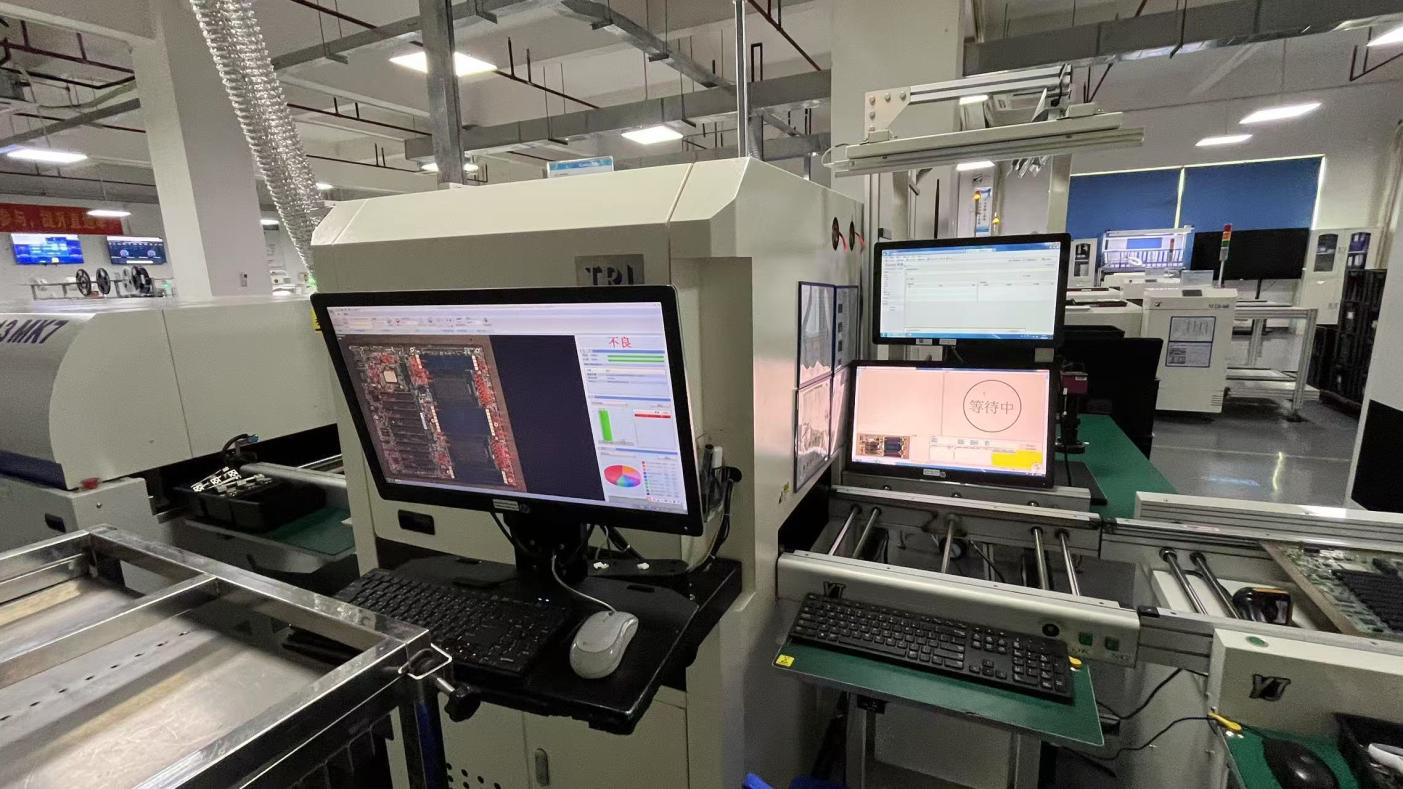
Our 45 QC specialists execute multi-stage hardware stress tests, thermal cycles, and stability checks in our specialized facility, ensuring high reliability for quantitative trading desks.
As trading firms compete for microsecond advantages, hardware design has shifted from standard off-the-shelf components to custom, application-specific architectures.
Overclocking CPUs creates significant heat. Air cooling is often insufficient to prevent thermal throttling, which causes latency spikes. Our servers feature liquid-cooling loops that maintain stable chip temperatures during market volatility.
Modern HFT relies on FPGA (Field Programmable Gate Array) technology for pre-trade risk checks and order generation. This logic is executed in hardware gates rather than the CPU, reducing execution times from microseconds to nanoseconds.
Our HFT chassis are optimized for PCIe Gen 5.0/6.0, doubling the data transfer rate between the GPU/FPGA accelerators and the host CPU to eliminate system bottlenecks.
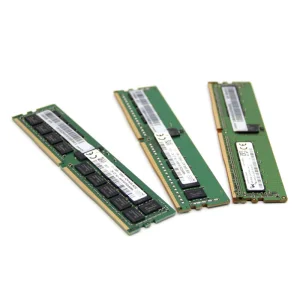
We leverage low-latency DDR5 configurations and Compute Express Link (CXL) architectures. This allows resources to share memory spaces dynamically, reducing processing latency.
High-frequency trading setups vary based on regional exchange structures and the chosen trading strategy.
Locations: Chicago (CME), New York (NY4), London (LD4), Tokyo (TY3).
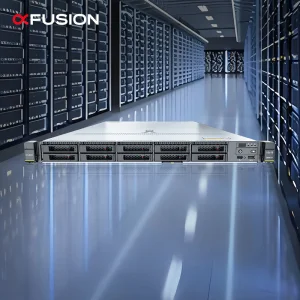
Configuration: 1U ultra-short depth chassis optimized for power density. Includes overclocked processors, SmartNICs, and sub-nanosecond clock sync cards.
Locations: Crossing networks between adjacent financial hubs (e.g., Frankfurt to London).
Configuration: Multi-node servers with high-throughput microwave communication links, relying on fast RAM configurations.
Locations: Main data centers for machine learning training and deep learning models.
Configuration: Hybrid compute platforms combining high-frequency CPUs with GPU arrays for real-time model adjustments.
Purchasing enterprise-grade HFT servers requires balancing performance, logistics compliance, and technical support.
HFT procurement officers evaluate systems based on specific metrics:
Transporting enterprise hardware involves navigating global trade compliance. NexaGPU ensures all shipments include proper documentation (CE, FCC, RoHS) to prevent customs delays.
Our support services include rapid spare parts replacement and remote technical assistance from our engineering team, helping to keep client hardware operational.
NexaGPU is an AI GPU and high-performance server manufacturer specializing in low-latency infrastructure, custom server design, and thermal management systems for global trading firms, data centers, and enterprise operations.
Established in 2016, we have grown into a reliable provider of specialized computing hardware. Operating from our manufacturing lab, we utilize advanced component assembly and testing methodologies.
Our annual export revenue has reached USD 12 million, supported by 6 years of export experience and 11 years of industry history. We work closely with over 850 partners to secure key components, enabling consistent supply chains for our customers.
To support product reliability, NexaGPU implements a multi-stage inspection process, including hardware stress tests, thermal analysis, and system stability checks led by our 45-person QC team.
Find answers to common questions about our HFT server customization, compliance, and ordering processes.