NexaGPU
NexaGPU
NexaGPU
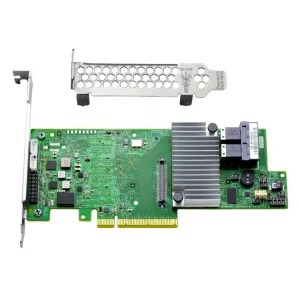
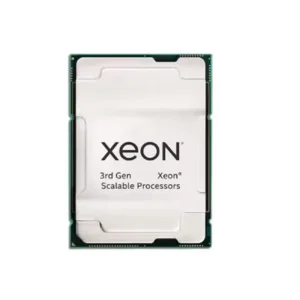
Deploy enterprise-grade processors, RAID control systems, and high-speed host platforms certified for modern high-bandwidth architectures.
In the contemporary digital landscape, the convergence of high-density artificial intelligence (AI) and enterprise networking infrastructure has driven a paradigm shift in data transmission requirements. Modern AI GPU clusters, such as those housing cutting-edge LLMs and DeepSeek instances, require ultra-low latency, high reliability, and immense bandwidth. Underpinning this massive computational power is the physical transport layer: fiber optic equipment. As a leading manufacturer of critical computing systems and high-speed network topologies, we provide comprehensive, CE-certified configurations engineered to mitigate data bottlenecks at every level.
CE Certification serves as the baseline parameter for European economic zone integration, indicating compliance with strict electromagnetic interference (EMI), low-voltage protection, and environmental sustainability standards. Sourcing components that conform to these requirements ensures that enterprise deployments operate safely within regulatory margins, significantly reducing the risks of operational downtime, electrical hazards, or communication packet drops.
Discover how advanced optical distribution networks resolve processing bottlenecks across primary global sectors.
Deploying ultra-high-speed active optical cables (AOCs) and fiber transceivers to connect complex AI clusters. Integrating high-performance RAID storage matrices and GPU systems with sub-microsecond optical switching topologies to sustain constant data pipelines.
Maximizing storage network performance through high-throughput optical links and PCIe 4.0 host controller configurations. By leveraging low-loss fiber optic cables, data centers eliminate input/output bottlenecks in critical backup arrays.
Providing the foundation for metropolitan area networks (MANs) and optical line terminals. Designed to support broad environmental tolerances, our industrial optical solutions offer scalable expansion routes for next-generation telecommunications backhauls.
Driving hardware reliability, innovation, and global compliance for computational networks.
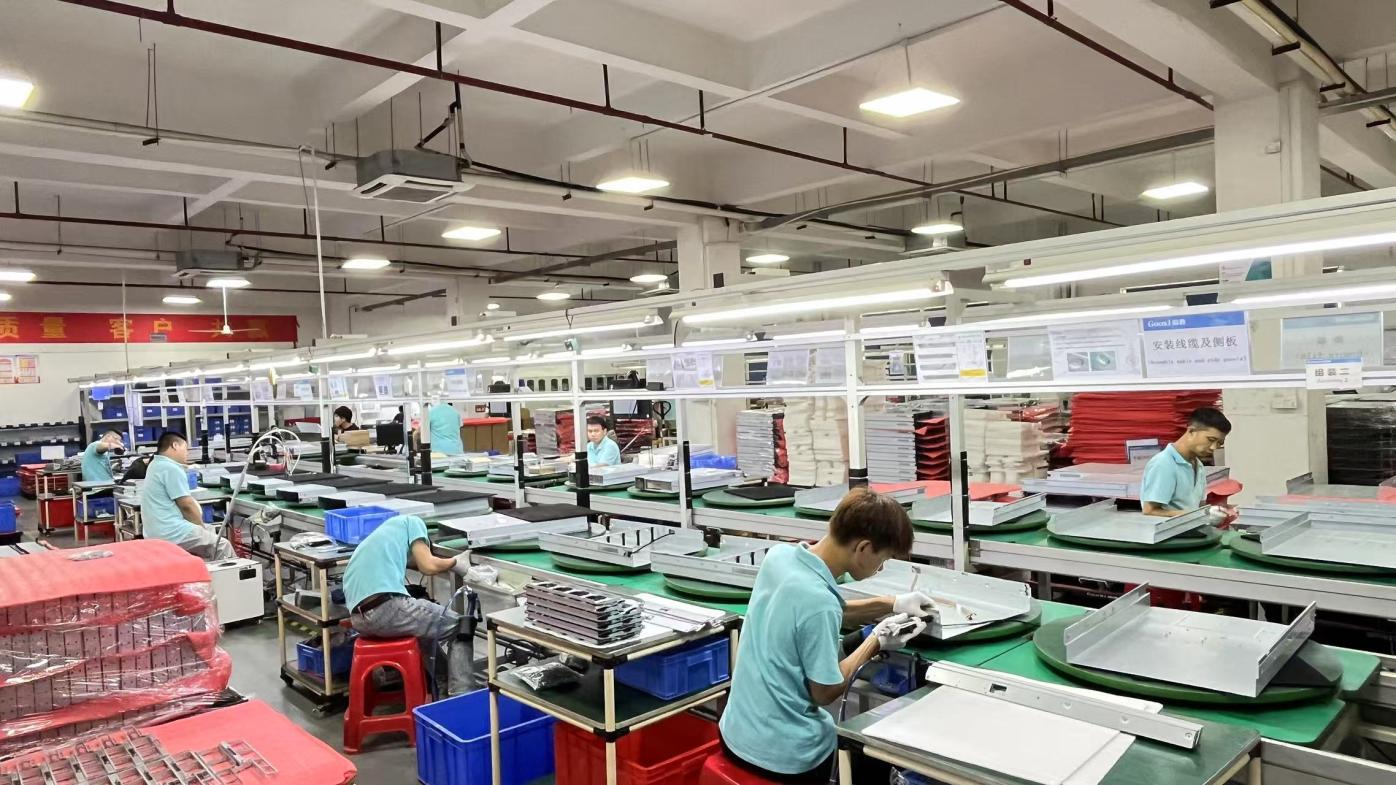
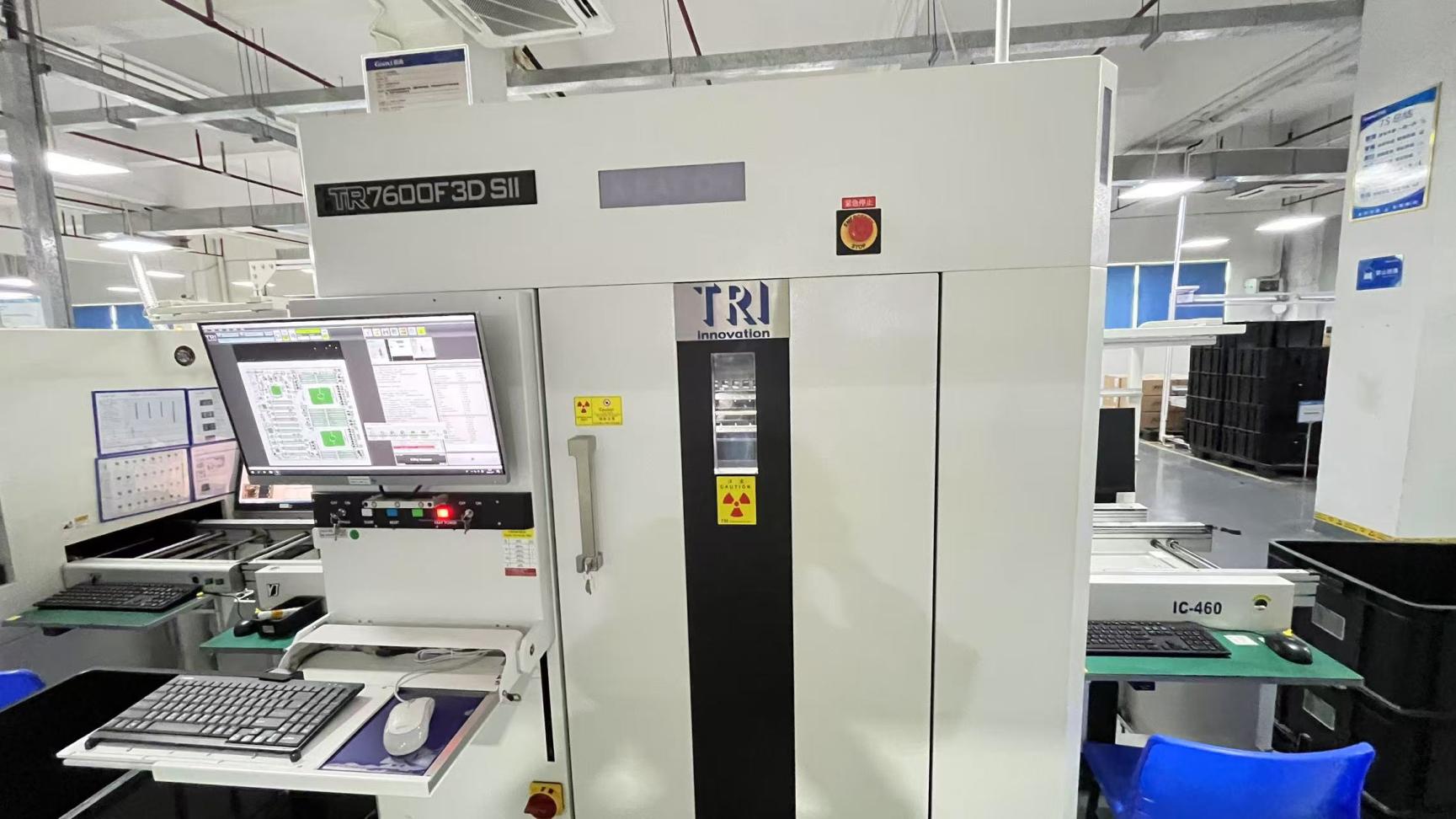
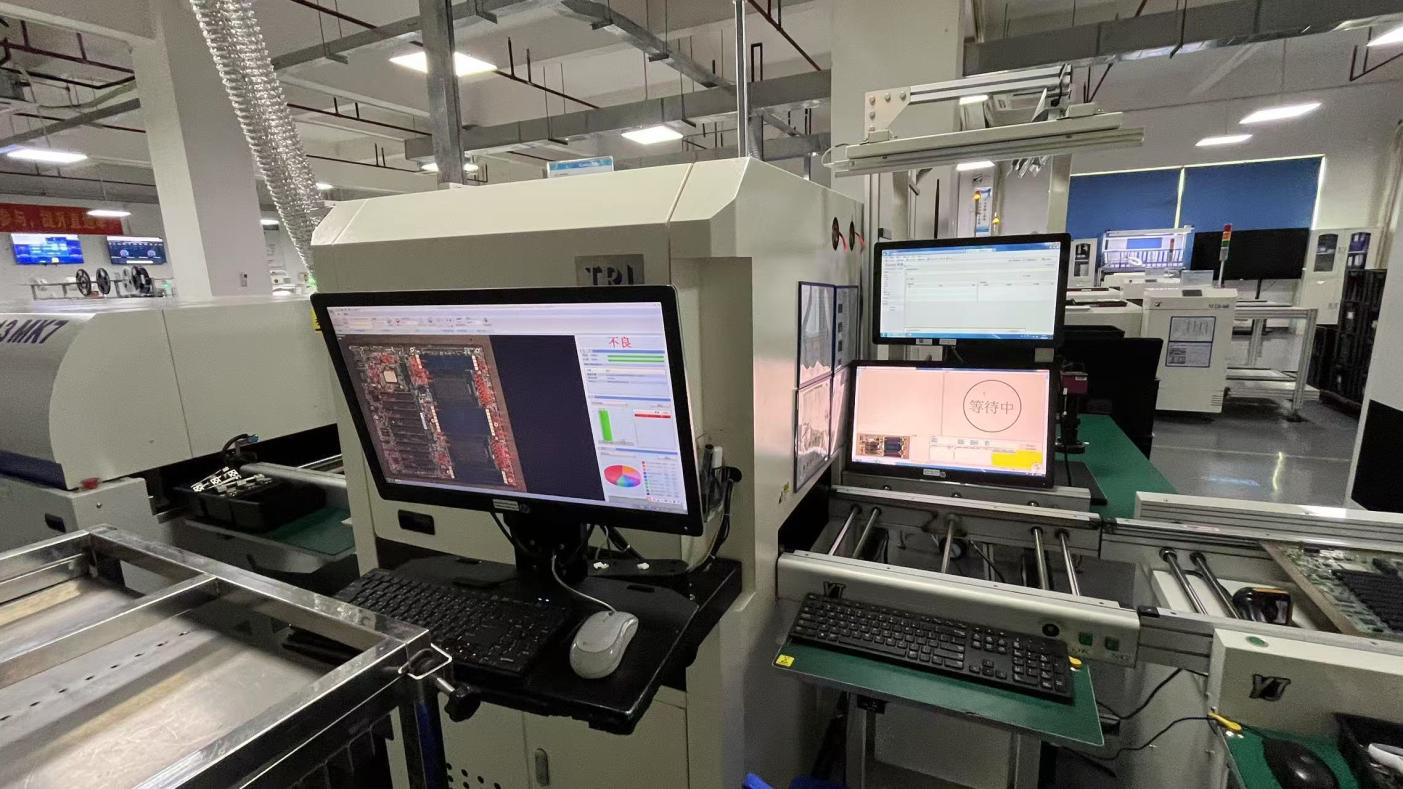
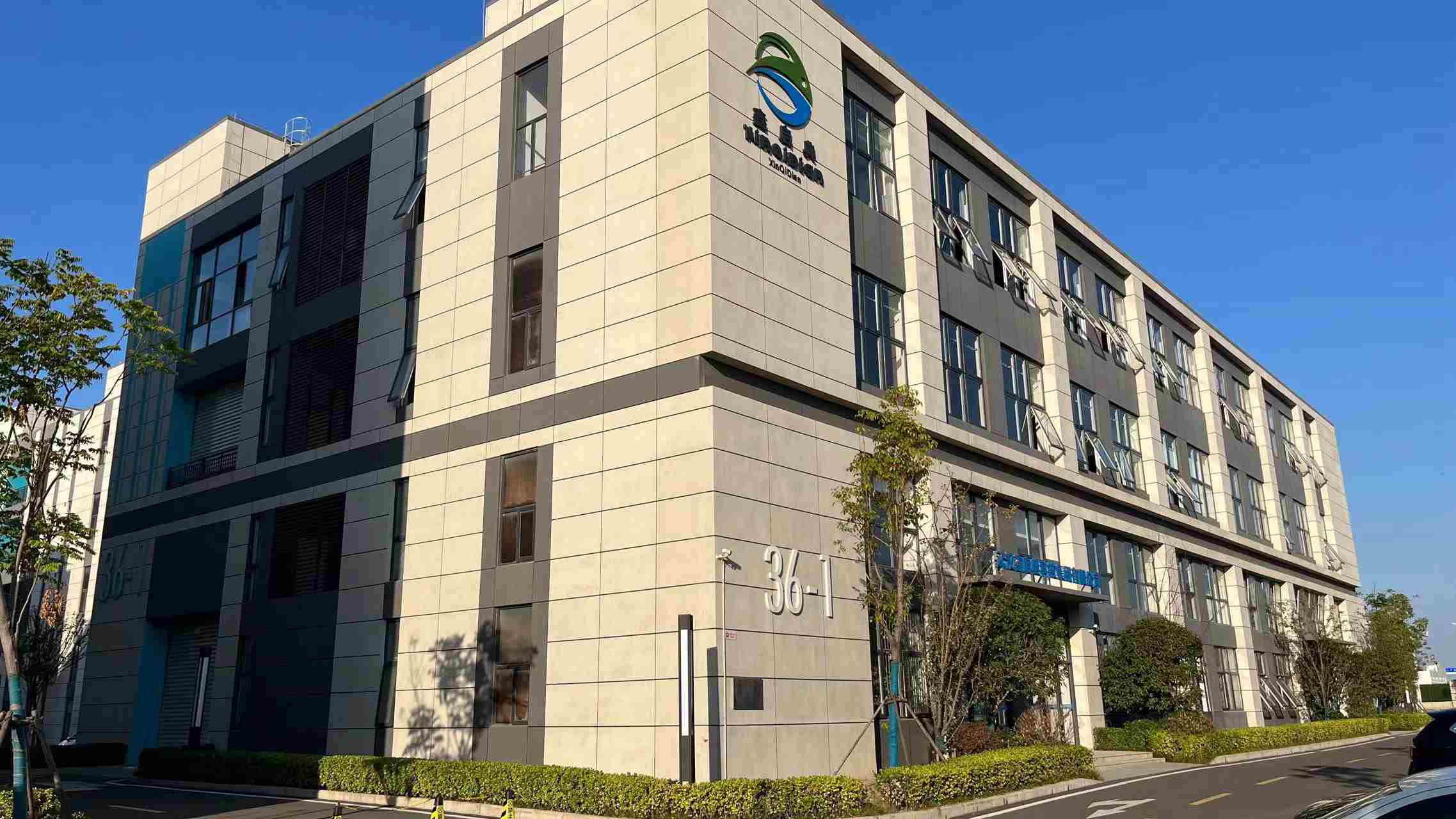
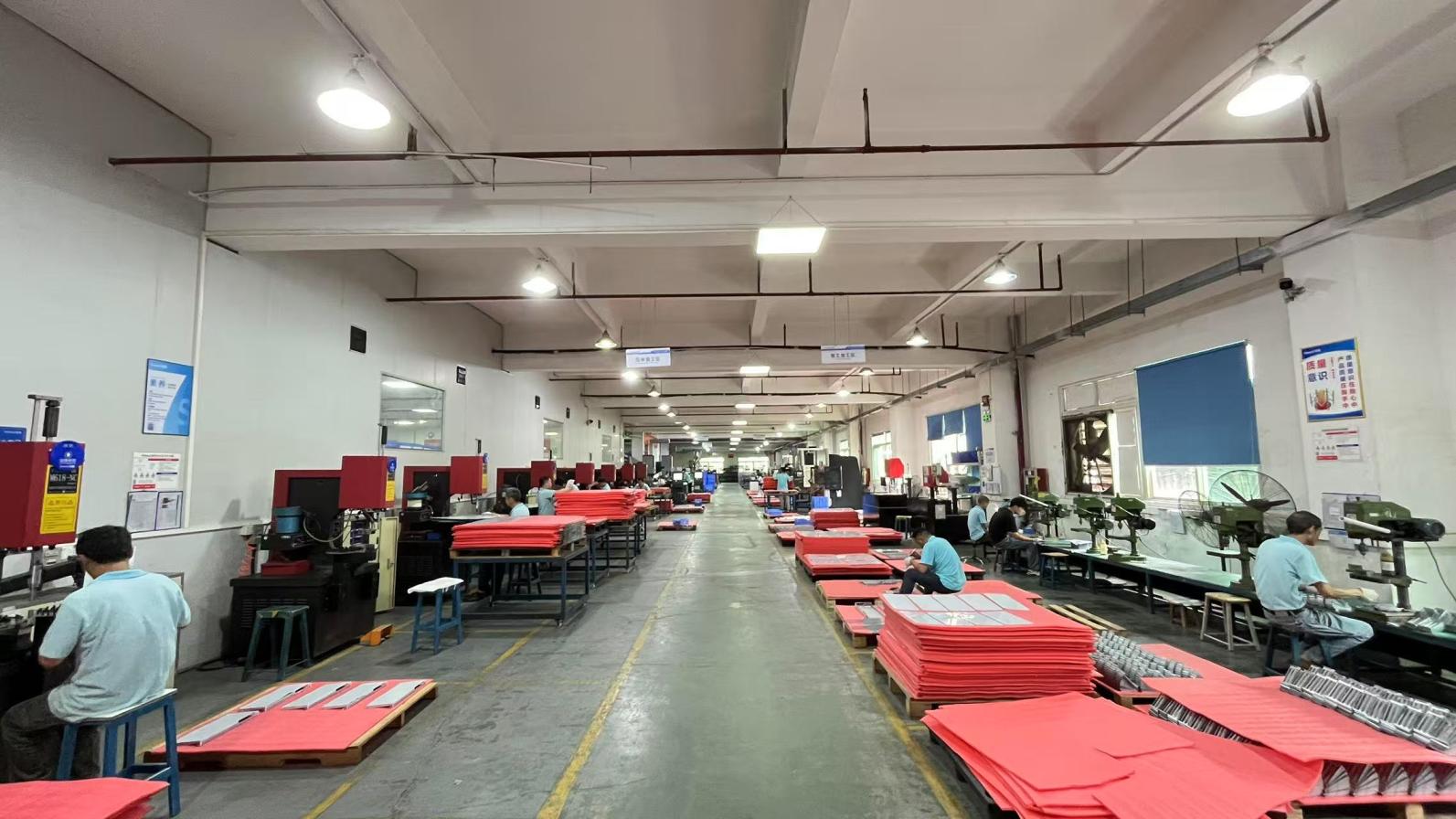
Operating a modernized manufacturing facility with a dedicated facility area supporting efficient production, assembly, and testing of high-density computing platforms, NexaGPU stands at the forefront of AI hardware. Through meticulous multi-stage inspection routines—encompassing physical stress testing, thermal analysis, and end-to-end signal path validation—our engineering teams ensure every system operates at peak reliability. Backed by 6 years of direct global exporting experience and a highly integrated network of over 850 supply chain partners, we customize and ship rugged, dependable hardware to North America, Europe, Southeast Asia, and the Middle East.
As computational demands scale, copper cables face massive physical limitations due to attenuation, impedance mismatching, and vulnerability to EMI. Standard computing racks featuring high-wattage power supplies, GPUs, and fast storage controllers generate large amounts of ambient electromagnetic noise. Unlike copper, optical transmission utilizes light pulses traveling through silica-glass cores, ensuring absolute immunity to EMI. This enables clean, jitter-free data routing, even when placed directly alongside power distribution units (PDUs) or high-load server enclosures.
To preserve signal integrity over extended operational periods, our optical structures integrate key protective elements:
For network operators, procurement managers, and system integrators, CE Certification is more than a legal formality; it represents a commitment to safety and engineering quality. Specifically, our fiber optic equipment complies with several essential European directives:
Explore how B2B buyers deploy our systems across various real-world networking topologies.
Scenario: Low-latency data transmission between global stock exchanges and local hedge funds.
Solution: Single-mode fiber transceivers with zero-latency physical routing. Eliminates latency jitter, giving trading desks microseconds of computational advantage.
Scenario: Precision robotics control in heavy manufacturing facilities.
Solution: Fiber optic transceivers that cross the assembly floor without pick-up of electromagnetic interference from high-voltage arc welders and heavy motors.
Scenario: Military bases require eavesdropping-resistant networks.
Solution: High-security fiber networks that cannot be tapped remotely, preserving the isolation of classified governmental communications networks.
As standard transceiver architectures hit thermal and performance walls, the optical communications industry is rapidly shifting toward Silicon Photonics and Co-Packaged Optics (CPO). By integrating optical engines directly onto the silicon substrate of the main processor or switch ASIC, CPO eliminates the need for long, energy-intensive electrical traces on the system motherboard. This reduces power consumption in data centers by up to 30% while dramatically scaling density.
Furthermore, the development of hollow-core optical fibers promises to reduce latency even further. Because light travels 50% faster in air than in silica glass, hollow-core fibers will soon revolutionize extreme low-latency application scenarios, such as real-time autonomous vehicle routing networks and sub-millisecond cloud gaming services.
Get clear, expert answers regarding CE certified fiber equipment, integration compatibility, and procurement timelines.
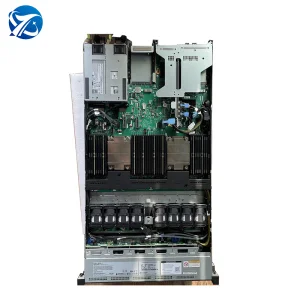
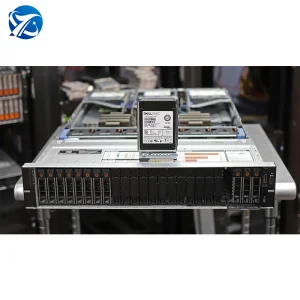
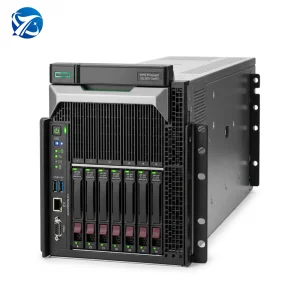
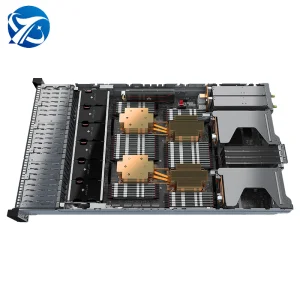
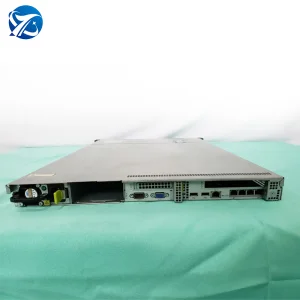
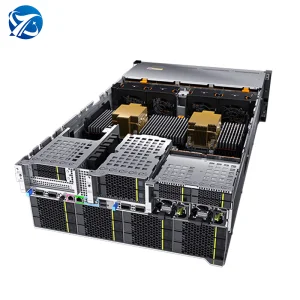
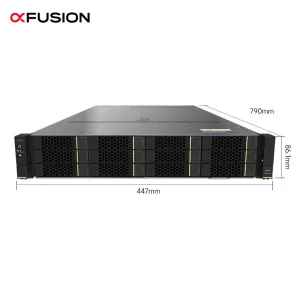
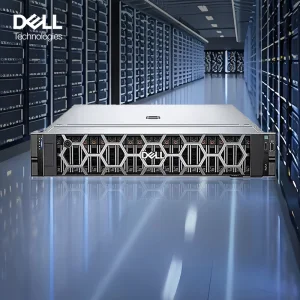
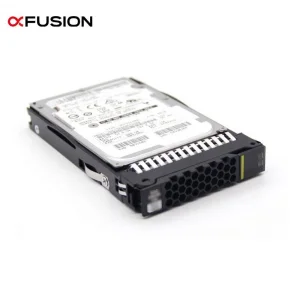
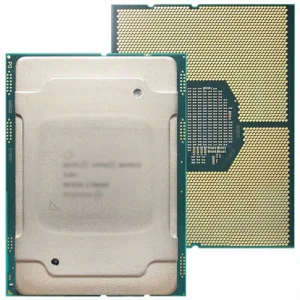
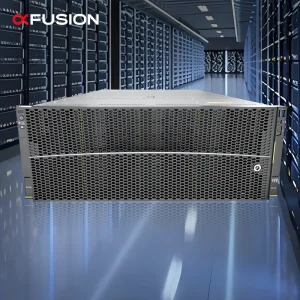
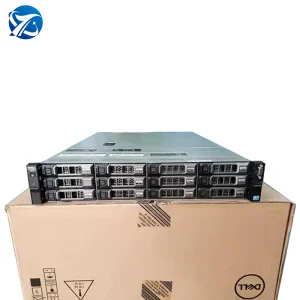
Explore our verified lineup of xFusion, Dell, and HPE high-throughput enterprise hardware.
Inside NexaGPU's production workspace, optimized for hardware efficiency, assembly, and compliance verification.